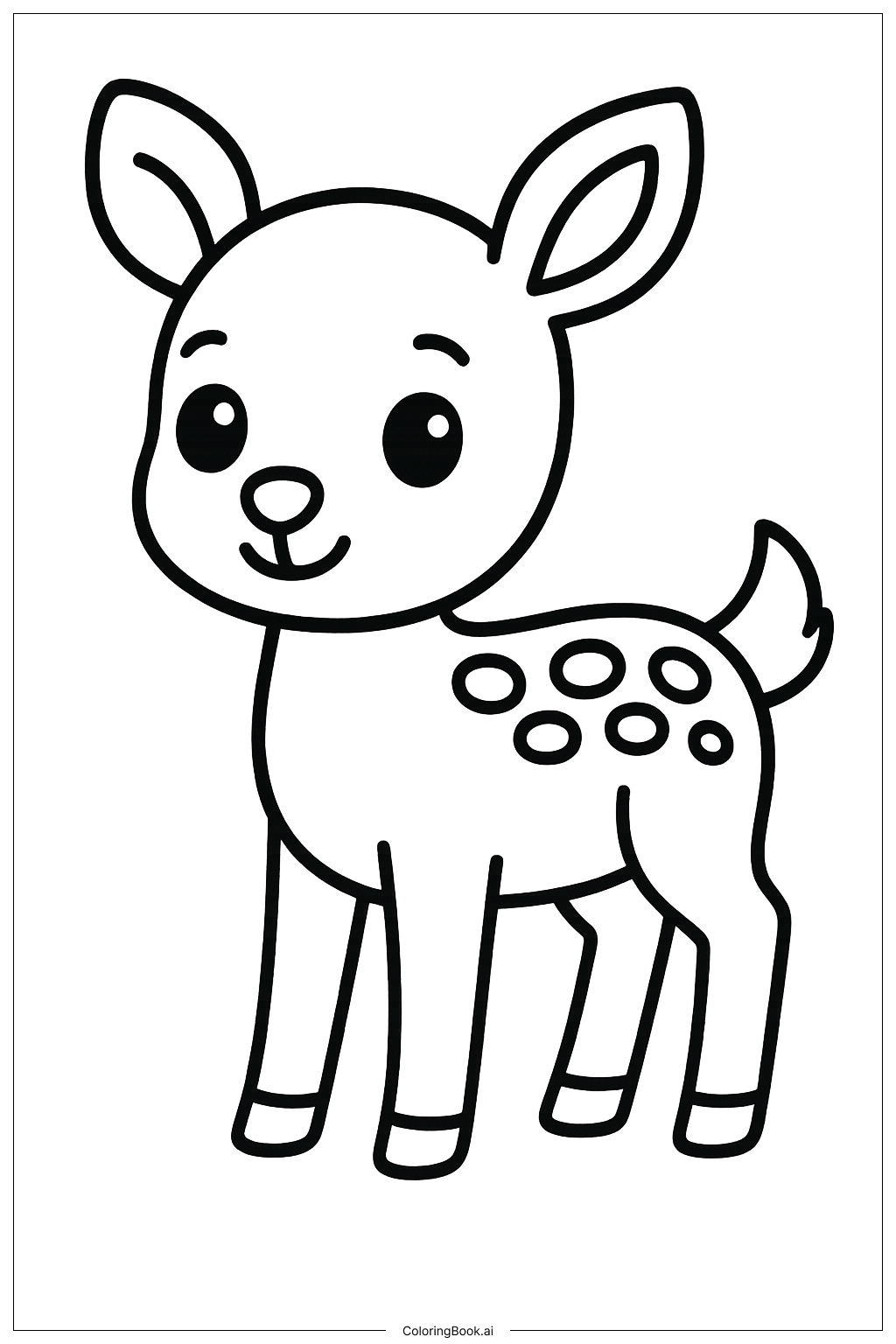
Coloring tips: How to color Orca Calf With Smile coloring page well?
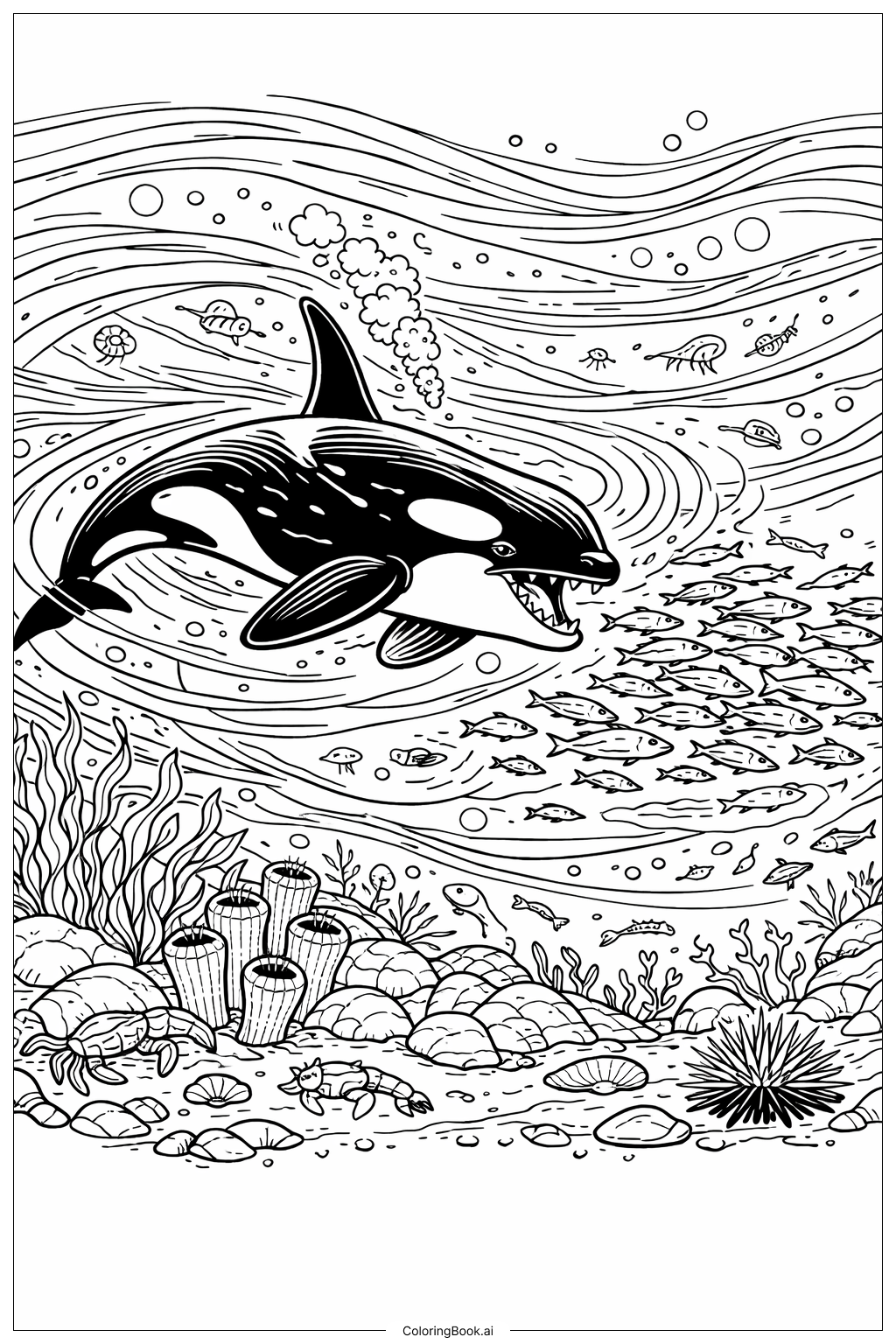
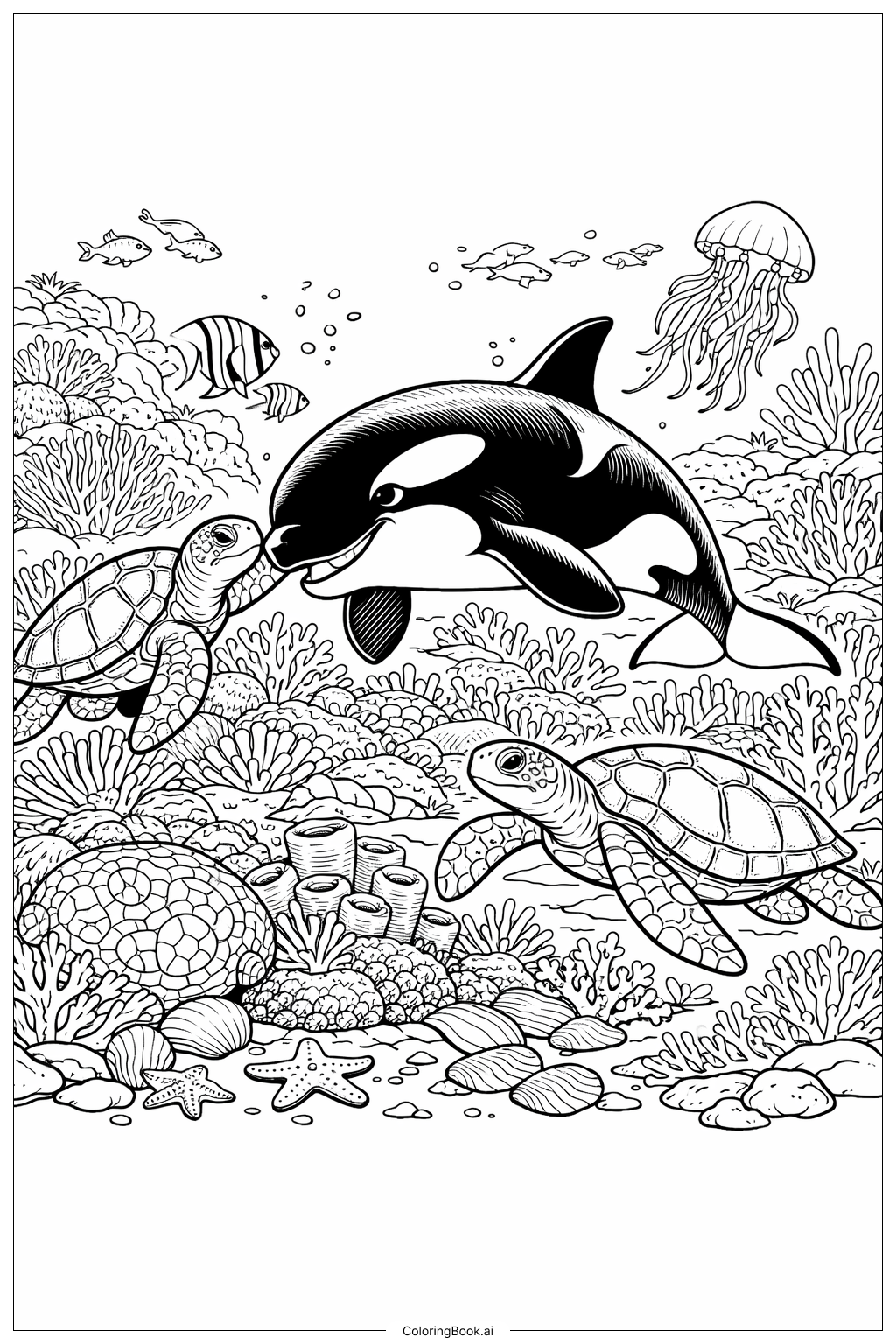
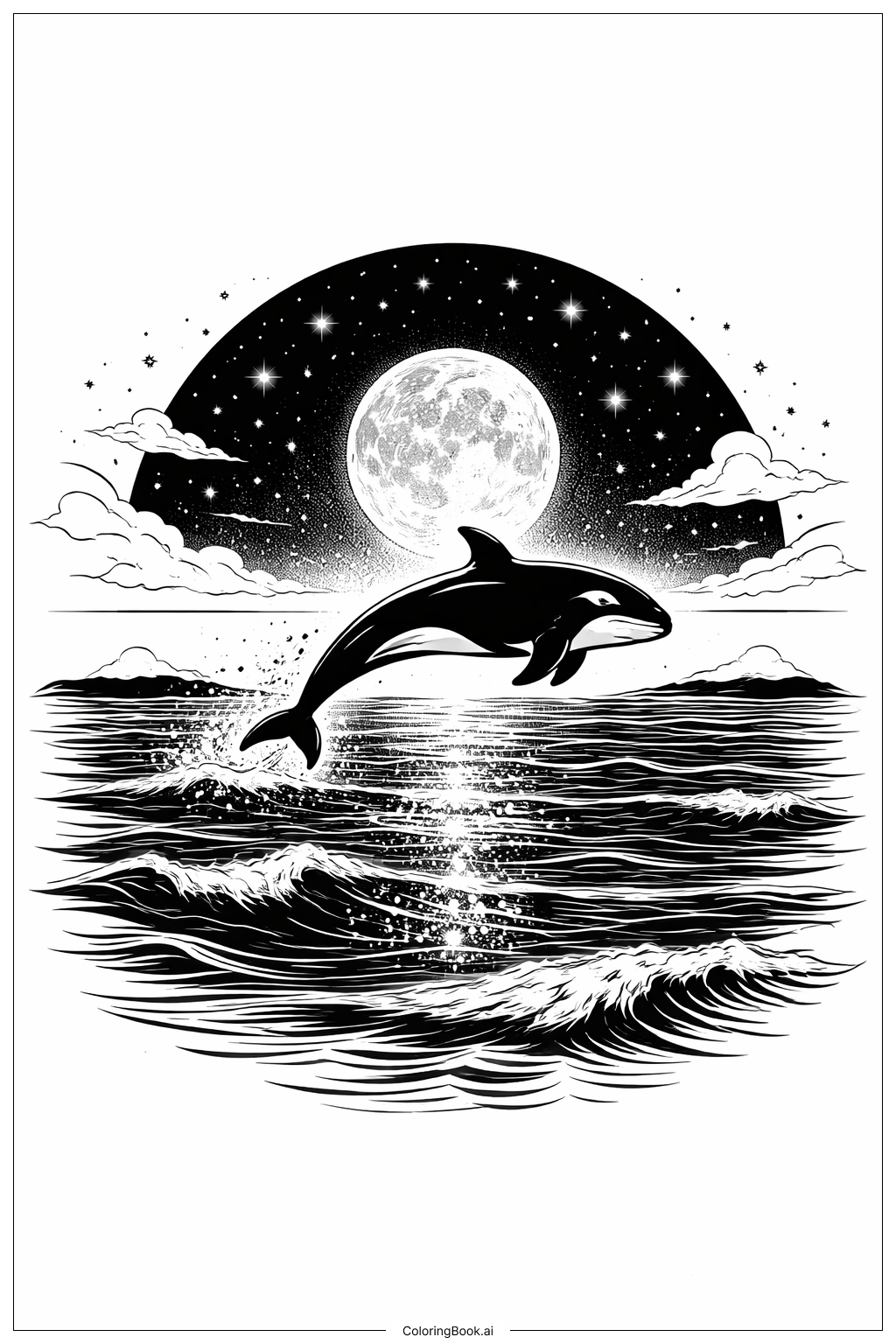
To color this image, start with the orca calf’s classic black and white body. Use deep black for the main body areas, and bright white for the belly, face patches, and under the fins. For the water around the calf, try using shades of blue—light blue near the surface and darker blue in deeper parts. You can add hints of green to show sea plants or sunlight sparkling on the water. Adding soft gray tones around the edges of the calf will create gentle shadows and make the image look more three-dimensional. Keep the colors bold and simple to highlight the orca’s natural beauty, and have fun experimenting with different blues to bring the ocean to life.
Coloring challenges: Which parts are difficult to color and need attention for Orca Calf With Smile coloring page?
• Orca Pattern Details: The orca has a distinctive black and white pattern that must be carefully colored to stay true to its natural look. Mixing up these areas can make the image look less realistic.
• Smooth Shading: Coloring the smooth curves of the calf’s body requires patience to blend colors well where black meets white. Sudden color changes can appear harsh.
• Water Ripples: The waves and ripples around the orca are delicate and subtle. Capturing their motion with color requires attention to light blues and whites without overwhelming the main subject.
• Facial Expression: The smile and eye regions have fine lines that are important to keep clear and crisp. Over-coloring here could distract from the calf’s sweet expression.
• Dorsal Fin Curves: The calf’s fin is small with elegant curves that need steady coloring to keep the shape smooth and defined. Uneven coloring may blur this detail.
Benefits of coloring books: Advantages of drawing Orca Calf With Smile coloring page
Coloring this orca calf image helps develop fine motor skills by encouraging precise movements to color the detailed patterns. It also enhances attention to detail since the black and white areas must be carefully separated and shaded smoothly. For children aged 4–16, it encourages learning about marine animals and their habitats, promoting curiosity about nature. The playful expression of the calf can inspire creativity and happiness, making coloring a joyful activity. Additionally, choosing different blues for the ocean waters provides practice in blending and understanding color variations. Overall, this coloring page supports both artistic growth and environmental appreciation.