Coloring tips: How to color Nemo Exploring Seaweed coloring page well?
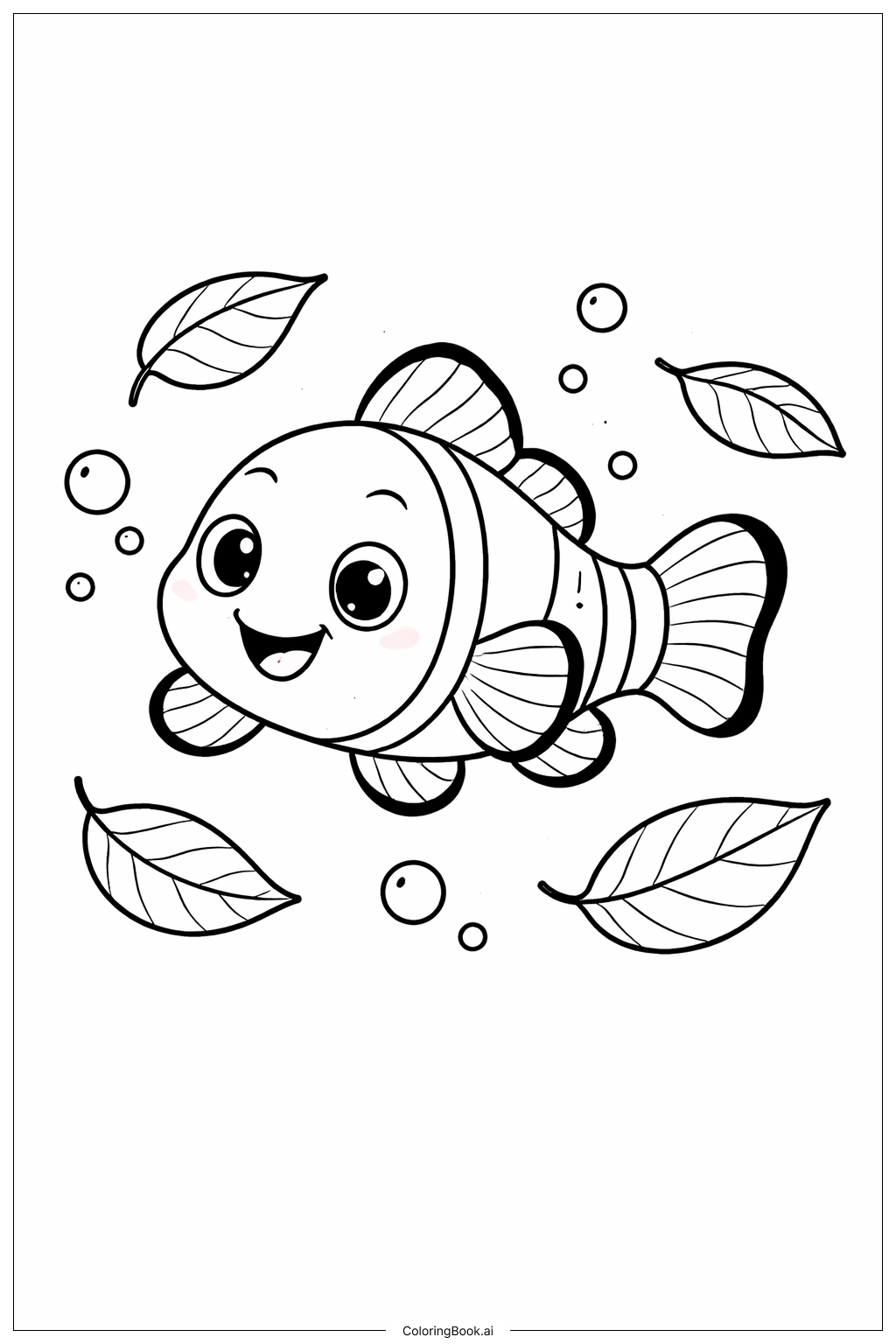
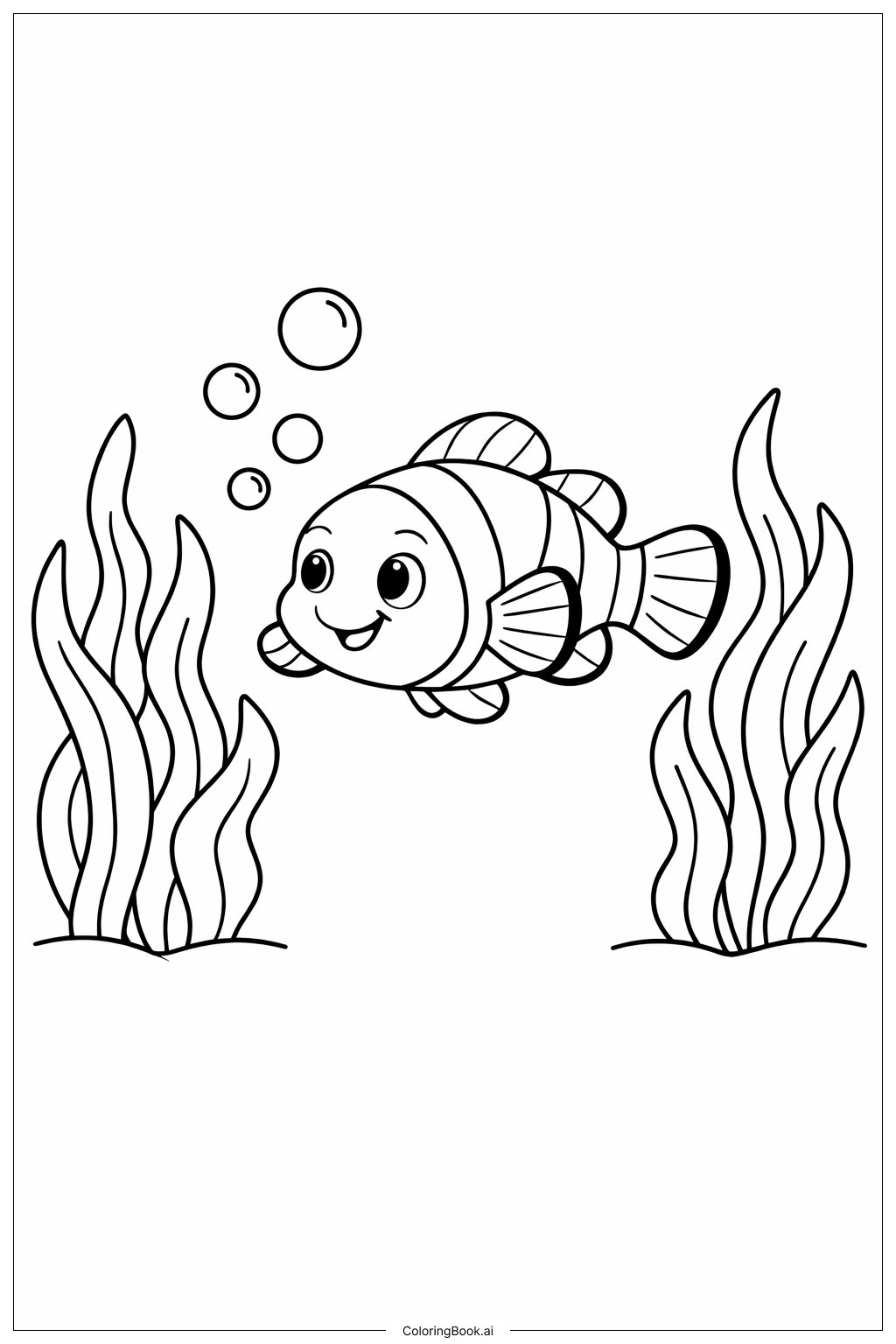
For Nemo, you can use bright orange for his body and white for his stripes. Use black to outline his stripes and fins. For the seaweed, try using different shades of green like light green and dark green to make it look natural. You can color each seaweed leaf with some variation to create depth. The bubbles can be left white or very light blue with a little shiny sparkle. For the background, you can use blue shades to show water, coloring lightly so the focus stays on Nemo and the seaweed. Remember to color slowly and stay inside the lines to make your picture neat and bright.
Coloring challenges: Which parts are difficult to color and need attention for Nemo Exploring Seaweed coloring page?
1. Nemo's stripes are small and close together, which can be tricky to color inside carefully.
2. The seaweed has thin and wavy leaves that require control to color without going outside the lines.
3. The bubbles are small and round, so they need gentle, light coloring or no coloring to keep them looking realistic.
4. Balancing bright colors on Nemo with softer colors on the seaweed and bubbles might be challenging but important for a good look.
5. Coloring the fins with tiny lines demands patience and attention to detail to avoid smudging.
Benefits of coloring books: Advantages of drawing Nemo Exploring Seaweed coloring page
Coloring this picture helps improve fine motor skills by practicing careful coloring inside small areas like Nemo's stripes and seaweed leaves. It encourages creativity by letting kids choose colors and experiment with shading the seaweed and water. This activity also boosts focus and patience as kids work on the tiny details. Coloring Nemo and the underwater scene introduces children to marine life and nature, making learning fun and visual. Overall, it supports hand-eye coordination and develops a love for art.