Coloring tips: How to color Nemo With Floating Leaves coloring page well?
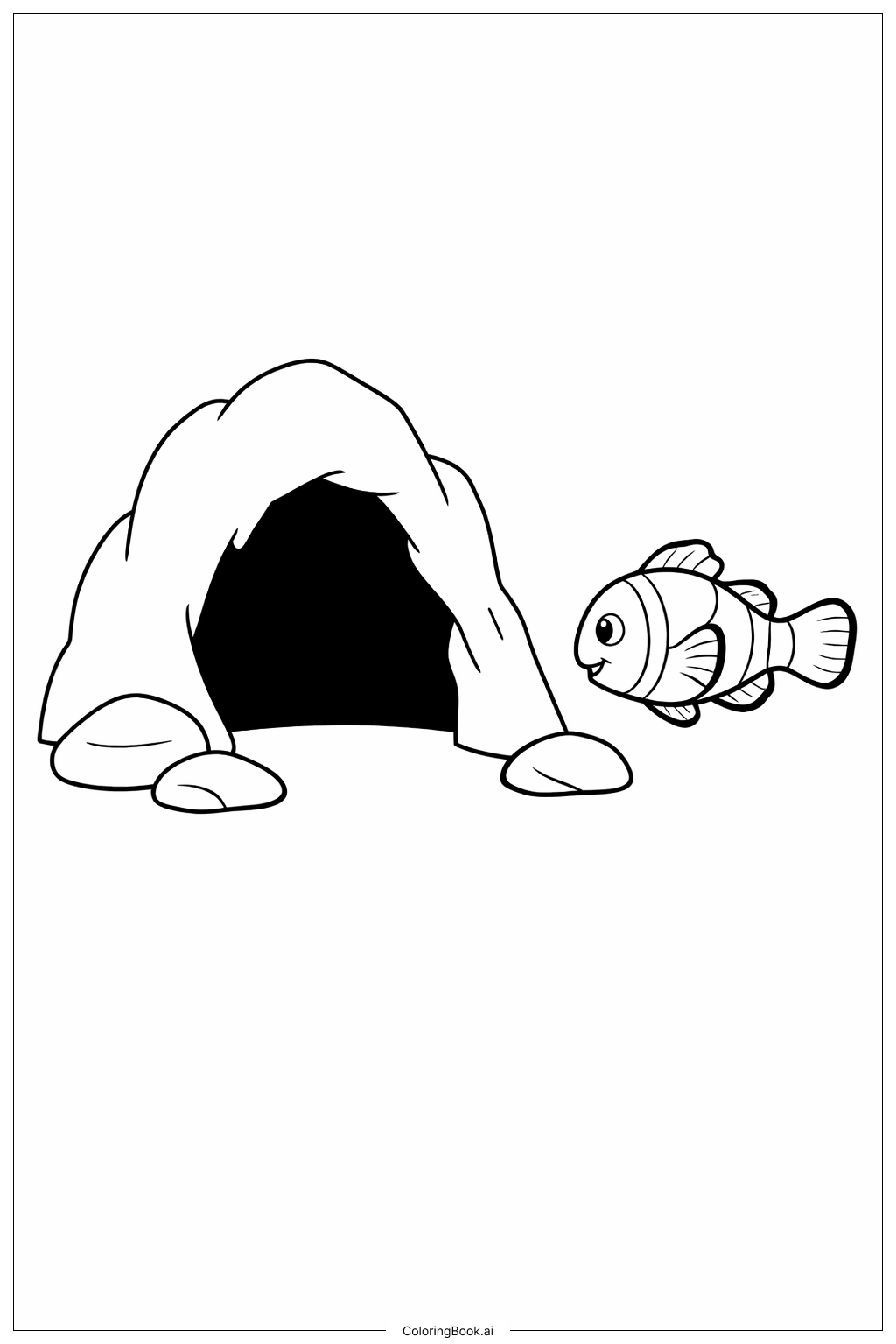
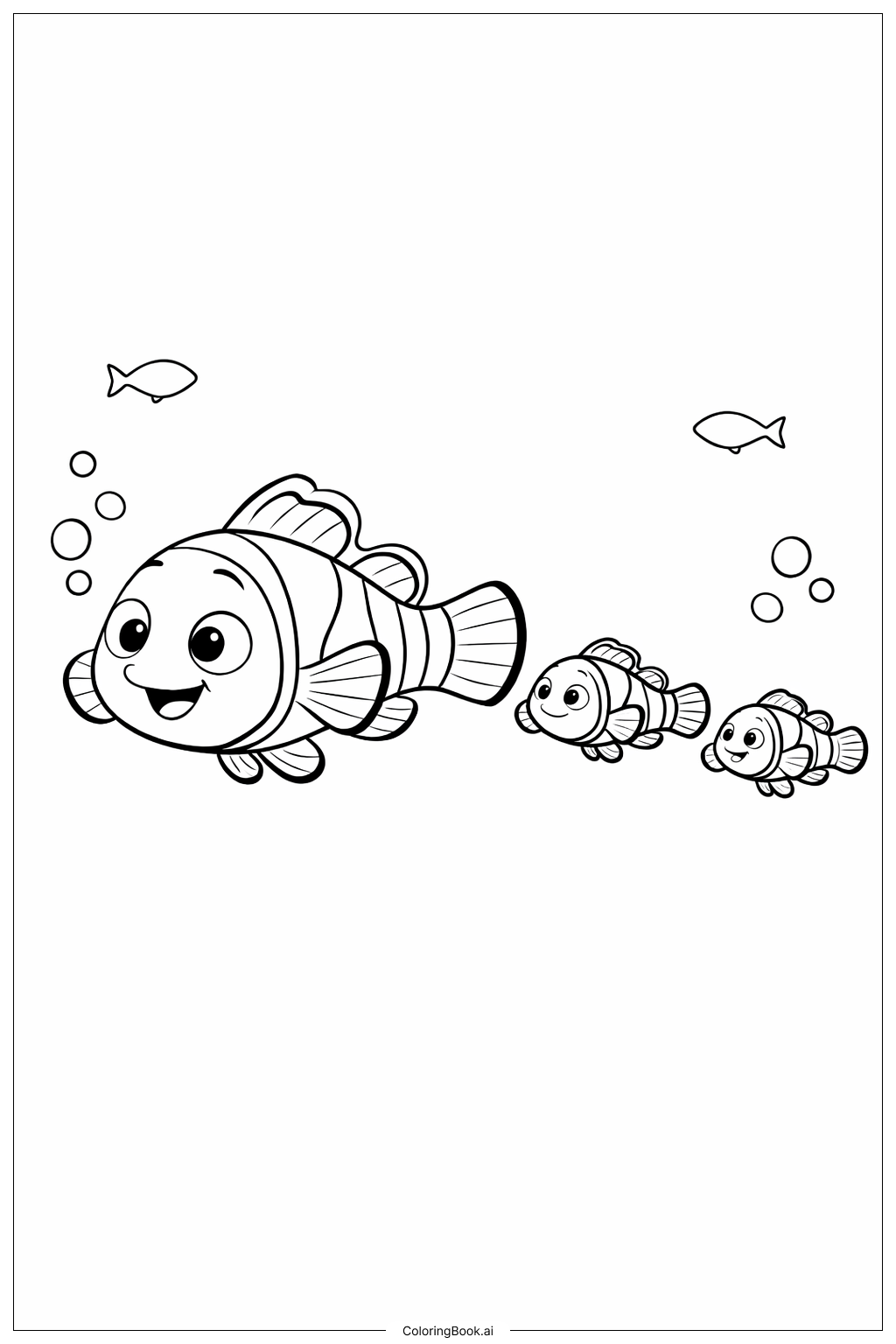
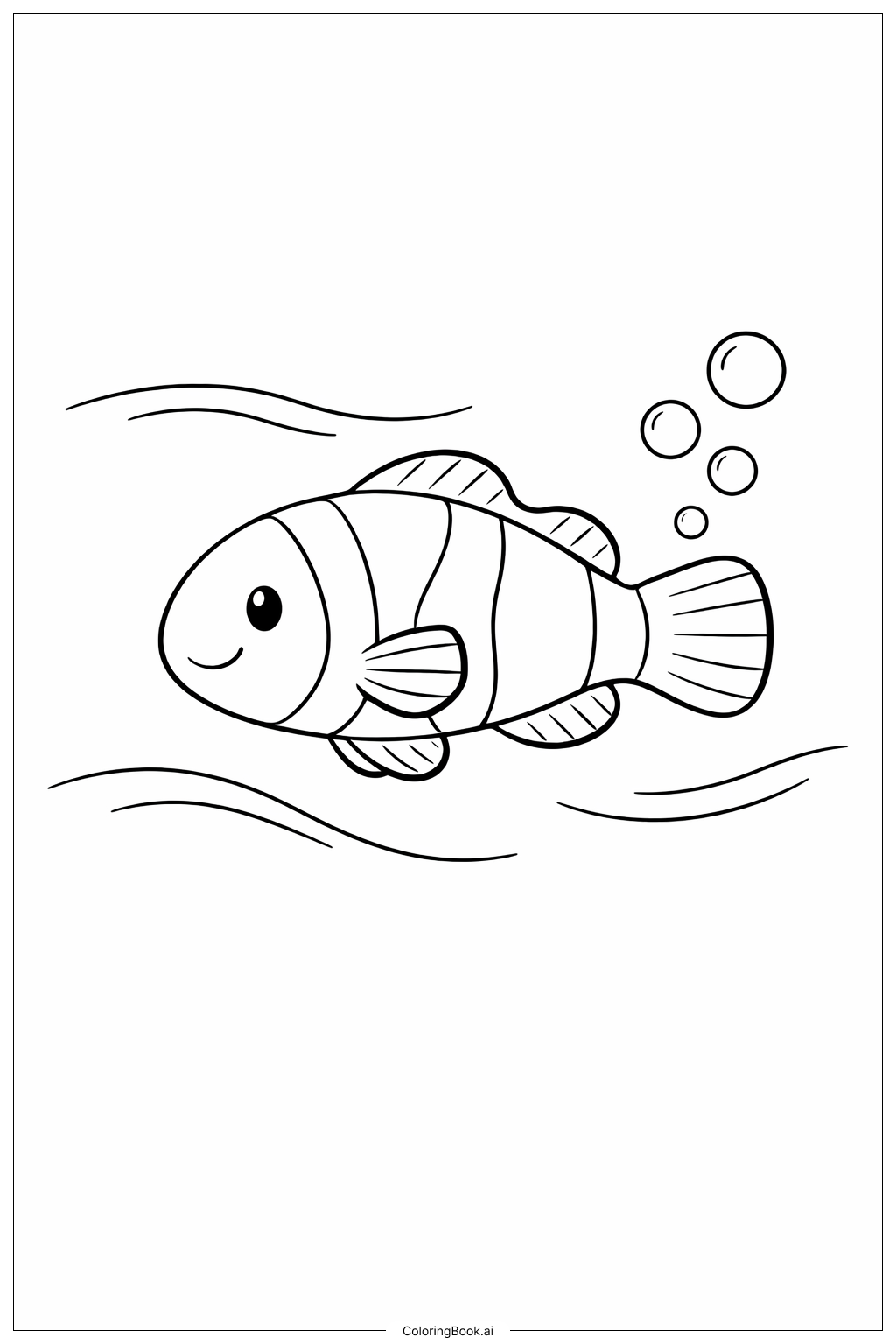
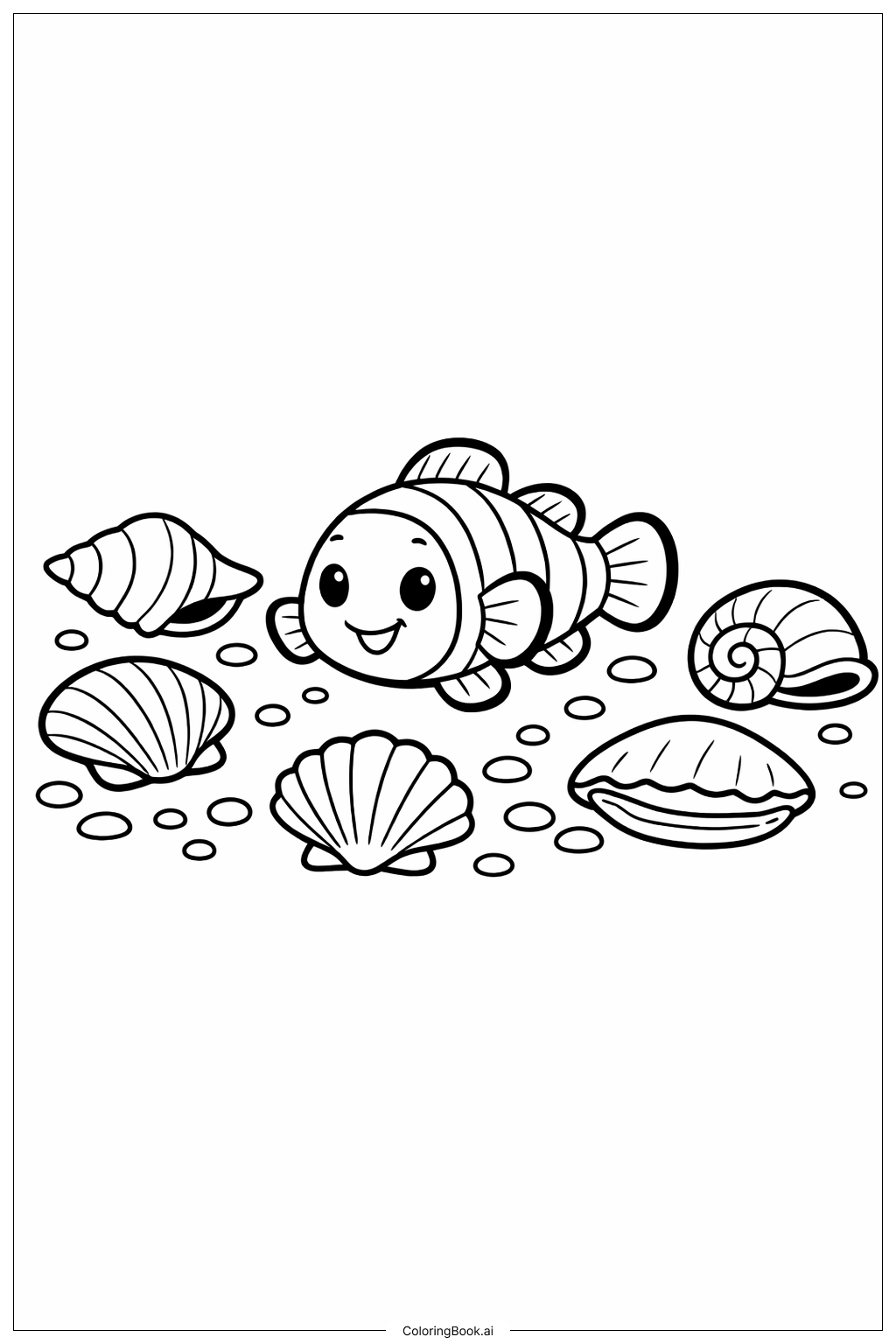
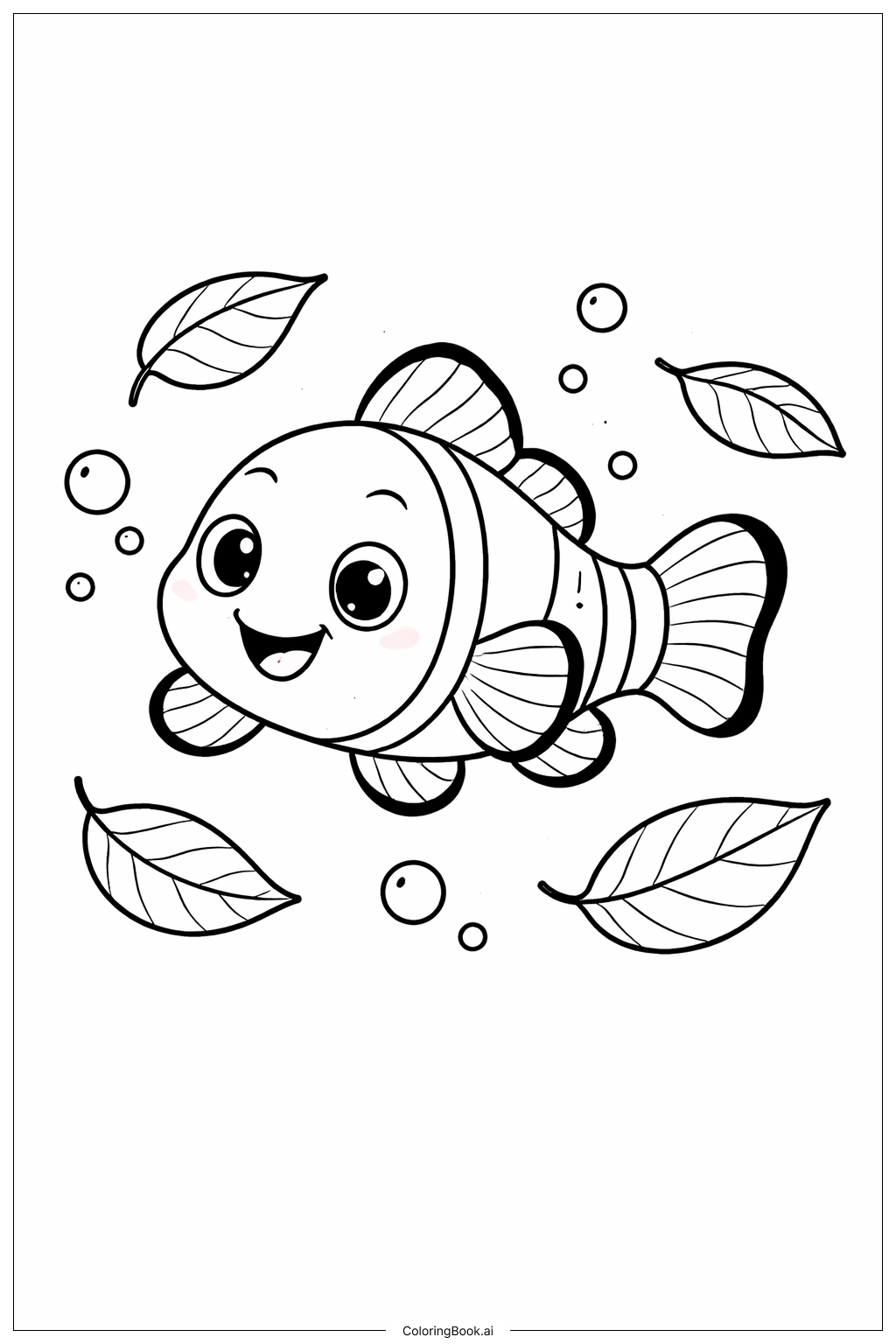
Use bright orange and white for Nemo’s body to make him look like a real clownfish. Color Nemo’s fins with a soft orange or yellow shade. Use green shades for the floating leaves to show they are fresh and lively. For the bubbles, use light blue or white with a touch of shine to make them look transparent. You can try blending colors lightly to give a soft underwater feeling. Don’t forget to color around Nemo and the leaves with soft blue or aqua to represent water, but keep it light so Nemo and the leaves stand out.
Coloring challenges: Which parts are difficult to color and need attention for Nemo With Floating Leaves coloring page?
1. Coloring Nemo's stripes neatly can be tricky because they have clear edges and need precision to keep the colors inside the lines. 2. The leaves have fine veins that require careful coloring to keep the details visible while filling in the color. 3. The bubbles are small and round, needing gentle shading to look transparent without coloring them too harshly. 4. Balancing bright colors on Nemo with softer tones on the leaves and bubbles can be challenging but helps make the picture lively. 5. Coloring the background water area softly without overpowering Nemo and the leaves may require controlled use of color and blending techniques.
Benefits of coloring books: Advantages of drawing Nemo With Floating Leaves coloring page
Coloring this picture helps improve fine motor skills as children carefully color small details like Nemo’s stripes, leaves, and bubbles. It encourages creativity by choosing colors to make the underwater scene bright and cheerful. The image also supports learning about aquatic animals, like clownfish, and natural elements like leaves and water bubbles. Coloring can be a relaxing activity that boosts focus and patience in young artists. Overall, it’s a fun way to develop art skills and learn about nature.