Coloring tips: How to color Nature Whale Wave coloring page well?
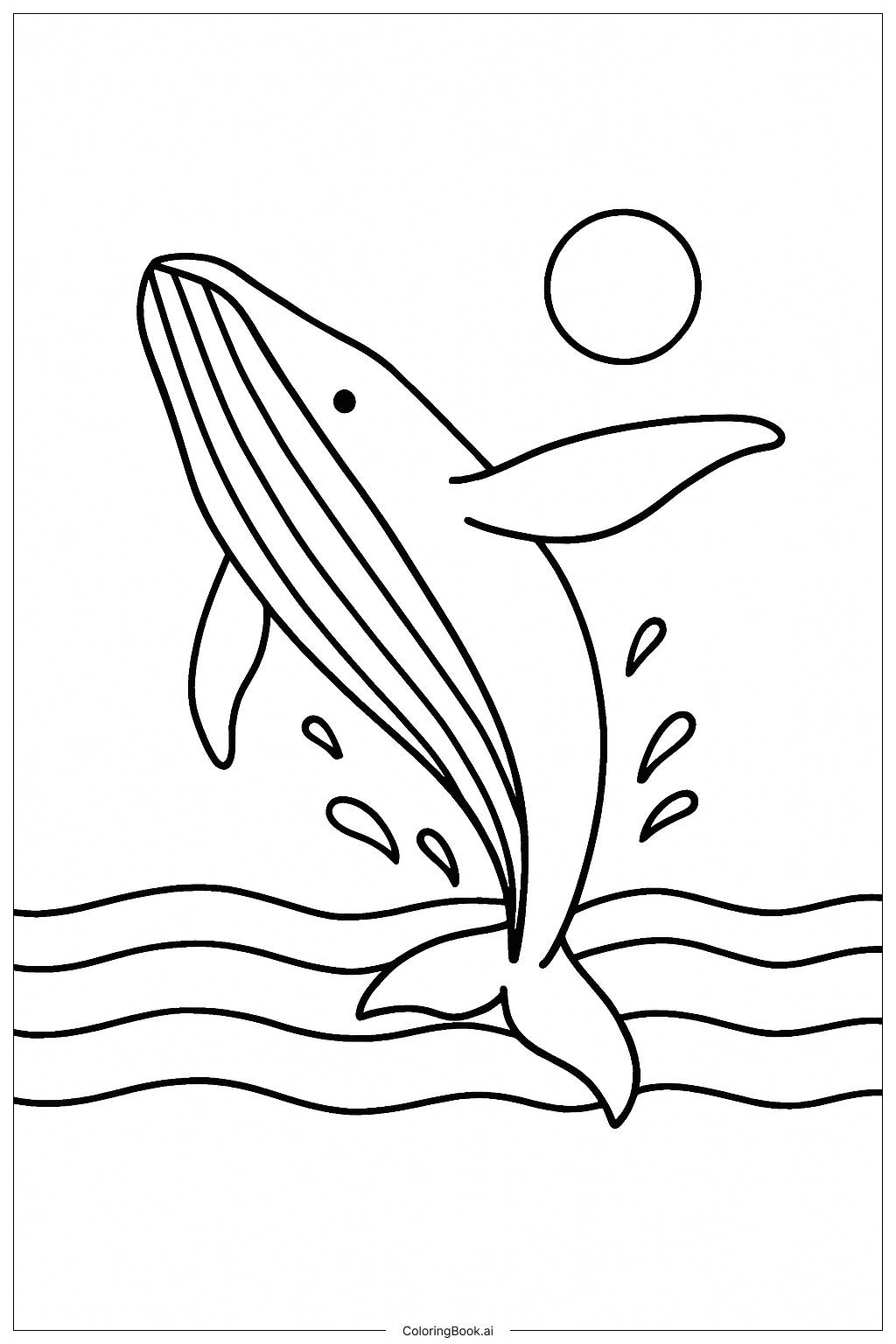
For the whale, use shades of blue or gray to make it look realistic. The water can be a lighter blue or even a mix of blue and green for a fun twist. The sun can be a bright yellow or orange, radiating warmth. Feel free to add other colors like coral or seaweed to the background to enhance the ocean scene. Remember to use contrasting colors to make the whale stand out against the waves.
Coloring challenges: Which parts are difficult to color and need attention for Nature Whale Wave coloring page?
1. The whale's details such as fins and stripes may be challenging. It requires careful coloring to create depth. 2. The waves have different sections that can blend together. Choosing distinct colors for each wave will help keep them separate. 3. The splash of water can be tricky; using light blues and whites will help create a soft look, but blending colors may take practice. 4. Making the sun vibrant while ensuring it doesn’t overpower the whale adds a balancing challenge. Artists must think about color intensity. 5. Lastly, ensuring the entire scene is cohesive without overwhelming parts with too many colors demands thoughtful planning.
Benefits of coloring books: Advantages of drawing Nature Whale Wave coloring page
Coloring this page encourages creativity and relaxation. It helps children practice fine motor skills as they control their coloring tools. Choosing colors for the whale and ocean allows for expression and personal style. Working on this artwork can improve focus and patience. Additionally, learning about marine life through coloring can spark an interest in nature and conservation.