Coloring tips: How to color Nature Otter River coloring page well?
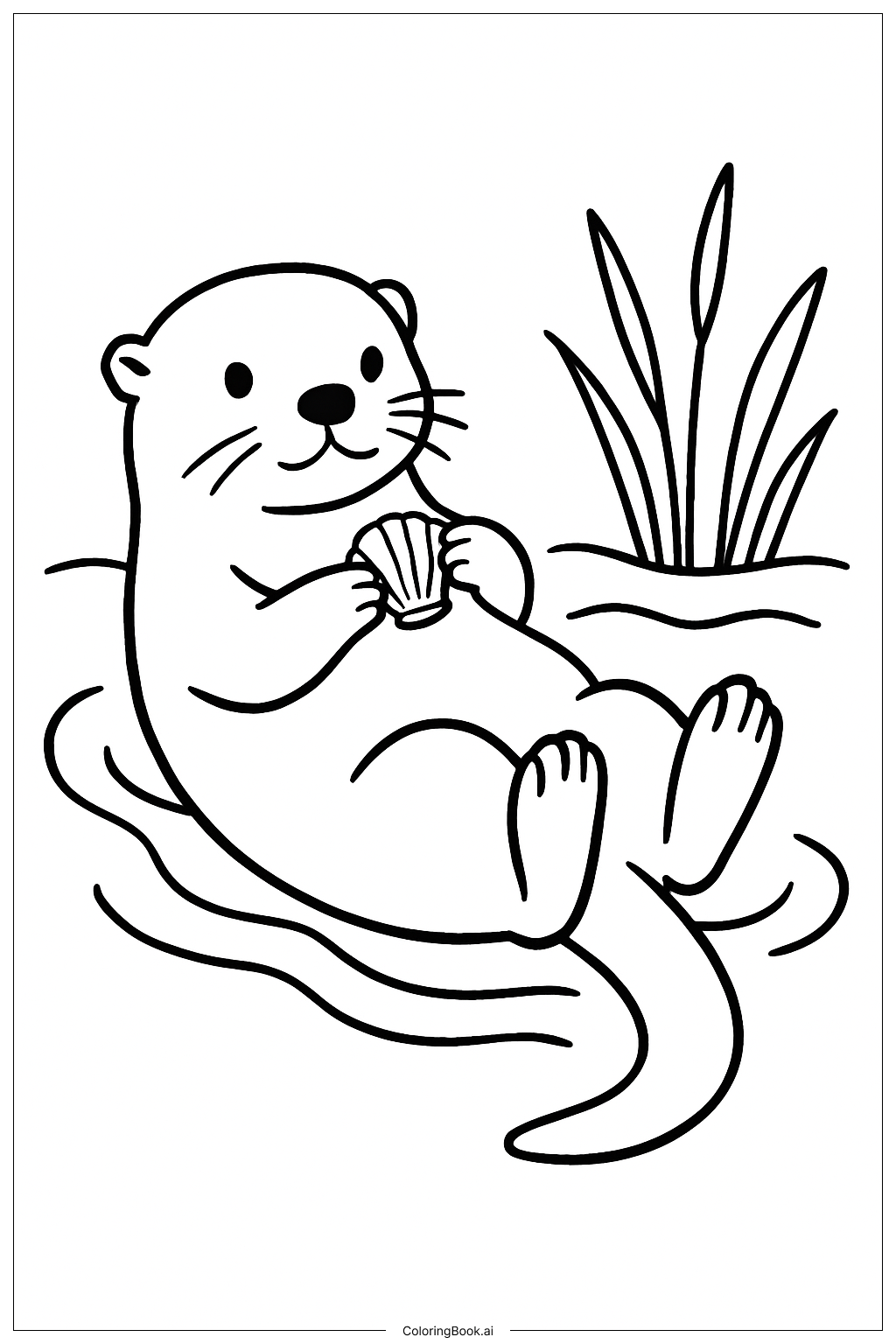
When coloring the otter, use soft browns and tans for its fur. You can make the shell bright with colors like yellow or pink. For the water, consider shades of blue and green to give it a lively look. The grasses can be colored with different shades of green to show variety. This will help bring the scene to life and make it vibrant and fun.
Coloring challenges: Which parts are difficult to color and need attention for Nature Otter River coloring page?
1. The otter has many curves and small details that need careful coloring. It’s important to stay within the lines, so take your time. 2. The water has wavy lines, making it tricky to show movement and depth. Choosing the right shades to blend can be challenging. 3. The shell has patterns that require precision. Coloring it evenly can be hard, especially if you want to add highlights or shadows. 4. The grass has different shapes and heights. Carefully deciding how to color each piece can be complex but fun. 5. Blending two or more colors can be a skill to learn, especially for the water and the otter’s fur.
Benefits of coloring books: Advantages of drawing Nature Otter River coloring page
Coloring this picture can help improve fine motor skills. Kids will practice holding crayons and controlling their movements. It encourages creativity; children can choose their own colors and designs. This activity can also be very relaxing and reduce stress. It gives a sense of accomplishment when finished. Plus, learning about otters and nature while coloring can increase knowledge about wildlife.