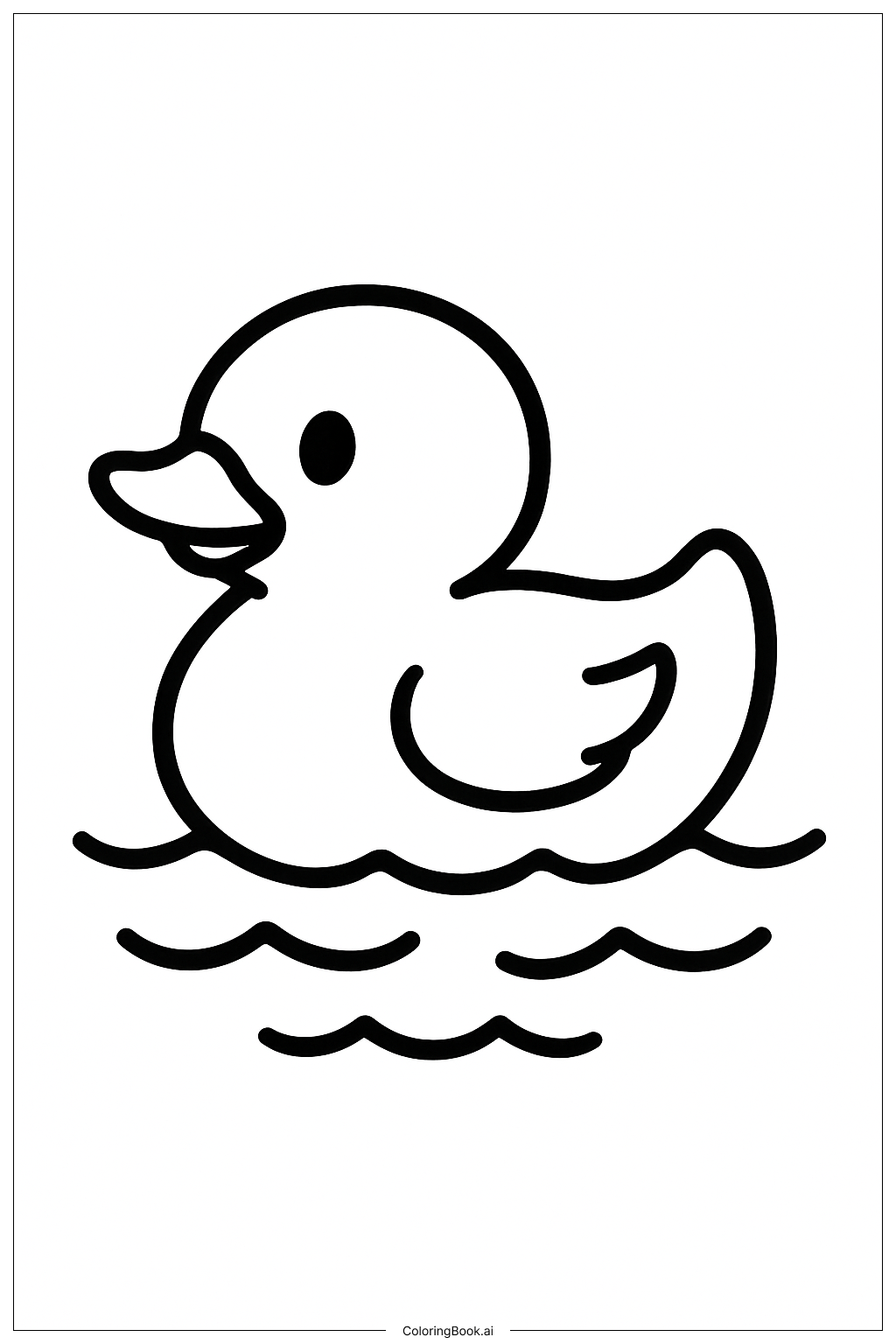
Coloring tips: How to color Nature Pond Duck coloring page well?
Use warm browns, soft yellows, and hints of green to color the duck’s feathers for a natural look. The water can be a mix of light and dark blues with gentle strokes to show ripples and reflections. Use vibrant greens for the grasses and reeds, and add some bright colors like pink or white for any flowers or lily pads. Try blending different shades of green to give depth to the plants. You can also color the sky softly with light blue or pastel colors to create a calming background. Feel free to use your favorite colors to make the scene lively and unique.
Coloring challenges: Which parts are difficult to color and need attention for Nature Pond Duck coloring page?
• Feather Details: The duck’s feathers contain many small shapes and patterns that require careful coloring to stay inside the lines and capture the texture. • Water Ripples: The water has overlapping lines and reflections that can be tricky to shade smoothly while showing movement. • Plant Variety: Different plants like reeds, grasses, and lily pads use different shades of green and shapes, which can be challenging to color distinctly without blending them together. • Layering: Coloring layers like the duck on water and plants at varying distances need thoughtful color choices to show depth and separation. • Small Details: Tiny elements like flowers, twigs, and ripples require patience and fine coloring control to enhance the overall image without clutter.
Benefits of coloring books: Advantages of drawing Nature Pond Duck coloring page
Coloring this nature pond duck scene helps improve focus and patience as you work on the fine details. It encourages observation skills by noticing the different textures and natural colors in the environment. This activity also promotes creativity, allowing you to experiment with color blending and shading to create a lively and peaceful pond. Coloring nature scenes like this one can reduce stress and stimulate a love for the outdoors. It’s a great way for children and adults alike to connect with nature through art, developing both fine motor skills and an appreciation for wildlife.