Coloring tips: How to color Nature Little Turtle coloring page well?
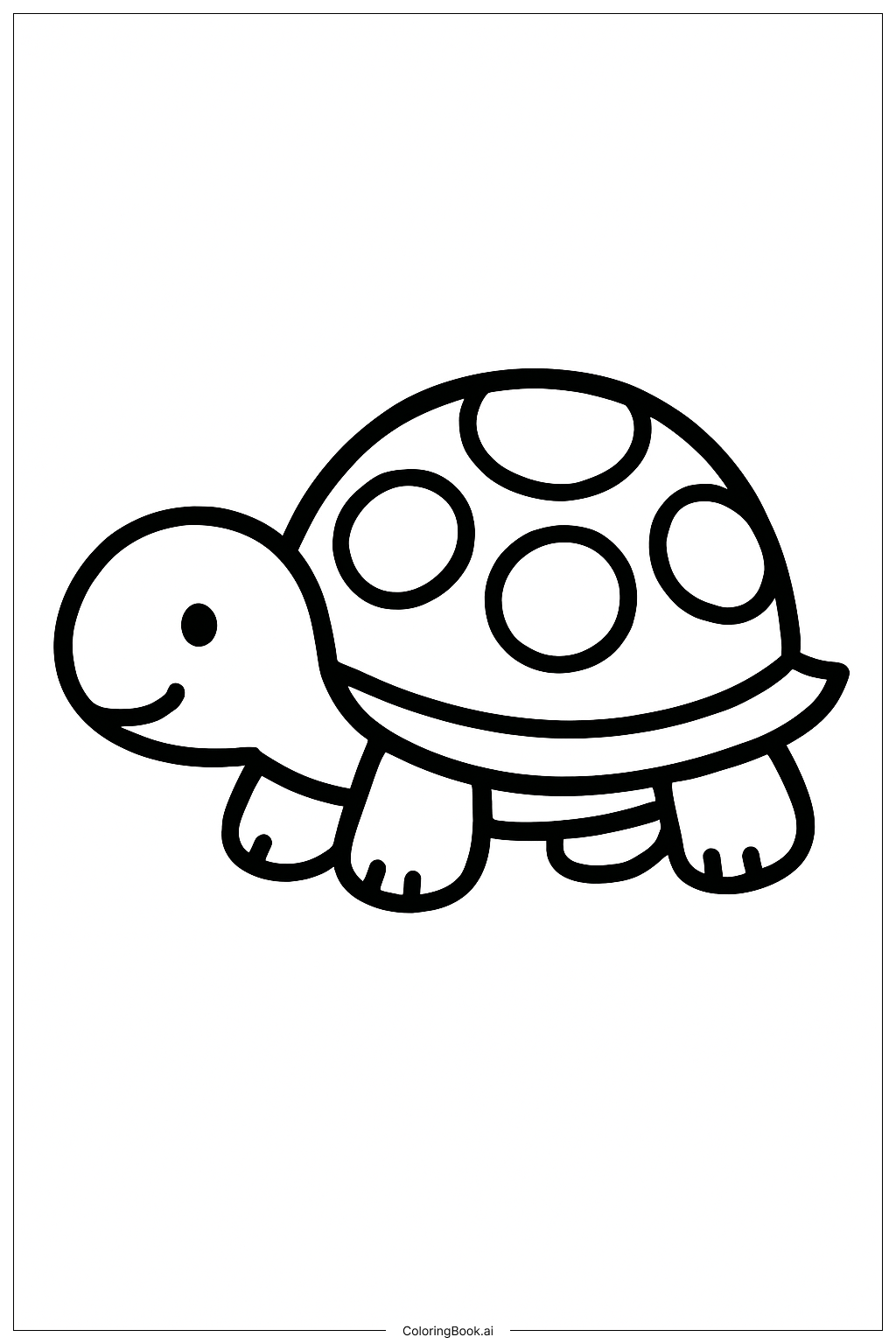
For this adorable turtle, consider using shades of green, yellow, and brown for the shell. You can make the spots bright colors like red, blue, or orange for a fun contrast. The turtle's head can be a light tan or cream color. You might even use a shade of blue or green for the background to represent water or grass. Get creative with your colors and don't be afraid to mix different shades!
Coloring challenges: Which parts are difficult to color and need attention for Nature Little Turtle coloring page?
Coloring this turtle may have a few challenges. First, the spots on the shell can be tricky to color neatly. Children might need to be careful not to go outside the lines. Second, blending different colors for the shell can be a bit difficult, especially for younger kids. They might need guidance on how to blend colors smoothly. Third, adding different colors for the legs and head without making them look too busy can be challenging. It's important to choose shades that complement each other. Finally, if kids want to create a background, they may need to plan where to place colors to ensure everything matches well.
Benefits of coloring books: Advantages of drawing Nature Little Turtle coloring page
Coloring this turtle offers many benefits for children. It enhances their creativity as they choose colors and imagine different designs. It also improves fine motor skills, helping them develop better control over their coloring tools. Concentration is another important benefit; focusing on coloring requires attention and patience. Coloring can also be a great way to relieve stress and express emotions. Most importantly, this activity provides an enjoyable way to learn about nature and animals, making it educational while being fun.