Coloring tips: How to color Nature Little Bee coloring page well?
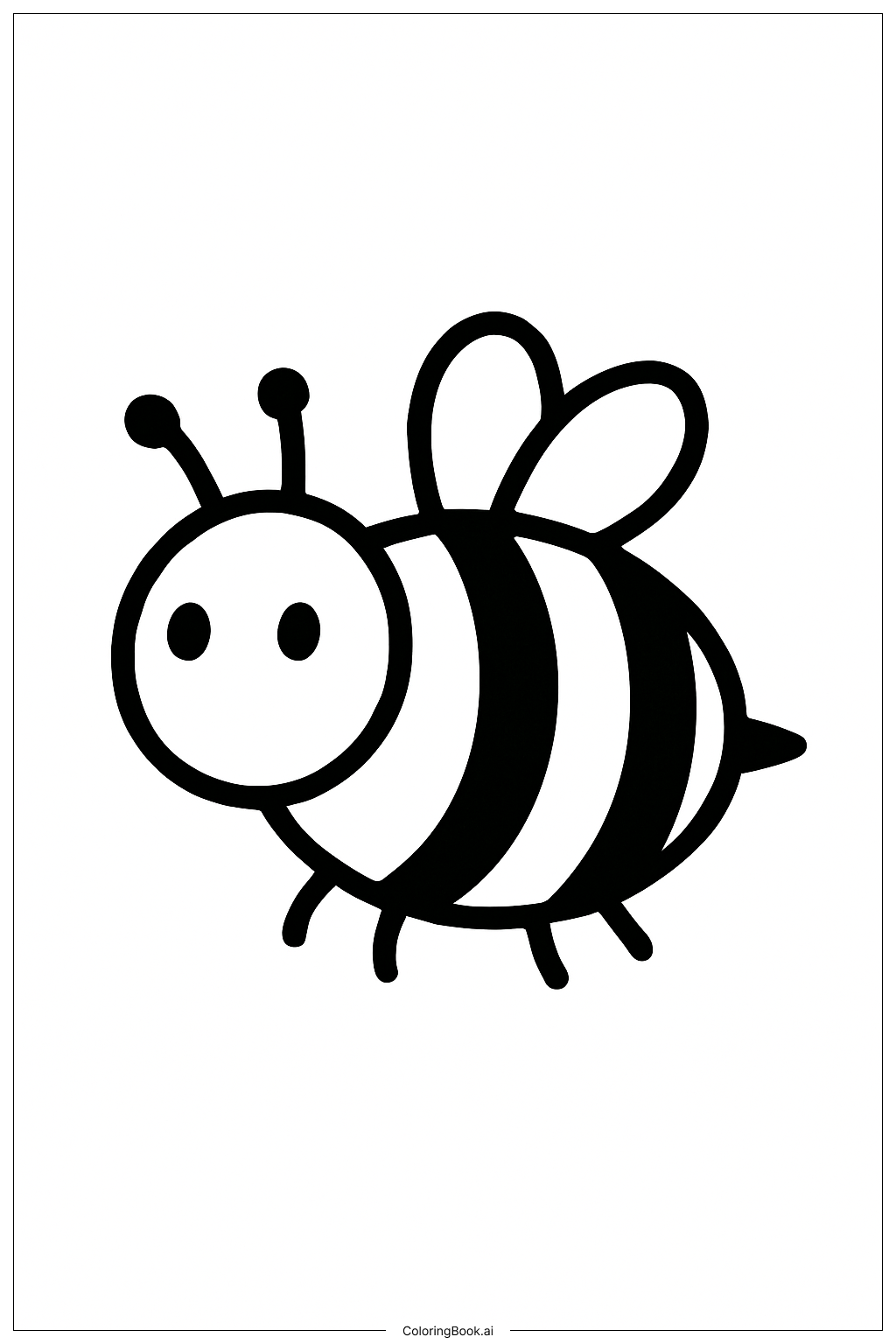
When coloring this bee, you can use classic yellow and black for the stripes. For the wings, a light blue or pale green will look nice, making them appear delicate and airy. Consider adding some sparkle or shine with white highlights on the wings. The bee's eyes can be colored bright blue or green to give it a lively look. You might also want to color the background with flowers or a sunny sky, creating a cheerful scene. Get creative with colors; there are no rules in coloring!
Coloring challenges: Which parts are difficult to color and need attention for Nature Little Bee coloring page?
1. The stripes can be challenging to color evenly, especially for younger children. Using thicker coloring tools may help in getting consistent color between the black and yellow stripes. 2. Coloring the wings may require careful attention to not go over the lines. Kids should practice their control to make the wings look neat and pretty. 3. Creating a background can also be tricky, as it requires blending different colors well. Children must think about how to combine colors harmoniously. 4. Adding details like sparkles or additional elements can be complex, necessitating patience and fine motor skills. Kids might need guidance to make these smaller details stand out.
Benefits of coloring books: Advantages of drawing Nature Little Bee coloring page
Coloring this bee brings many benefits. First, it helps improve fine motor skills as children practice holding crayons or markers. This strengthens hand muscles, which is essential for future writing skills. Next, coloring encourages creativity and imagination; kids can choose any colors they like. This freedom helps develop their own artistic style. Additionally, it provides a sense of accomplishment when they finish coloring. It can also be a relaxing activity, helping children focus and reduce stress. Most importantly, coloring can spark curiosity about nature and bees, promoting environmental awareness.