Coloring tips: How to color Nature Bird Nest coloring page well?
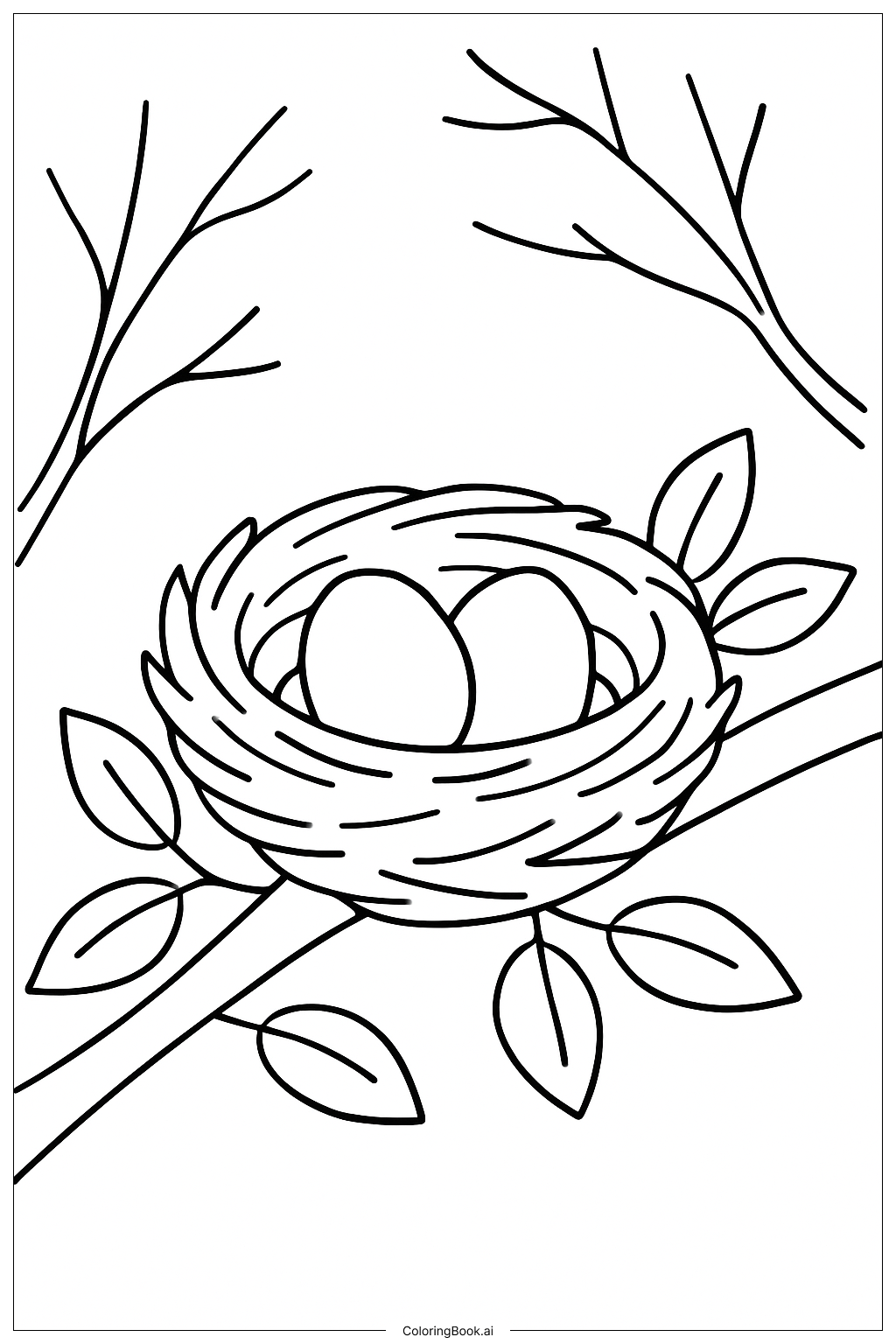
Start with earthy browns and tans for the nest, using different shades to show the layered twigs and texture. Color the baby birds in soft yellows or light browns with bright orange or yellow beaks to show their hunger. The parent birds can be colored in natural tones like blue, red, brown, or gray depending on your favorite bird species. Use various shades of green for the leaves, from light spring greens to deeper forest tones, adding yellow-green highlights where sunlight might touch them. The berries offer a chance to add pops of bright red, blue, or purple. Don't forget to color the branches in natural wood tones, using lighter and darker browns to create dimension and make the bark look realistic.
Coloring challenges: Which parts are difficult to color and need attention for Nature Bird Nest coloring page?
• Nest Texture Details: The interwoven twigs and grass strands in the nest require careful attention to create a realistic woven appearance. Young colorists may find it challenging to distinguish between individual pieces and maintain consistent shading throughout the complex structure. Using multiple brown tones and following the direction of each strand helps achieve a three-dimensional effect.
• Leaf Vein Patterns: The leaves feature detailed vein structures that need delicate coloring to appear natural. Staying within the thin lines while creating smooth color transitions from the center vein to the leaf edges can be tricky. Consider using lighter greens near the veins and gradually darkening toward the edges, or adding subtle yellow highlights to bring the foliage to life.
• Bird Feather Graduation: Creating realistic feather textures on both parent and baby birds requires smooth color blending and understanding of light direction. Baby birds need softer, fluffier appearances with gentle shading, while adult birds benefit from more defined feather patterns. Maintaining consistency across multiple birds while giving each character adds complexity.
• Small Detailed Elements: The tiny berries, individual branch textures, and the birds' small features like eyes and beaks demand precision and steady hand control. These small areas can be challenging for younger children but offer excellent opportunities to practice fine motor skills and attention to detail.
Benefits of coloring books: Advantages of drawing Nature Bird Nest coloring page
Coloring this Nature Bird Nest page offers wonderful educational and developmental benefits. Children learn about bird families, nesting behaviors, and the natural world while improving their fine motor skills through detailed coloring work. The intricate nest structure and leaf patterns help develop patience and concentration as young artists carefully work through complex areas. This scene encourages creative color choices while teaching about realistic nature colors, allowing children to express themselves while learning about wildlife. The family theme promotes discussions about caring, nurturing, and family bonds in the animal kingdom. Completing this detailed page builds confidence and provides a sense of accomplishment, while the calming nature subject matter helps reduce stress and promotes mindfulness and relaxation for colorists of all ages.