Coloring tips: How to color Nature Baby Deer coloring page well?
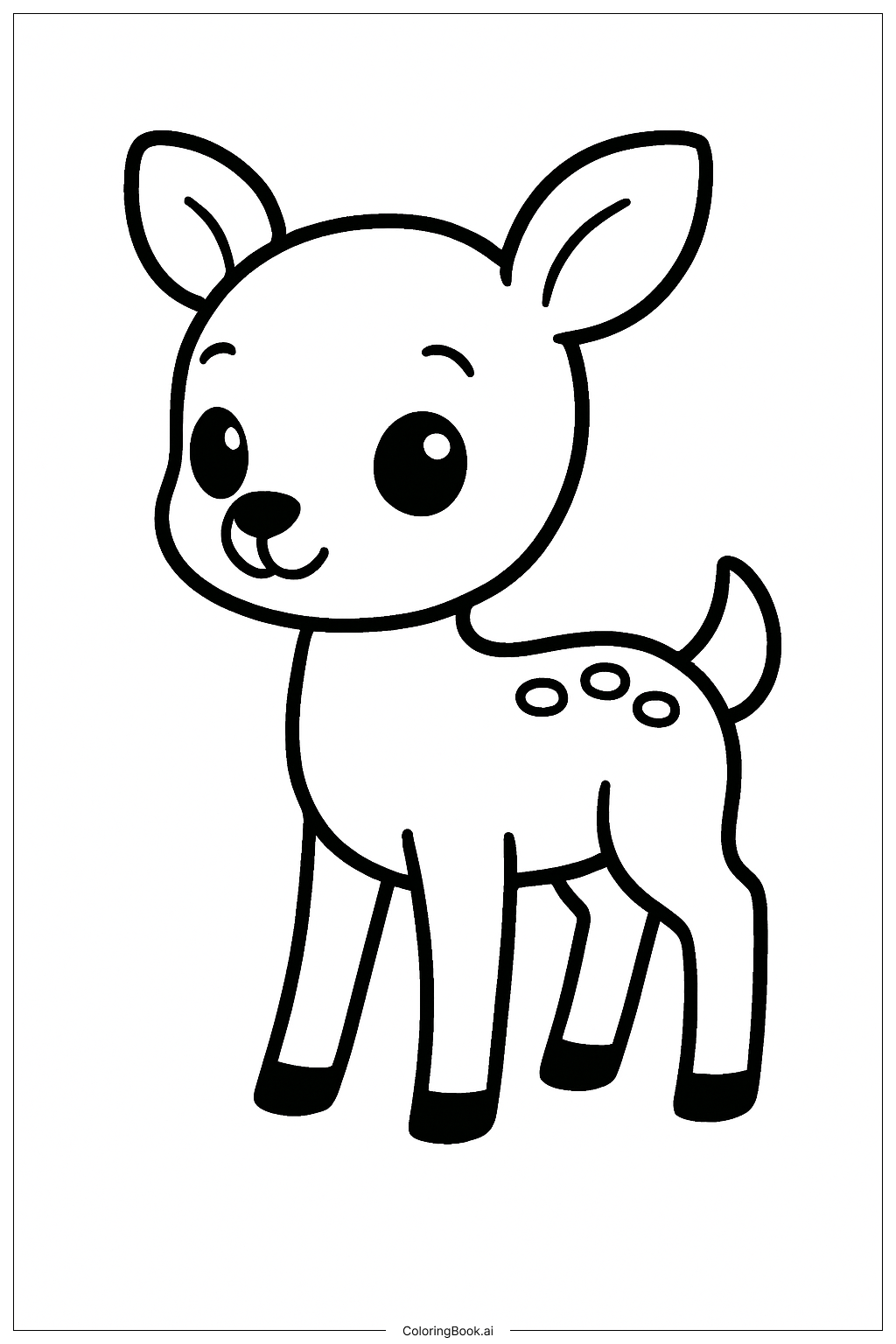
Start with the baby deer's body using warm shades of light brown or tan. Add soft white or cream spots across the back to give the fawn its classic look. Use darker brown for the hooves, nose, and the edges of the ears. Color the large eyes with deep brown or black, leaving a small white spot to create a shiny, lively look. For the background forest, use several shades of green for the leaves and grass to add depth. Try yellow-green for sunlit leaves and darker green for shaded areas. Color the wildflowers in bright, cheerful colors like yellow, pink, and purple. Use light blue or soft lavender for any sky peeking through the trees. The butterflies can be painted in bright orange, yellow, or even rainbow colors to make them pop. Blend colors smoothly where shapes meet to give the whole scene a soft, natural feel. Take your time and enjoy every small detail.
Coloring challenges: Which parts are difficult to color and need attention for Nature Baby Deer coloring page?
• Deer Fur Texture: The baby deer's body is covered in fine lines that suggest soft fur. Staying within these small areas while blending light and dark browns to create a realistic, fluffy look can be tricky. Using colored pencils with a light hand and layering colors gradually will help achieve a natural, smooth fur effect without making the coat look flat or too dark.
• Spot Patterns: The classic white spots on a fawn's back are a defining feature, but preserving them while coloring around the surrounding fur requires careful attention. Coloring around each spot with steady strokes and leaving those areas white or very light will keep the spots looking clean and natural. Using a white gel pen to restore spots after coloring is a helpful trick.
• Detailed Eyes: The large, expressive eyes of the baby deer are a focal point of the image. Getting the eyes right, including the dark pupil, the warm brown iris, and the tiny white highlight, takes patience and precision. Using fine-tipped tools and working in small, controlled layers helps capture the gentle, lifelike quality of the fawn's gaze.
• Layered Background Foliage: The forest background contains overlapping leaves, stems, flowers, and grass blades at different depths. Distinguishing near and far elements through color variation, such as brighter greens in front and muted greens behind, requires planning. Working from back to front and varying your green shades will help the scene feel three-dimensional.
• Tiny Wildflower Details: The small wildflowers scattered across the ground have delicate petals and thin stems. Coloring each petal individually without smudging neighboring areas calls for steady hands and fine-tipped coloring tools.
Benefits of coloring books: Advantages of drawing Nature Baby Deer coloring page
Coloring this baby deer scene offers wonderful benefits for children and adults alike. For younger children, carefully filling in the deer's spots, fur, and the surrounding flowers builds fine motor skills and hand-eye coordination. Learning to stay within lines and control a crayon or colored pencil strengthens the small muscles used for writing and drawing.
The peaceful nature theme encourages kids to connect with the natural world. As they choose colors for leaves, flowers, and the fawn's coat, they learn about the colors found in real forests and wildlife, building early science and nature awareness in a fun, creative way.
For older children and adults, blending colors to create realistic fur texture and layered greenery offers a satisfying creative challenge. This kind of focused, detailed work promotes mindfulness and helps reduce stress. Concentrating on a calm, beautiful scene like this one gives the mind a gentle break from screens and everyday pressures.
Coloring also builds color theory knowledge. Choosing warm browns for the deer and a variety of greens for the forest teaches natural color relationships in a hands-on way. Completing the full scene, from the fawn's shining eyes to the last tiny butterfly wing, gives a strong sense of accomplishment and pride that boosts confidence at any age.