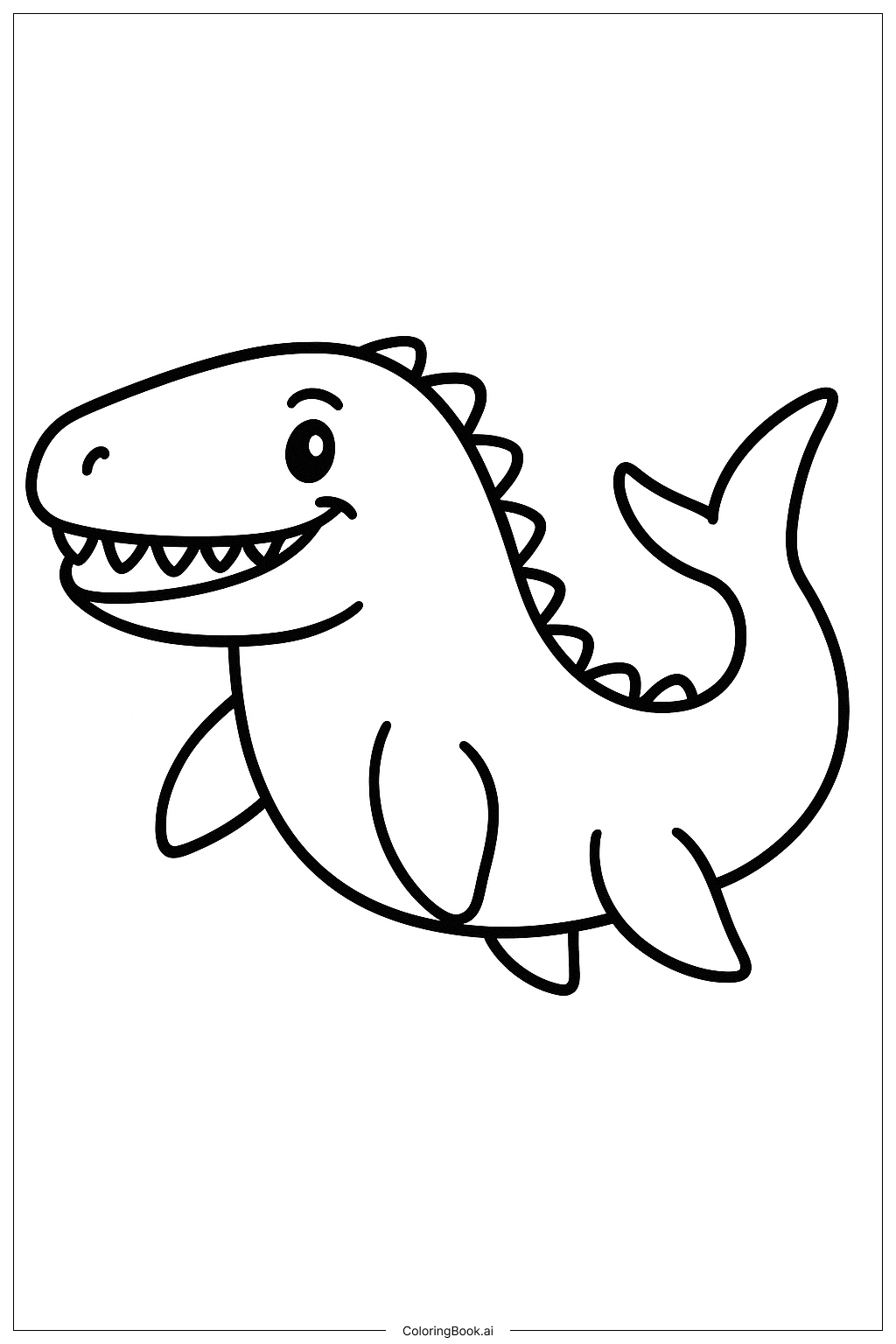
Coloring tips: How to color Mosasaurus Friendly Smile coloring page well?
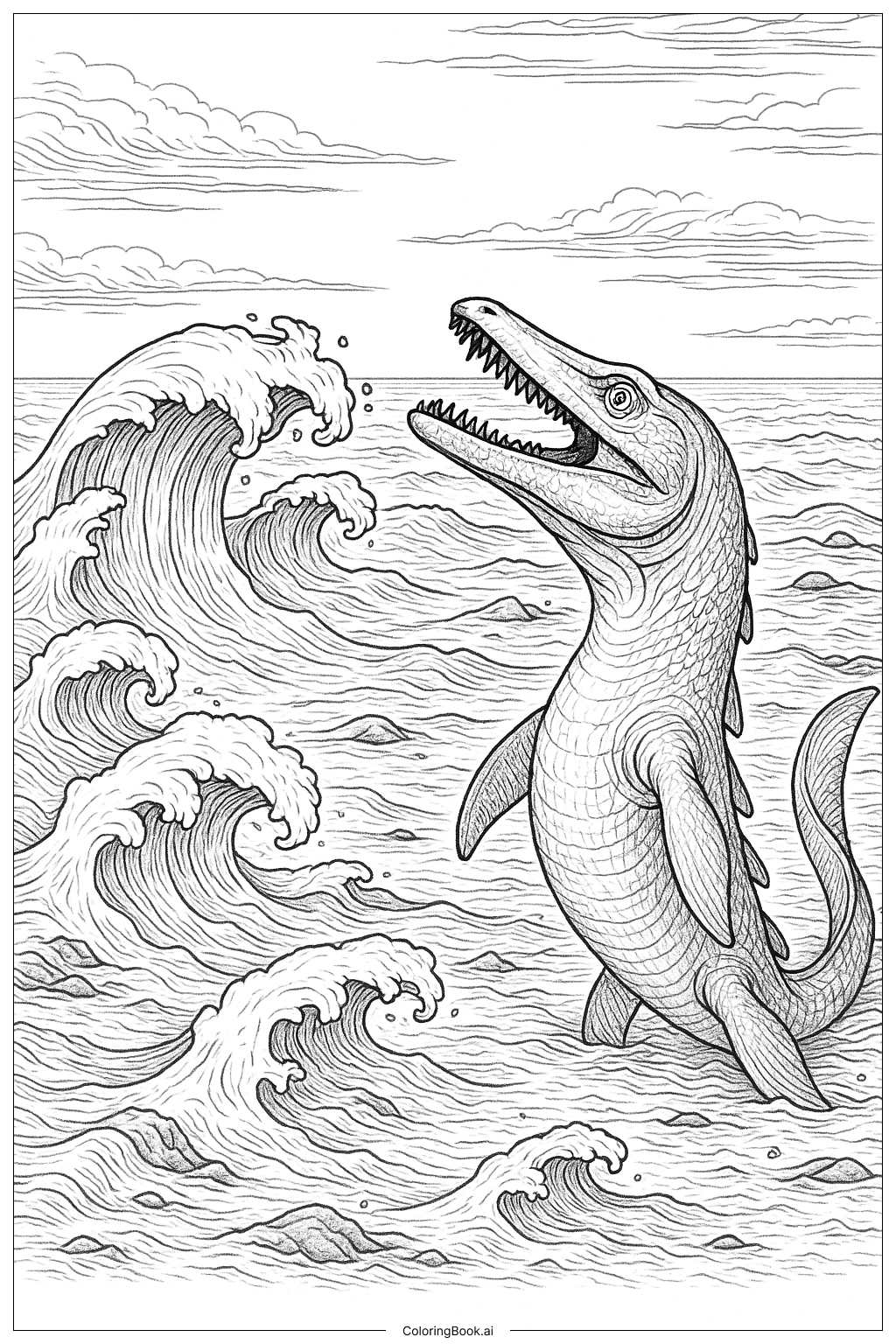
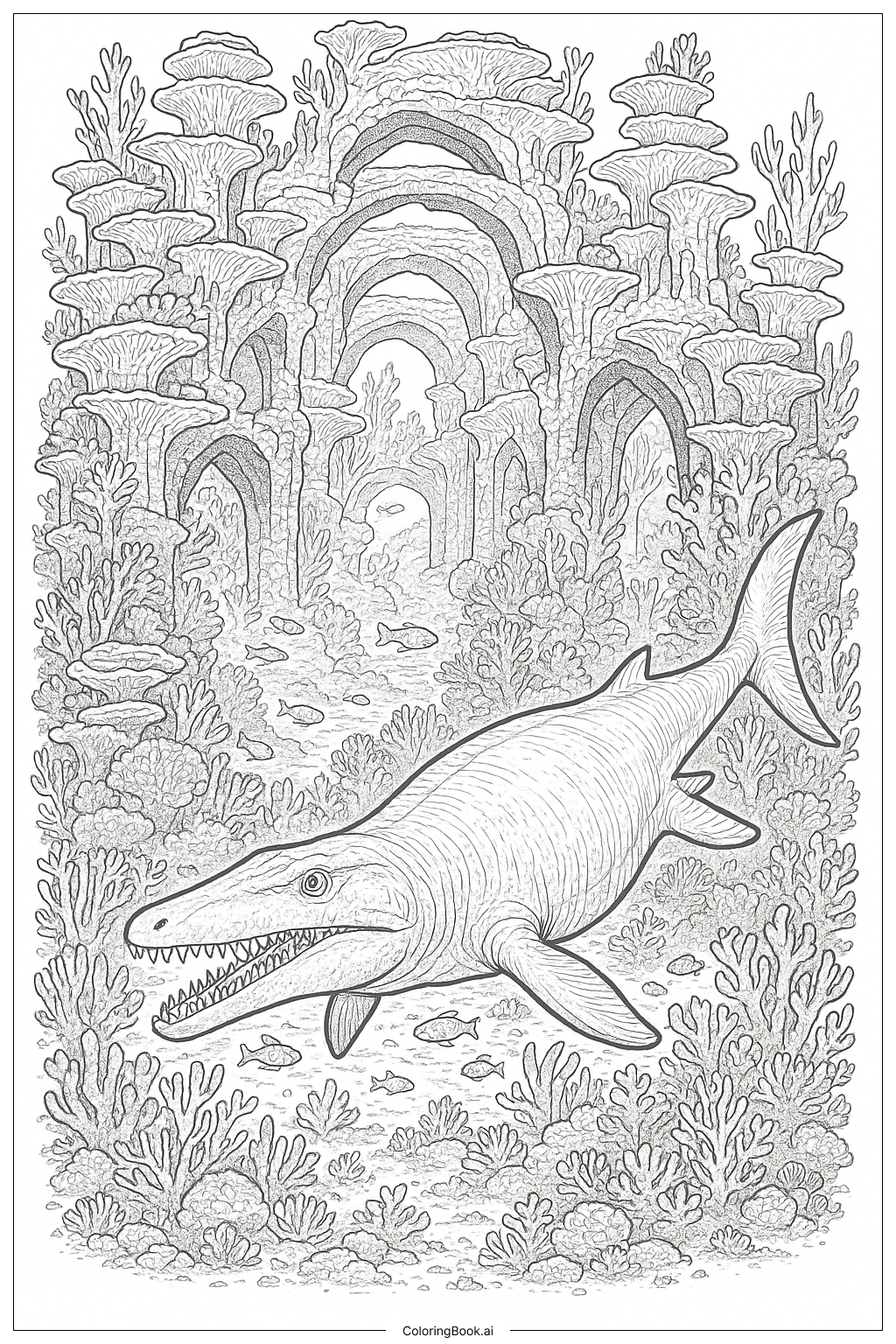
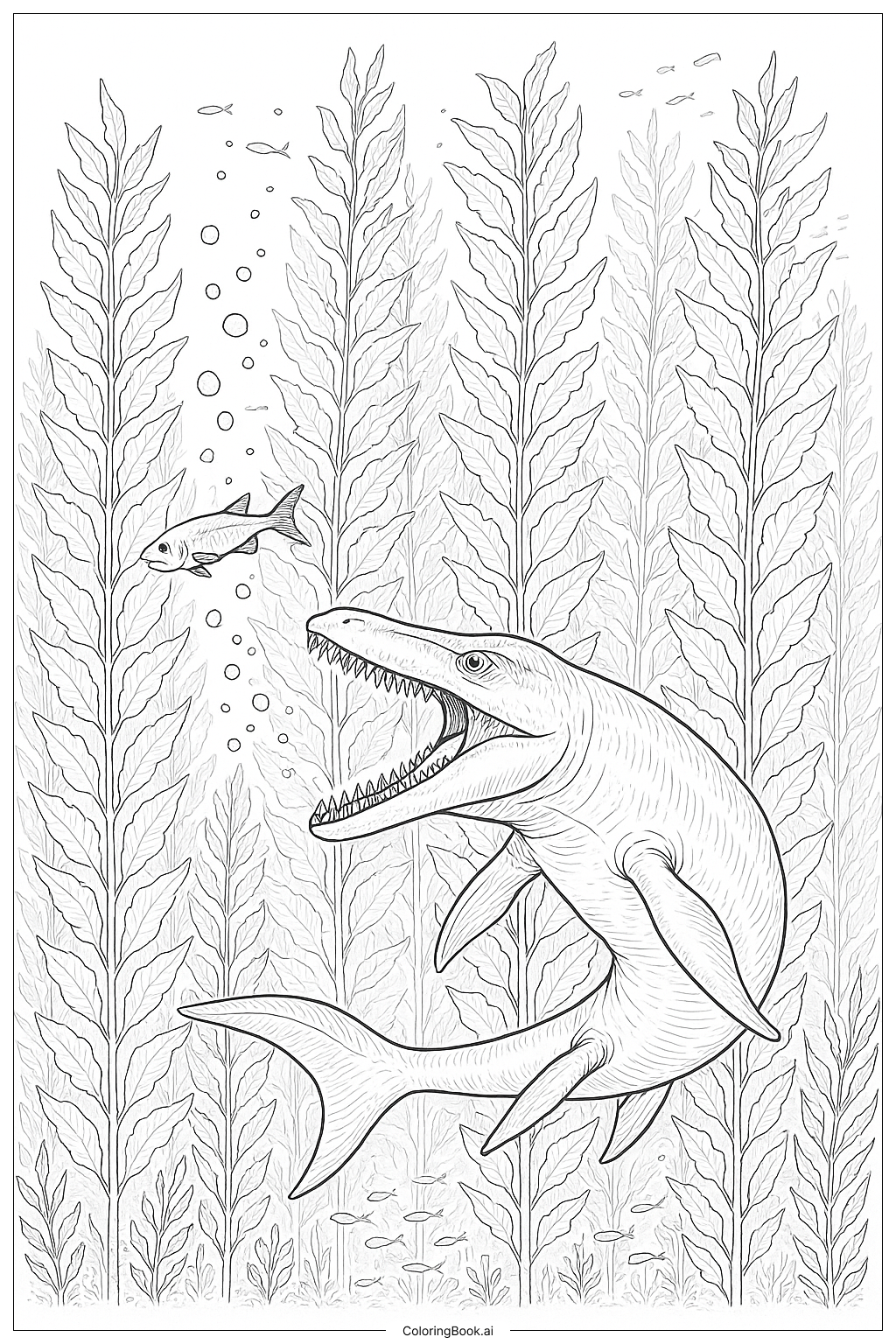
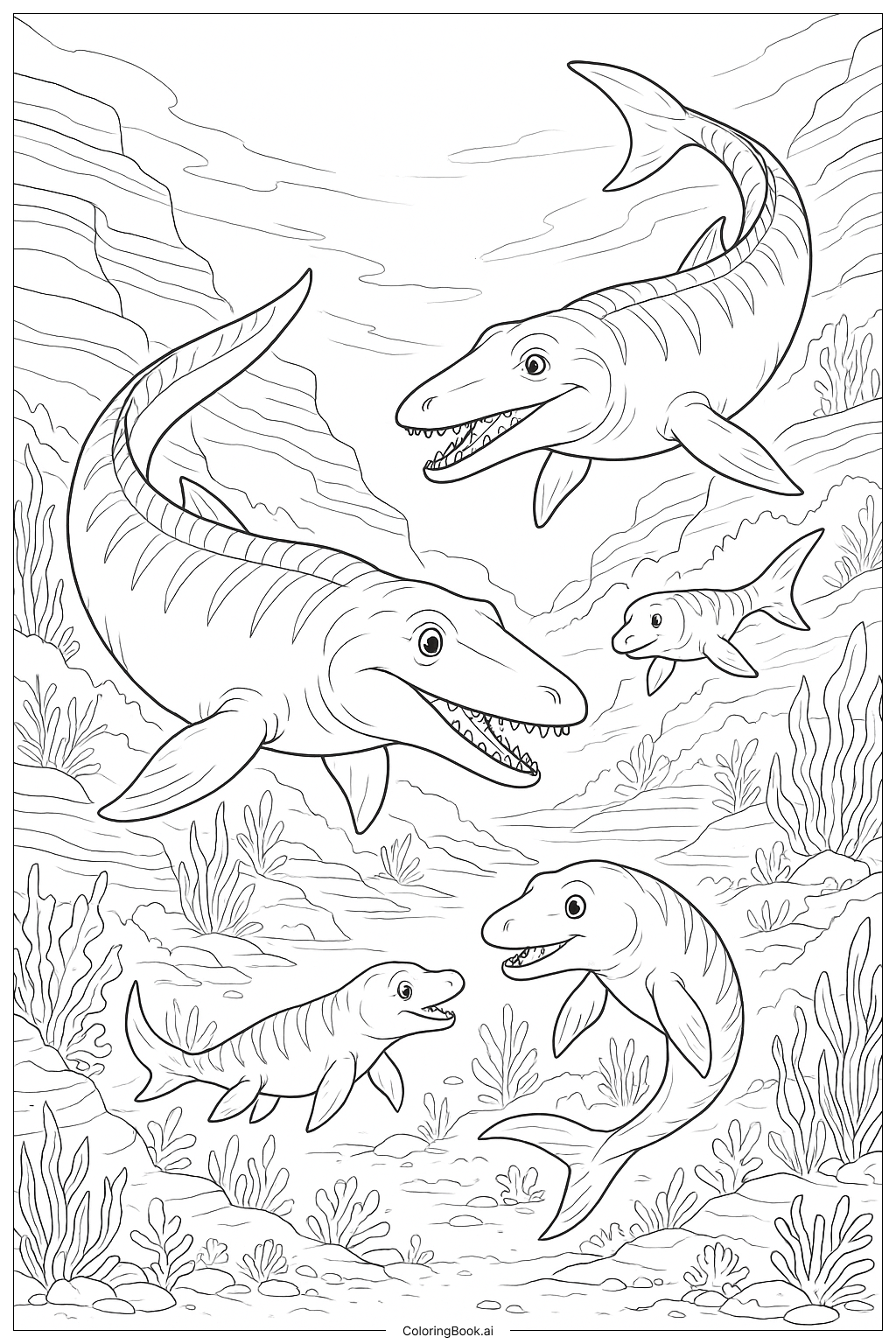
For coloring this Mosasaurus, you can use shades of blue and green for the body to create a calm, ocean feeling. Adding light blues on the belly can show how light hits its skin underwater. The friendly smile can be highlighted by coloring the mouth softly with pink or light peach. Try using darker green or blue for the fins and tail tips to add contrast. Feel free to add some fun patterns or spots on its back to give it a unique look! The eyes can be colored with lively shades like bright blue or green to make the Mosasaurus appear even friendlier.
Coloring challenges: Which parts are difficult to color and need attention for Mosasaurus Friendly Smile coloring page?
• Smooth Body Curves: The Mosasaurus has many smooth, flowing curves that can be challenging to color evenly. Coloring softly and blending shades can help maintain its gentle look.
• Face Expression: Capturing the friendly smile without making it look scary requires delicate coloring of the mouth and eyes. Avoid using very dark shades near the smile.
• Fins and Tail Details: The fins and tail have thin lines and shapes that demand careful coloring inside the edges to keep the image neat and clear.
• Teeth Visibility: The teeth are small and subtle, meaning extra attention is needed to color them without overpowering the smile.
• Maintaining Water Effect: The idea of the Mosasaurus swimming underwater means you might want to add light shadows or highlights thoughtfully, which can be tricky but improves the realism.
Benefits of coloring books: Advantages of drawing Mosasaurus Friendly Smile coloring page
Coloring this Mosasaurus image helps children practice careful hand control due to the flowing lines and small details like teeth and fins. It encourages creative thinking as they choose colors to bring the friendly creature to life. The friendly smile boosts a positive feeling, making the activity fun and engaging. Working on this picture can improve concentration and patience, especially when blending shades for a realistic water effect. It's also a great way to learn about prehistoric sea creatures in a playful and artistic way.