Coloring tips: How to color Mermaid Singing To Ocean Creatures coloring page well?
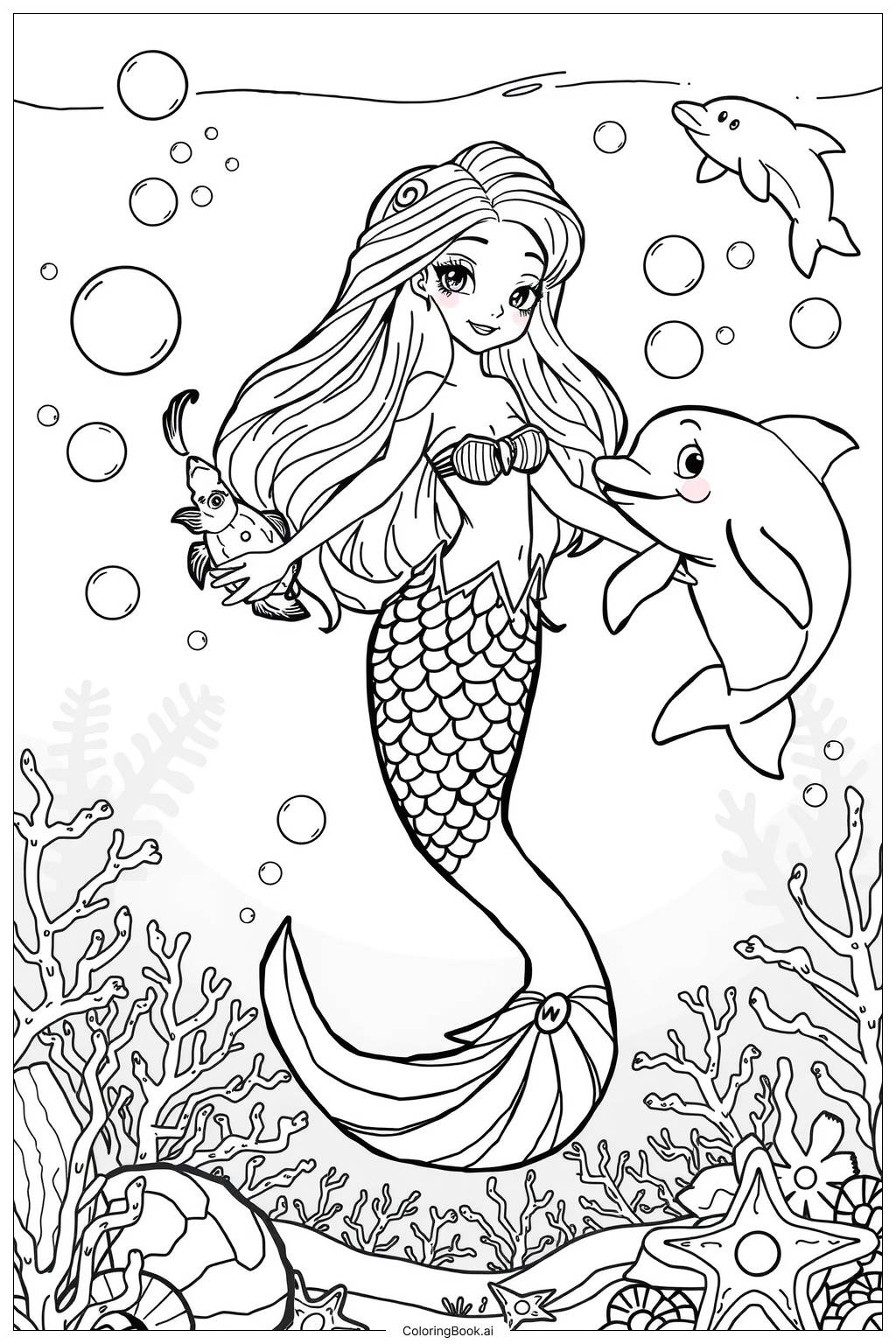
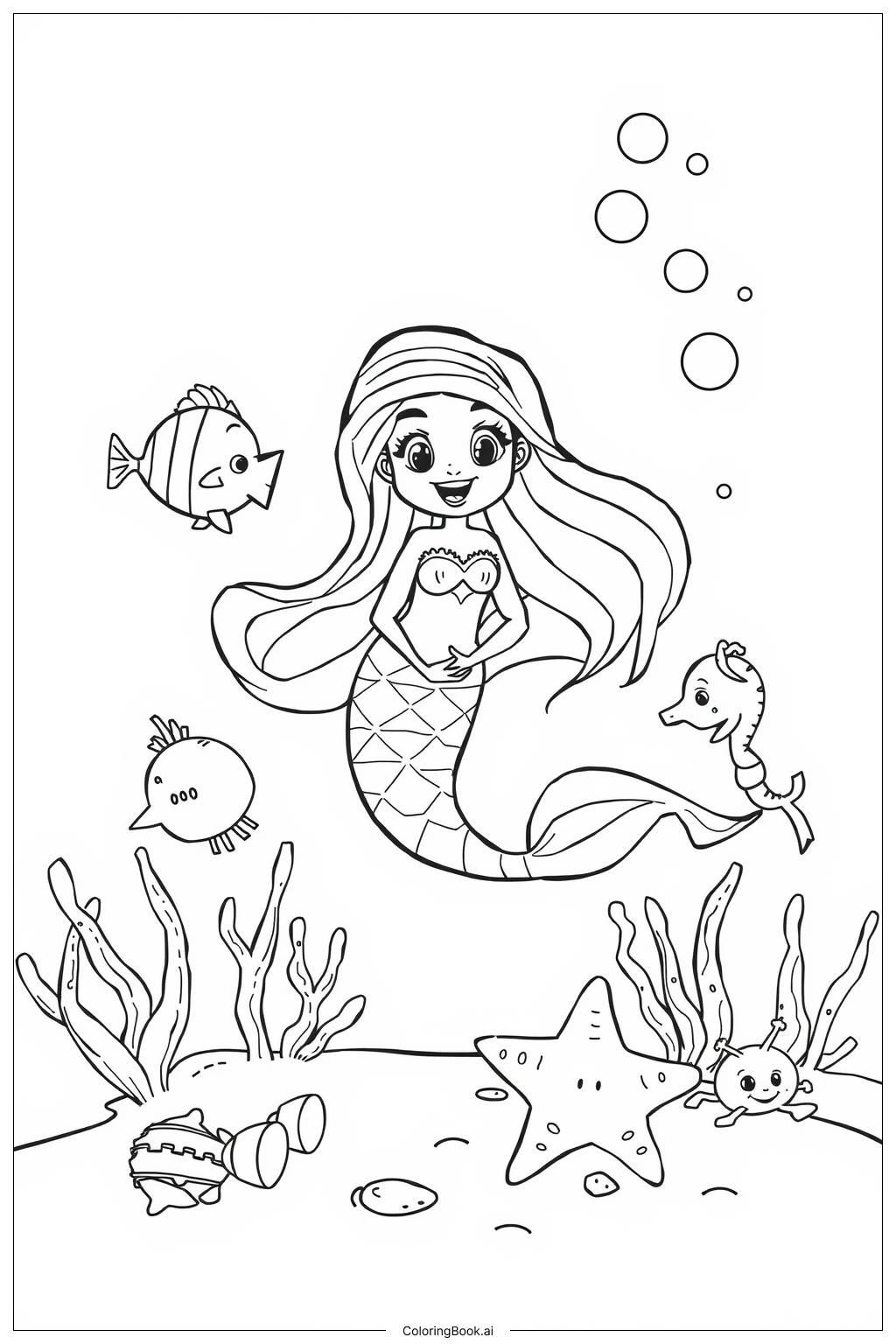
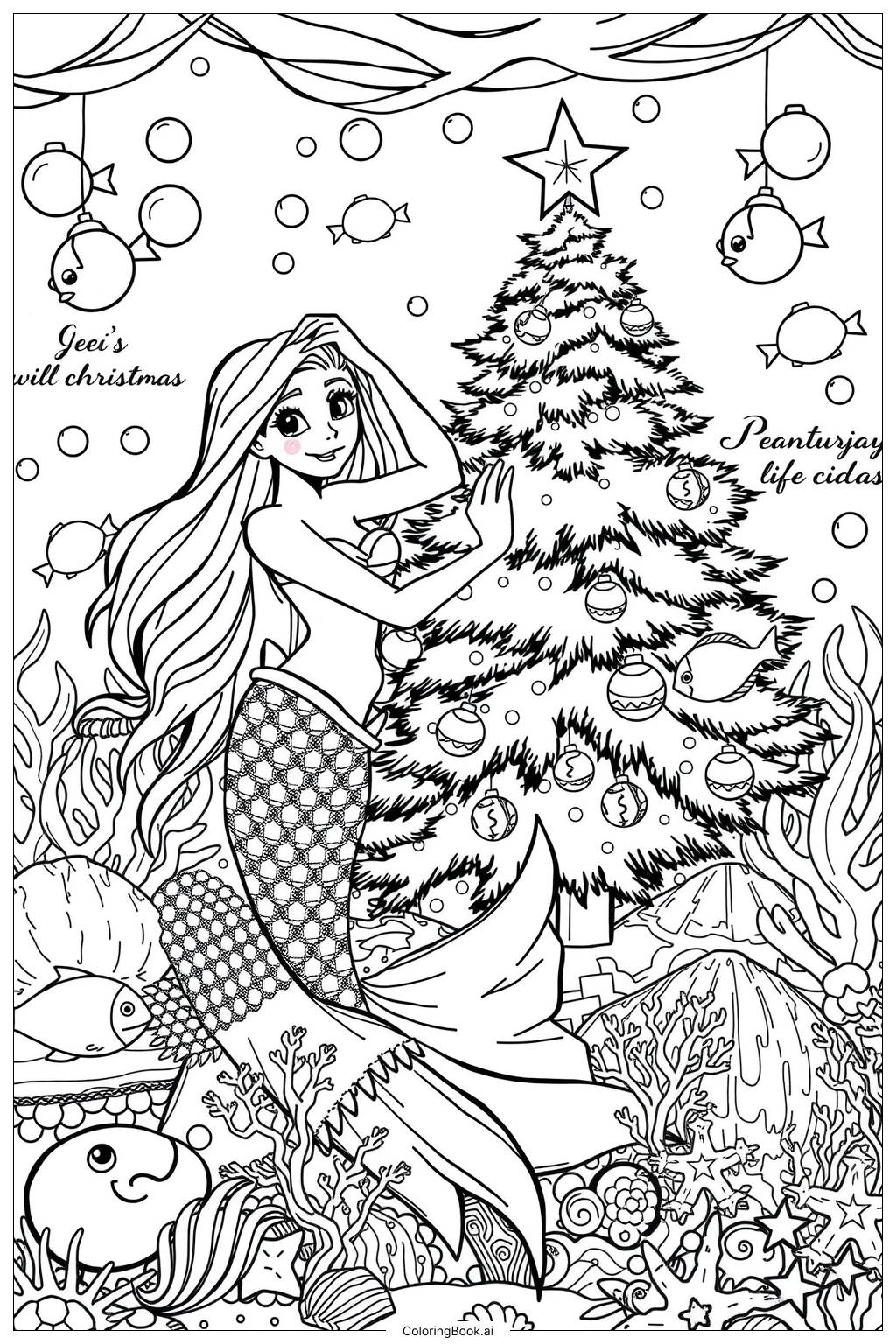
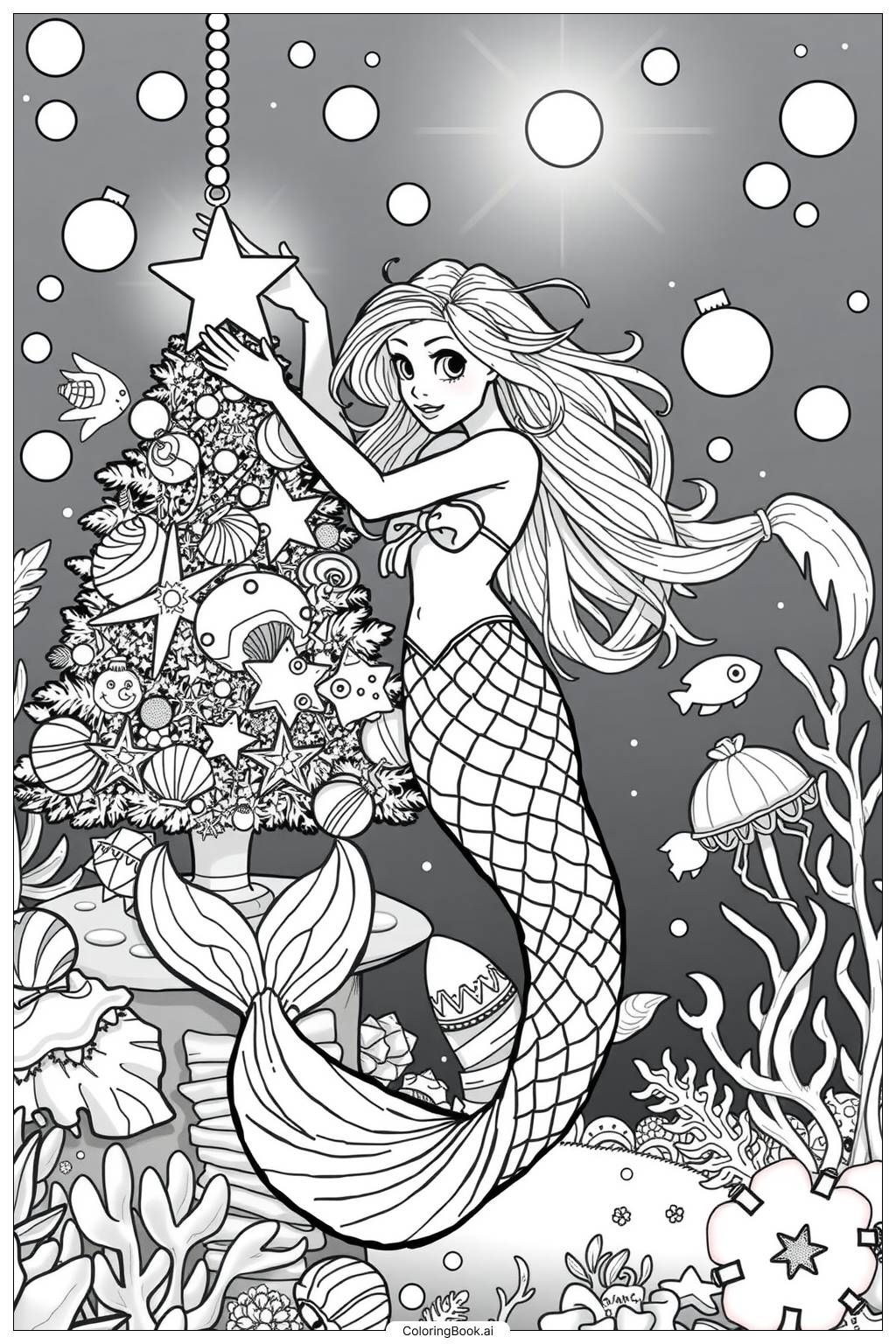
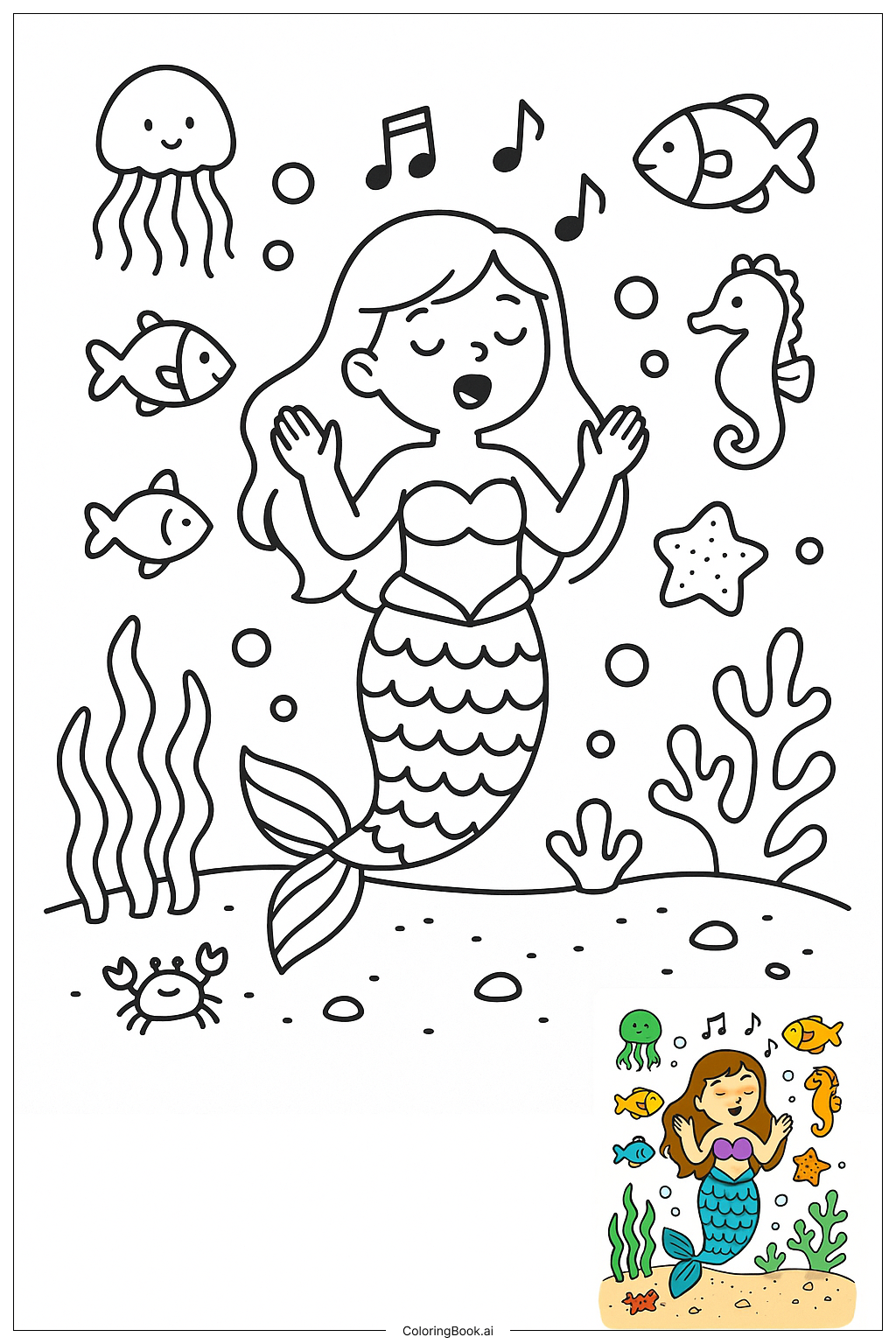
For this image, try using soft blues and greens to create a beautiful underwater atmosphere. The mermaid’s tail can be colored in shades of turquoise, lavender, or pink to make it stand out. Use bright colors like orange, yellow, and red for the fish to bring life to the sea creatures. For the coral reefs and seaweed, mix reds, oranges, and greens to create a colorful coral garden. Don’t forget the bubbles! You can leave them light or add a touch of white for sparkle. Using different shades will help give the scene depth and make the ocean world feel lively and magical.
Coloring challenges: Which parts are difficult to color and need attention for Mermaid Singing To Ocean Creatures coloring page?
• Fine Details: The mermaid’s flowing hair has many strands which require careful coloring within narrow spaces to keep the flow smooth and neat.
• Small Creatures: The tiny fish and bubbles are small and need focus to color precisely without going outside their outlines.
• Texture Variation: Differentiating textures like the smooth scales on the mermaid’s tail, the rough coral, and soft seaweed can be challenging to capture with color choices.
• Overlapping Elements: Some ocean creatures overlap each other or the mermaid, requiring attention to detail to color each part distinctly without mixing.
• Light Effects: Creating the underwater sense of light filtering through water involves subtle shading and blending that can be tricky to achieve well.
Benefits of coloring books: Advantages of drawing Mermaid Singing To Ocean Creatures coloring page
Coloring this image helps children improve fine motor skills by practicing careful strokes around detailed outlines. It encourages creativity through choosing colors for an imaginative underwater world. Focusing on small elements like the fish and bubbles can boost concentration and patience. The scene also inspires storytelling and curiosity about ocean life, making coloring both educational and fun. Additionally, blending colors for light and texture allows children to explore artistic techniques and develop an eye for detail.