Coloring tips: How to color Therapy Session Mental Health coloring page well?
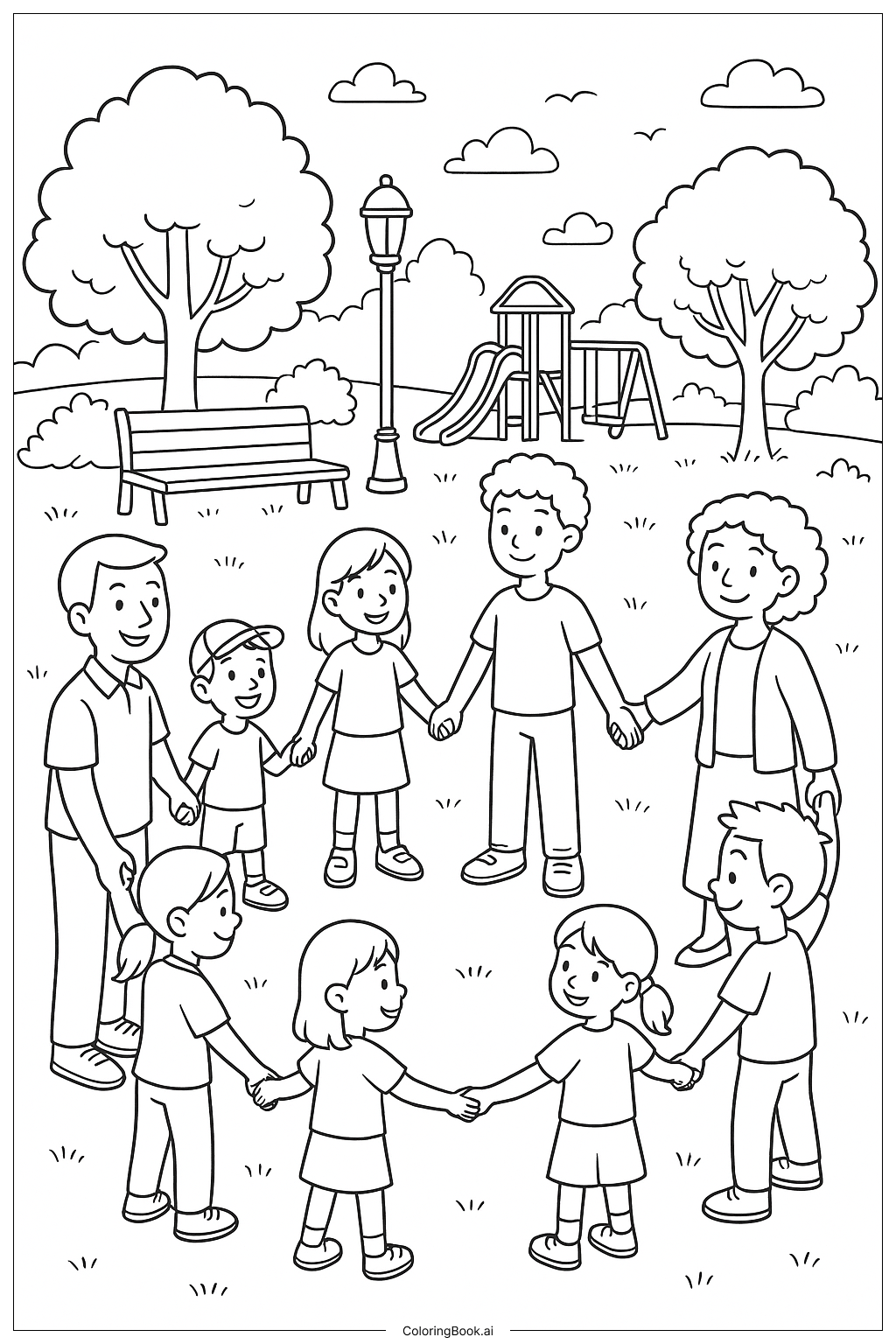
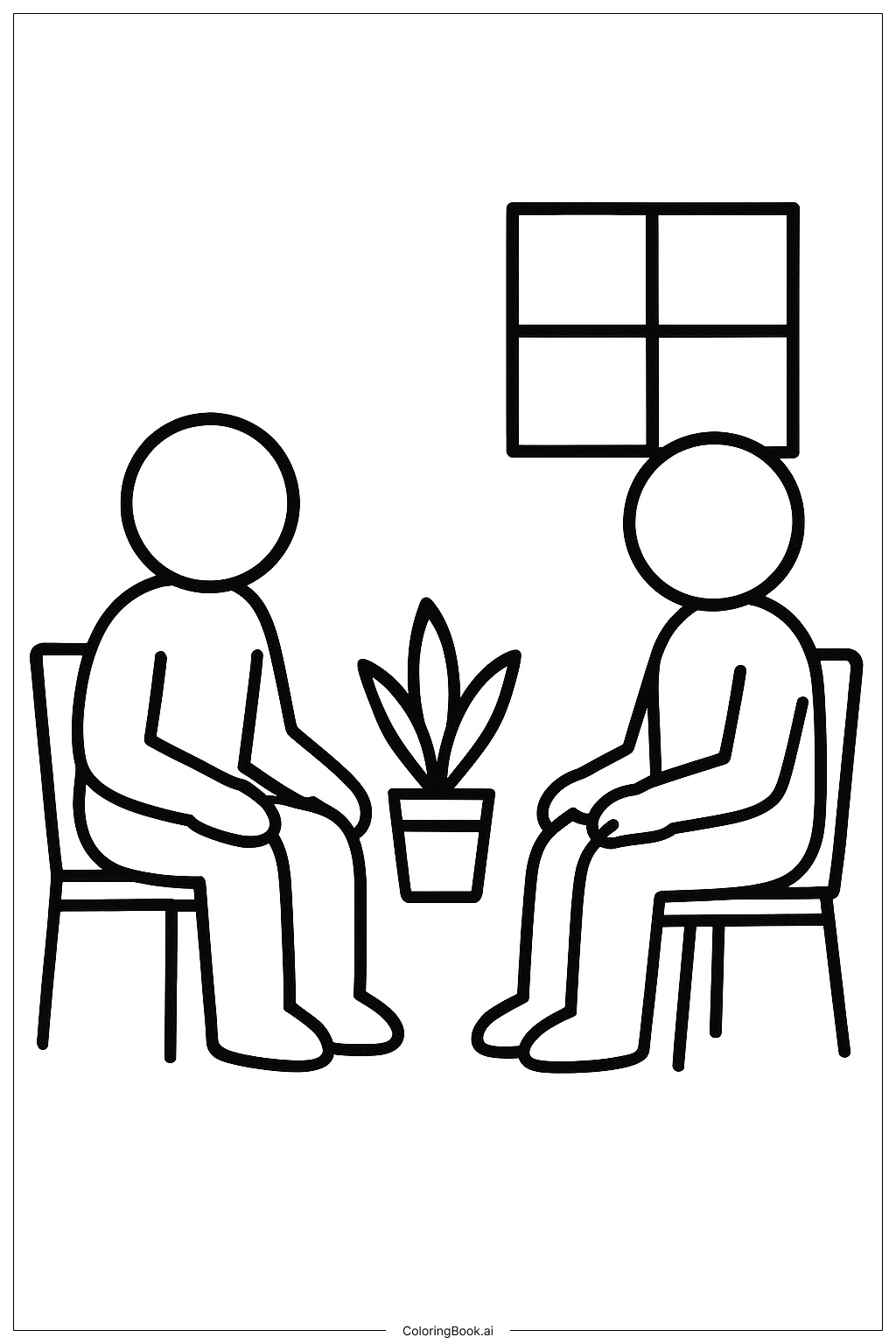
Use soft and calming colors like light blue, lavender, or pastel green for the background to create a peaceful atmosphere. The chairs can be colored in gentle browns or grays. The plant can be bright green to show life and hope. For the people, use warm skin tones and soft colors for their clothes, maybe light blues, yellows, or pinks, to represent comfort and care. For the window, sky blue or white can be used to give a sense of openness and light. Try to keep the colors smooth and gentle to match the calm mood of the therapy session.
Coloring challenges: Which parts are difficult to color and need attention for Therapy Session Mental Health coloring page?
1. Keeping the colors inside the lines may be tricky because the shapes are close together, especially on the chairs and people. 2. Coloring the plant leaves with different shades of green to make them look lively can be challenging for younger kids. 3. The window’s sections need neat coloring to make it look clear and light, which might require careful attention. 4. Creating a soft and calm color scheme that fits the mental health theme can be difficult because bright or harsh colors can change the mood. 5. Balancing the colors so the scene looks peaceful without any area being too dark or too bright might need some practice.
Benefits of coloring books: Advantages of drawing Therapy Session Mental Health coloring page
Coloring this picture helps kids relax and focus, which can improve their mental wellbeing. It encourages them to think about feelings, support, and kindness, important parts of mental health. Coloring the plant and window adds creativity while promoting calmness. The simple shapes make it easier to color and boost confidence. This activity also teaches patience and careful work, helping children develop fine motor skills. Overall, it encourages positive thoughts and peaceful feelings, making it good for mental health awareness.