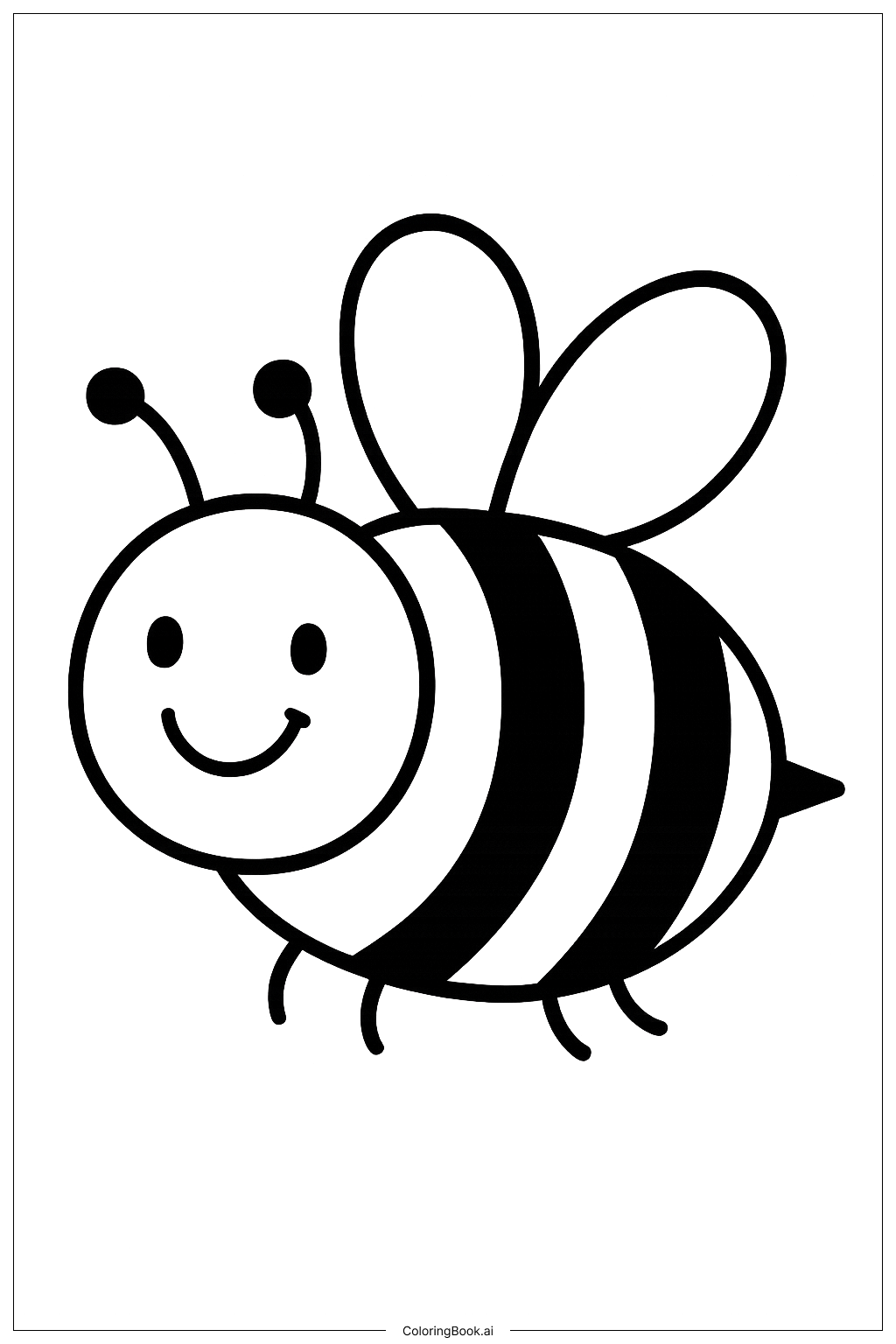
Coloring tips: How to color March Bee Buzz coloring page well?
For this happy bee, consider using bright yellow for the body and bold black for the stripes. You can also add a light blue color for the wings to give them a soft appearance. To create a fun scene, draw colorful flowers around the bee, using pink, purple, and orange. For a vibrant sky, use a light sky blue with fluffy white clouds. Encourage kids to experiment with shades and patterns for stripes, maybe using dark and light yellows to highlight the bee's features. Using glitter or metallic colors can also make the bee sparkle!
Coloring challenges: Which parts are difficult to color and need attention for March Bee Buzz coloring page?
1. Coloring the stripes accurately: Children might find it challenging to keep the black and yellow stripes neat. They need to be careful not to color outside these lines. Practicing staying within lines can help improve their control. 2. Blending colors: When adding details or background elements, kids may want to blend colors. Learning to blend different shades can be tricky, which might require some guidance to achieve the desired effect. 3. Creating depth: Children may want to use varying shades of colors to add depth to the bee and its surroundings. Understanding light and shadow to create dimension can be complex but rewarding. 4. Adding individual creativity: While they may want to stick to traditional colors, encouraging kids to be creative can lead to a struggle if they are unsure how to express themselves. Providing examples or inspiration can help spark their creativity.
Benefits of coloring books: Advantages of drawing March Bee Buzz coloring page
Coloring this bee allows children to enhance their motor skills as they focus on staying within the lines. It also promotes creativity, as they have the opportunity to choose colors and create their versions of the bee. Coloring can be a calming activity, helping kids unwind and enjoy a sense of accomplishment once their artwork is complete. Additionally, by exploring different patterns and color combinations, they can develop their decision-making skills. This activity can also encourage discussions about bees and nature, fostering curiosity and learning.