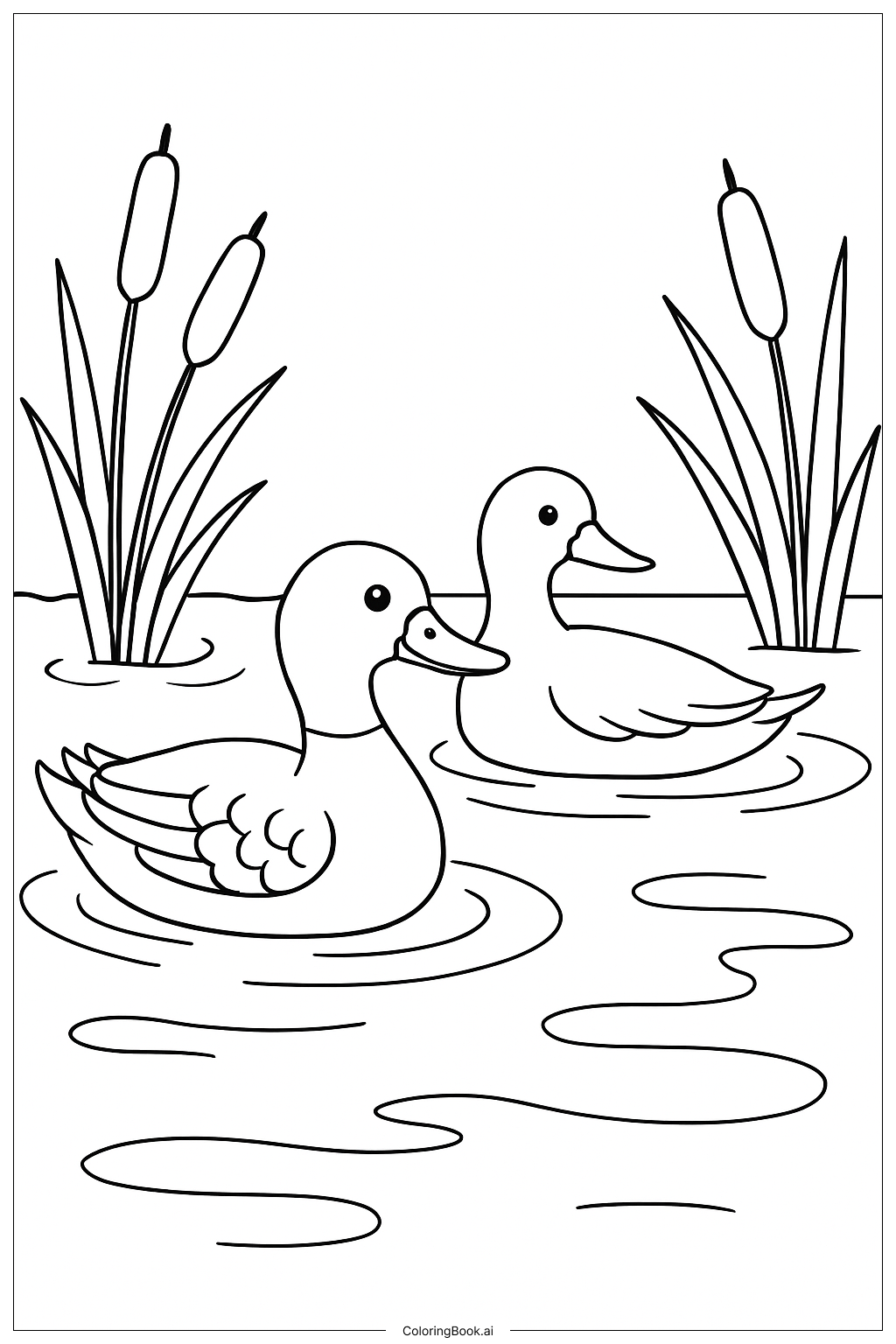
Coloring tips: How to color March Pond With Ducks coloring page well?
Consider using soft shades of yellow and brown for the ducks to give them a realistic look. The pond can be colored in light blues and greens to represent a clear, shallow water. For the grasses, vibrant greens can enhance their natural appearance. Adding some light blue shades for the water reflections would add depth and dimension to the scene.
Coloring challenges: Which parts are difficult to color and need attention for March Pond With Ducks coloring page?
1. Color Blending: Blending colors smoothly on the water can be challenging. Use a light hand and practice layering shades to achieve the desired effect.
2. Detail in the Ducks: The ducks have intricate features. Paying attention to small details and using different colors for shadows and highlights may require patience and precision.
3. Grass Texture: Capturing the texture of the tall grasses may be tricky. Utilize different shades of green and play with shading techniques to bring them to life.
4. Water Effects: Making the water look realistic requires understanding how colors reflect. Experimenting with shades and blending can help create a convincing reflection.
5. Overall Composition: Balancing colors across the whole scene is essential to avoid any one area overpowering another, which can be a challenge for young artists.
Benefits of coloring books: Advantages of drawing March Pond With Ducks coloring page
Coloring this image offers several benefits for children. It encourages creativity by allowing kids to choose their own colors. This freedom helps them express their individual styles. Additionally, coloring helps improve fine motor skills as they practice staying within the lines. It also promotes relaxation and focus, making it a wonderful stress-relieving activity. Engaging with nature-themed art can spark an interest in wildlife and environmental appreciation. Overall, this coloring experience is not only fun but also educational.