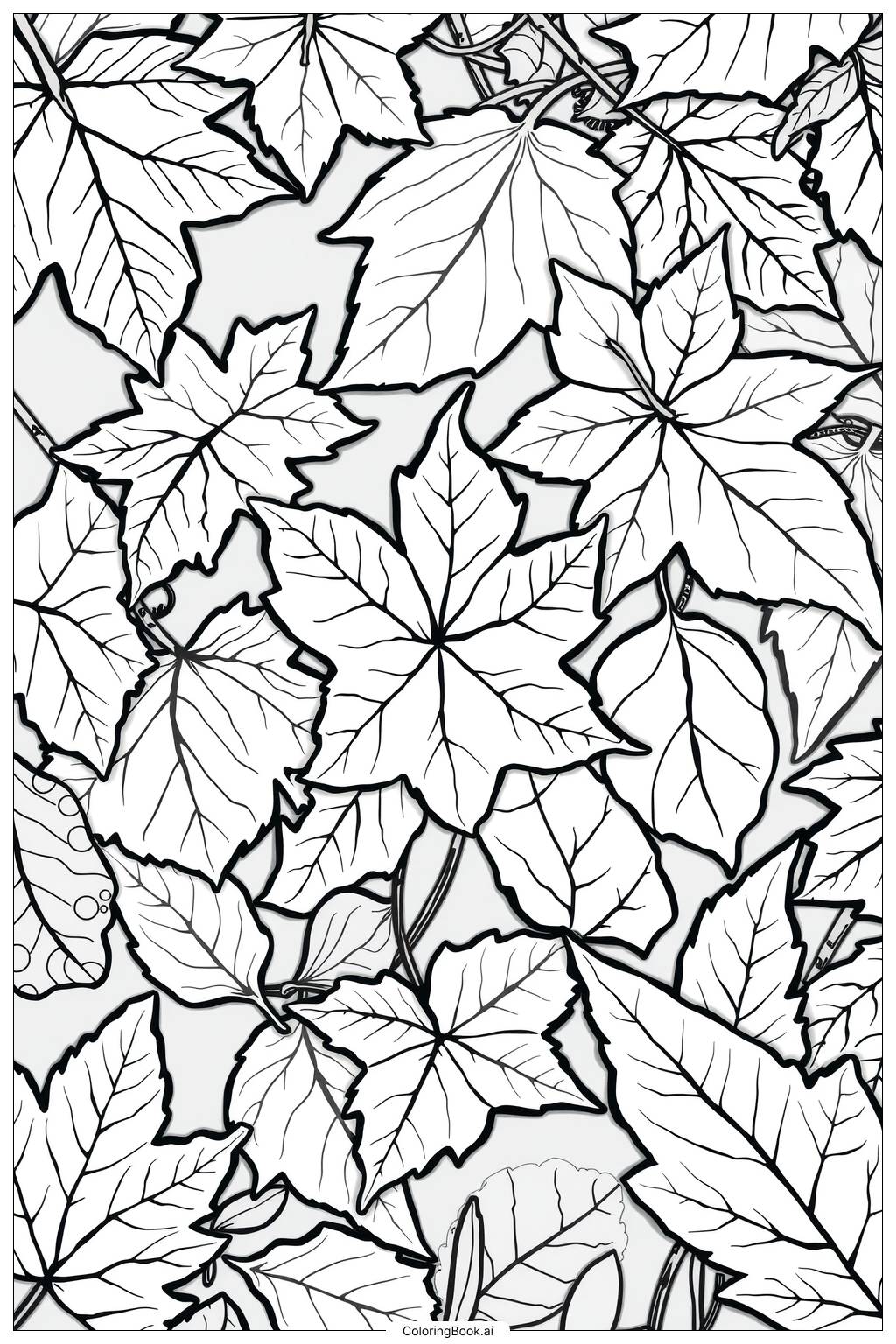
Coloring tips: How to color Autumn Leaves Collection coloring page well?
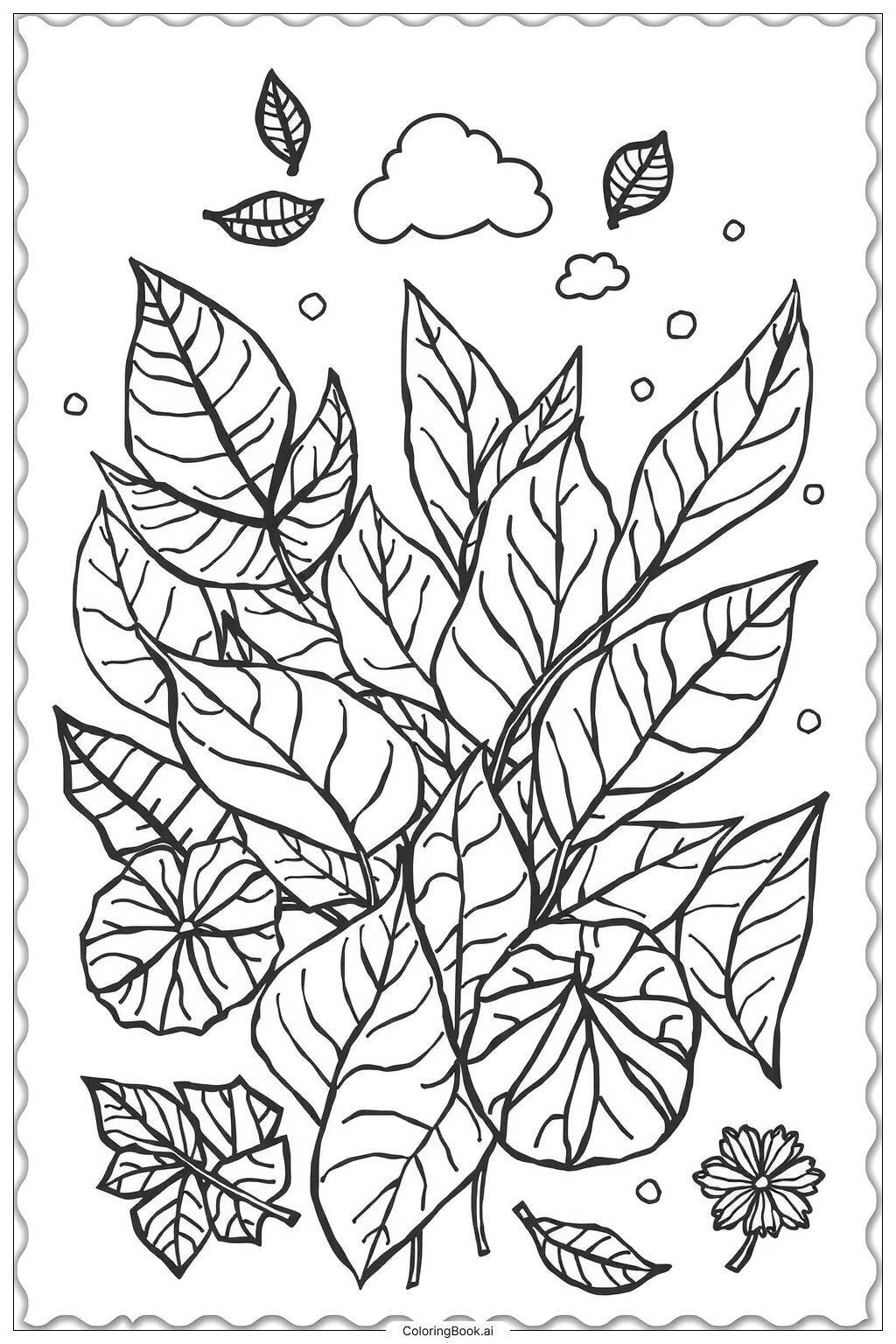
Try using warm autumn colors such as bright reds, golden yellows, rich oranges, and deep browns to bring the leaves to life. You can blend shades to create a gradual transition on each leaf from light to dark or use different colors for each leaf to make the collection vibrant. For variety, some leaves can be colored with unusual shades like purples or greens to add a playful twist. Using colored pencils helps you shade the veins and edges carefully. Don’t forget the background—use soft blues or grays to make the colored leaves pop. Feel free to add little details like spots or stripes to make the leaves unique.
Coloring challenges: Which parts are difficult to color and need attention for Autumn Leaves Collection coloring page?
• Leaf Vein Details: The many fine lines in the veins require steady coloring and attention to avoid coloring outside the lines, which can be tricky for younger children. • Overlapping Leaves: Since leaves overlap each other, deciding which colors to use so that the leaves stand out individually can be challenging. • Shape Variety: The different leaf shapes mean you need to pay close attention to their unique edges and tips to color them accurately. • Small Spaces: Some leaf sections are narrow or small, demanding precision with coloring tools to fill in without going outside the lines. • Layered Depth: Capturing the sense of layering means using shading effectively, which may require more advanced coloring techniques for some users.
Benefits of coloring books: Advantages of drawing Autumn Leaves Collection coloring page
Coloring this image helps improve hand-eye coordination and fine motor skills by guiding the pencil along complex leaf edges and veins. It encourages creativity through experimenting with a broad palette of warm and cool colors, fostering an appreciation for nature’s variety. The overlapping design promotes spatial awareness as children learn to distinguish each leaf and color them individually. Completing this detailed page also boosts patience and concentration, especially with its varied shapes and sizes. Overall, it offers a calming and enjoyable way to connect with the beauty of autumn while developing artistic skills.