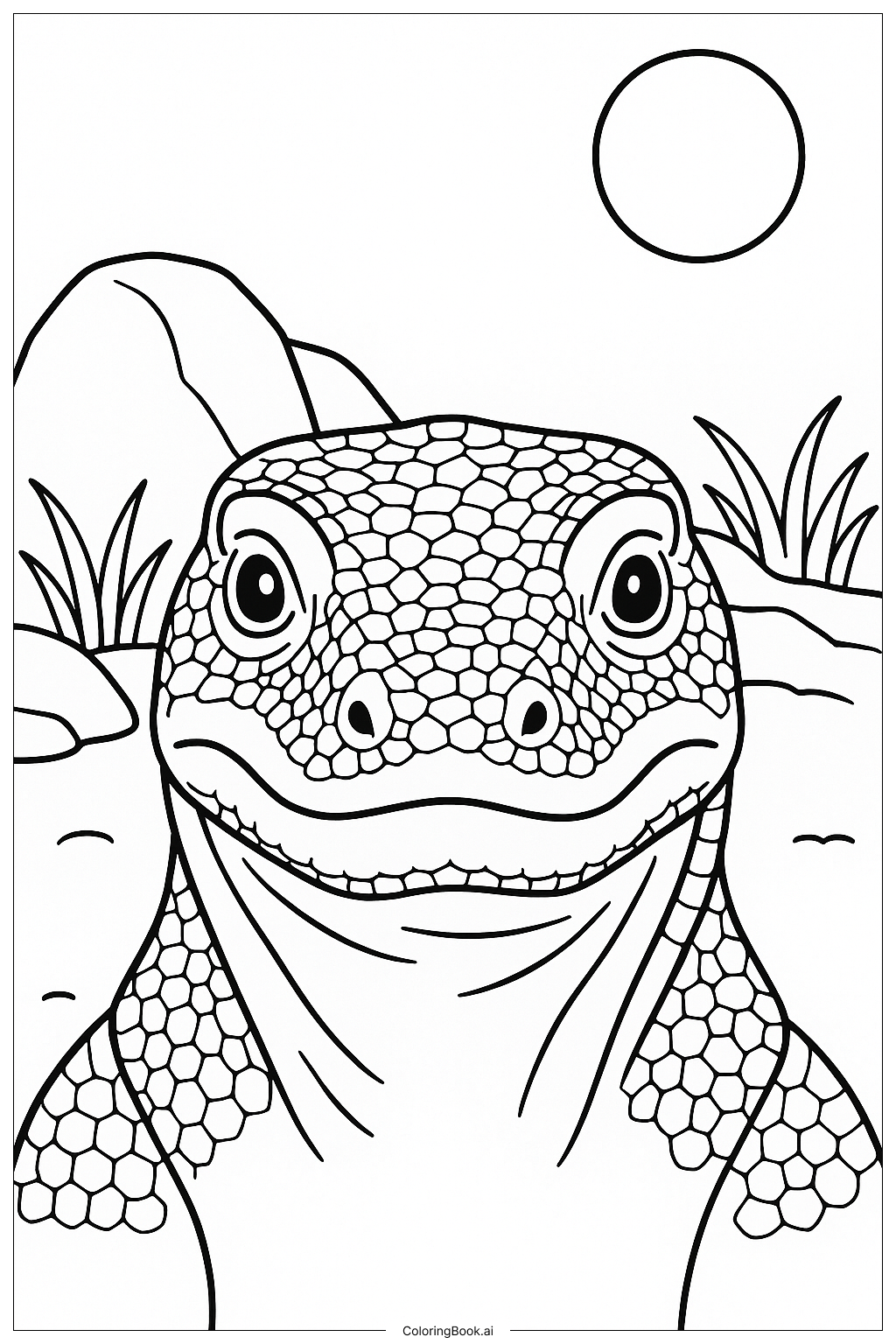
Coloring tips: How to color Komodo Dragon Face Close Up coloring page well?
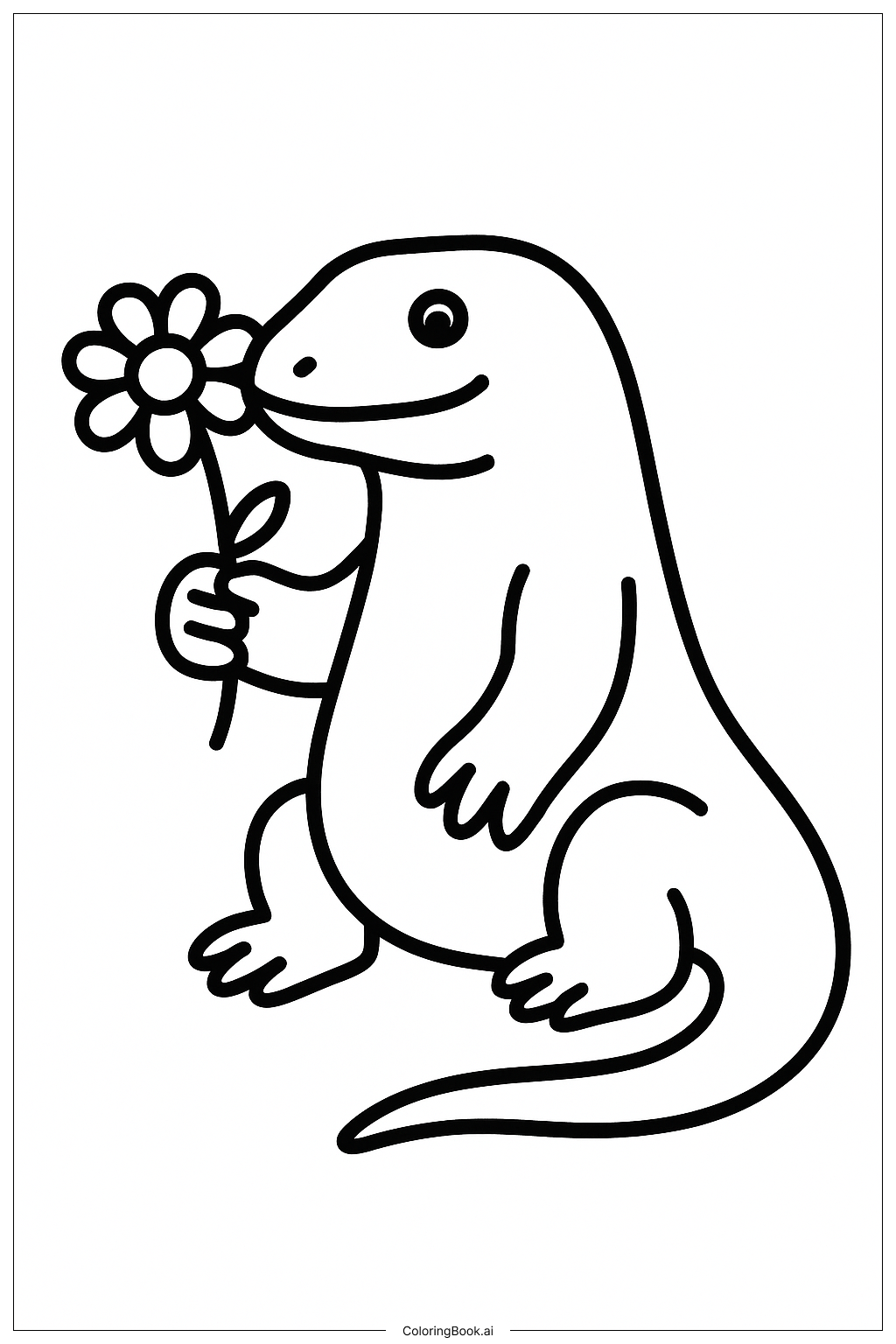
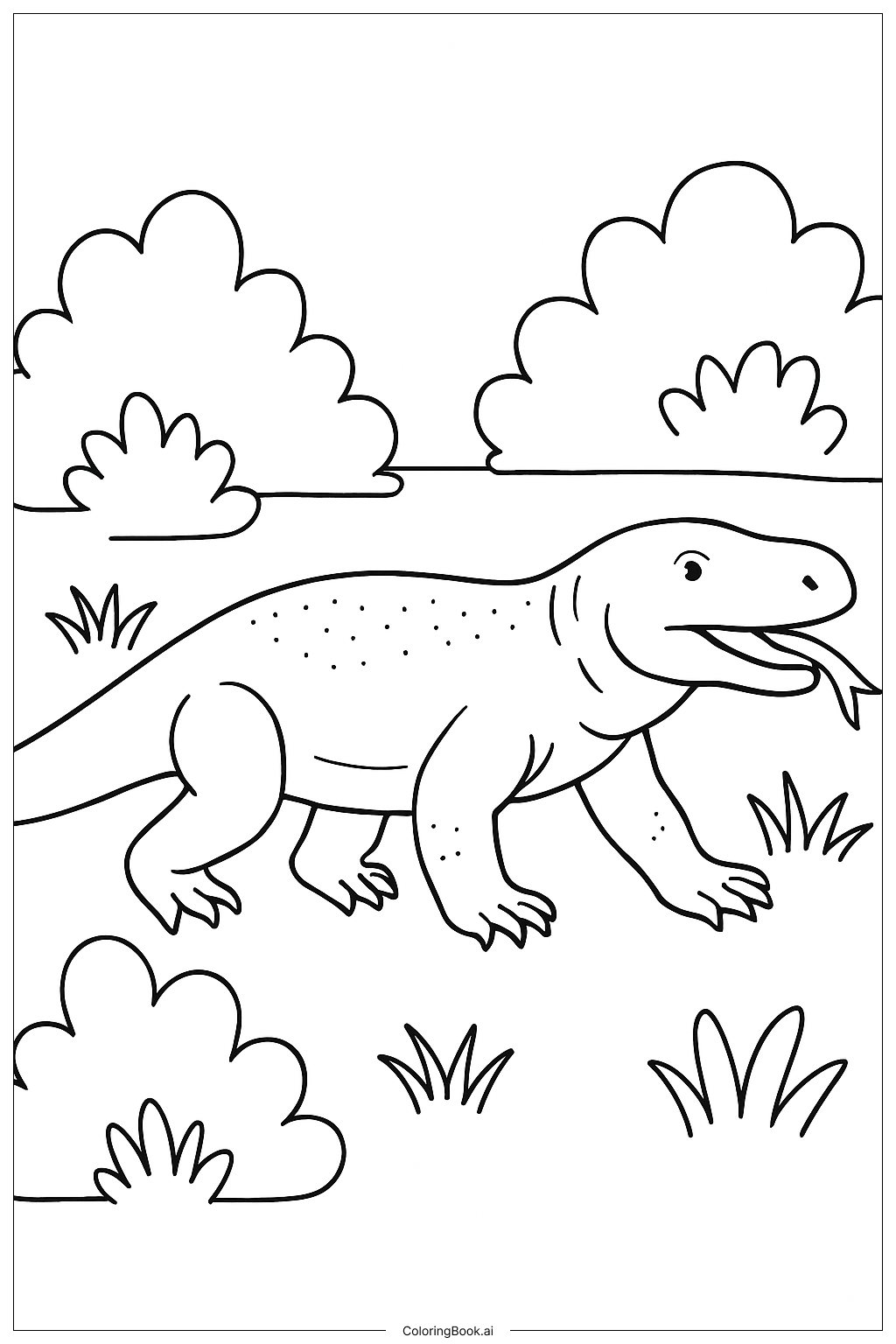
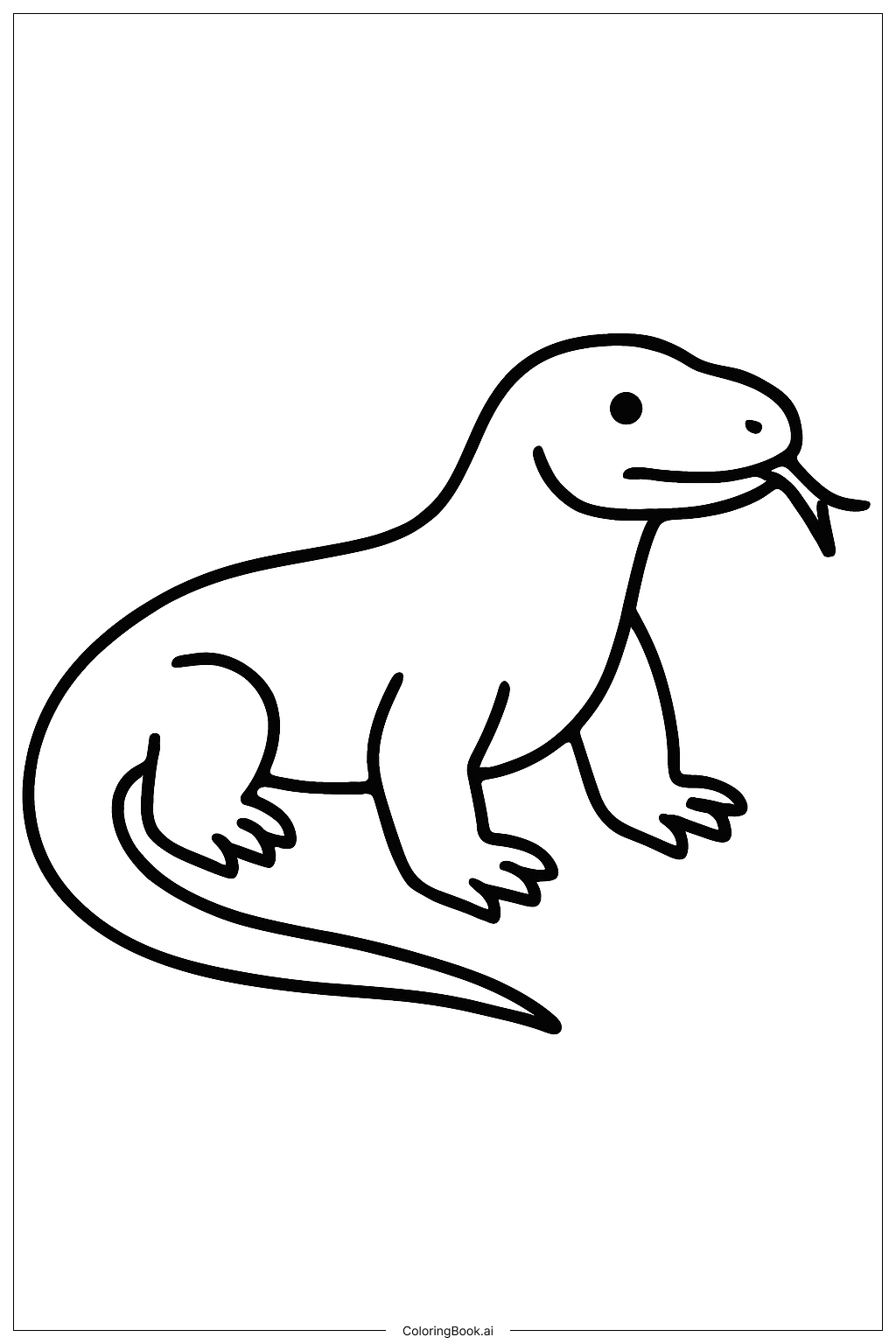
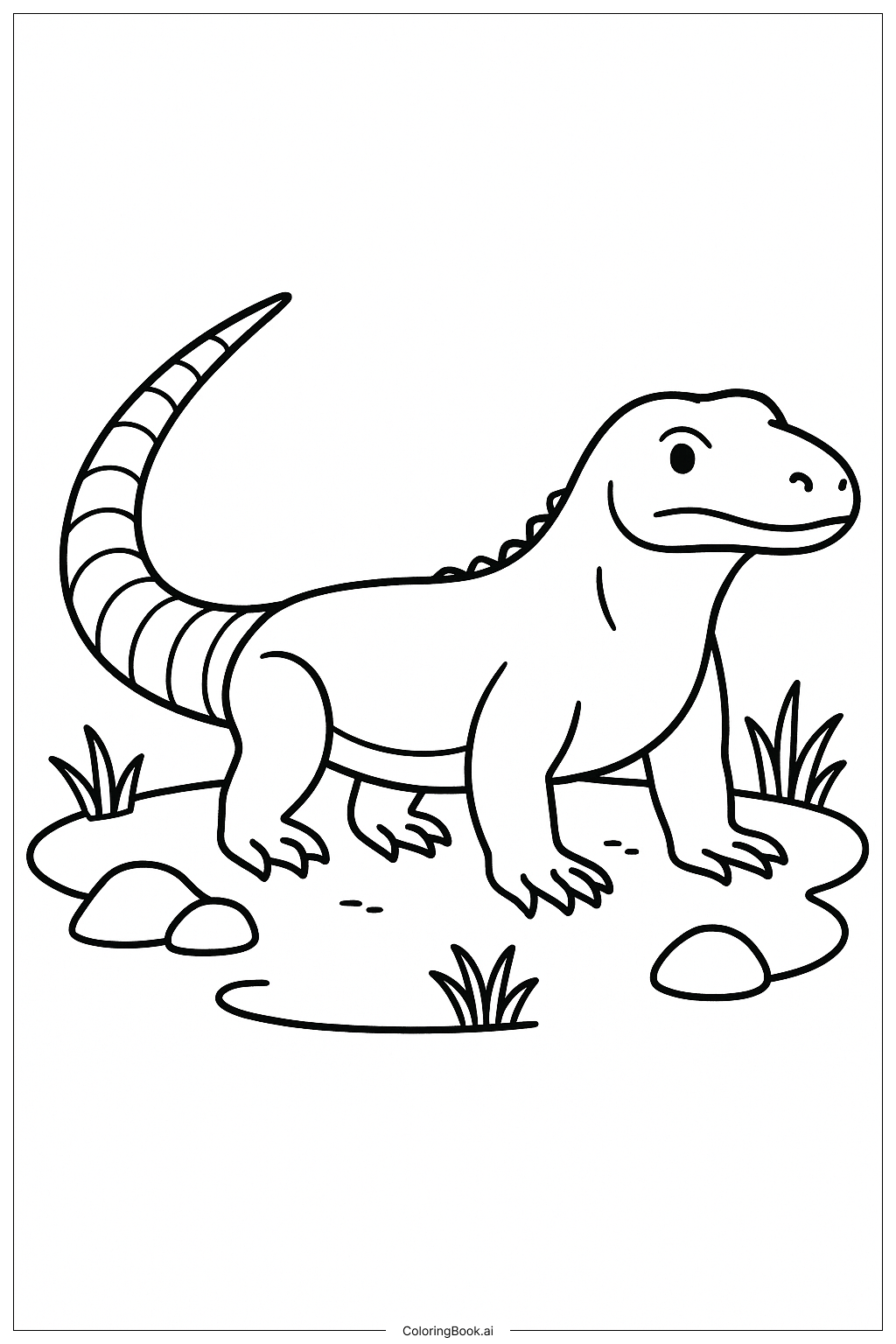
For this picture, use shades of brown, gray, and green to match the natural colors of a Komodo Dragon. Try using darker browns for the scales and lighter browns or beige for the folds of skin. You could add some green or olive tones to give a more natural reptile look. The eyes can be colored yellow or amber to make them stand out. Use shading techniques by coloring some scales darker on the edges and lighter in the middle to create a 3D effect. Feel free to add highlights in white or cream to make the skin look shiny and textured. You can also experiment with blending colors smoothly to show the rough but natural appearance of the Komodo Dragon’s face.
Coloring challenges: Which parts are difficult to color and need attention for Komodo Dragon Face Close Up coloring page?
• Detailed Scale Texture: The image has many small scales and bumps that need careful coloring to highlight the texture properly without smudging.
• Layered Skin Folds: There are overlapping skin folds around the neck and jawline which require shading and blending for a realistic look.
• Eye Focus: The eyes are a key feature and need precise coloring to capture their sharp, intense look and make them stand out.
• Color Variation: Achieving a natural look involves mixing different browns, greens, and grays, which can be hard to balance without making the face look flat.
• Depth and Shadows: Proper shading around the nose, mouth, and under the folds is needed to give the face a dimensional appearance and avoid it looking too plain.
Benefits of coloring books: Advantages of drawing Komodo Dragon Face Close Up coloring page
Coloring this Komodo Dragon face helps improve attention to detail because of its many small scales and features. It also encourages the use of shading and blending skills, which are important for creating realistic art. Working on this image develops patience and focus since you need to carefully color different textures and layers. Younger artists gain confidence by mastering a challenging subject, while older children can practice making natural color combinations. Overall, this coloring page provides a fun way to learn about reptiles and how to bring texture and depth into drawings through colors.