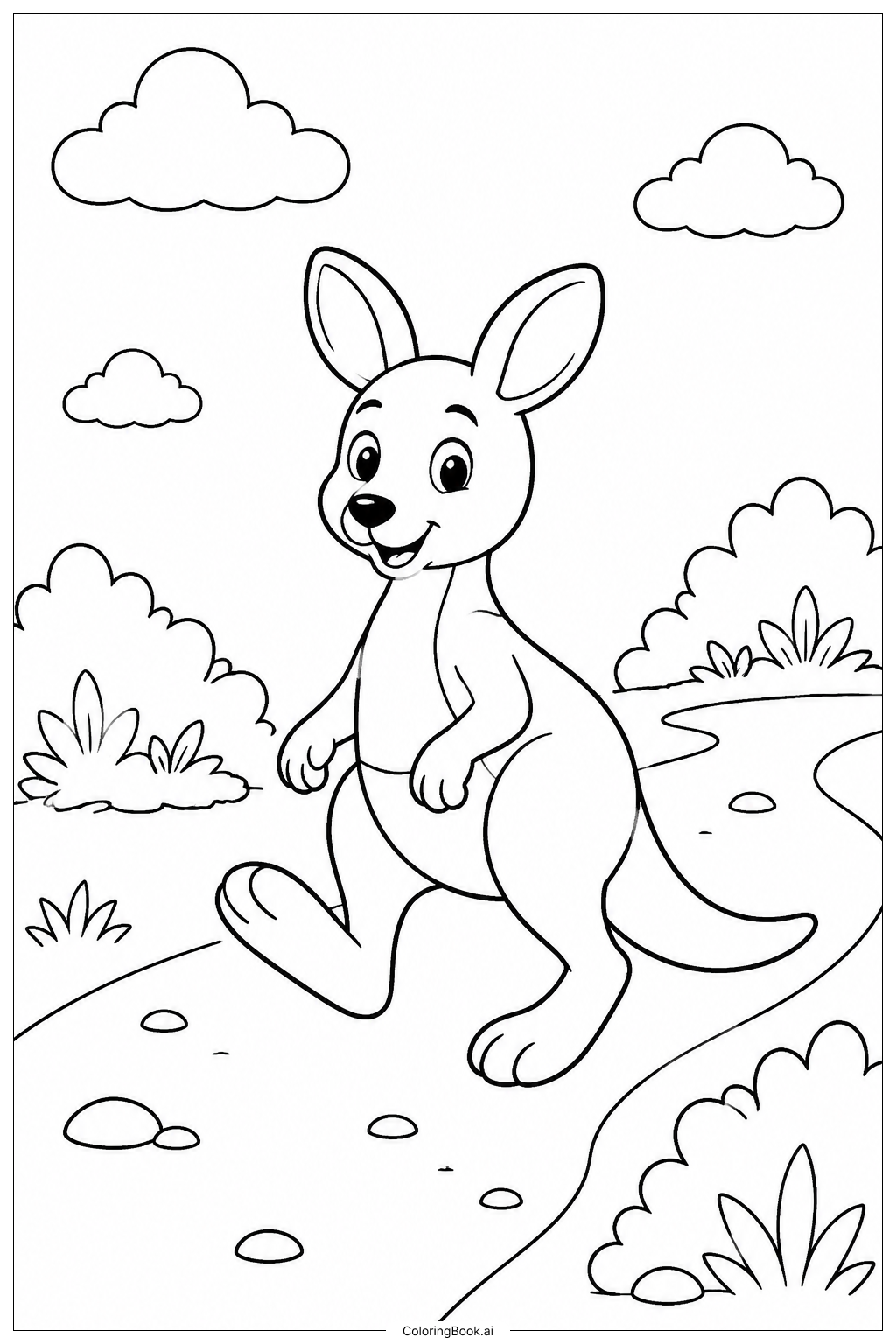
Coloring tips: How to color Kangaroo On Trail coloring page well?
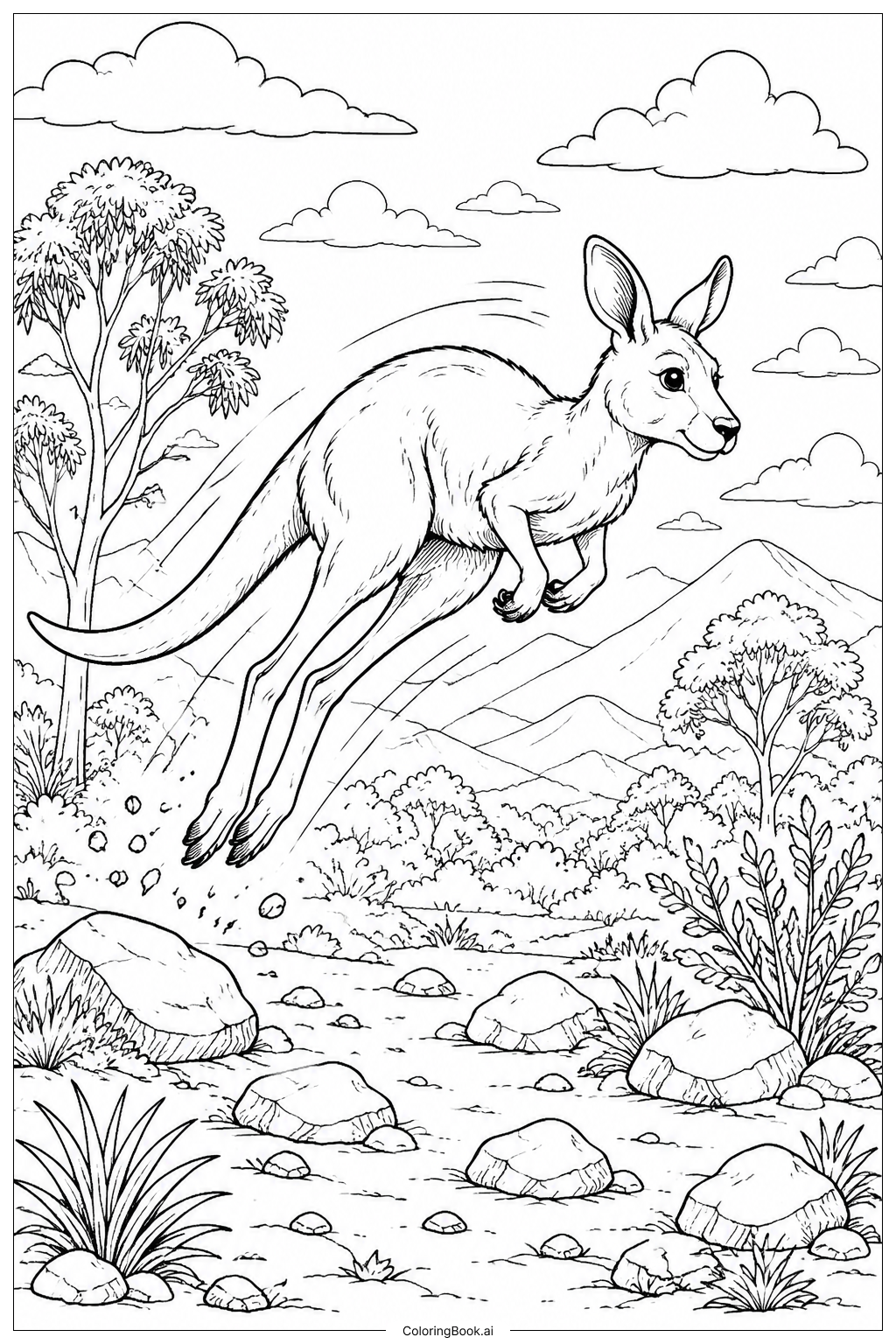
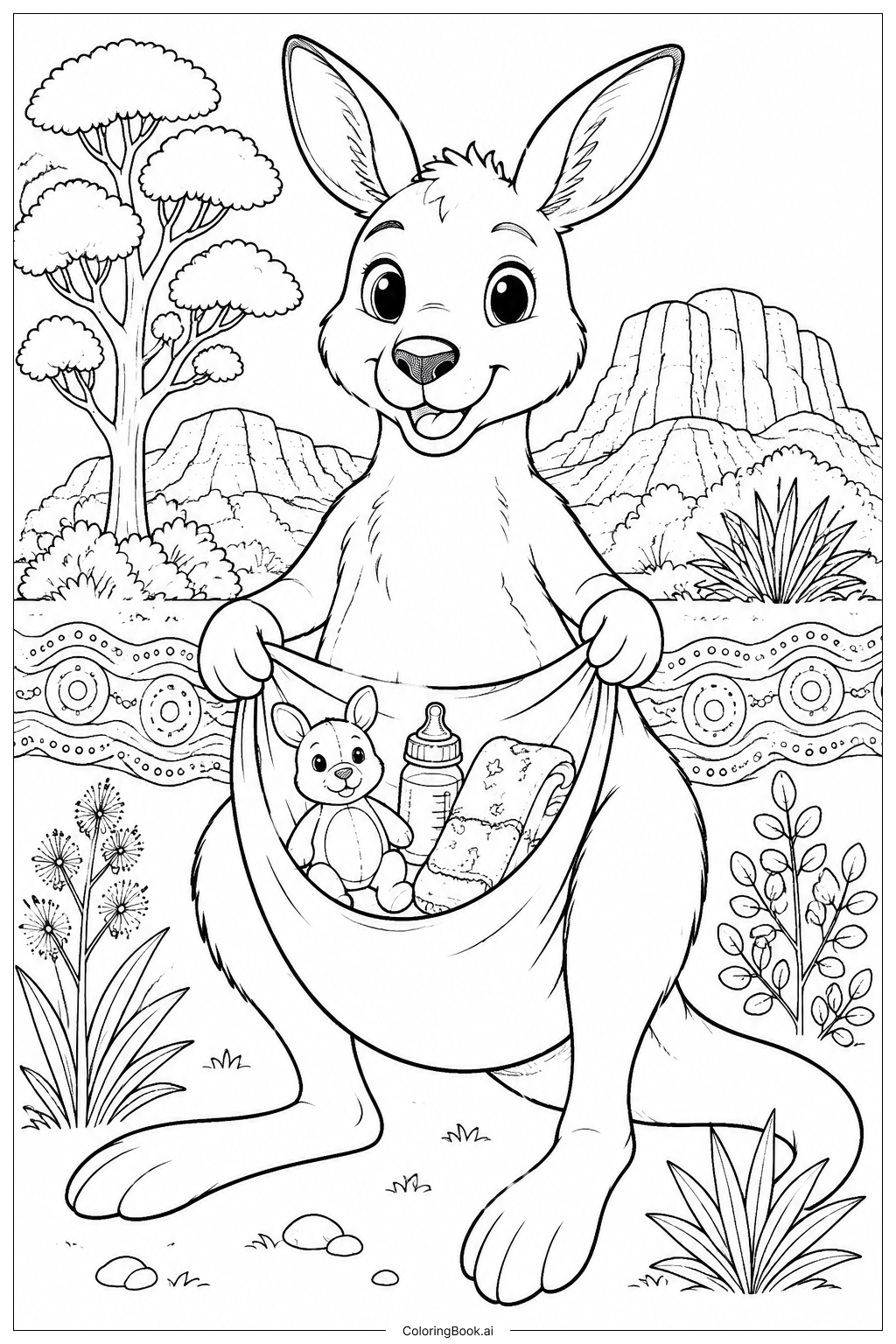
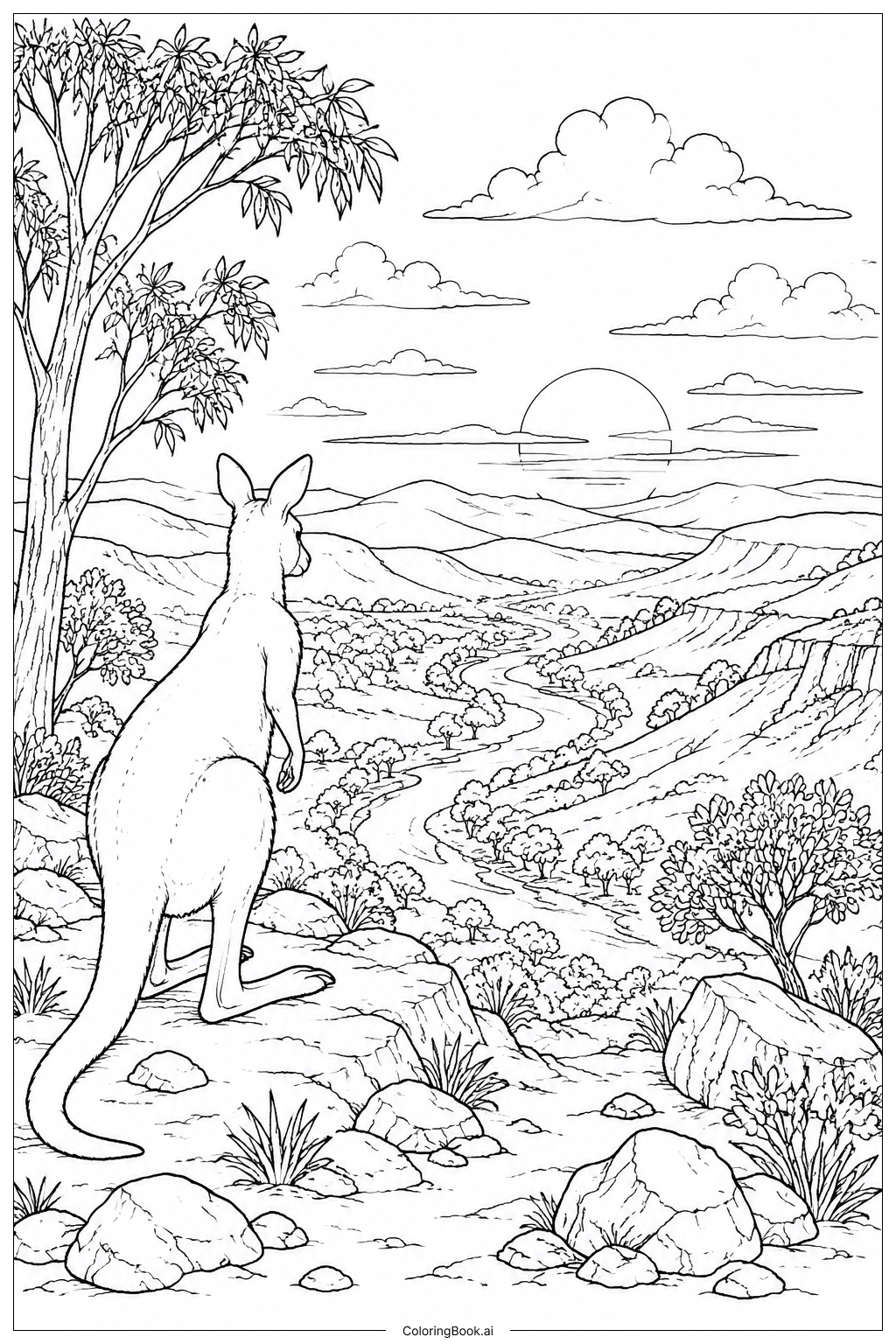
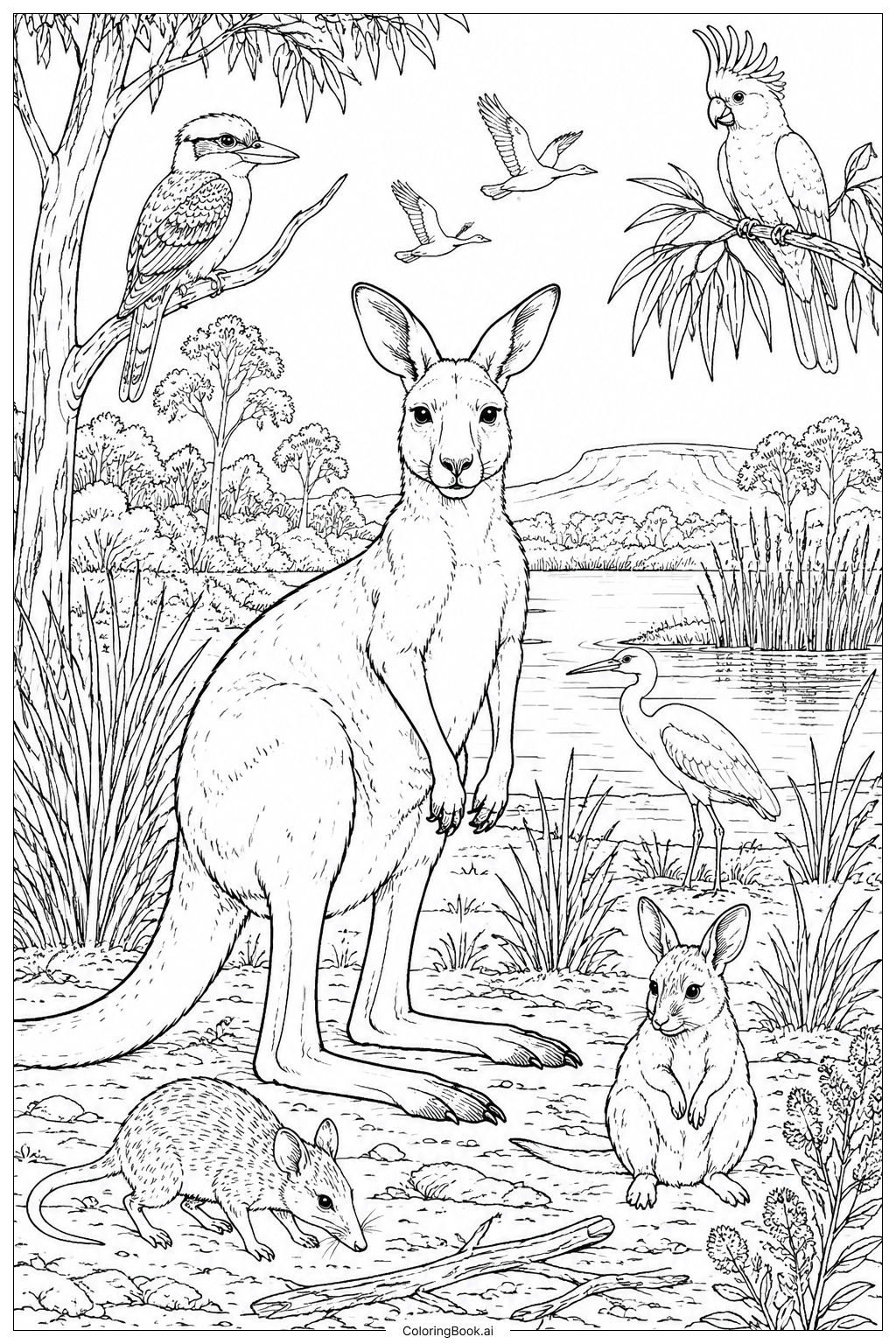
For this coloring page, try using soft browns, tans, and creams to color the kangaroo’s body. You can add darker brown or reddish tones on the ears and tail tips to create contrast. Use different shades of green for the bushes and grass around the trail to bring the scene to life. Consider using light blue or pale yellow for the sky if you want to add a background color. To highlight the trail, use warm earthy colors like beige, light brown, or dusty orange. You may experiment with blending colors gently on the trail to show texture. Try coloring the kangaroo’s eyes with black or dark brown to make them look bright and alert. Keep your strokes smooth and follow the natural shapes for a neat look!
Coloring challenges: Which parts are difficult to color and need attention for Kangaroo On Trail coloring page?
• Shading the kangaroo’s fur: Capturing the soft texture and natural color variations in the kangaroo’s fur can be challenging. It requires blending different shades of brown and adding subtle highlights and shadows.
• Coloring the vegetation: The mix of grasses, bushes, and plants requires careful coloring to keep them distinct, especially where the greenery overlaps the trail or the kangaroo’s legs.
• Trail texture: Showing the path’s curve and uneven surface with coloring demands attention to detail and the ability to use gradients or layering of earth tones effectively.
• Maintaining clean edges: The boundaries between the kangaroo, trail, and plants are close, so coloring inside lines without bleeding over into other areas may be tricky.
• Small details in the ears and eyes: These small but important features need precision and neatness to bring character into the kangaroo’s expression without smudging.
Benefits of coloring books: Advantages of drawing Kangaroo On Trail coloring page
Coloring this Kangaroo On Trail image helps improve hand-eye coordination and fine motor skills because it requires careful control around edges and small details. It encourages creativity as colorists choose natural and imaginative shades for the kangaroo and surrounding nature. This image promotes focus and patience since applying shading and color blending takes time and attention. Coloring animals like kangaroos also inspires curiosity about wildlife and habitats, which can motivate learning about nature and ecosystems. Overall, this coloring page provides both a relaxing art activity and a chance to connect with the environment in an enjoyable way.