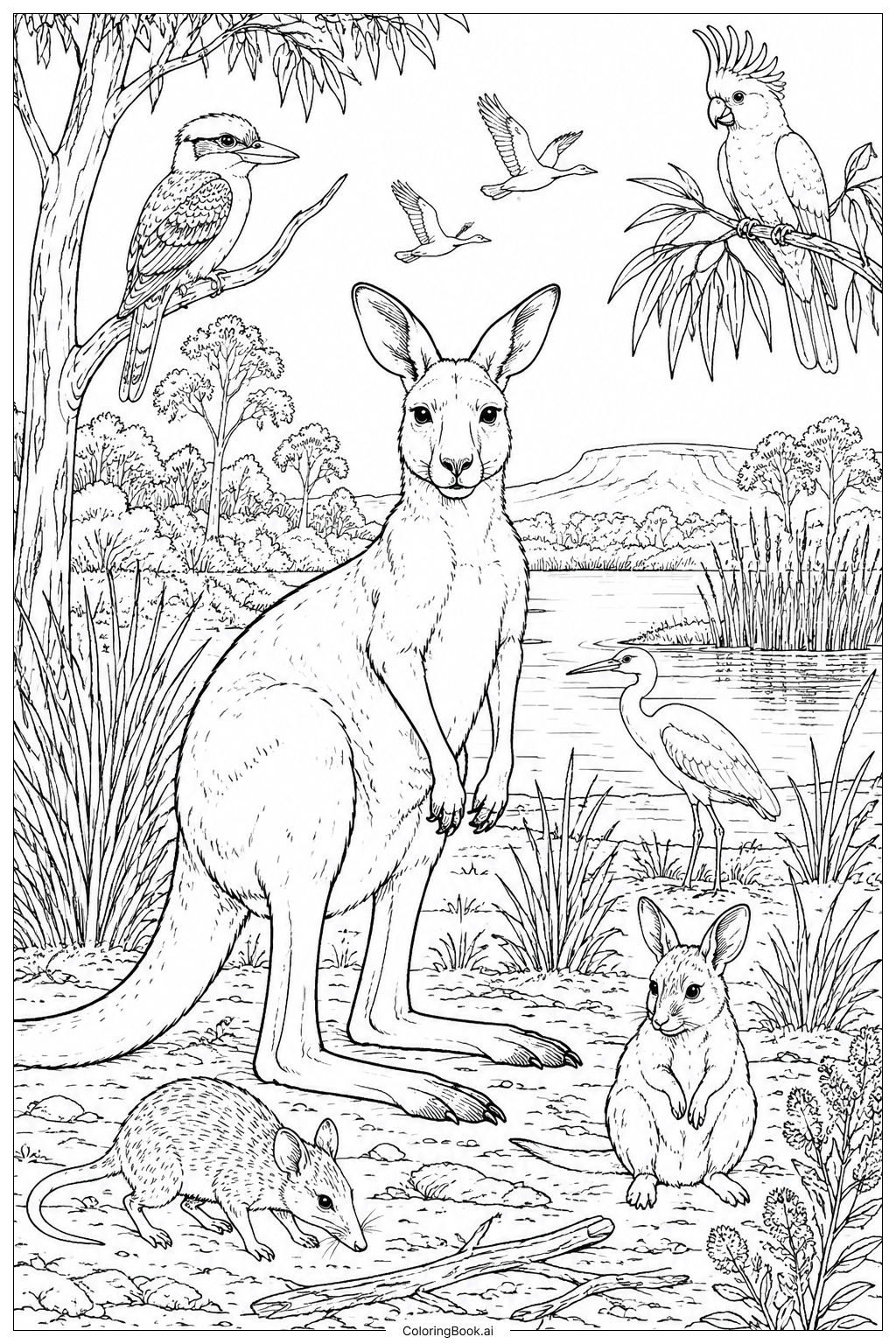
Coloring tips: How to color Kangaroo Wildlife Scene coloring page well?
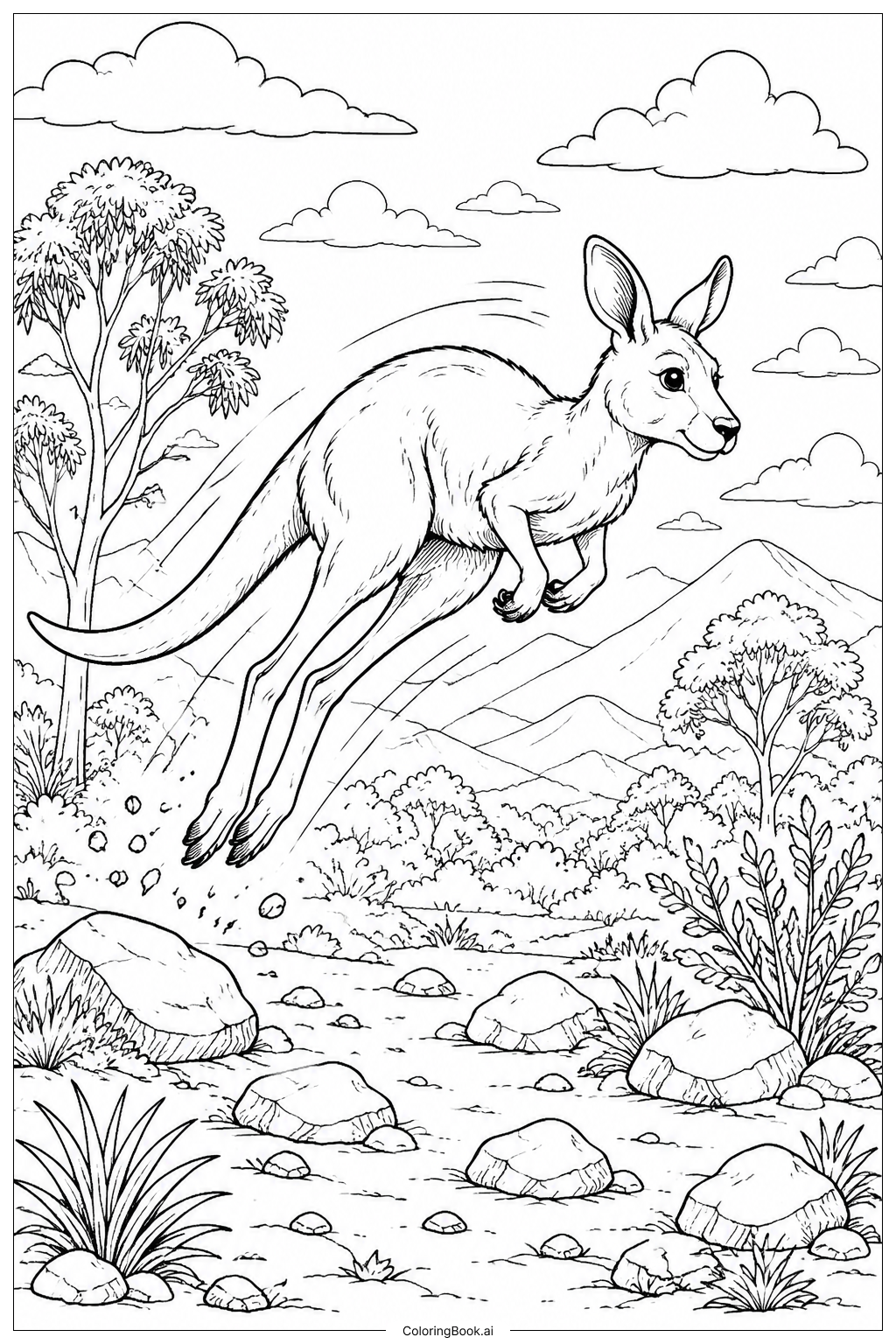
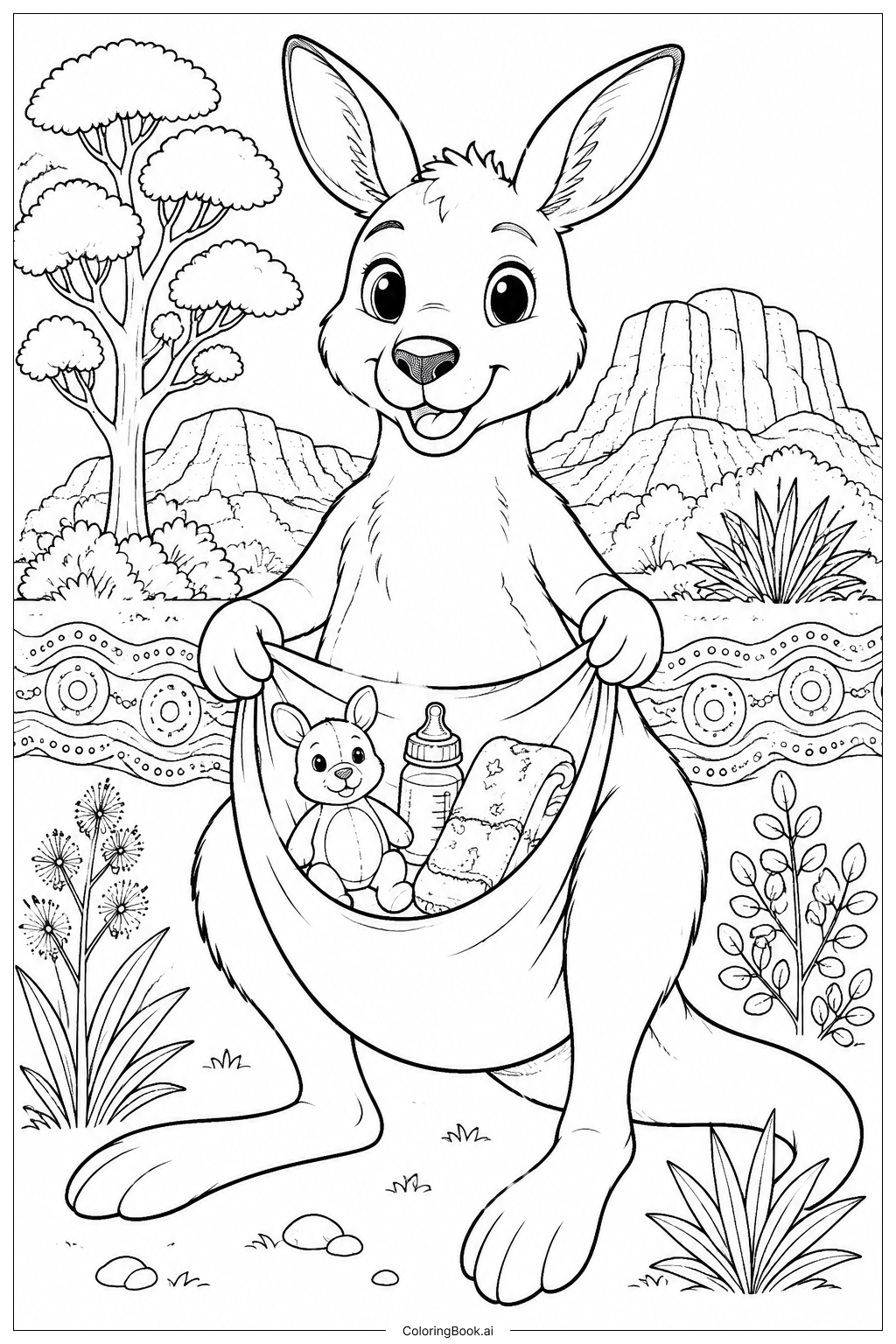
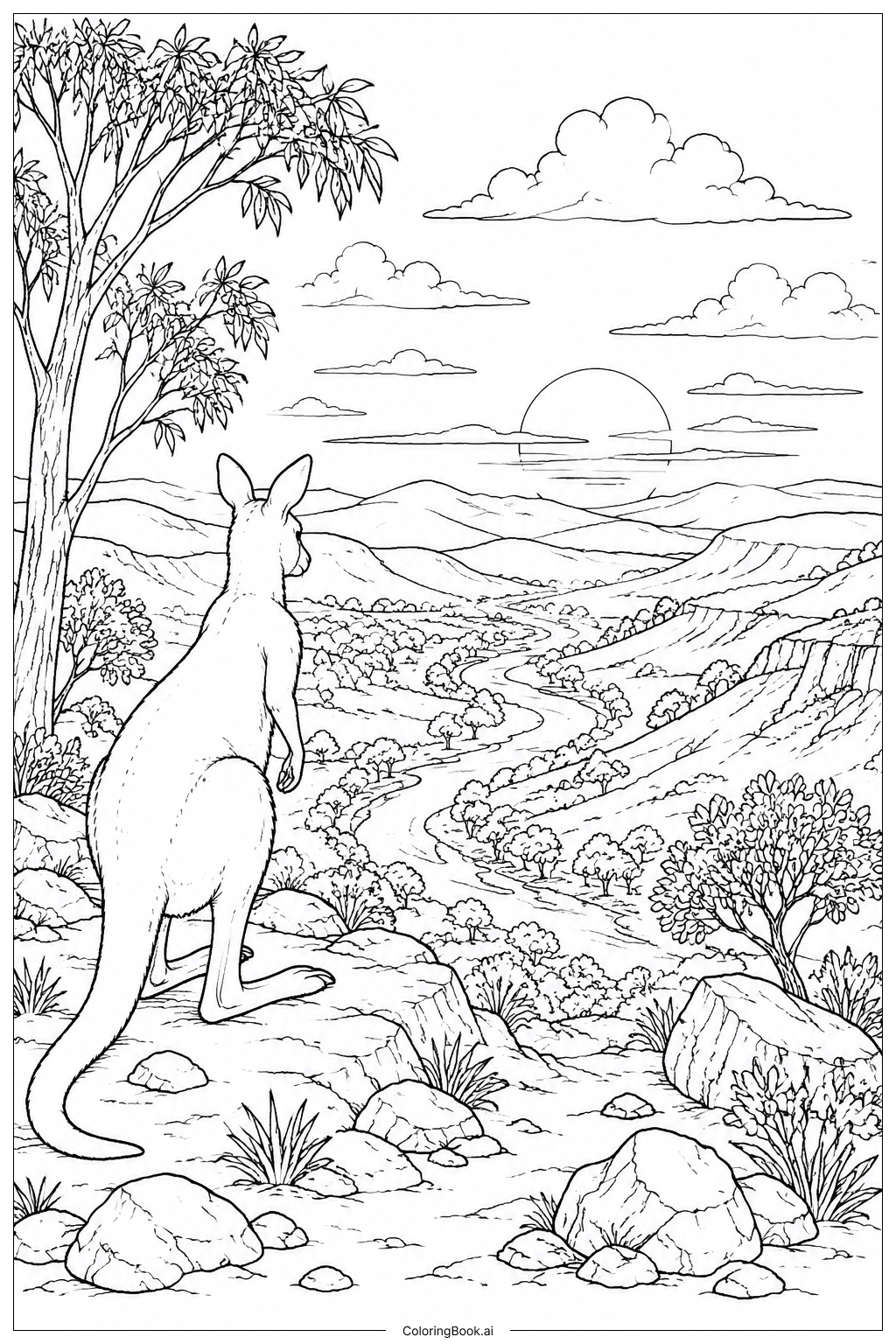
To bring this Kangaroo Wildlife Scene to life, try using warm and earthy colors. The Kangaroo’s fur can be colored in shades of brown, from light tan to rich reddish-brown, reflecting its natural coat. For the grass and bushes, varying greens will add texture and interest, from soft olive to vibrant leaf green. Use light blue or soft gray for the sky to create a calm background. You might add some yellow or orange tones to the rocks and soil for a sunlit effect. Don’t be afraid to blend colors gently for a soft, natural look. For younger artists, breaking down the image into sections (Kangaroo, grass, sky) and choosing one or two colors each can make coloring easier and fun.
Coloring challenges: Which parts are difficult to color and need attention for Kangaroo Wildlife Scene coloring page?
• The Kangaroo's body has many curved contours and muscle shapes that require careful coloring to avoid coloring outside the lines. This can be tricky for younger or less experienced artists.
• The background features detailed elements like grass blades and bushes, which are densely packed and may demand patience and precision to color fully and neatly.
• Shading the Kangaroo’s fur realistically involves blending multiple shades of brown and tan, which can be challenging for those unfamiliar with color transitions.
• Differentiating overlapping elements such as the Kangaroo’s tail behind the legs or grass in front of it requires focus to maintain clean edges.
• The clouds and sky area need smooth, even coloring for a consistent look, which may be difficult using some coloring tools like crayons or markers that leave uneven textures.
Benefits of coloring books: Advantages of drawing Kangaroo Wildlife Scene coloring page
Coloring this Kangaroo Wildlife Scene is great for developing fine motor skills and hand-eye coordination through detailed and careful work on the Kangaroo’s body and surrounding plants. It encourages attention to detail, especially when shading fur and blending colors for a natural effect. For children, interacting with a wildlife subject like the Kangaroo can inspire curiosity about animals and their habitats. It also stimulates creativity as artists choose how to depict the environment—from realistic to imaginative colors. Coloring this scene can be relaxing and rewarding, helping to build focus and patience while making a beautiful wildlife artwork.