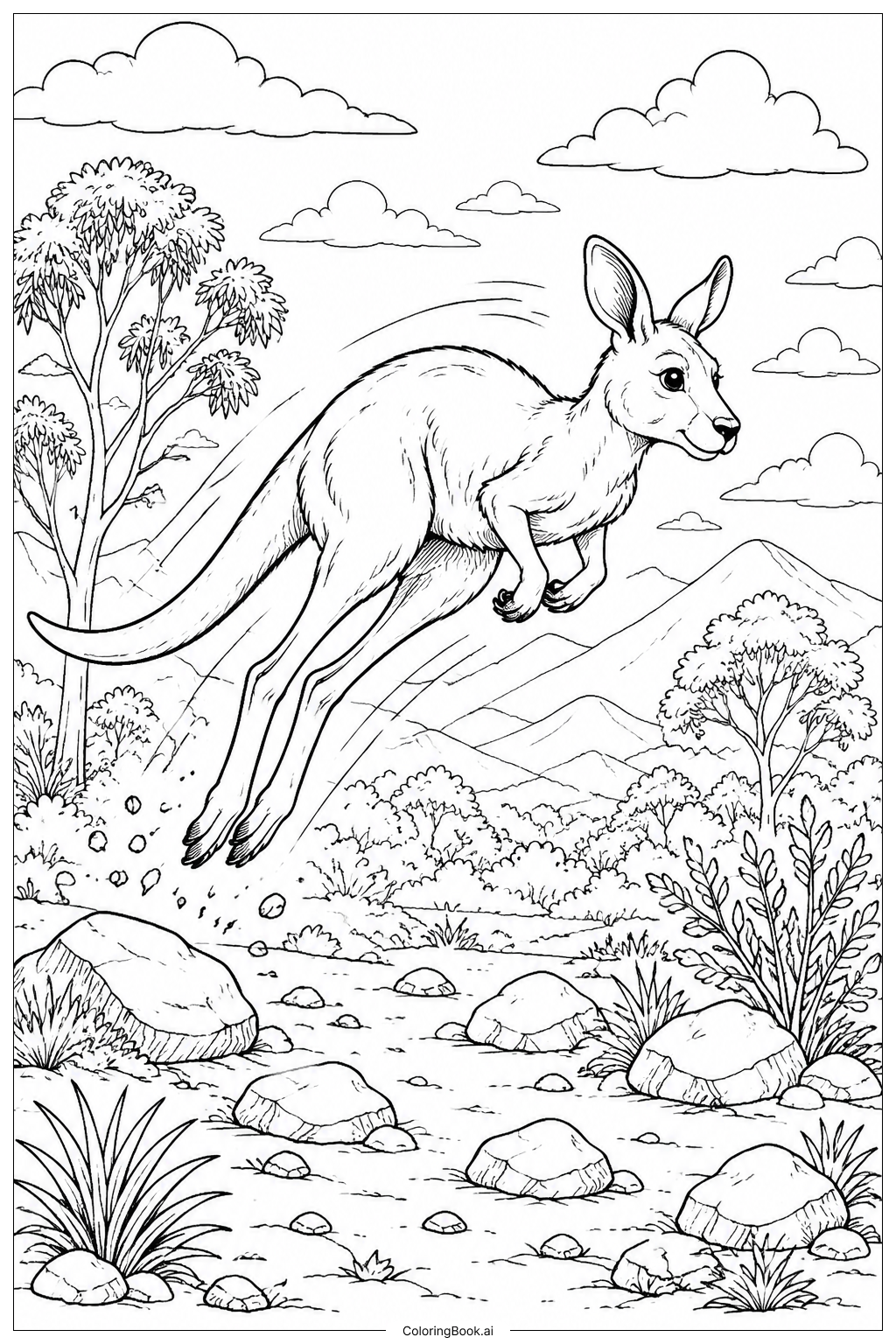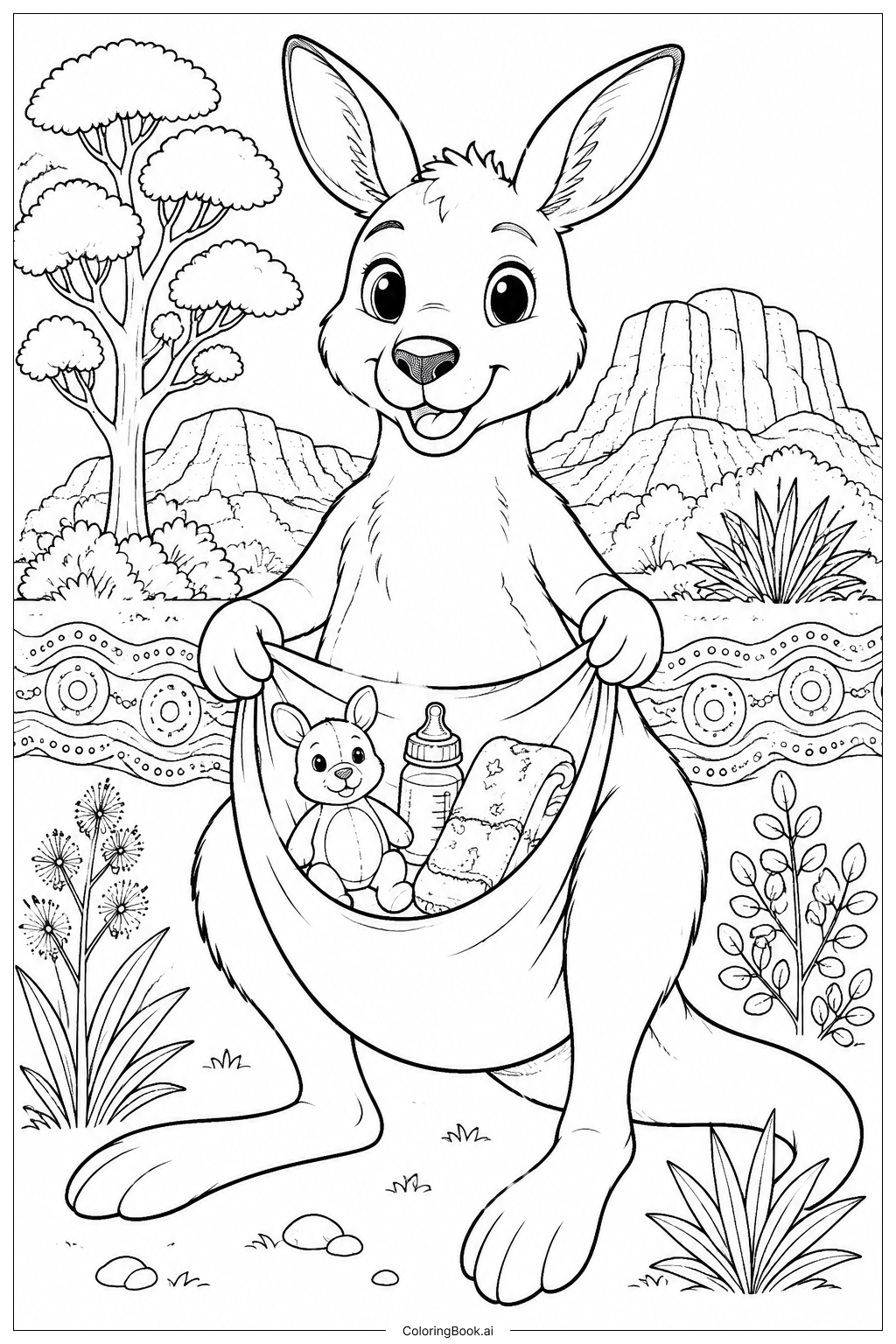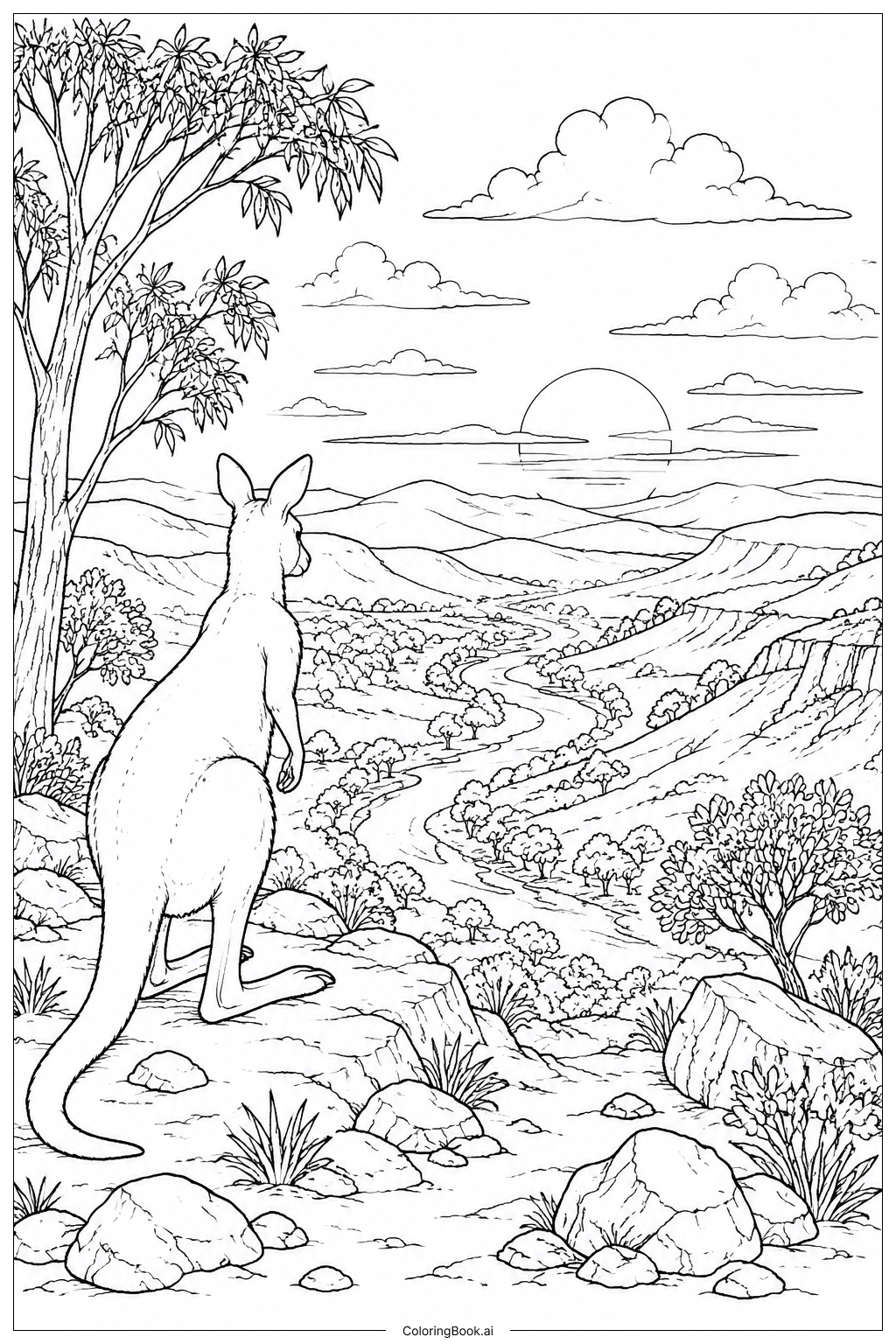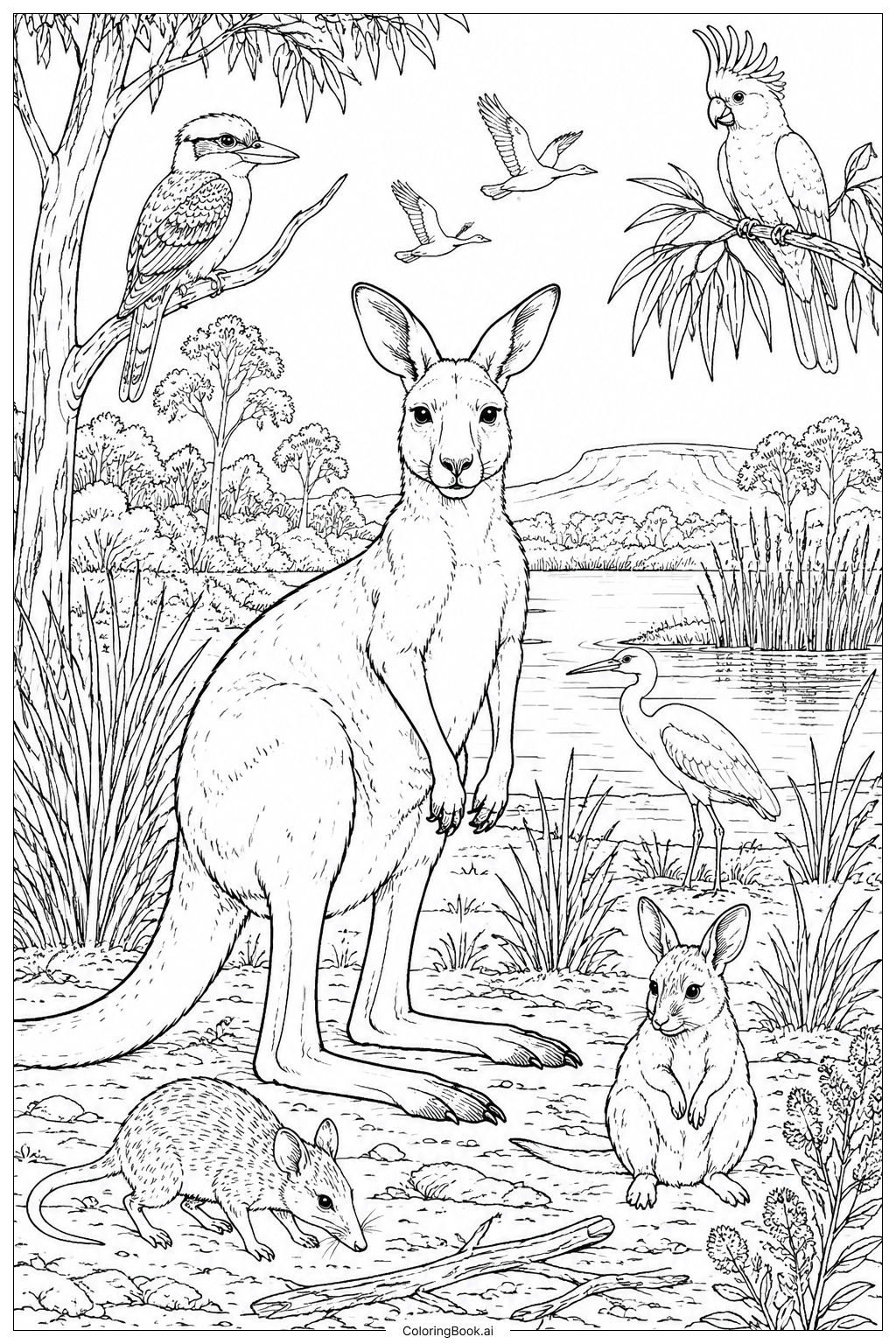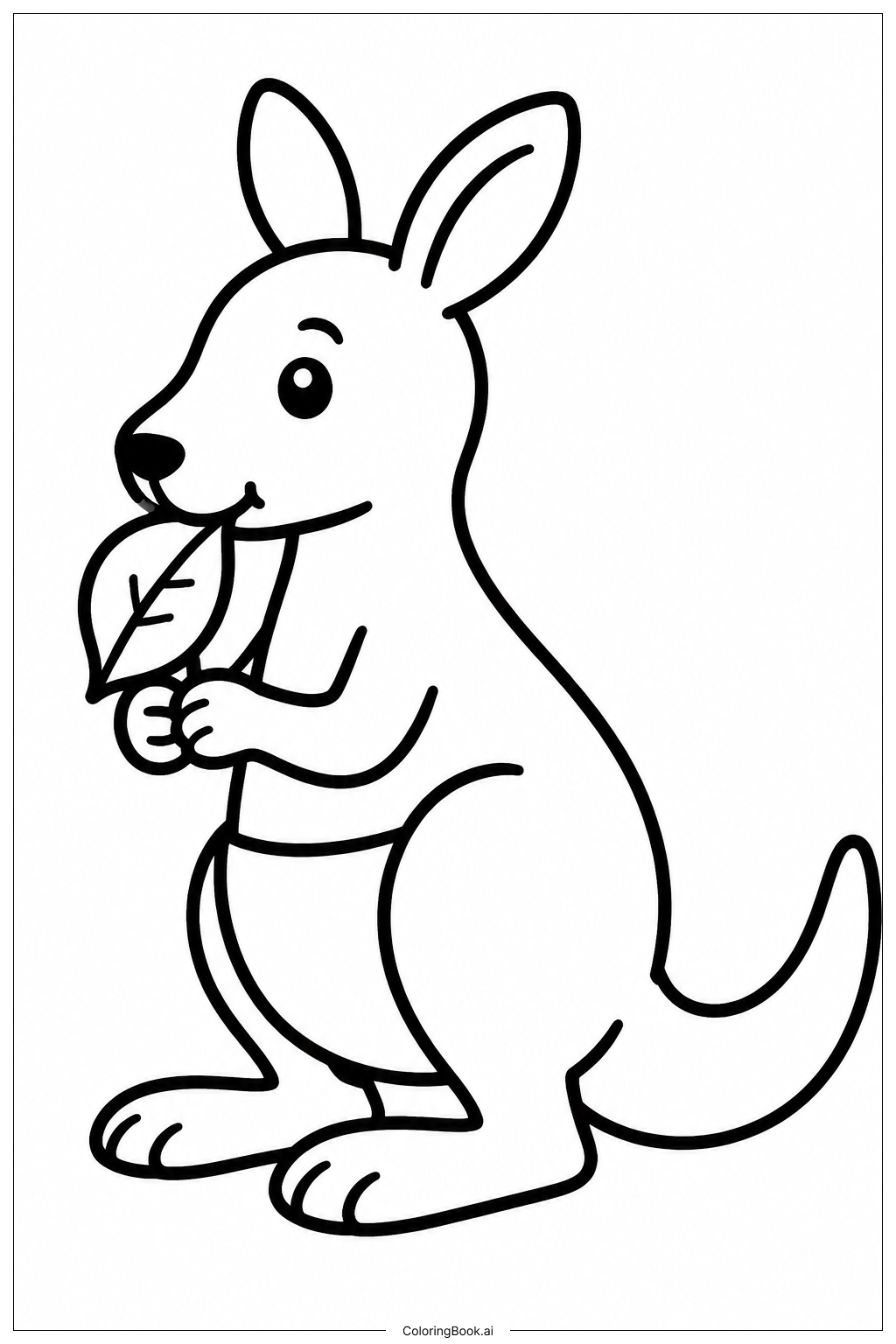
Coloring tips: How to color Kangaroo Eating Leaf coloring page well?
For this image, try using soft browns and tans for the kangaroo’s fur to reflect its natural look. You can use a light beige or cream color for the belly and inside the ears. The leaf the kangaroo is eating can be colored in fresh green shades, with different tones to add depth. The background grass and leaves can be various shades of green as well. Feel free to add some sky-blue or light colors behind the kangaroo to create a calm atmosphere. Using colored pencils or crayons will help you achieve shading on the kangaroo’s fur and make the picture more lively.
Coloring challenges: Which parts are difficult to color and need attention for Kangaroo Eating Leaf coloring page?
- The kangaroo’s fur has many small details, making it tricky to color evenly without going outside the lines.
- Coloring the leaf the kangaroo is holding requires careful attention so the green looks natural and not too flat.
- The kangaroo’s face, especially around the eyes and ears, needs precise coloring to keep the gentle expression intact.
- Adding shading on the hind legs and tail can be challenging to show the animal’s muscular shape and depth.
- Balancing different shades of brown on the fur while avoiding too dark or patchy spots may require patience and layering techniques.
Benefits of coloring books: Advantages of drawing Kangaroo Eating Leaf coloring page
Coloring this kangaroo image helps improve fine motor skills, especially with careful shading and small details around the face and paws. It encourages focus and patience as children work to blend browns and greens smoothly. This picture also introduces kids to Australian wildlife, sparking curiosity about nature and animals. Coloring the leaf and background helps develop an understanding of natural colors and how they vary in real life. Overall, this activity promotes creativity while teaching attention to detail and hand-eye coordination.