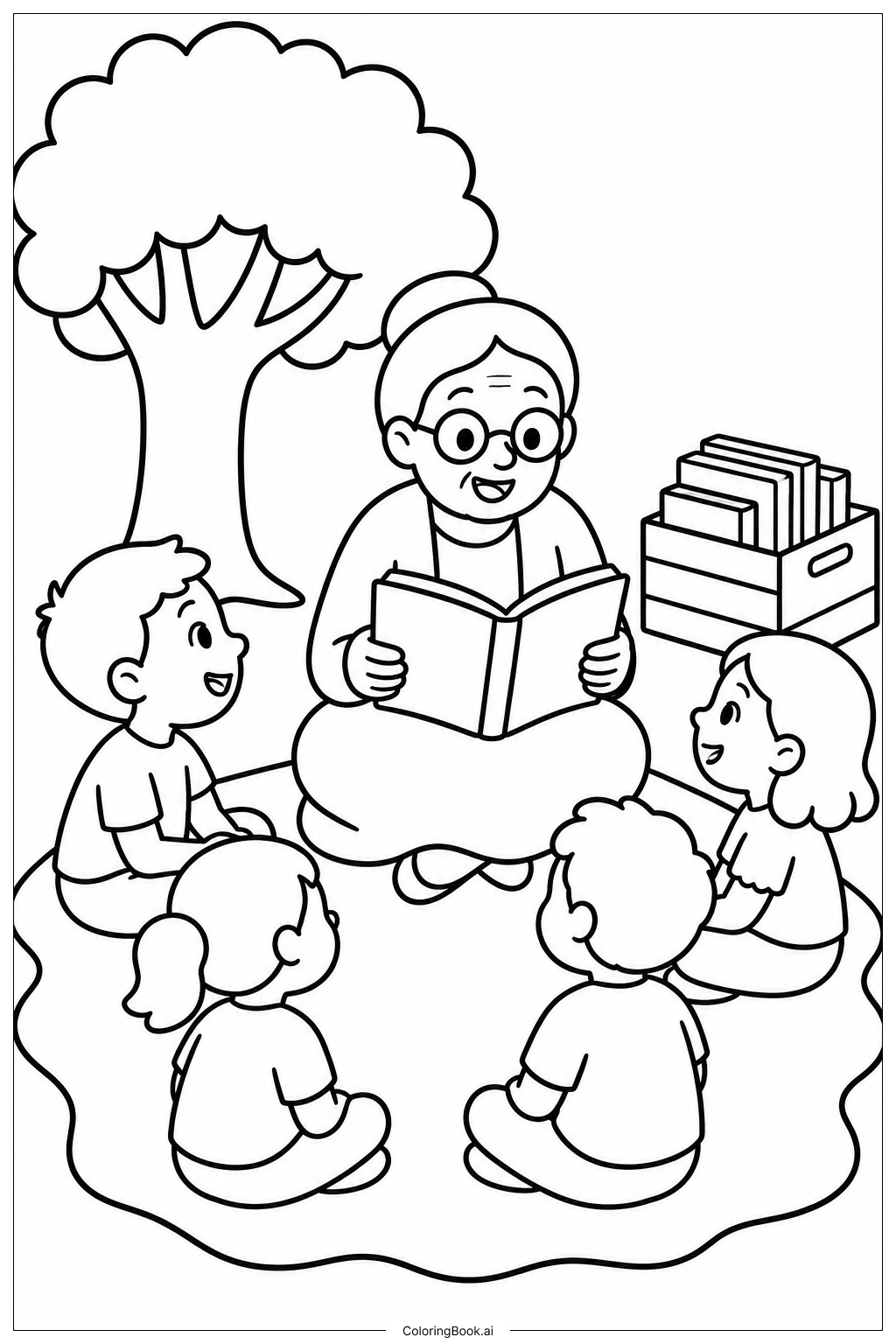
Coloring tips: How to color Juneteenth Storytelling Circle coloring page well?
Start with the people in the circle. Use warm skin tones like golden brown, deep mahogany, and sandy beige to show the diversity of the group. For the elders, try soft gray or white hair to show their wisdom. Color the children's clothing in bright, cheerful shades like yellow, red, and sky blue. The decorative banners and fabric patterns look great in the colors of Juneteenth, red, black, and green. Add warm orange and gold to the background to give the scene a glowing, sunset feel. Use greens for any grass or plants around the circle. The stars and flowers in the border can be colored in bold, contrasting shades to make them pop. Take your time with the faces, simple lines of peach, brown, or tan work well. Let each person in the circle feel unique by giving them their own color combinations. There are no wrong choices here. Use the colors that feel joyful and celebratory to you.
Coloring challenges: Which parts are difficult to color and need attention for Juneteenth Storytelling Circle coloring page?
• Faces and Expressions: Each person in the circle has a unique facial expression, from wide-eyed children to wise, storytelling elders. Coloring small faces requires a steady hand and careful use of light skin tone shades. Too much color in one area can make features look flat or muddy. Try using lighter base tones first and layer gently for depth.
• Overlapping Figures: Because the people sit close together in a circle, their bodies, arms, and clothing often overlap. This makes it tricky to keep each person's colors separate and clean. Using colored pencils with fine tips or thin markers helps you stay within the lines and avoid colors bleeding into neighboring figures.
• Decorative Patterns on Clothing and Banners: The geometric and cultural patterns on the fabric, clothing, and banners are small and detailed. Each section needs its own color to make the patterns stand out. Rushing through these areas can make them look messy. Work section by section and choose colors that contrast well with each other.
• Hair Variety: The scene includes people with different hair textures and styles, from tight coils to long braids. Each style has small lines and curves that need careful attention. Use dark browns, blacks, or grays and shade lightly along the hair strands to show volume and texture.
• Background Balance: The background elements like stars, flowers, and sky can easily overpower the figures if colored too boldly. Keep background colors softer and lighter so the people in the circle remain the main focus of the image.
Benefits of coloring books: Advantages of drawing Juneteenth Storytelling Circle coloring page
Coloring the Juneteenth Storytelling Circle is a wonderful activity for kids and families alike. It is a creative way to connect with history and culture while having fun with color. As you fill in each person in the circle, you naturally think about community, family, and the importance of sharing stories. This builds empathy and a deeper appreciation for different experiences and backgrounds.
For younger children, this image helps develop fine motor skills and hand-eye coordination. Staying within the detailed lines of clothing patterns and faces takes focus and patience, which are great skills to practice.
For older kids and teens, the scene opens up conversations about Juneteenth, freedom, and the power of oral storytelling traditions. Coloring becomes a thoughtful, mindful activity that connects art with learning.
For adults, working through the layered details of overlapping figures and decorative patterns offers a calming, meditative experience. It encourages slow, intentional focus that can reduce stress and quiet a busy mind.
Most importantly, this image celebrates joy and togetherness. Completing it gives a real sense of pride and accomplishment. Whether you color it alone or alongside others, the Juneteenth Storytelling Circle reminds us that stories connect us all.