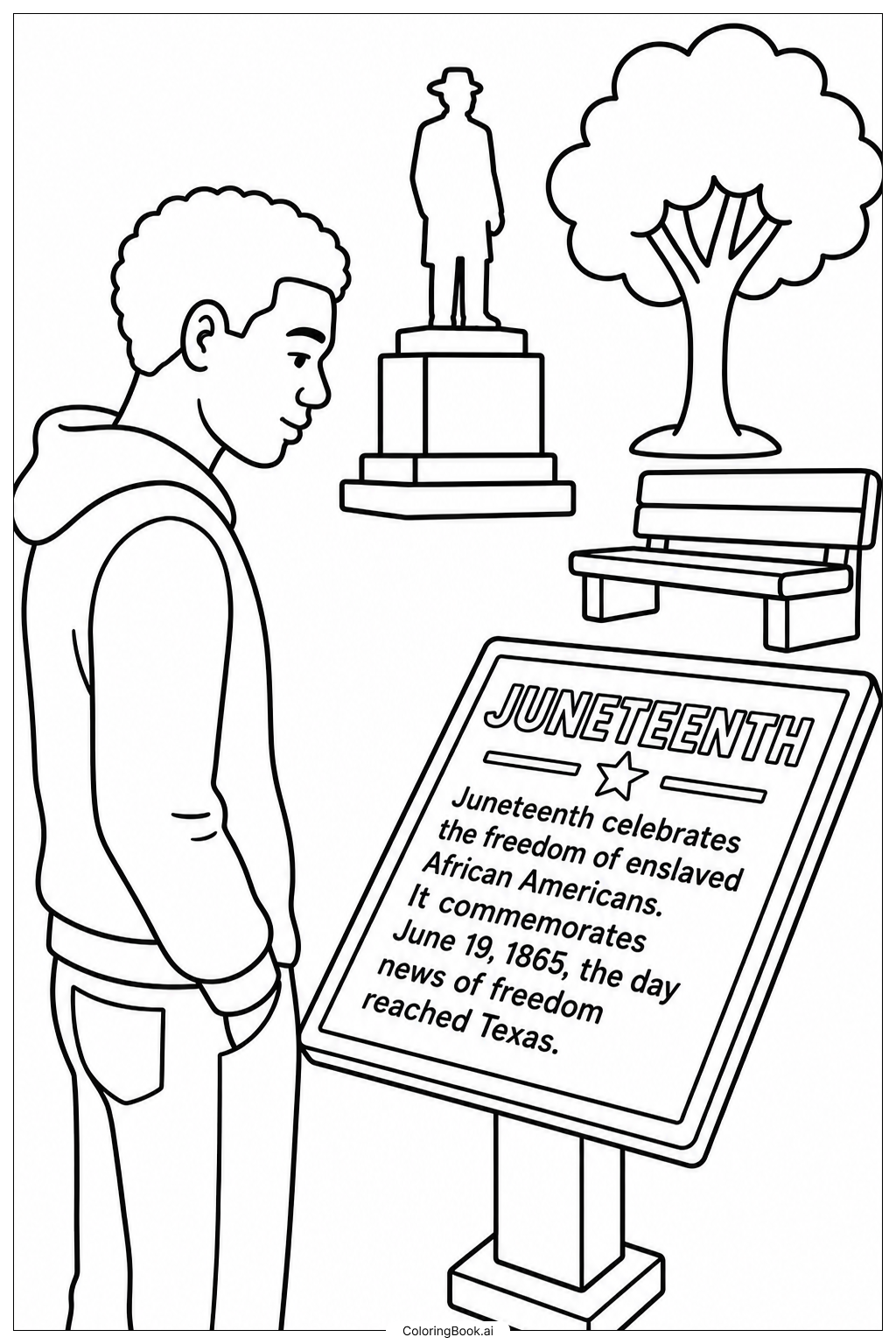
Coloring tips: How to color Juneteenth Historical Reading coloring page well?
Start with the background elements. Use warm tan or cream tones for the walls and wooden furniture to create a cozy, historical feel. For the figure's clothing, try deep navy blue, brown, or forest green to reflect 19th-century styles. The document or book pages can be colored in soft ivory or pale yellow, as if aged with time. Use bright gold or amber for the candlelight, letting it glow across the desk. The quill pen can be white or light gray with a brown ink-stained tip. Add warm wood tones to the desk and bookshelves. For the window, try soft blue or lavender to suggest open sky and freedom. Encourage kids to use darker shades around the edges of the light source to show shadows. This helps the scene feel alive and dramatic. Take your time with small details — the folds in the clothing, the spines of books, and the curl of the quill all reward careful coloring.
Coloring challenges: Which parts are difficult to color and need attention for Juneteenth Historical Reading coloring page?
• Fabric Folds and Clothing Details: The figure's 19th-century clothing includes many folds, lapels, and layers. Coloring these realistically requires using at least two shades of the same color — one lighter and one darker — to show depth and shadow. Children may find it tricky to stay within the lines of each fold while switching between shades.
• Candlelight and Glow Effects: Showing the warm glow of a candle or lantern on a flat coloring page is one of the hardest challenges here. The light should be brightest near the flame and fade outward. Using yellow at the center and blending into orange, then brown toward the edges, creates this effect. Younger colorists may struggle with this gradual transition.
• Aged Document Textures: The book pages and historical document should look old and worn, not crisp white. Achieving that aged look means layering light yellow, tan, or light brown very gently. Too much pressure with a crayon or marker can make the page look muddy rather than vintage.
• Small Desk Items and Inkwell: The quill, inkwell, and small book details require fine motor control and a sharp pencil or thin marker. These tiny elements can easily become overcolored, losing their shape. Patience and a light hand are key.
• Background Depth and Window: The background needs to feel further away than the figure. Using lighter, cooler colors for the wall and window helps push them back visually. Getting this contrast right between foreground and background can be challenging for less experienced colorists.
Benefits of coloring books: Advantages of drawing Juneteenth Historical Reading coloring page
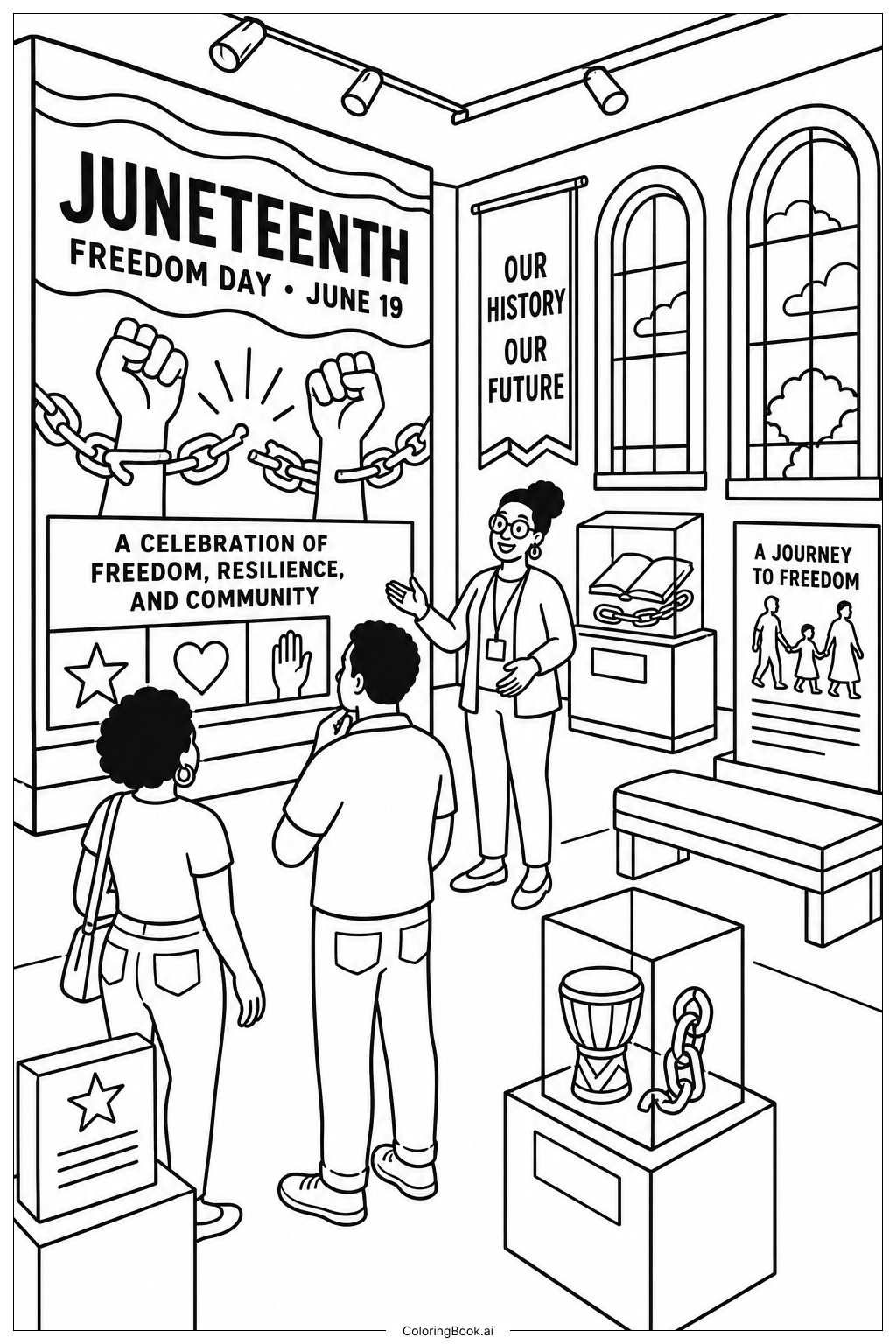
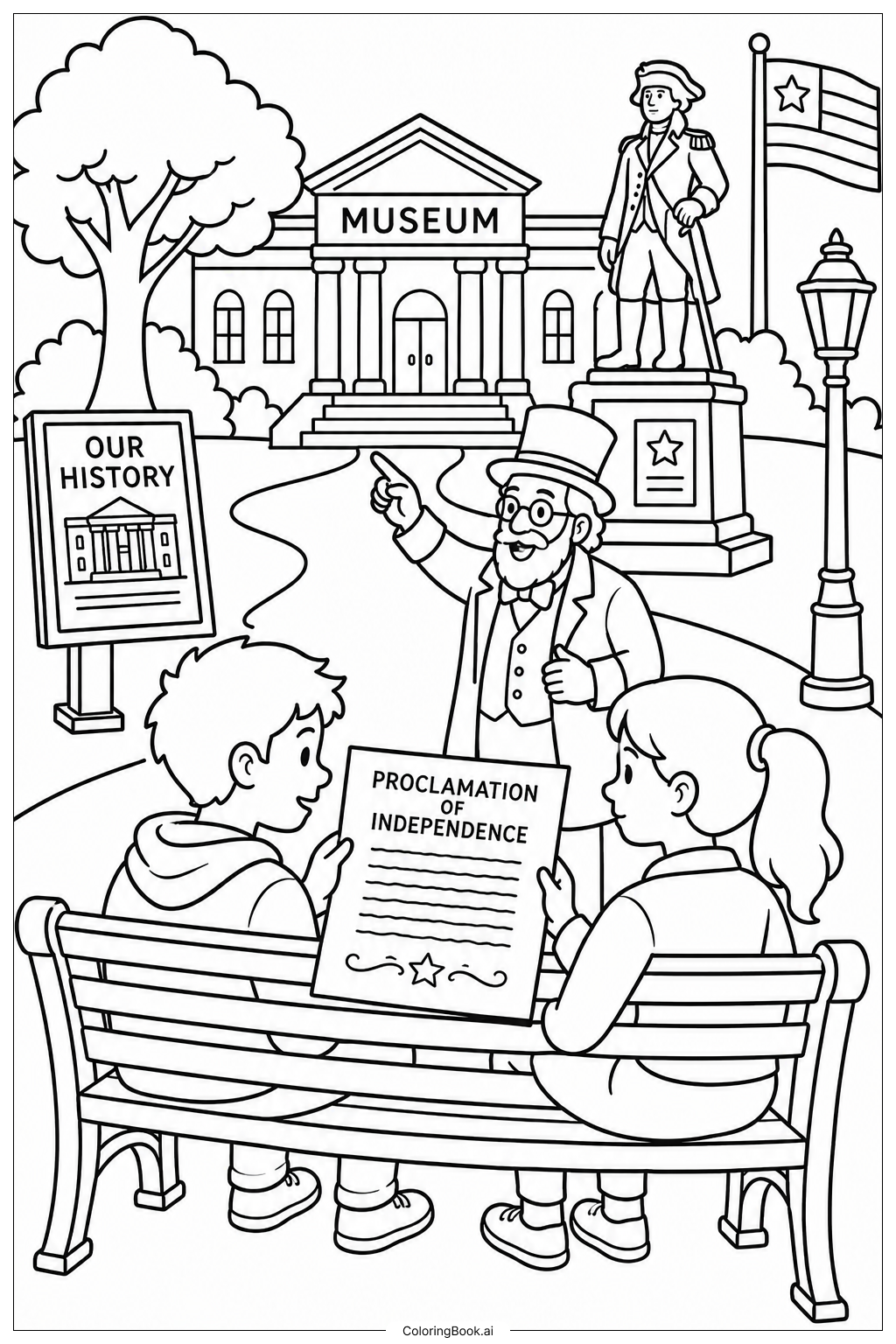
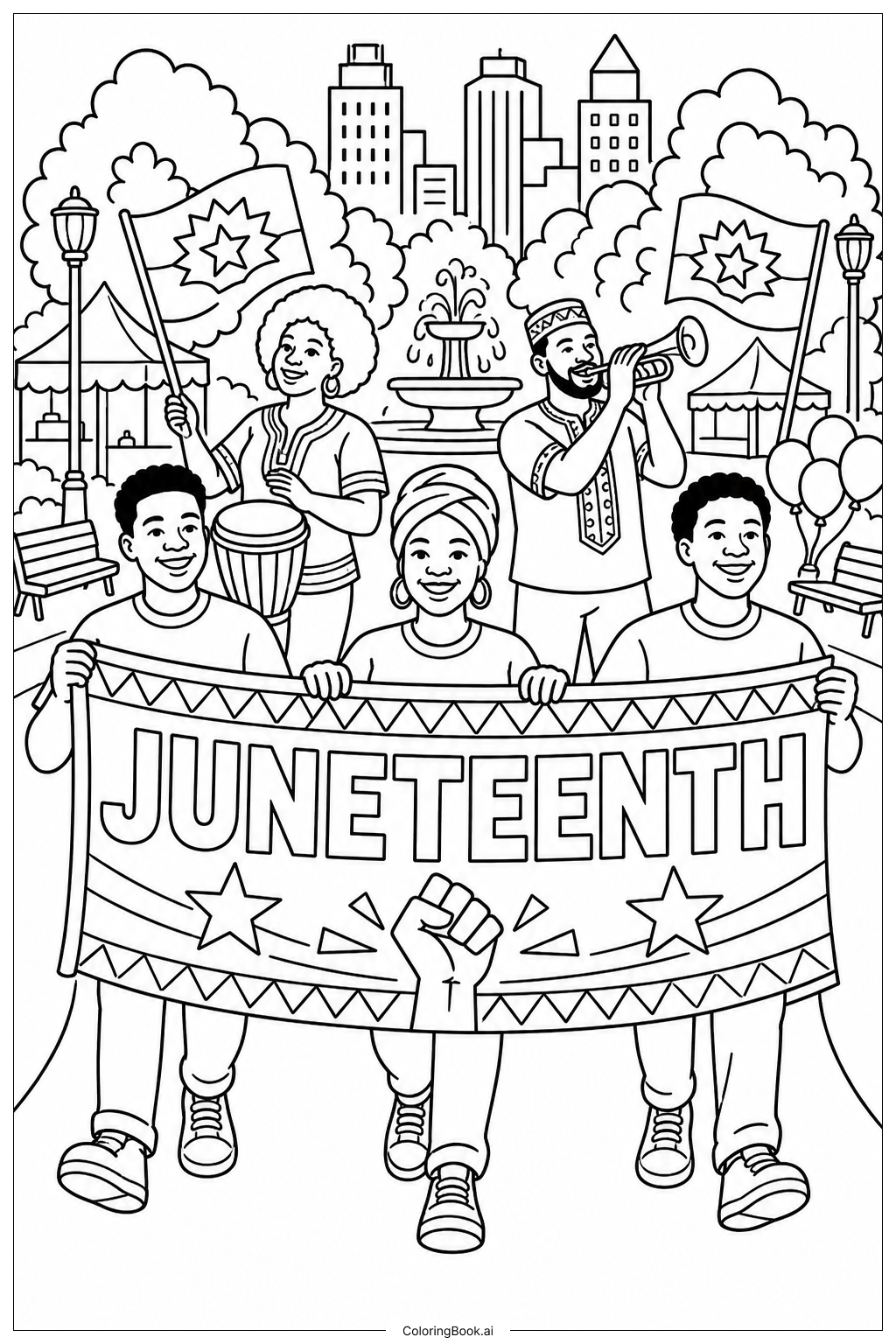
Coloring this Juneteenth Historical Reading page offers wonderful benefits for children and young learners. First, it sparks curiosity about history. As kids color the scene, they naturally wonder about the figure, the documents, and what the story means — opening doors to conversations about Juneteenth, freedom, and American history.
Second, the detailed composition — clothing folds, books, candlelight — builds fine motor skills and hand-eye coordination. Carefully staying within small lines and switching between colors strengthens the same muscles kids use for writing.
Third, this page encourages creative thinking. Choosing colors for historical clothing, aged paper, and warm lighting helps children develop an eye for storytelling through color. They begin to understand that color choices carry meaning and mood.
Fourth, completing a scene with this much detail builds patience and focus. Children learn to slow down, work through one section at a time, and feel proud of a finished piece.
Finally, this image celebrates a meaningful cultural moment. Coloring it helps children connect emotionally with history in a personal, hands-on way. It makes Juneteenth feel real, not just like words in a textbook. That emotional connection is one of the most powerful benefits art can offer.