Coloring tips: How to color Joseph Coat Of Many Colors Folded coloring page well?
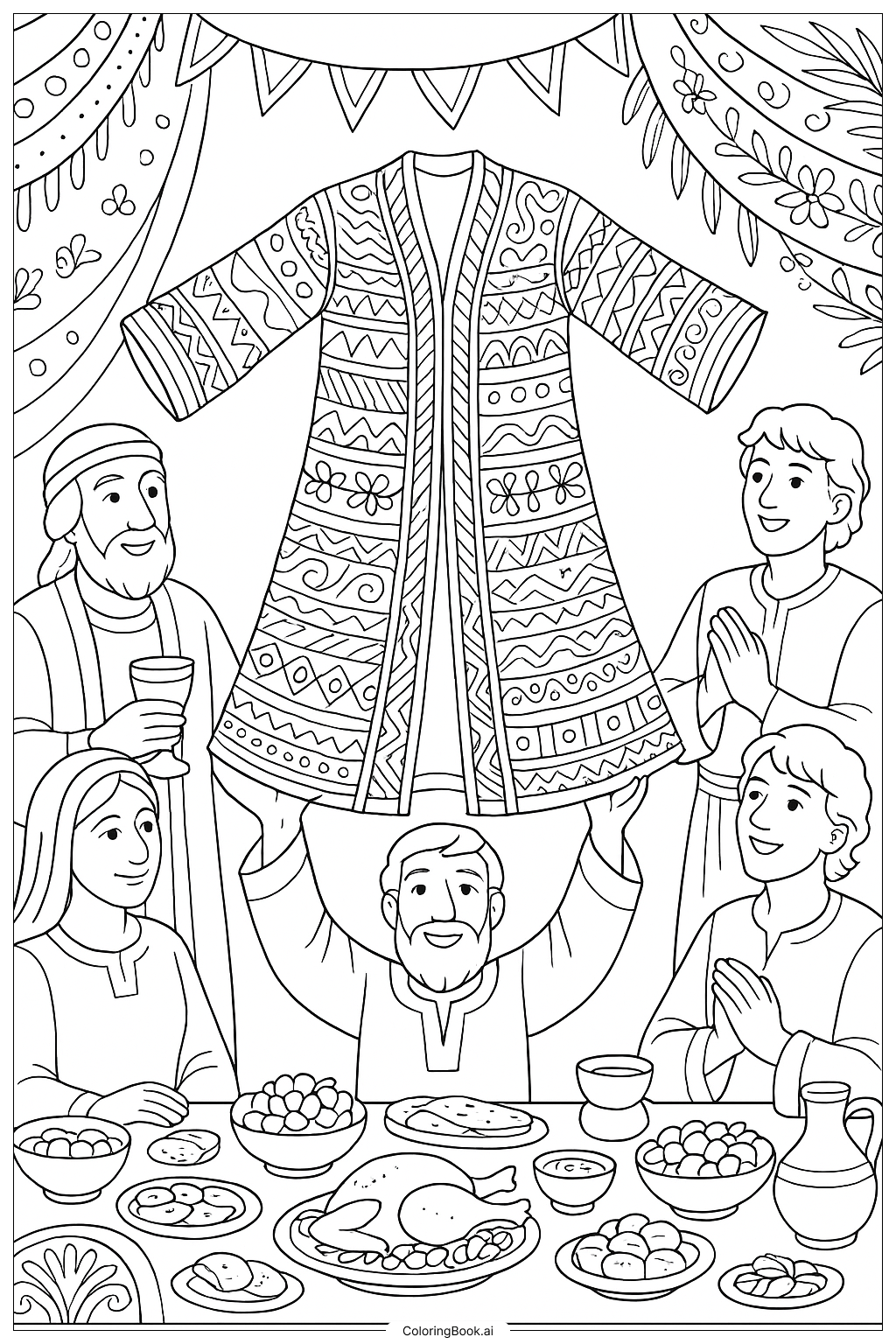
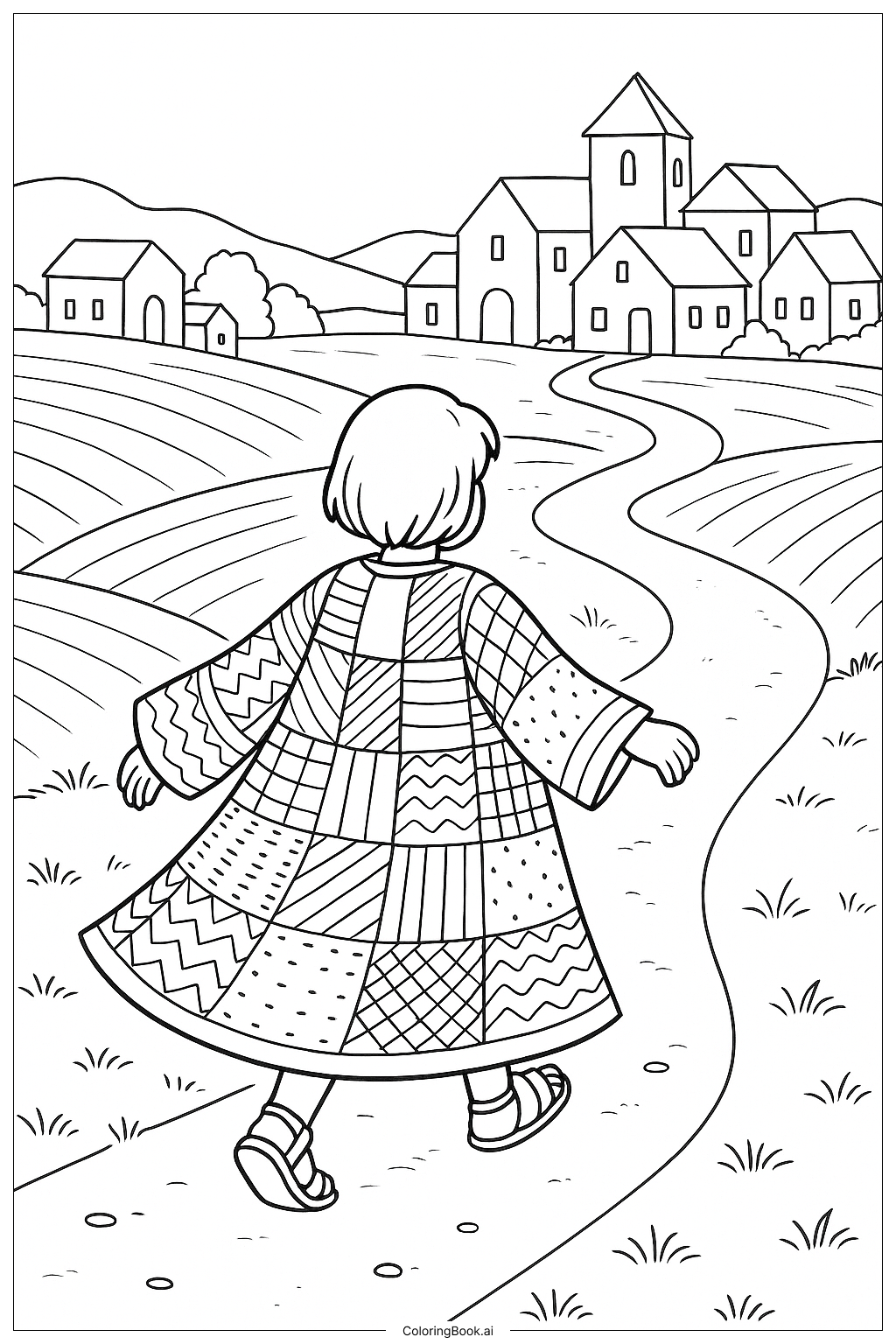
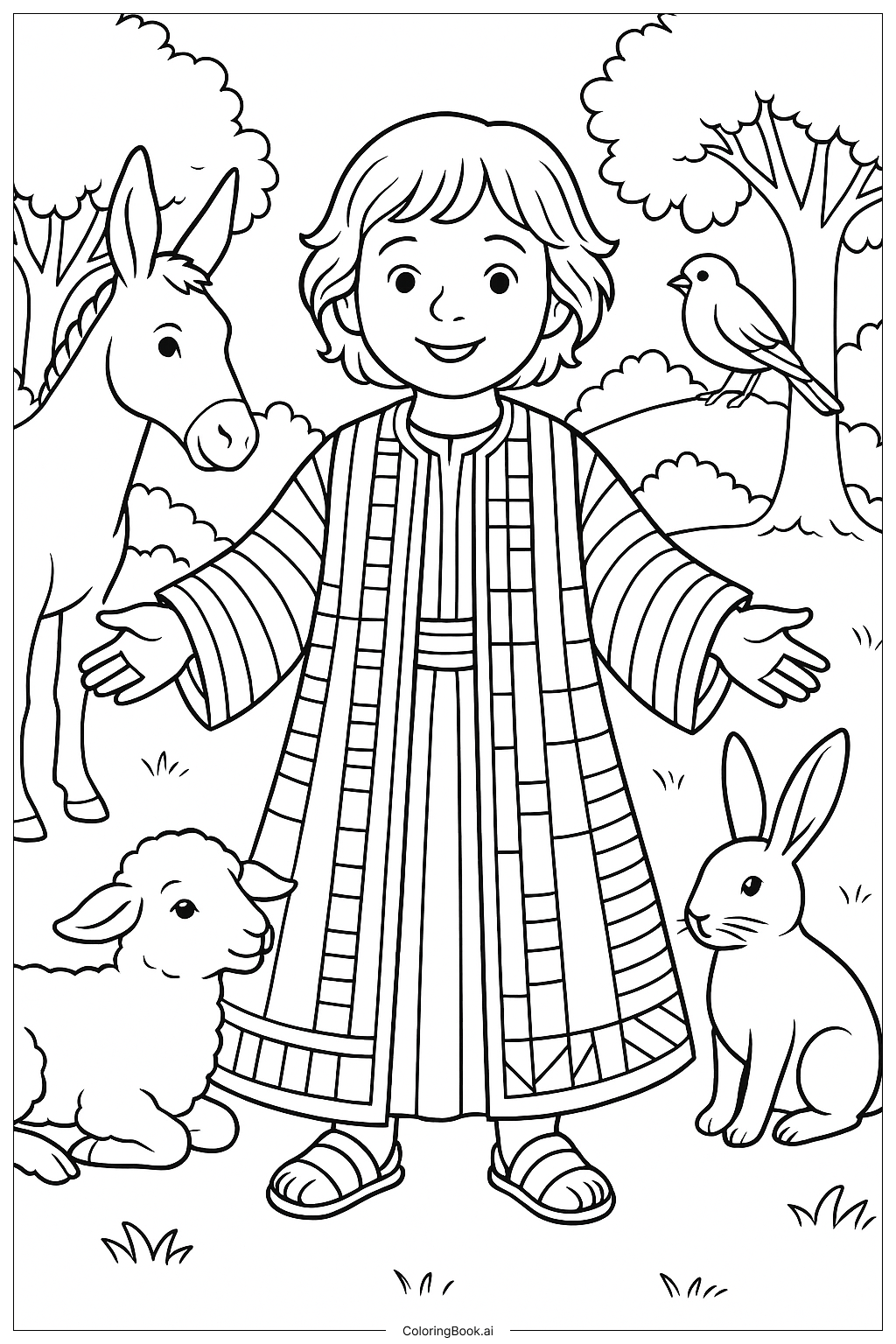
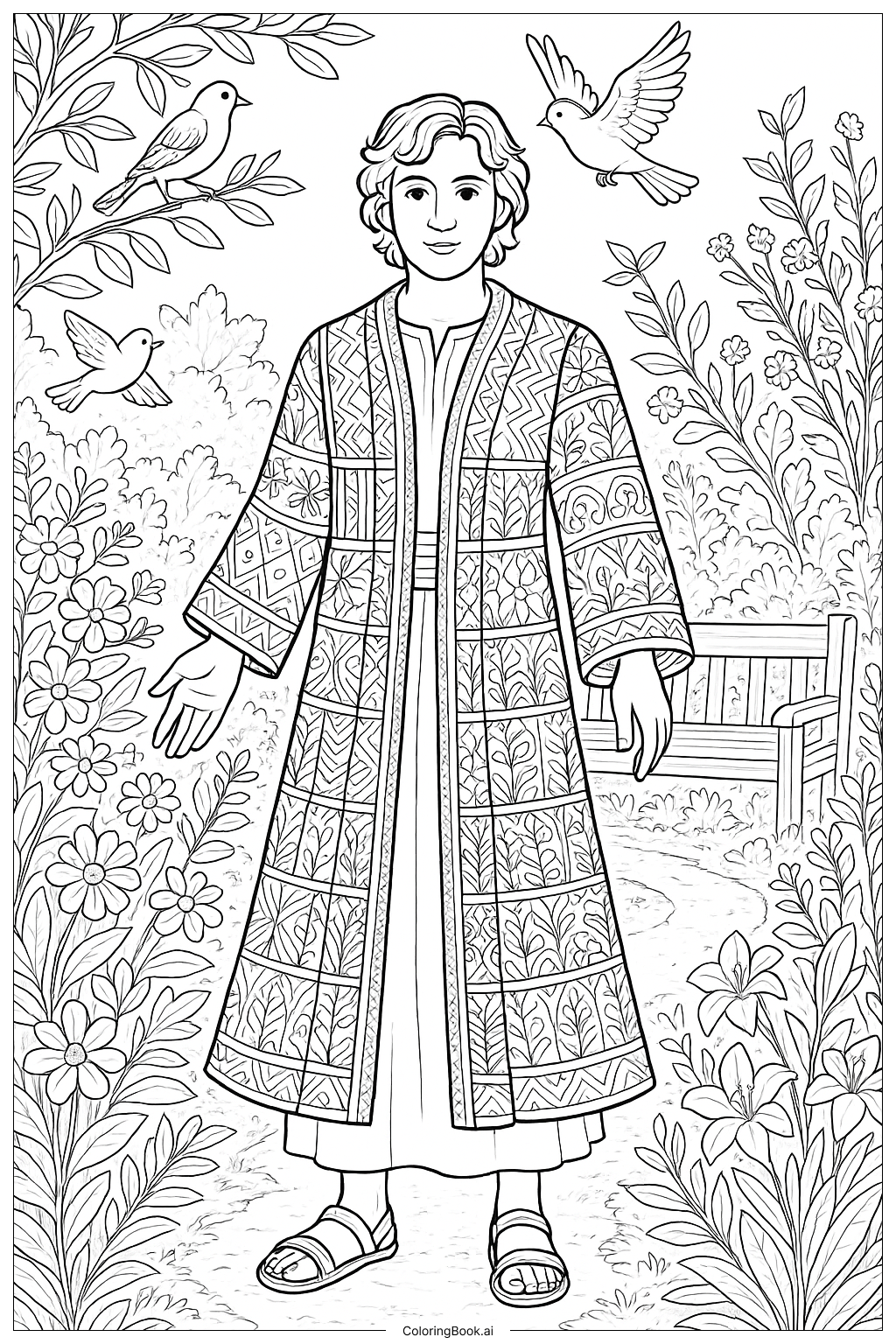
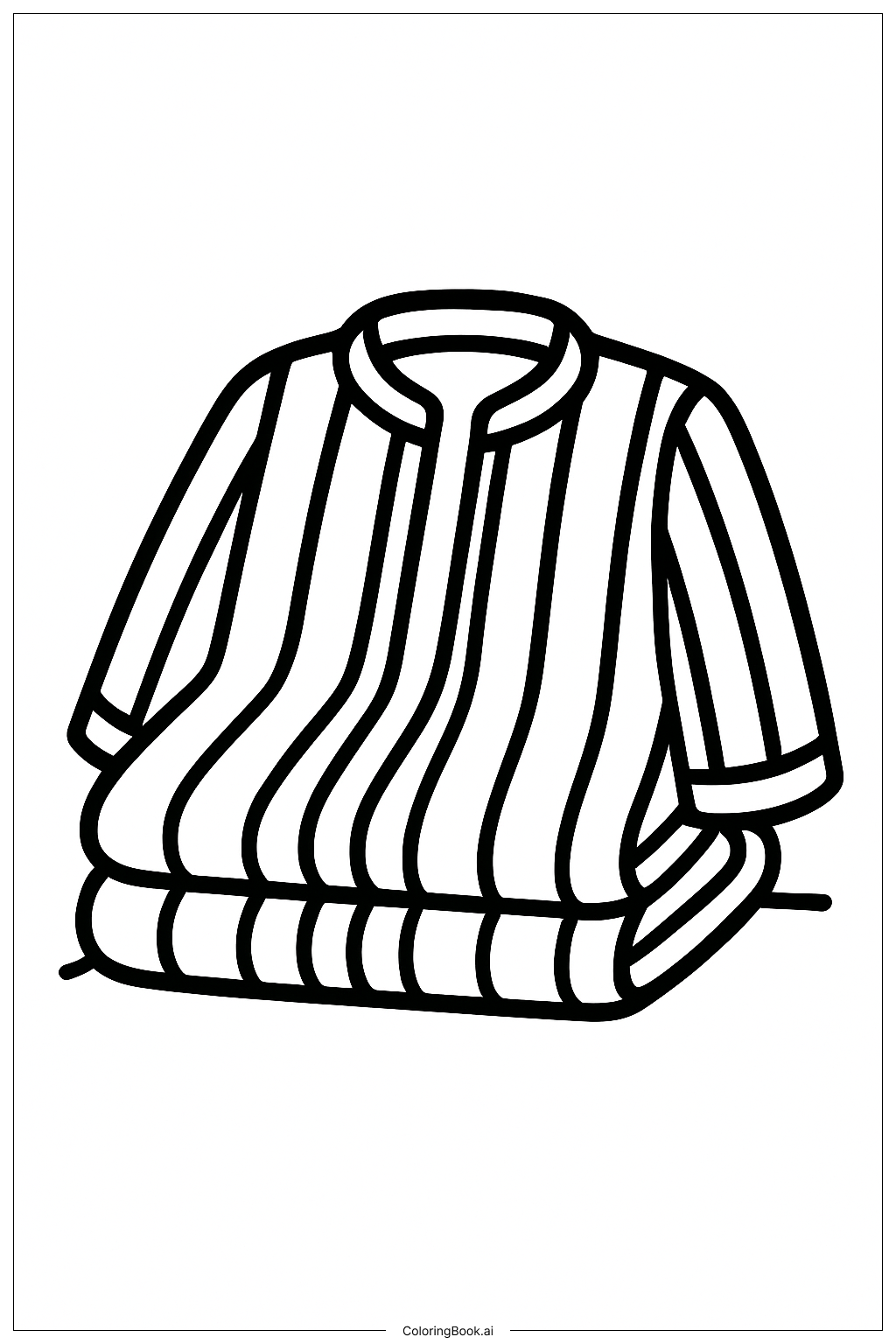
When coloring this image, think about using bright and varied colors to bring the Joseph Coat Of Many Colors Folded to life. You might choose reds, blues, greens, yellows, and purples to show its many patches. Use different shades within each color to add depth and make the coat look soft and inviting. Coloring the folds with lighter and darker tones of the same color can help create a realistic sense of fabric. Consider adding some gentle shading around the edges where the coat folds. Don’t be afraid to experiment with patterns, like small stripes or dots, inside each patch to make your coloring unique and lively.
Coloring challenges: Which parts are difficult to color and need attention for Joseph Coat Of Many Colors Folded coloring page?
• Patchwork Variety: The coat has many small, differently shaped patches that require careful color selection to keep each section distinct without overwhelming the image. Balancing bright colors while maintaining harmony can be tricky.
• Folding Details: The folds and creases in the coat mean you must apply shading and highlighting thoughtfully to show depth and fabric movement, which can be challenging for beginners.
• Color Blending: Achieving smooth transitions between light and shadow areas on the fabric needs patience and skill, especially if using colored pencils or crayons.
• Small Areas: Some patches are small or irregularly shaped, requiring precise coloring to avoid going outside the lines, which can test fine motor skills.
• Maintaining Consistency: Keeping each patch’s color consistent while also making the overall coat vibrant and balanced requires careful attention to detail and planning.
Benefits of coloring books: Advantages of drawing Joseph Coat Of Many Colors Folded coloring page
Coloring this Joseph Coat Of Many Colors Folded image helps children and adults practice focus and fine motor control through detailed coloring areas. It encourages creativity by allowing color choices and pattern designs within the patches. The need to blend colors and add shading teaches users about light, shadow, and texture. Additionally, coloring a subject with historical and cultural significance can inspire curiosity and storytelling skills. Completing the image instills a sense of accomplishment and pride, making it a fun and educational artistic activity for all ages.