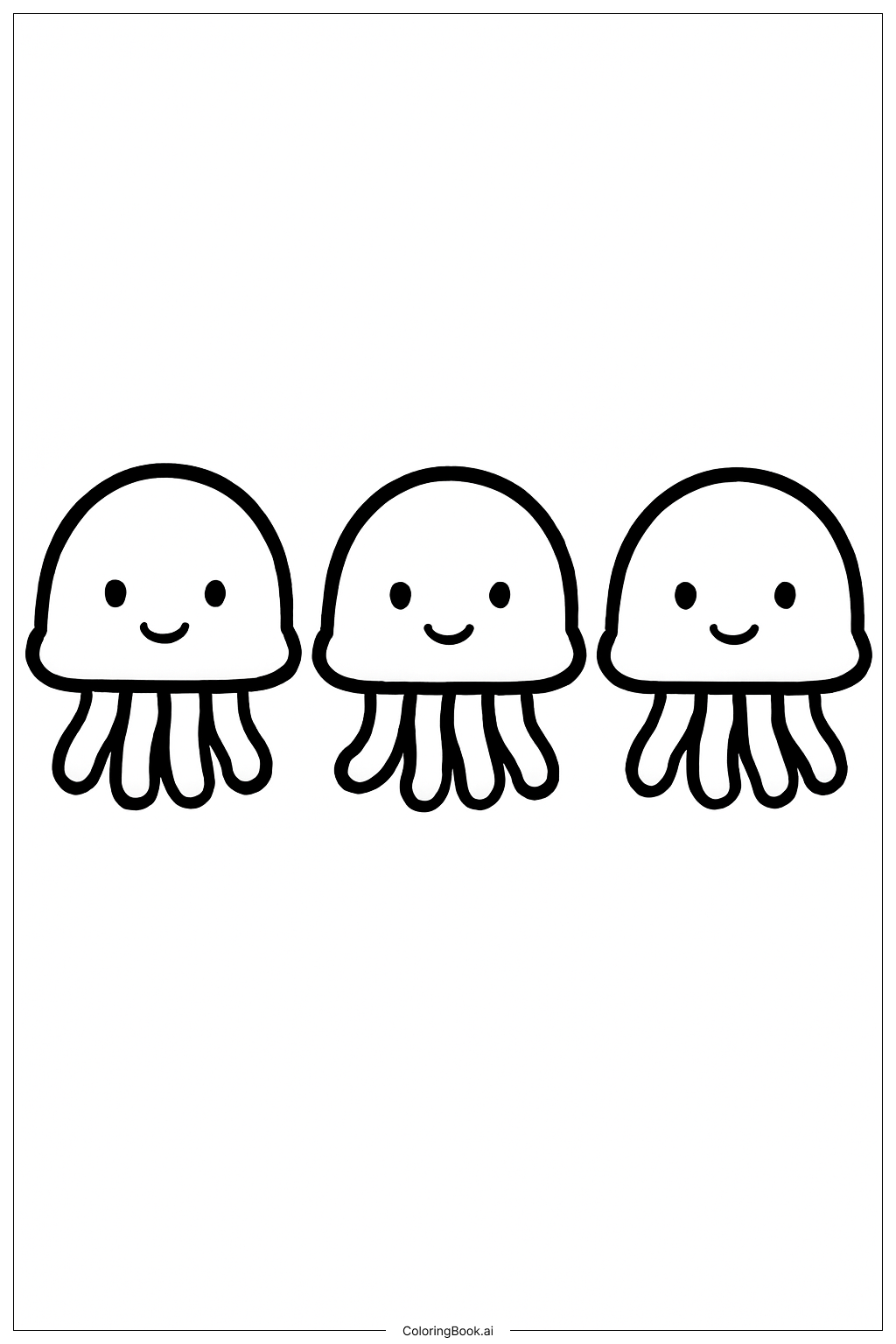
Coloring tips: How to color Tiny Jellyfish Trio coloring page well?
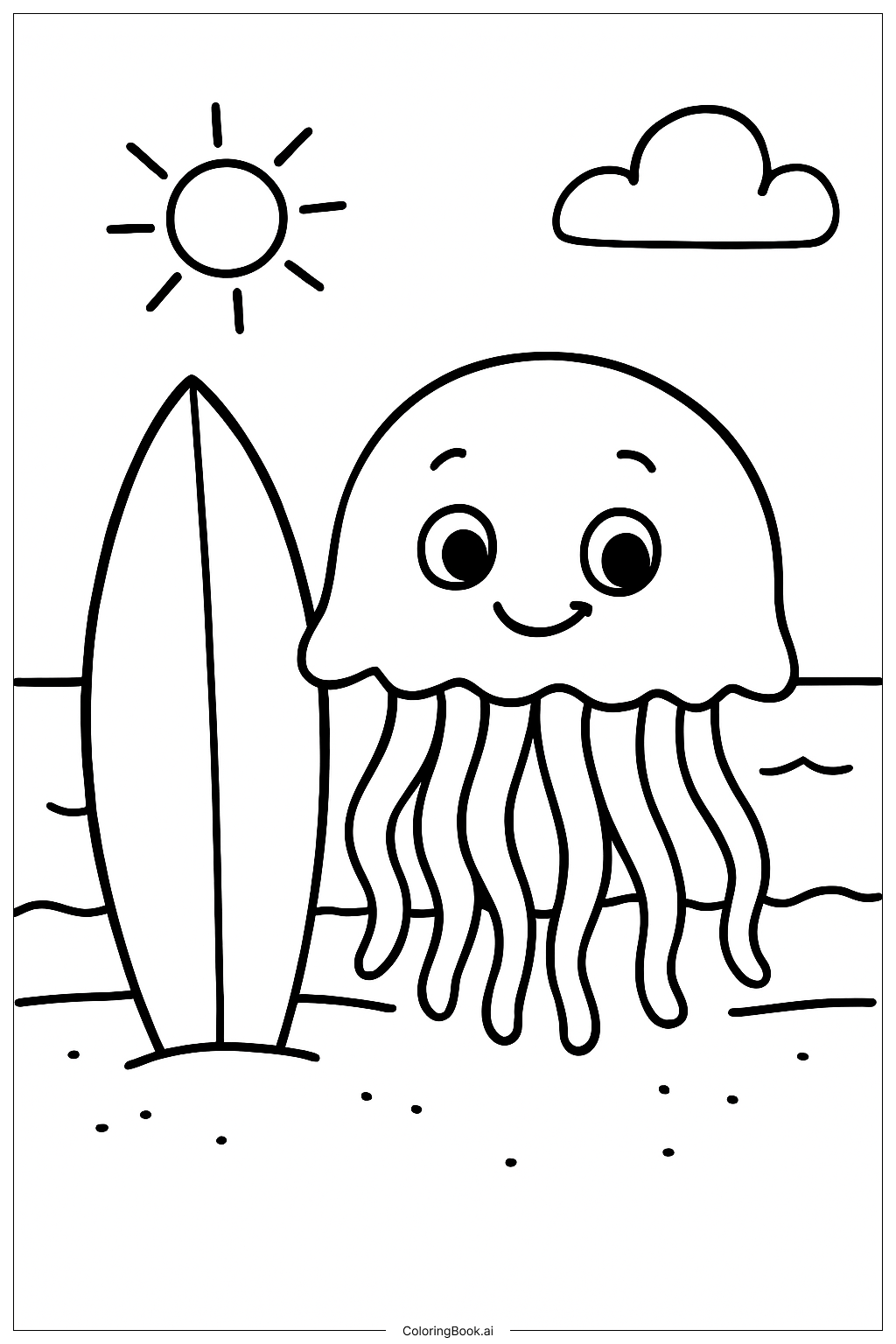
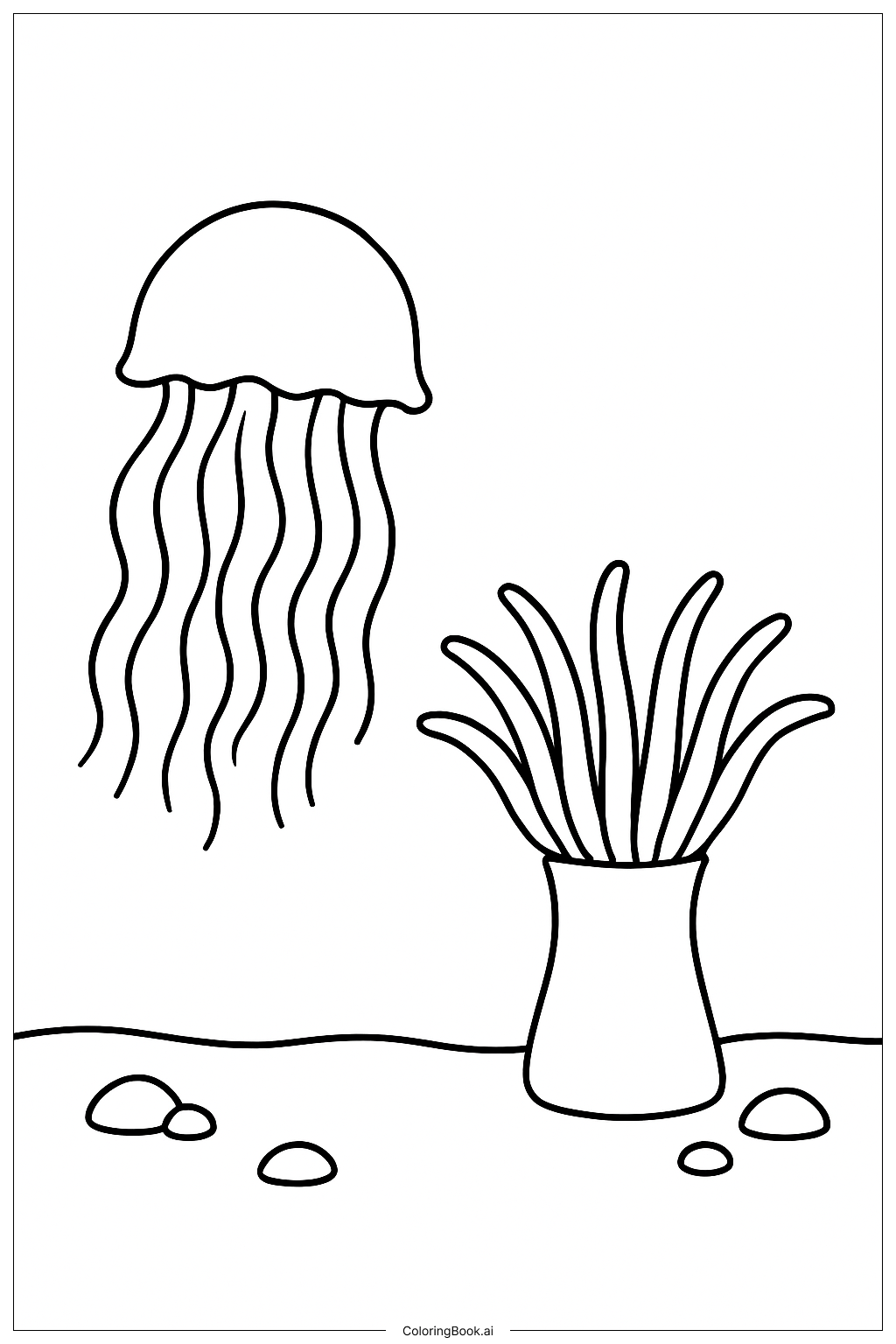
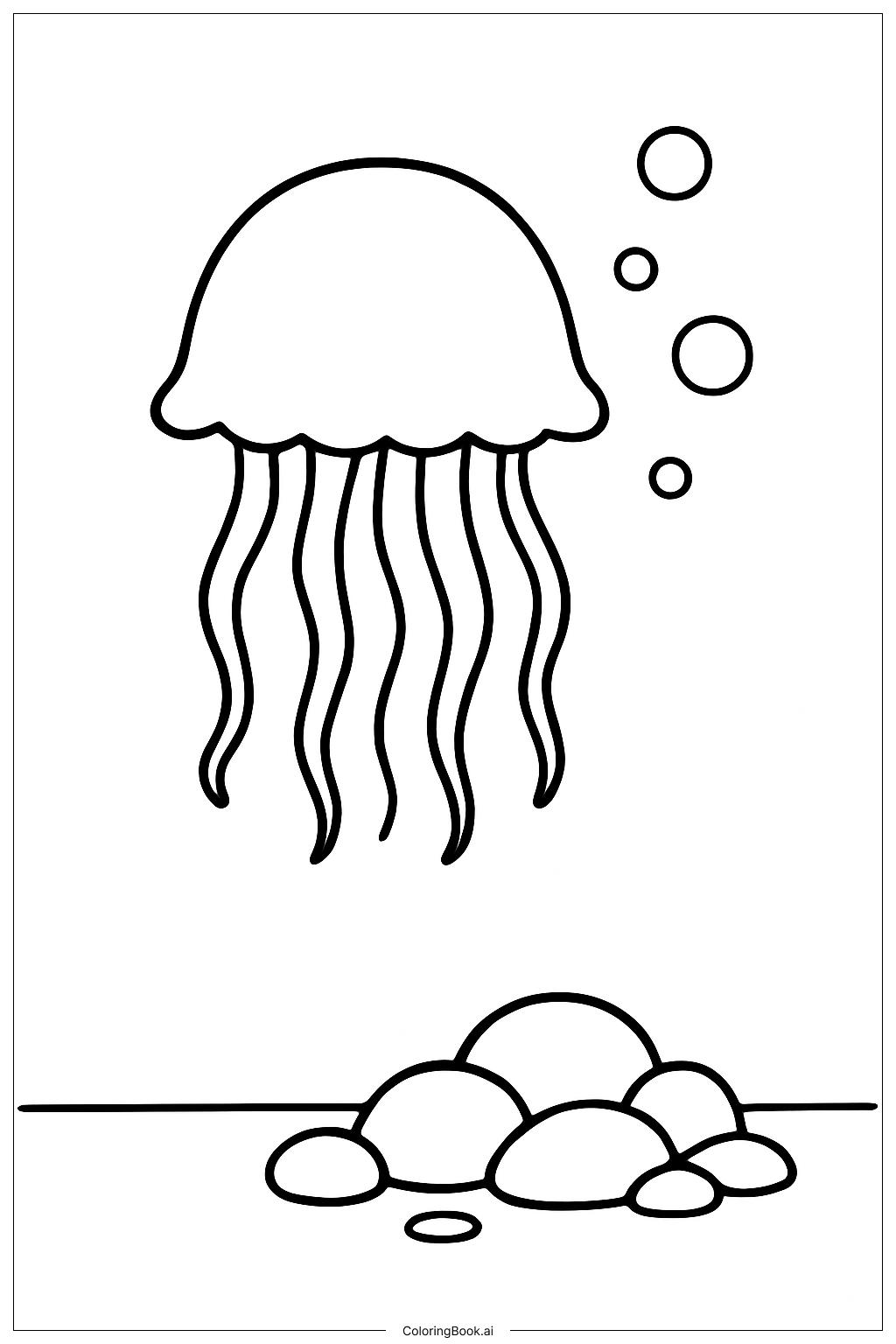
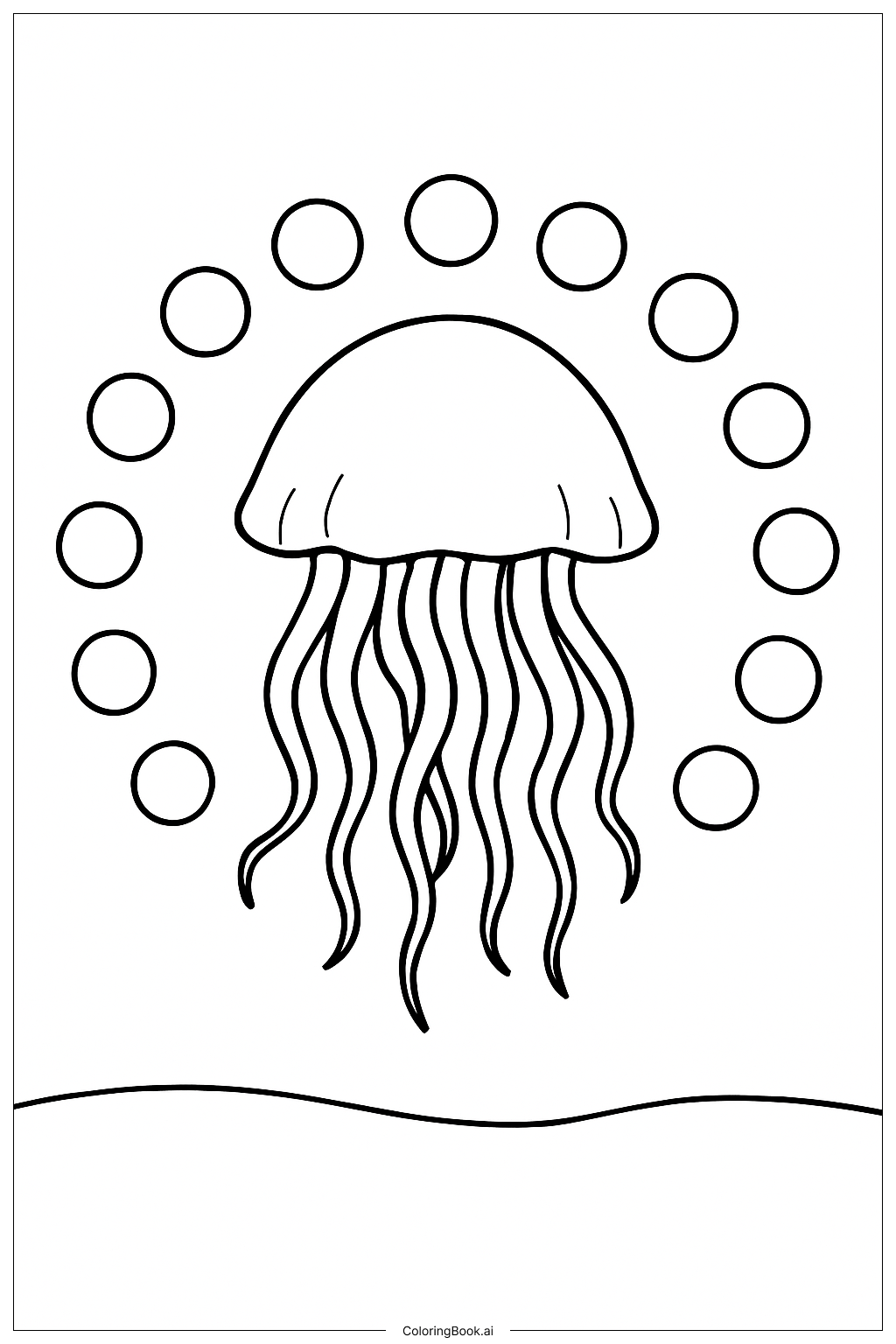
For coloring these jellyfish, think about using soft pastel colors to give them a gentle look. Light pink, baby blue, and pale purple would be lovely choices. You can also make each jellyfish a different color to add variety. Consider shading the tentacles with slightly darker shades to create depth. Glitter or metallic markers can be used to add some sparkle to the jellyfish, making them stand out! Let your imagination run wild with colors and patterns.
Coloring challenges: Which parts are difficult to color and need attention for Tiny Jellyfish Trio coloring page?
1. Small Areas: The tentacles have small spaces that might be tricky to color without going outside the lines. Kids should focus carefully to keep the colors neat. 2. Blending Colors: Creating a beautiful gradient or blending colors on the jellyfish could be challenging. It takes practice to blend colors smoothly. 3. Even Application: Ensuring an even coat of color can be tough, especially in the rounded areas. Kids may need to apply multiple layers for a consistent look. 4. Detail Work: Coloring the faces of the jellyfish neatly requires precision. It can be easy to accidentally color outside the lines. 5. Choosing Colors: Deciding which colors to use can be overwhelming, especially when trying to make each jellyfish unique.
Benefits of coloring books: Advantages of drawing Tiny Jellyfish Trio coloring page
Coloring these jellyfish can be very beneficial for kids. It enhances their creativity by allowing them to choose colors and create their own designs. It also improves fine motor skills as they practice controlling the coloring tools. These activities can promote relaxation and reduce stress, providing a calming effect. Furthermore, coloring can be a fun way to learn about jellyfish and ocean life. Sharing their colorful creations with friends and family can boost confidence and encourage social interaction.