Coloring tips: How to color Jellyfish Near Coral coloring page well?
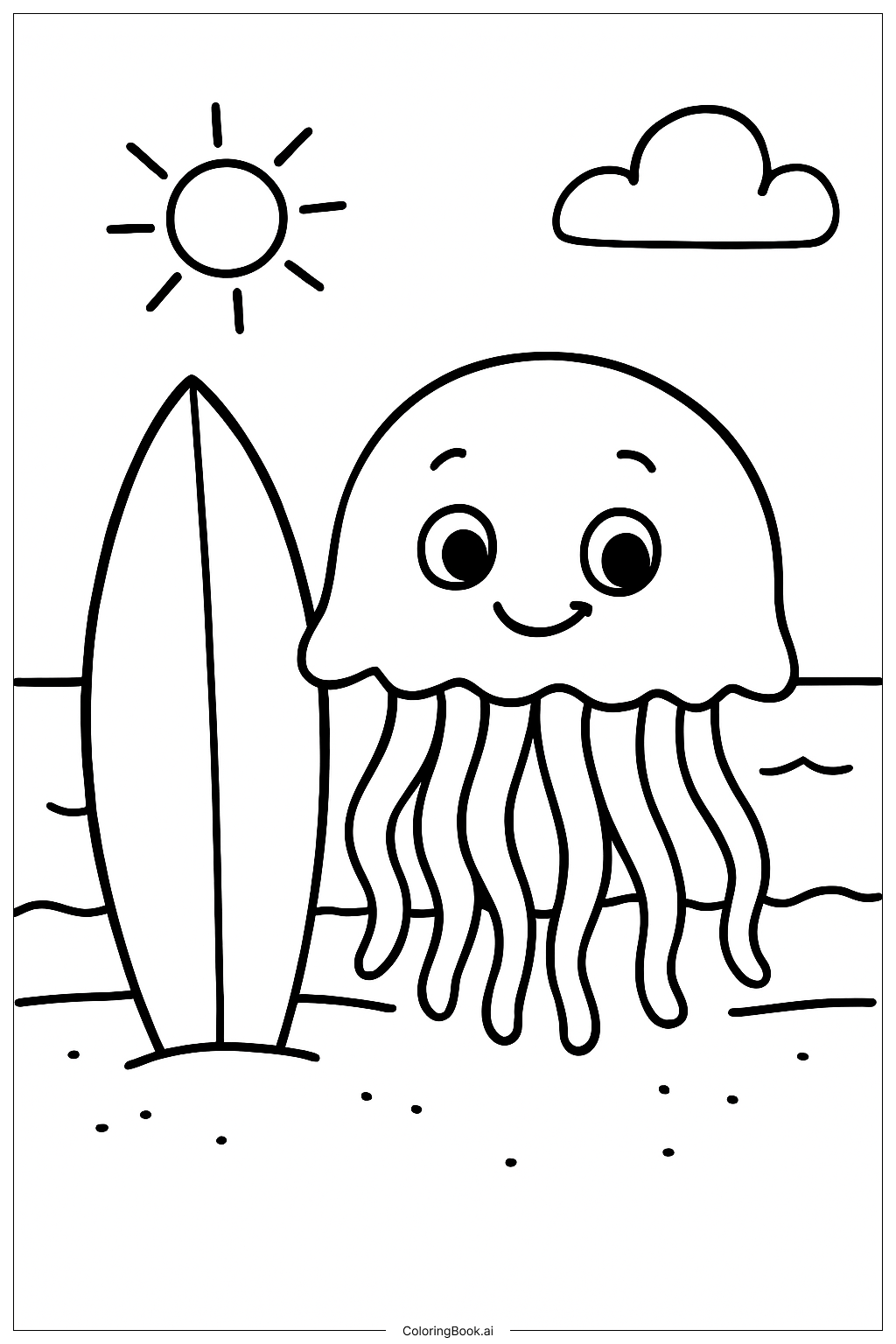
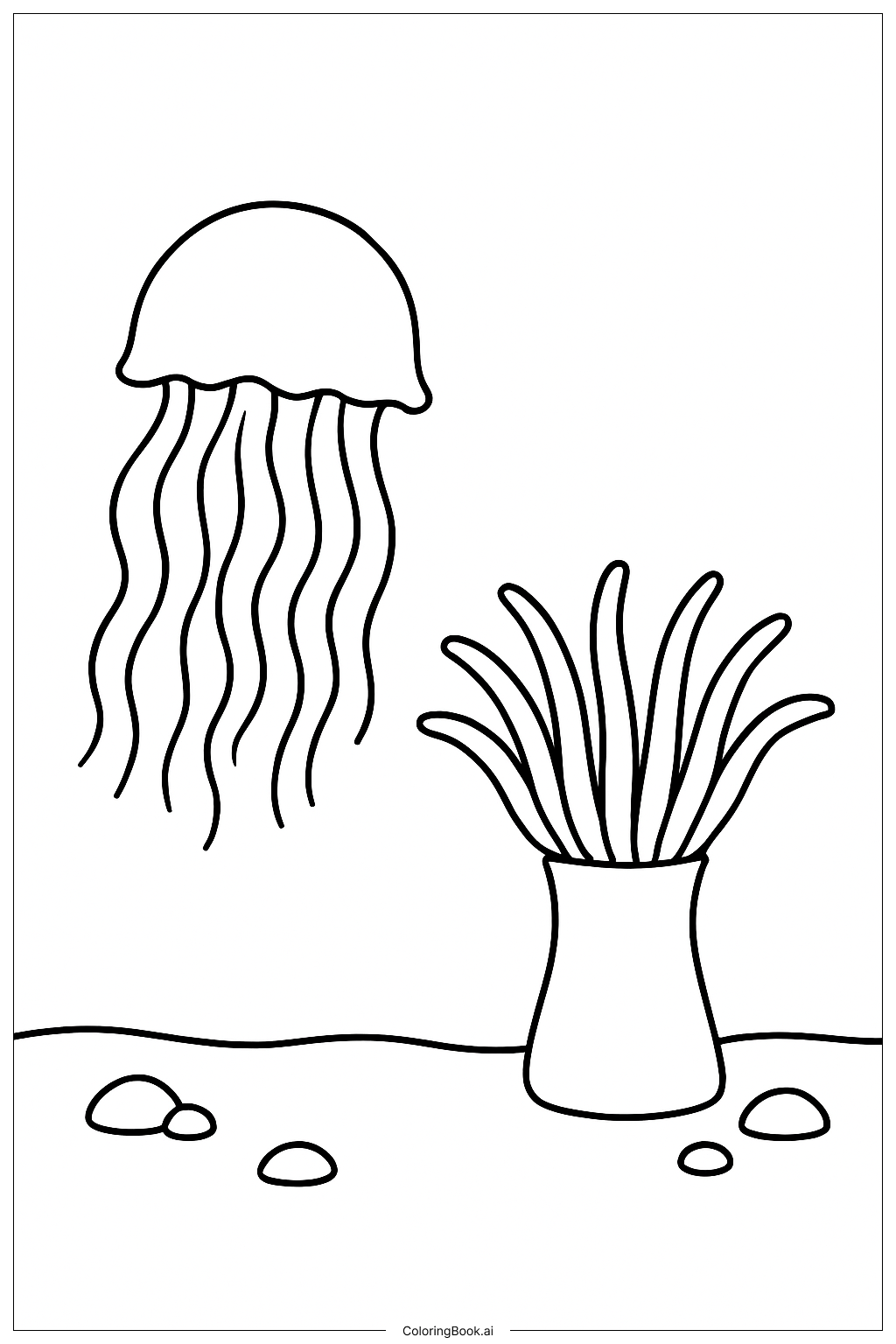
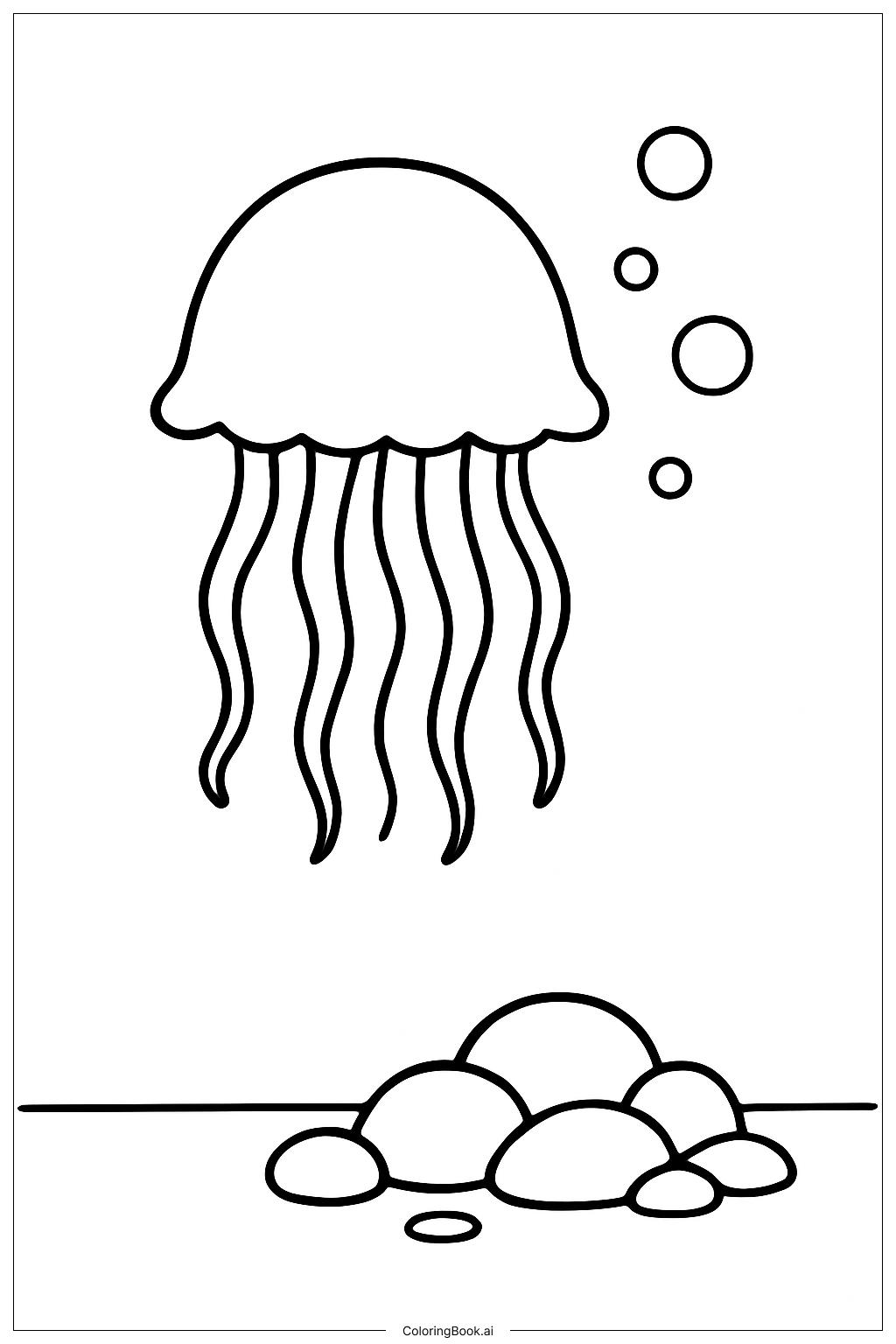
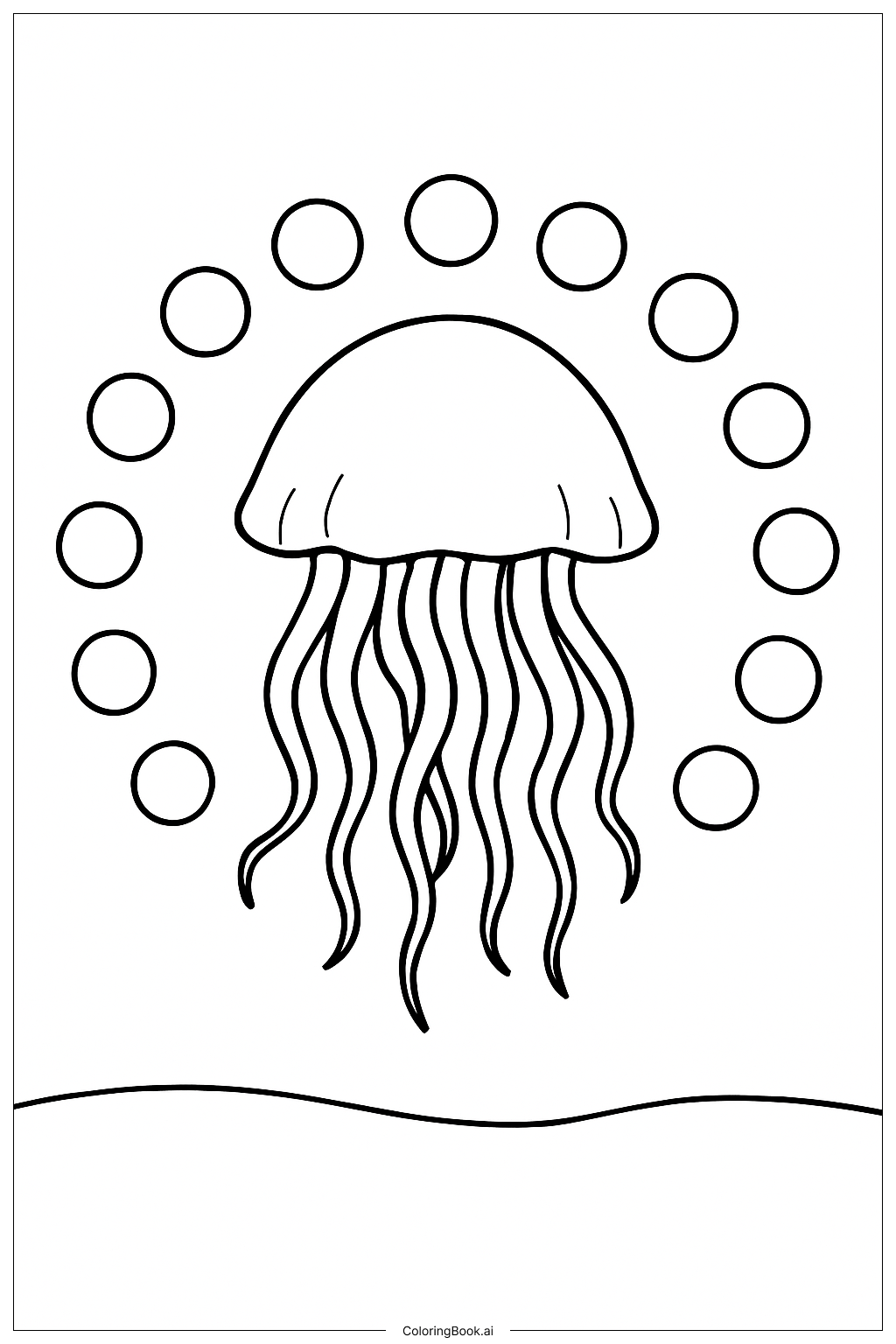
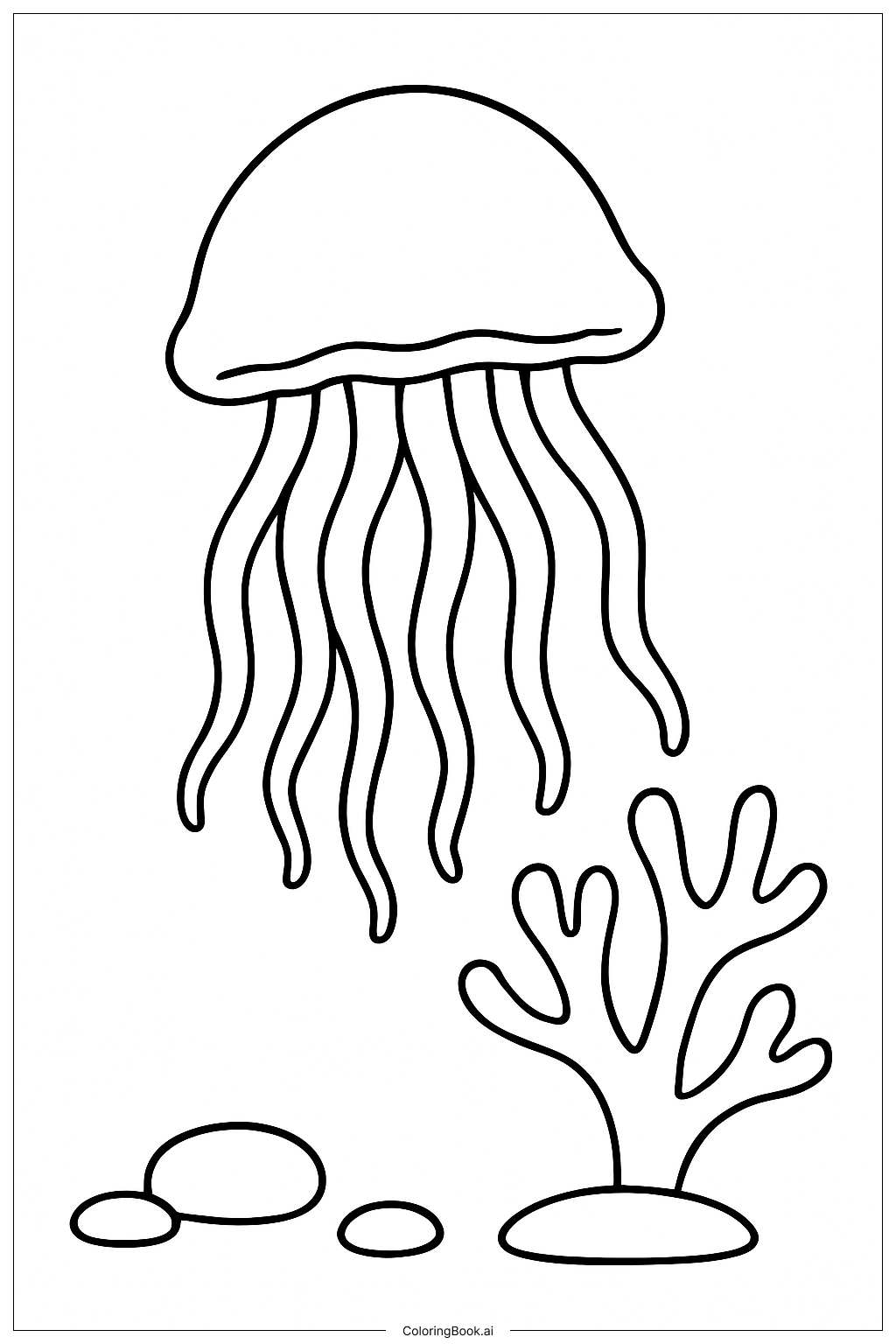
When coloring this jellyfish, consider using soft pastel colors like pink, purple, and blue for a serene look. You can make the jellyfish appear more vibrant by adding shades of yellow or orange. For the coral, bright colors like red, green, and yellow can highlight its natural beauty. Use different shades to create depth and texture. For the rocks, grays and browns will help ground the scene. Don't forget to blend colors for a more realistic touch! Let your creativity shine with varied combinations!
Coloring challenges: Which parts are difficult to color and need attention for Jellyfish Near Coral coloring page?
1. **Tentacle Coloring**: The jellyfish has several slender tentacles that may be difficult to color neatly. It's important to stay within the lines, which can be challenging for younger kids. Using lighter strokes can help if you want to blend colors. 2. **Shading Effects**: Achieving a 3D effect can be tough, especially on the jellyfish’s body and tentacles. Kids may struggle with blending colors to create shadows and highlights, making it look more realistic. 3. **Coral Complexity**: The coral structures have intricate details and shapes. Coloring them evenly while emphasizing their unique forms can be tricky. Encouraging children to use different colors for various parts can enhance their creativity. 4. **Pebbles and Background**: The stones at the bottom require attention to detail, as kids might forget to color them or leave them gray and uninteresting. Reminding them to use fun colors can enhance the overall appearance. 5. **Overall Composition**: Balancing the colors among the jellyfish, coral, and stones may present a challenge. It's important for kids to think about the complete picture and choose complementary colors that harmonize well. This can be a great learning experience!
Benefits of coloring books: Advantages of drawing Jellyfish Near Coral coloring page
Coloring this jellyfish scene offers many benefits for children. It enhances hand-eye coordination as they practice controlling their coloring tools. The activity stimulates creativity, allowing them to explore color combinations and personal expression. Additionally, it encourages focus and concentration, helping children learn to dedicate time to a single task. Coloring can also be relaxing, providing emotional benefits by reducing stress and anxiety. Discussing color choices can promote communication skills, as children share their ideas and thoughts with others. Overall, this playful activity supports artistic development and critical thinking, making it a fun way for kids to enjoy art.