Coloring tips: How to color Hungry Caterpillar With Big Eyes coloring page well?
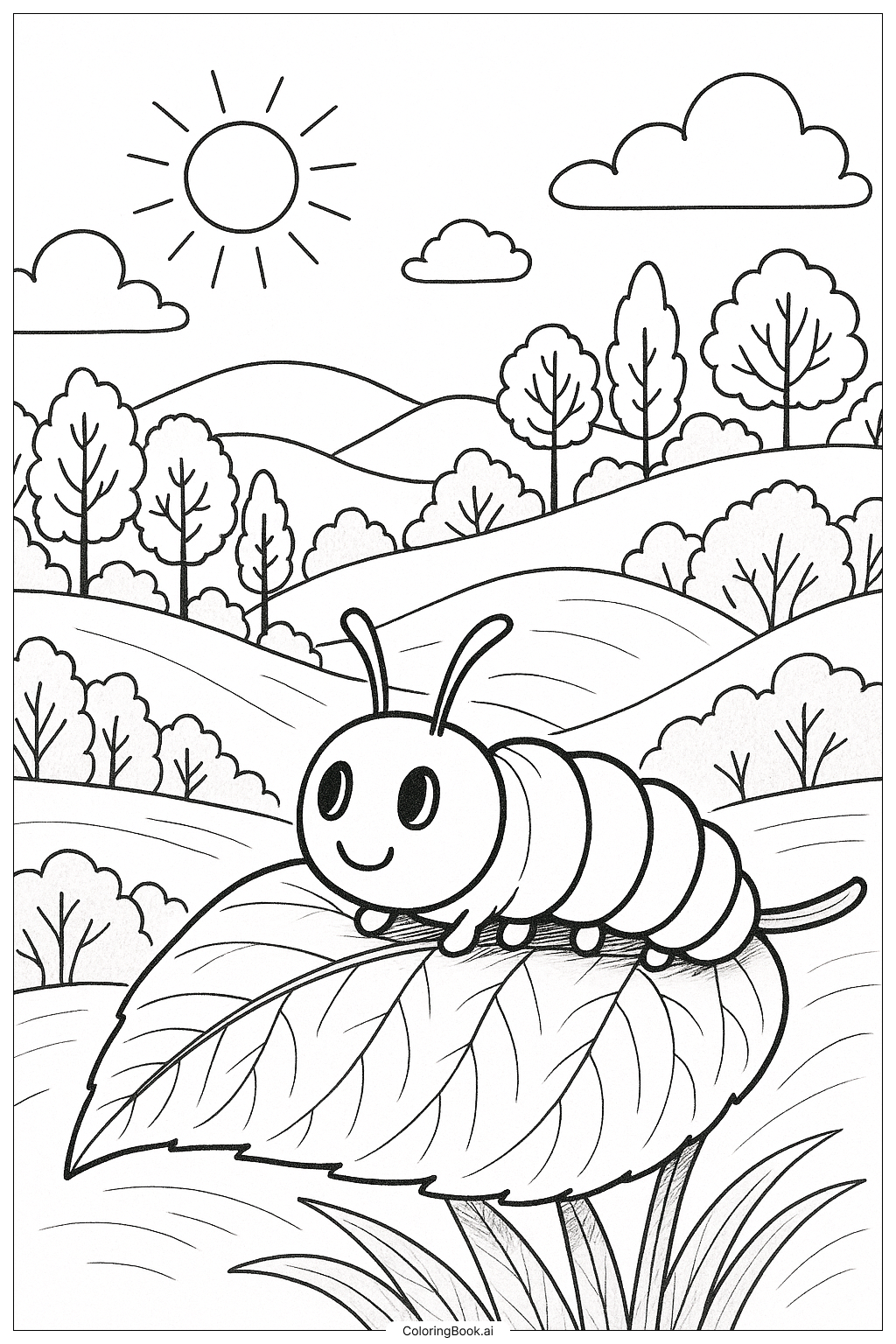
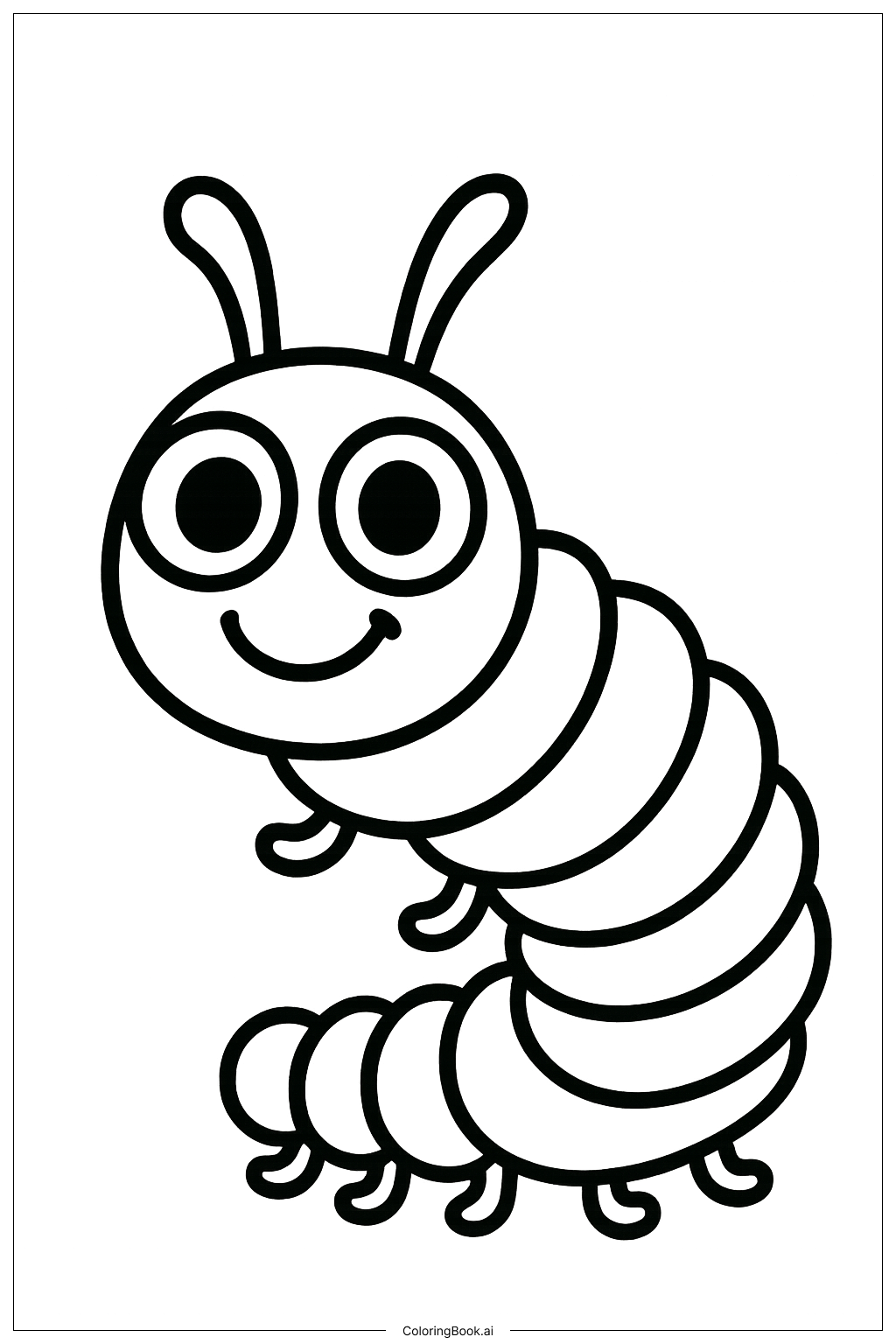
Start with the caterpillar's body segments. Try using a different color for each round section to make it look bright and lively. Green, yellow, orange, red, and blue all work wonderfully together. For the eyes, use white for the base, then add black pupils with a small white dot to make them sparkle. Color the eyelashes and antennae in dark brown or black for contrast. If the caterpillar is sitting on a leaf, use shades of green for the leaf and add yellow or light green for the veins. You can use crayons, colored pencils, or markers. Try blending two colors in each segment for a fun gradient effect. Keep the outlines bold and clean. Don't be afraid to use your favorite colors and make this caterpillar totally unique.
Coloring challenges: Which parts are difficult to color and need attention for Hungry Caterpillar With Big Eyes coloring page?
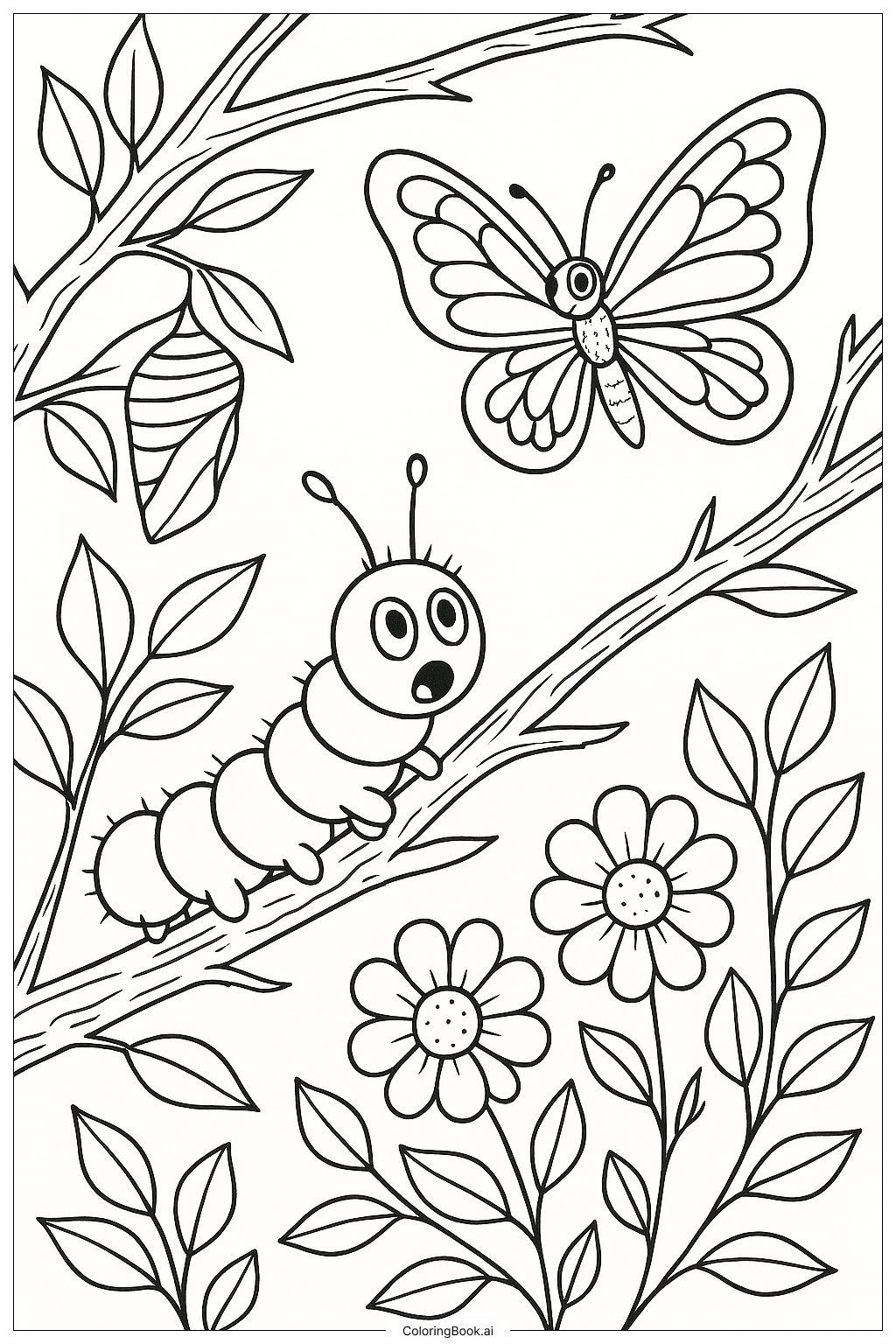
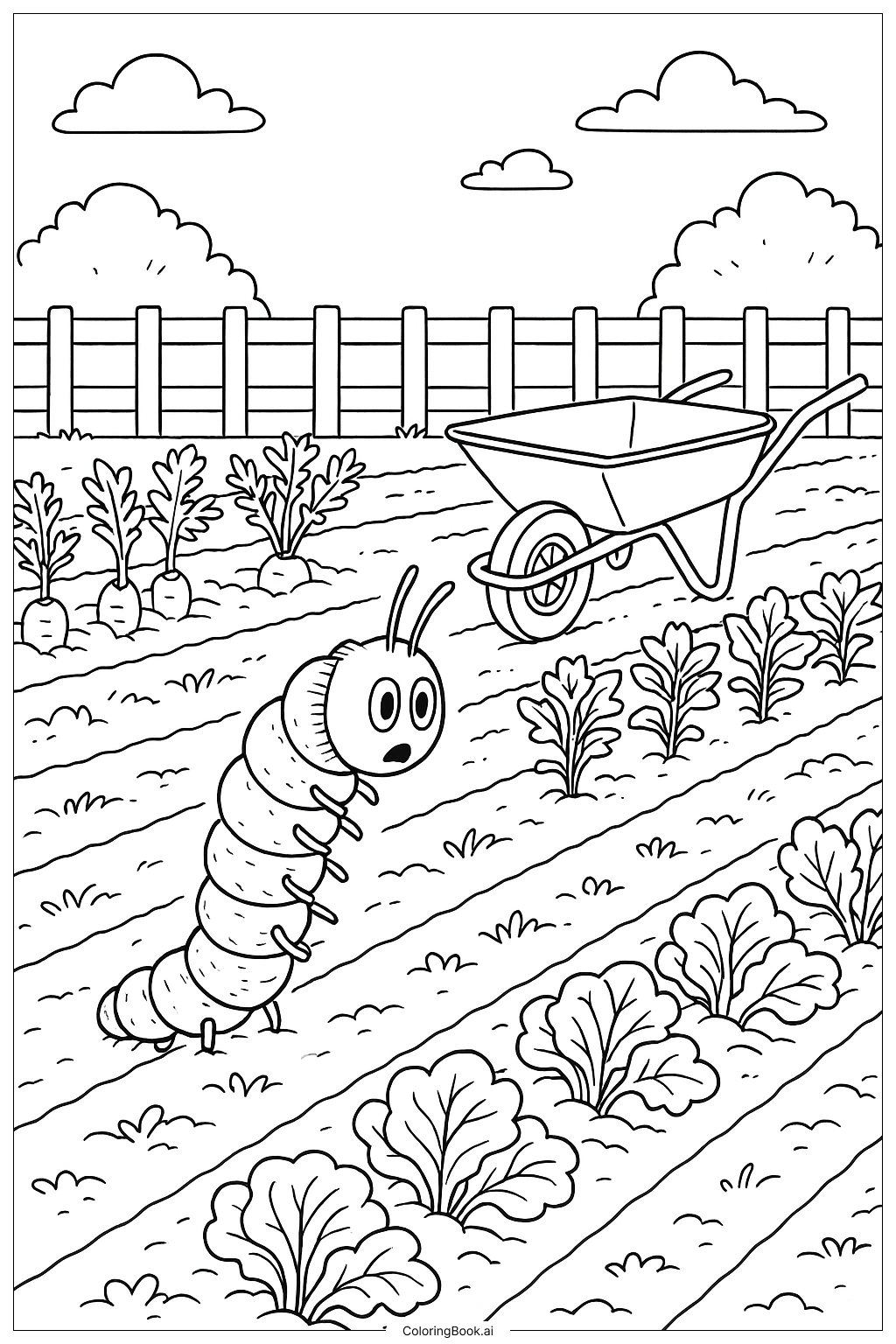
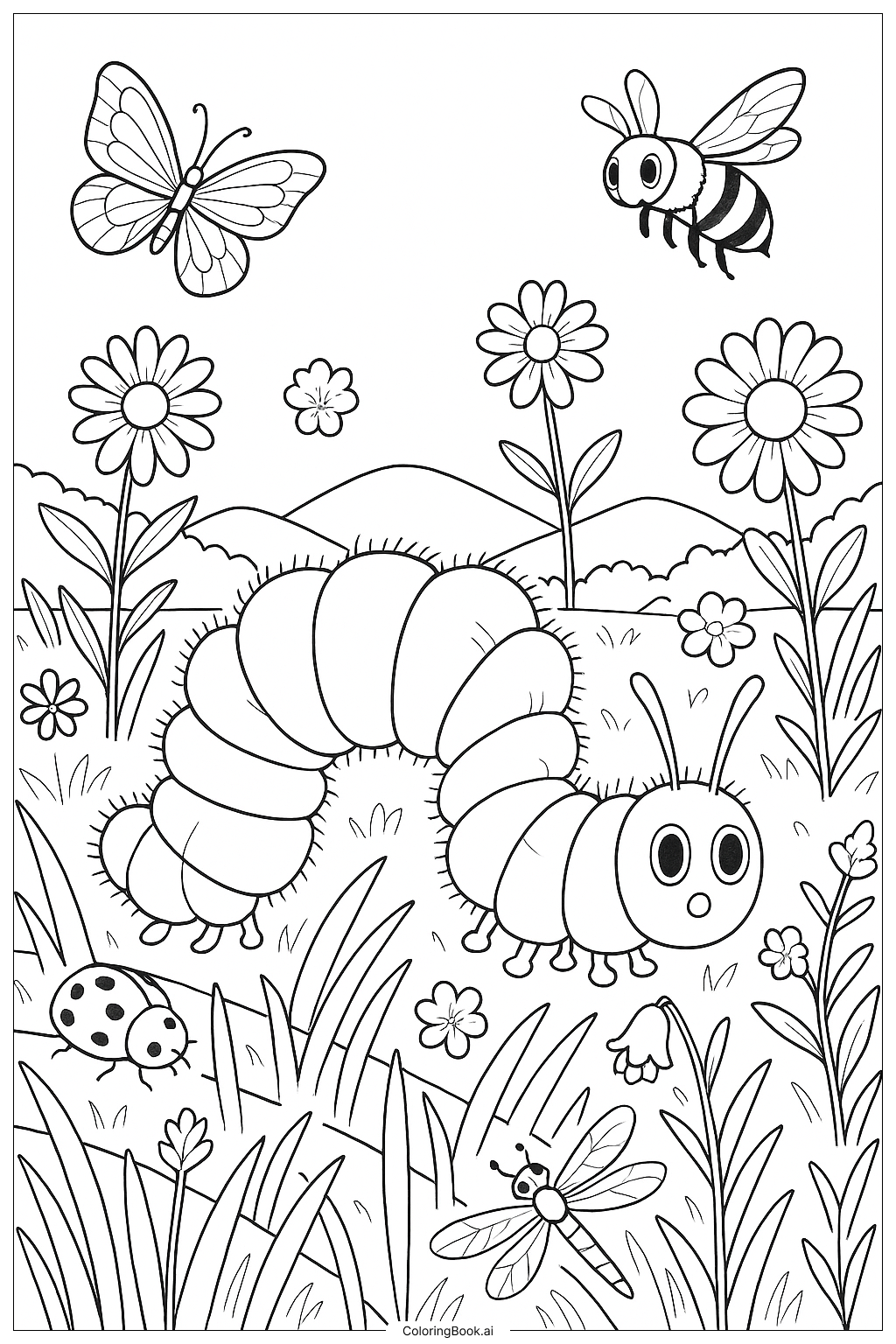
• Coloring the Body Segments Evenly: Each round segment of the caterpillar's body is a small, enclosed circle. Staying inside the lines without going over the edges can be tricky, especially for younger children. Take your time with each section and use a sharp pencil or a fine-tipped marker for the edges before filling in the center.
• Getting the Big Eyes Right: The oversized eyes are one of the most important parts of this image. They have multiple layers including the outer circle, the iris, the pupil, and the highlight dot. Coloring each layer neatly without smudging or overlapping requires patience and careful control of your coloring tool.
• Blending Colors on Curved Surfaces: The round, bumpy body of the caterpillar invites shading and blending to make each segment look three-dimensional. Achieving a smooth gradient on a small, curved area is a real challenge, even for experienced colorists. Light pressure and slow, circular strokes can help create a soft, rounded effect.
• Small Details Like Antennae and Lashes: The antennae are thin and delicate, and the eyelashes are tiny curved lines. These fine details are easy to color outside of accidentally. Use a very fine tip and go slowly. If you make a mistake, a white gel pen can help fix small overflows.
• Choosing a Harmonious Color Palette: With so many separate segments, it is tempting to use too many clashing colors. Planning your color palette ahead of time helps everything look balanced and visually pleasing rather than chaotic.
Benefits of coloring books: Advantages of drawing Hungry Caterpillar With Big Eyes coloring page
Coloring this Hungry Caterpillar With Big Eyes page offers a wide range of benefits for children and even adults. First, it helps develop fine motor skills. Staying inside the small circular segments and carefully coloring the tiny details like lashes and antennae strengthens hand-eye coordination and pencil control. Second, it encourages creativity. Choosing different colors for each body segment lets kids experiment with color combinations and express their own personal style. Third, it builds focus and patience. Completing a detailed image like this requires sitting still and concentrating, which are important skills for school and everyday life. Fourth, it is a calming and relaxing activity. The repetitive motion of coloring helps reduce stress and anxiety, making it a great quiet-time exercise. Fifth, it sparks storytelling and imagination. The caterpillar's big, expressive eyes and happy smile invite children to invent stories about where it is going and what it wants to eat next. Overall, this fun and friendly coloring page is a wonderful way to learn, create, and unwind at any age.