Coloring tips: How to color Hungry Caterpillar Visiting Vegetable Patch coloring page well?
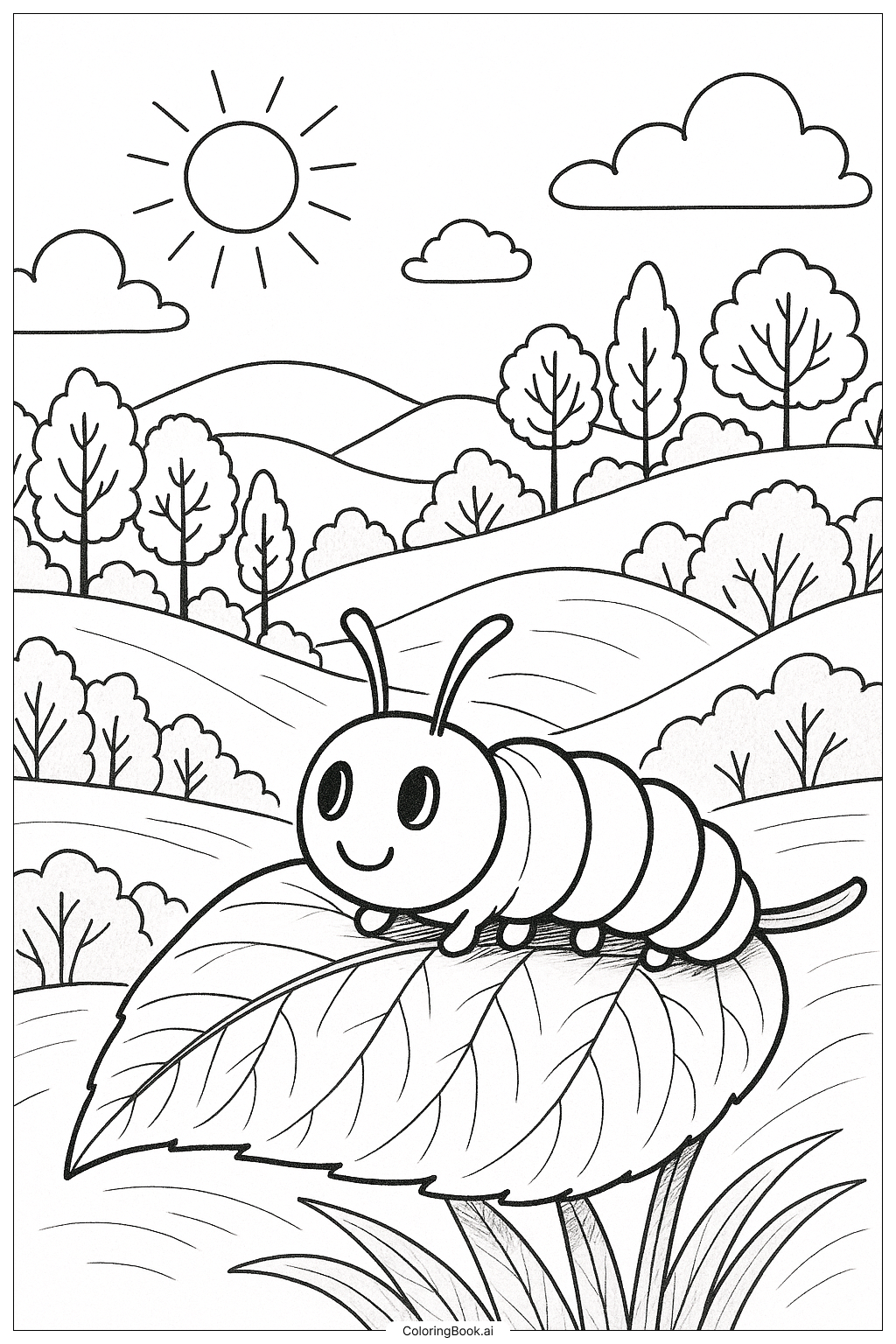
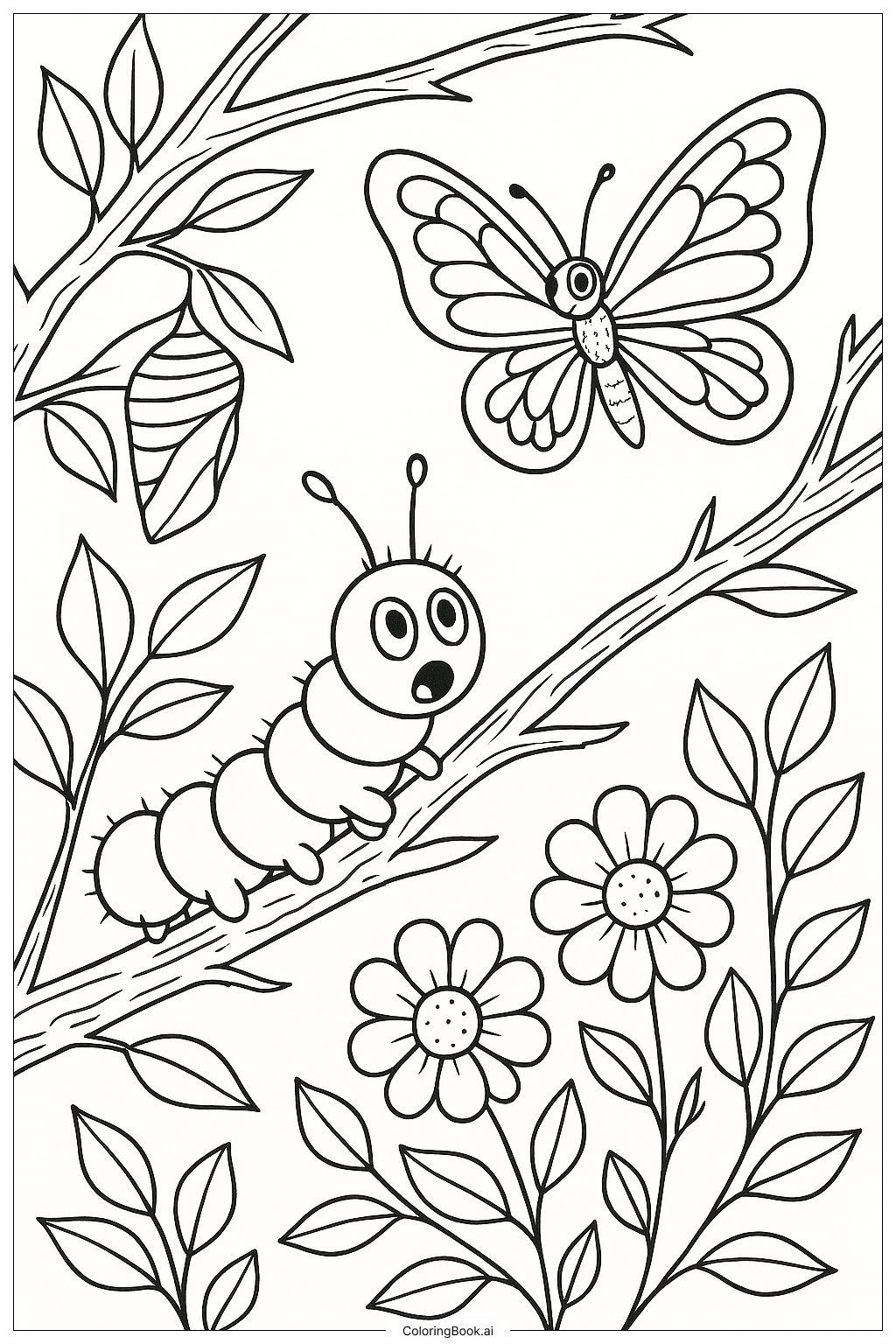
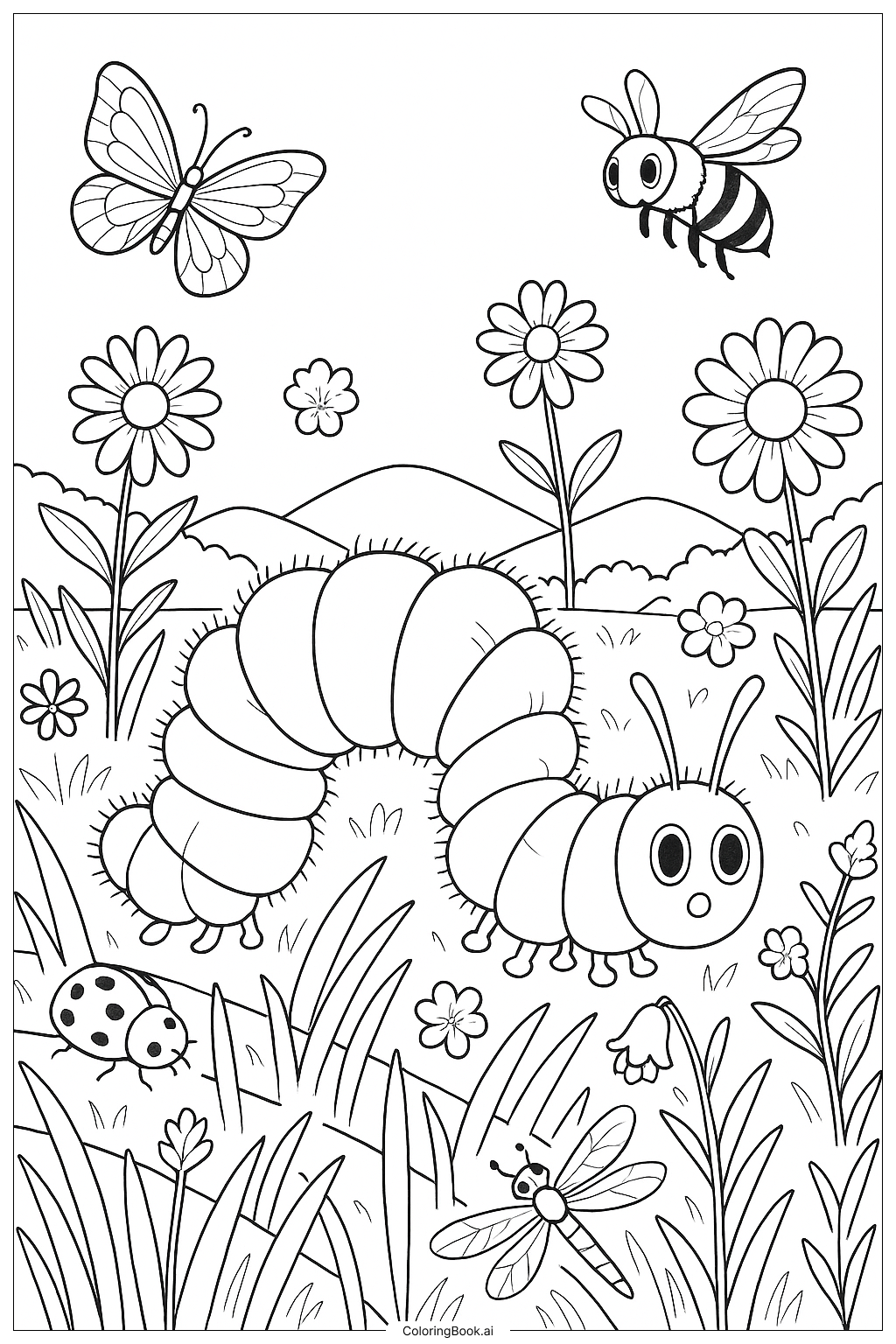
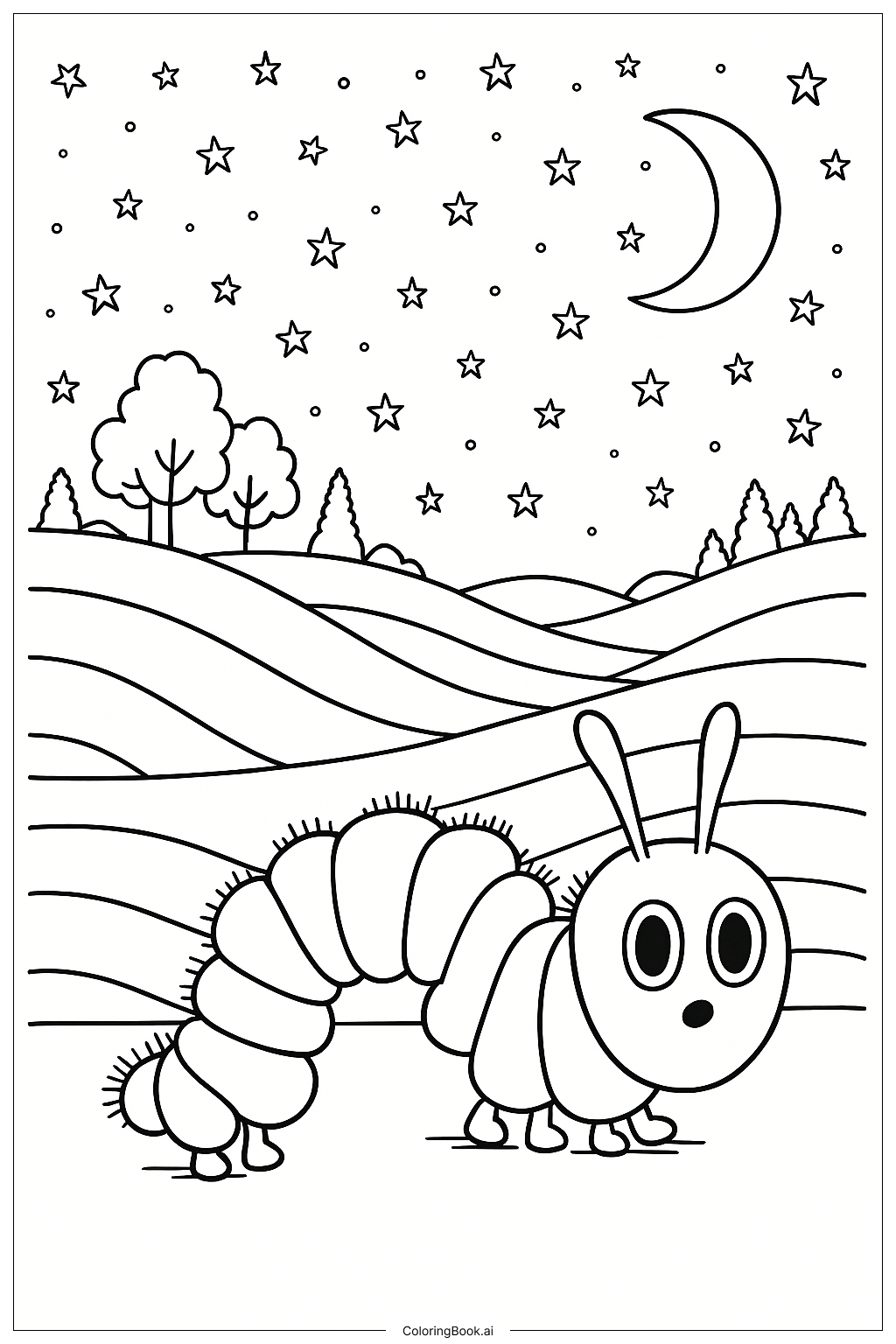
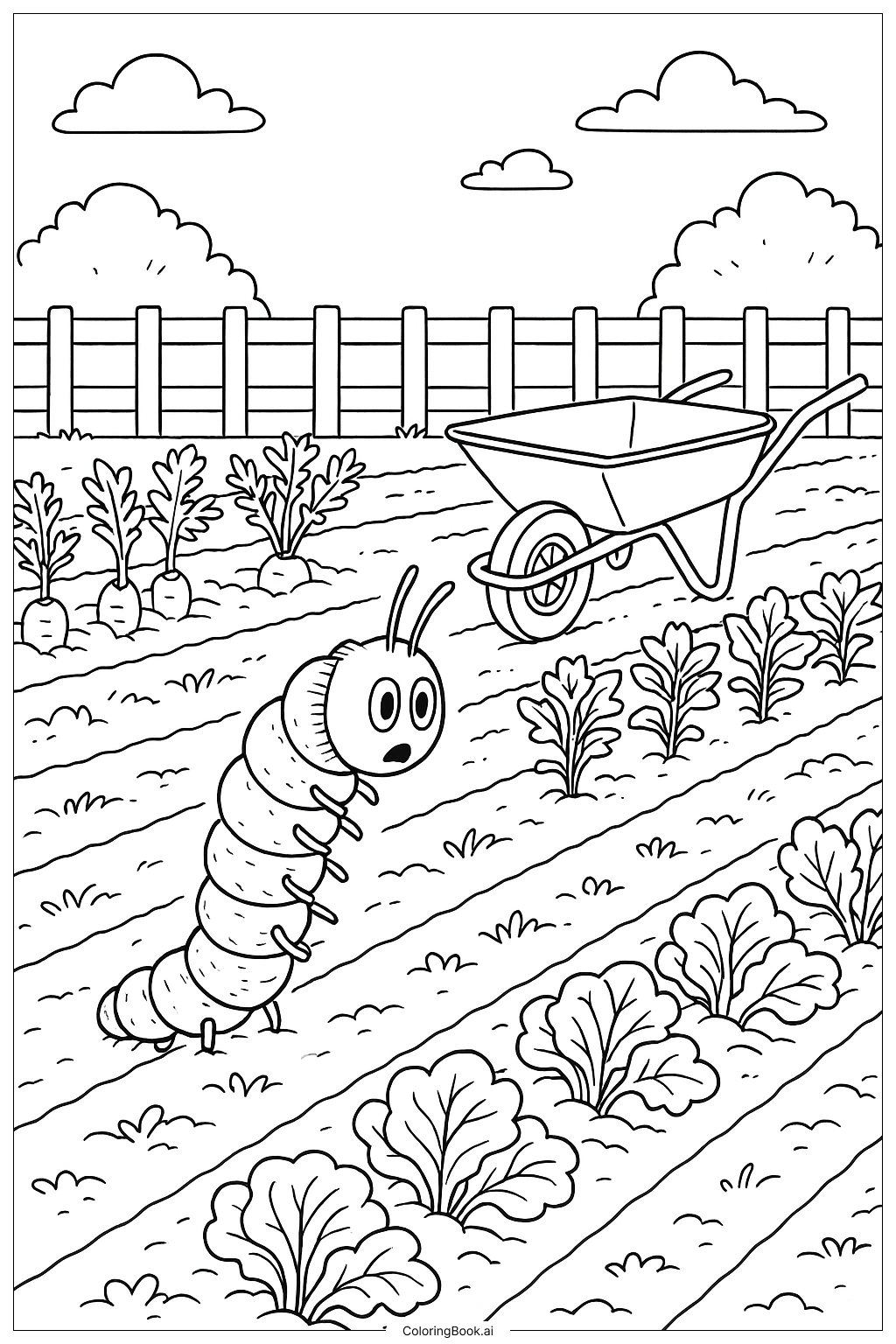
Use bright and natural colors for the vegetable patch. Green shades work well for the leaves and plants, with some variety to show different types of vegetables. The caterpillar can be colored in vibrant colors like green, yellow, or orange to make it stand out. Use brown or grey for the soil, and blue for the sky. The wheelbarrow can be painted in red or another bold color to add interest. Remember to color the clouds white and the wooden fence light brown. Add some small details like shadows or highlights to make the picture lively and fun.
Coloring challenges: Which parts are difficult to color and need attention for Hungry Caterpillar Visiting Vegetable Patch coloring page?
1. Coloring the small leaves and vegetable details can be tricky because they are close together and need neat coloring. 2. The caterpillar’s many legs require careful attention to avoid mixing colors or coloring outside the lines. 3. The lines of the fence and wheelbarrow need steady hands for even coloring. 4. Balancing the shading for soil and plants can be challenging to keep the natural look while remaining simple. 5. Filling the open sky while keeping clouds clear requires patience and gentle coloring strokes.
Benefits of coloring books: Advantages of drawing Hungry Caterpillar Visiting Vegetable Patch coloring page
Coloring this vegetable patch helps improve children’s fine motor skills by practicing careful and detailed coloring. It encourages creativity in choosing different colors for plants and the environment. The picture also teaches kids about nature, vegetables, and outdoor scenes, making learning fun. Coloring the caterpillar and garden can be relaxing and boost focus and patience. Overall, this activity supports artistic expression and enhances hand-eye coordination.