Coloring tips: How to color Hungry Caterpillar Holding Leaf coloring page well?
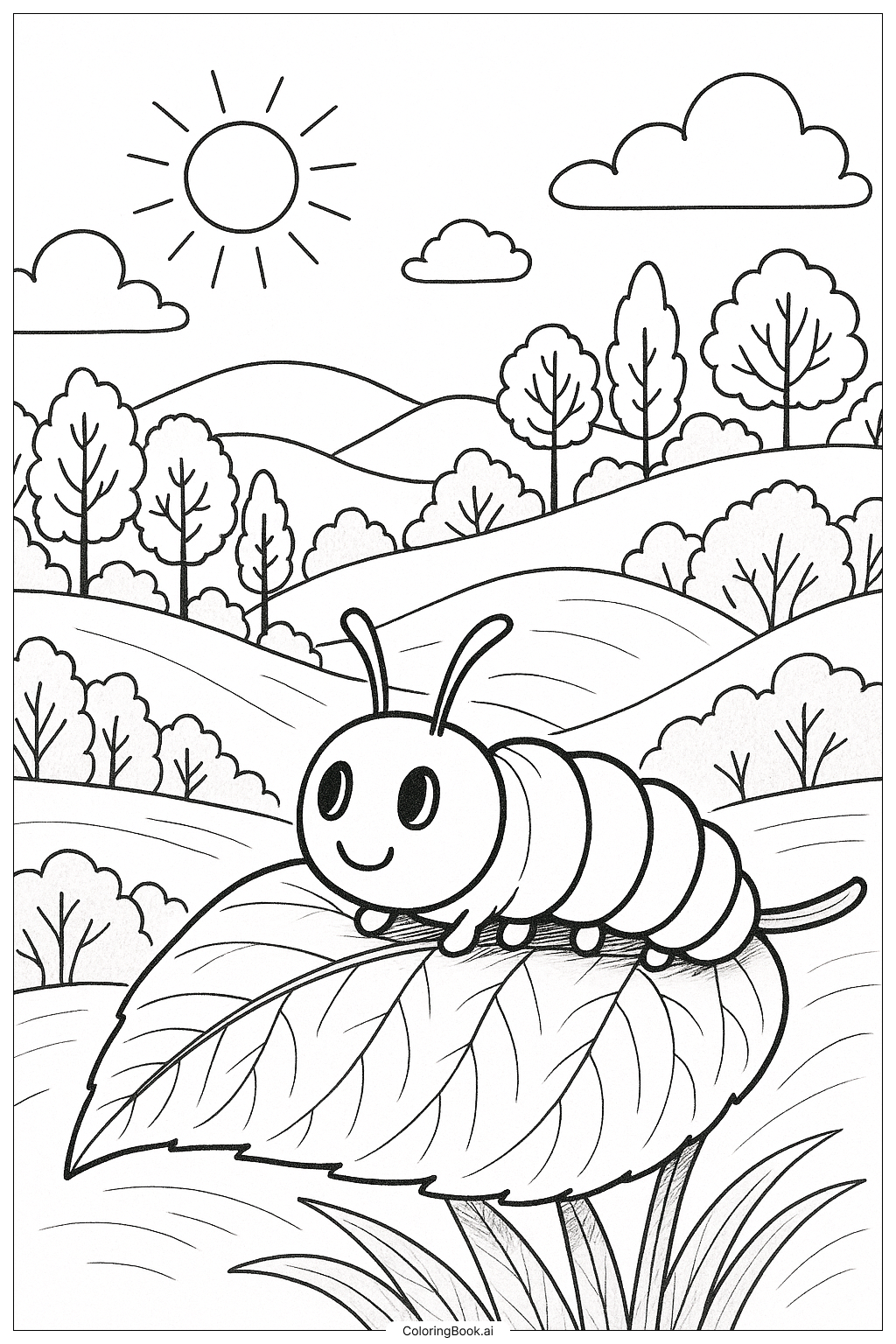
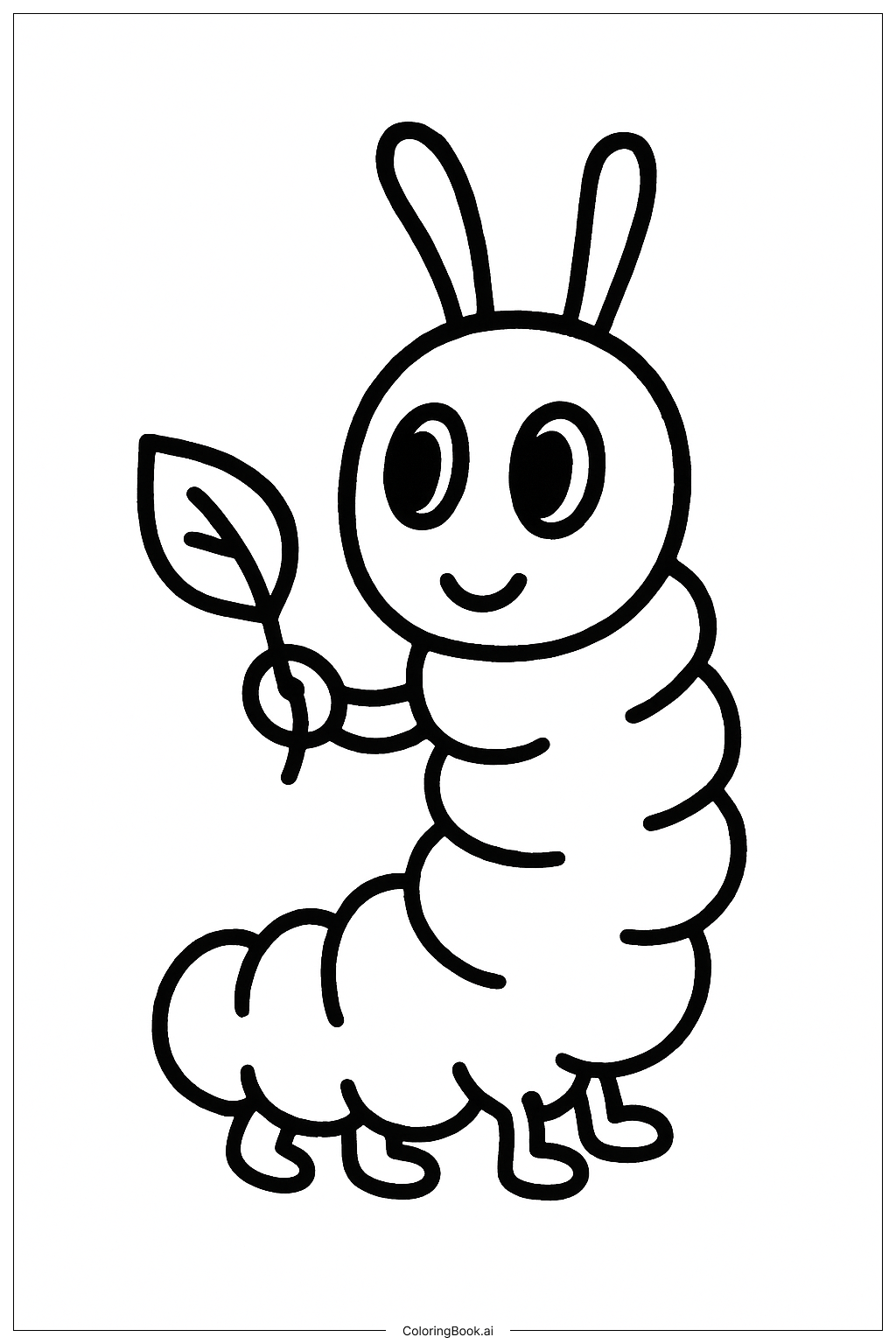
Try using bright colors to make the caterpillar fun and lively. You can use green for the leaf and choose shades of green, yellow, or orange for the caterpillar’s body. The eyes can be colored black with a little white spot to make them shiny. You may want to color the antennae in a different shade to create contrast. Using different colors for each body segment can make the caterpillar more cheerful. Feel free to add a colorful background with blue sky or flowers around.
Coloring challenges: Which parts are difficult to color and need attention for Hungry Caterpillar Holding Leaf coloring page?
1. Coloring the small leaf and the caterpillar’s hand can be tricky because the space is small and narrow. 2. Keeping the colors inside the lines may be difficult for young children due to the curvy and round shapes. 3. Choosing multiple vibrant colors for the small body segments without making it look messy can be challenging. 4. Coloring the eyes carefully to make them look alive while avoiding coloring the whites of the eyes. 5. Adding shading or textures to rounded parts might be hard but can bring more depth to the picture.
Benefits of coloring books: Advantages of drawing Hungry Caterpillar Holding Leaf coloring page
Coloring this image helps children improve their hand-eye coordination and fine motor skills. It encourages creativity as they choose colors and decide how to decorate the caterpillar and the leaf. The many small body segments provide practice for controlling the coloring tools in tight spaces. This picture also teaches kids about nature and insects in a fun way. Coloring the happy caterpillar can be relaxing and rewarding, boosting children's confidence and focus.