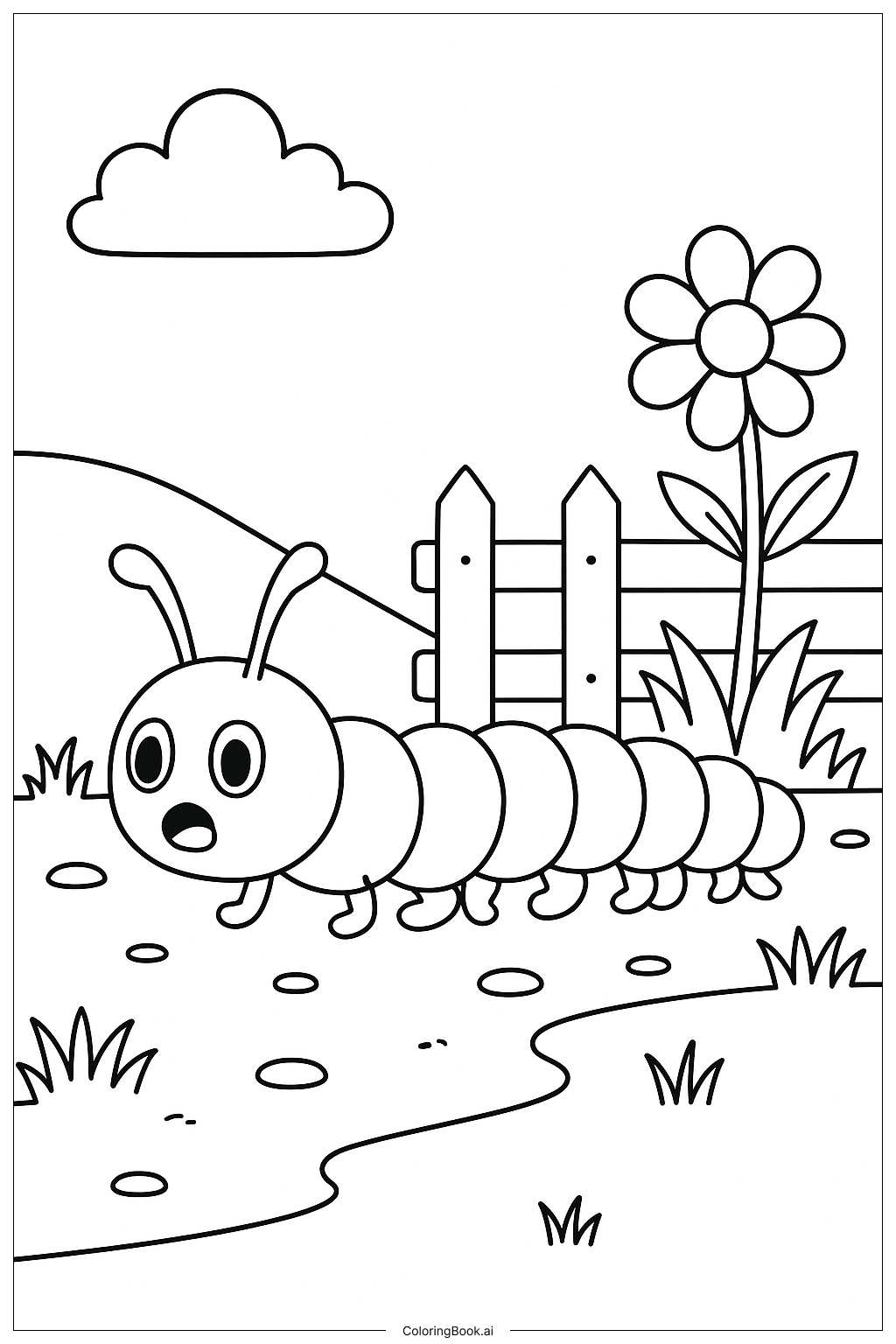
Coloring tips: How to color Hungry Caterpillar Crossing Small Path coloring page well?
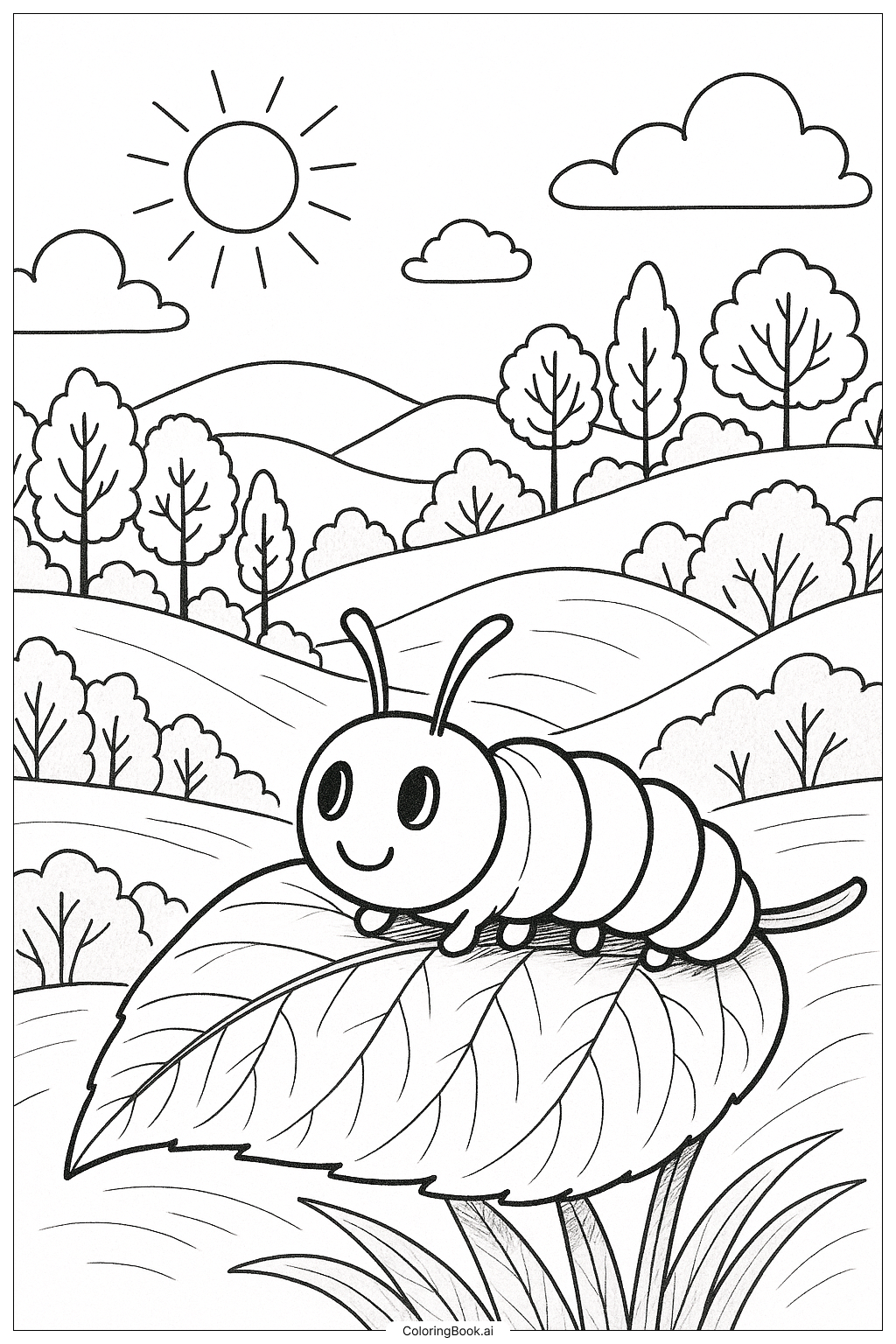
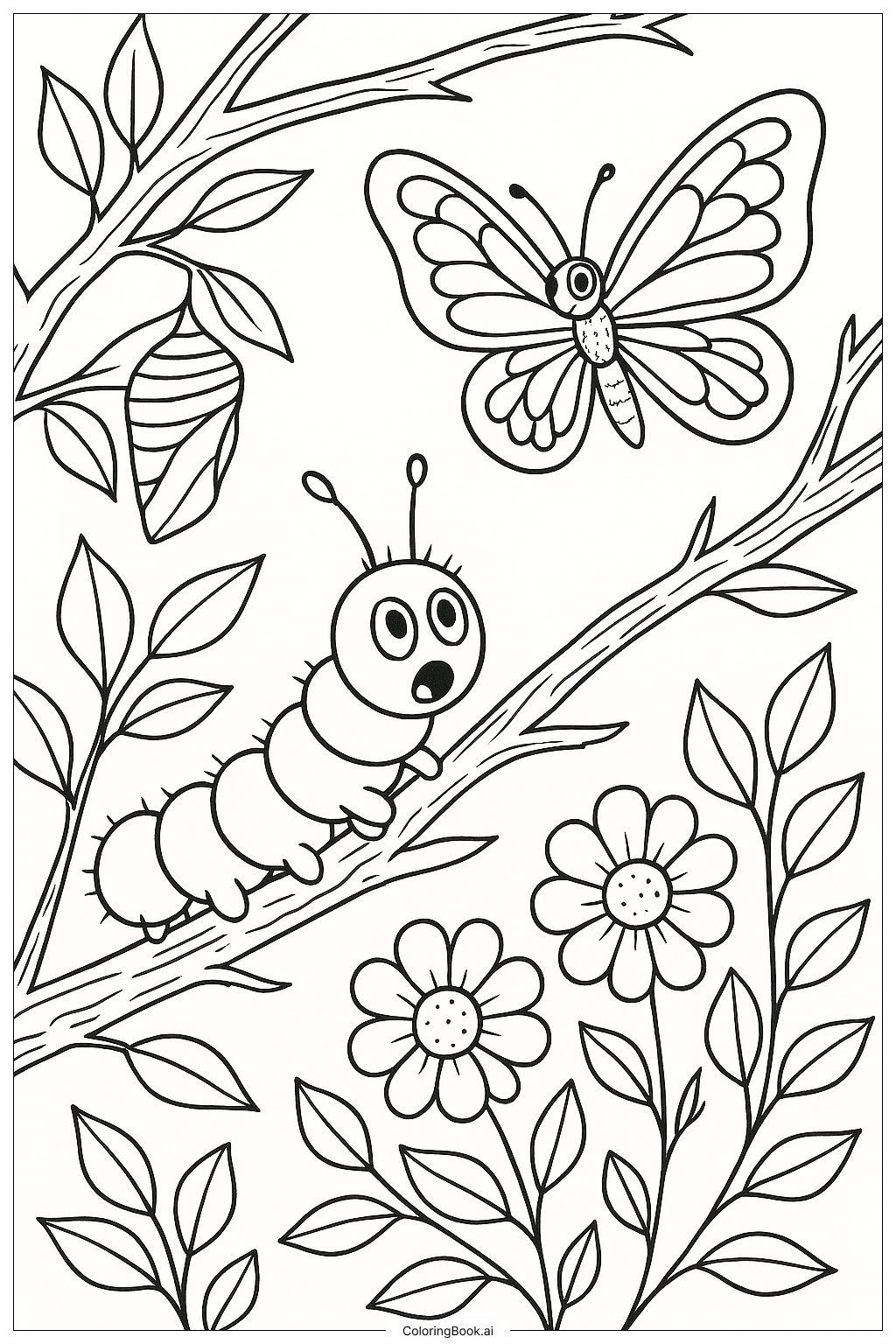
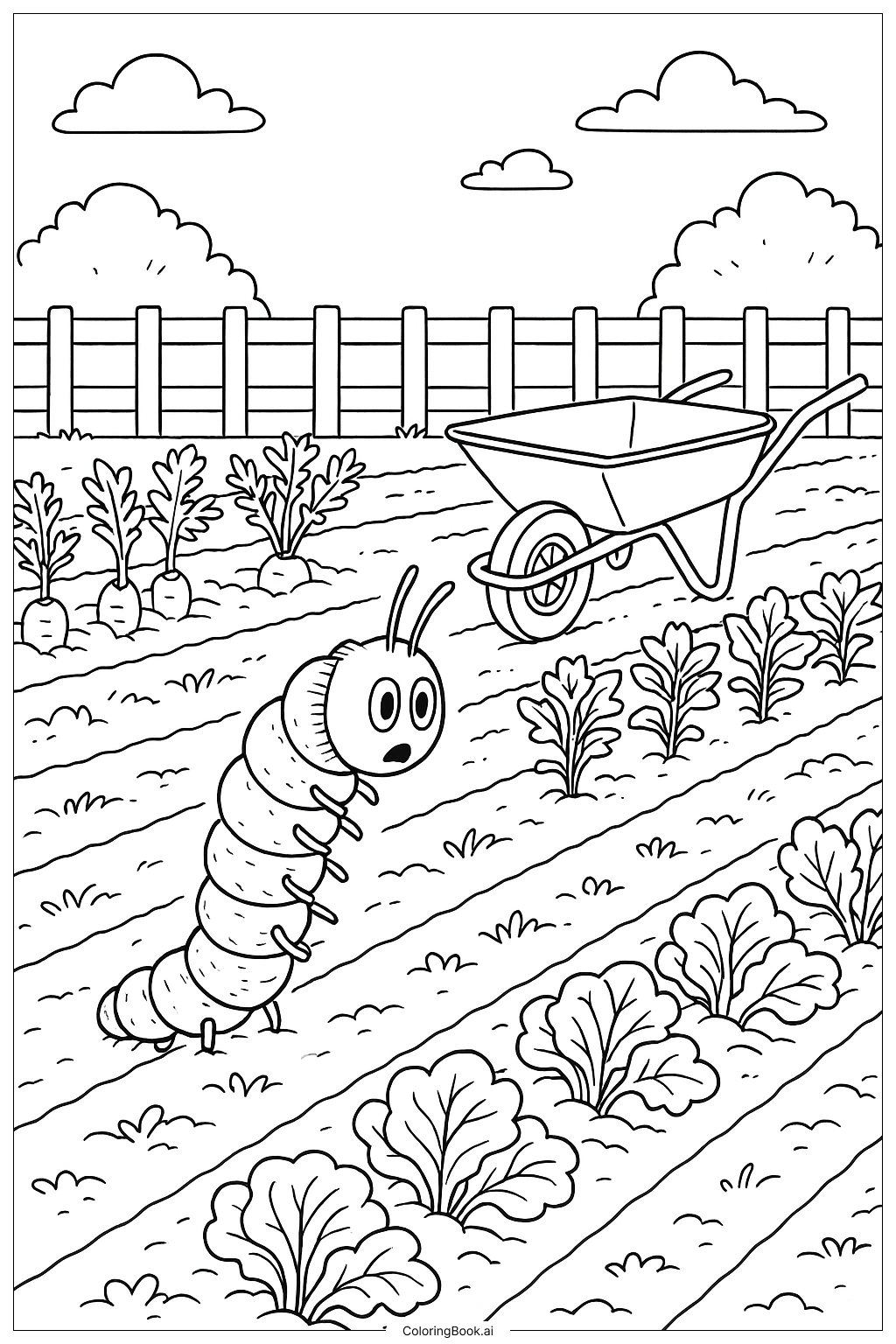
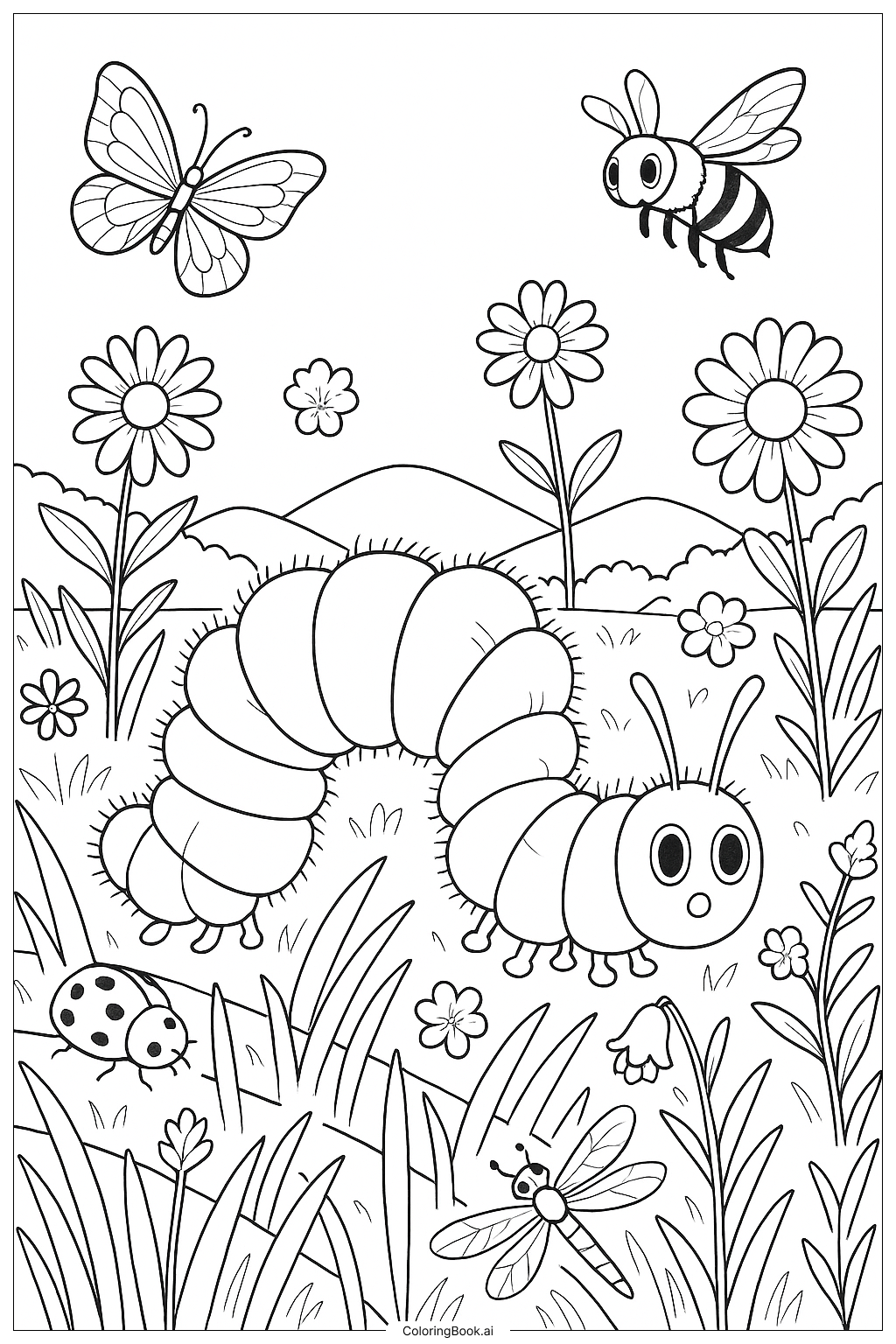
Use bright and cheerful colors for the caterpillar, like green for the body and red or orange for the head or antennae. Color the flower petals in vibrant colors such as pink, yellow, or purple. The leaves and grass can be various shades of green. For the wooden fence, use brown or tan shades to make it look natural. The path can be colored in light browns or gray to represent stones and dirt. For the sky, a soft blue will make the picture feel fresh and lively. Mixing light and dark shades will add depth and interest.
Coloring challenges: Which parts are difficult to color and need attention for Hungry Caterpillar Crossing Small Path coloring page?
1. Coloring the small stones on the path can be tricky because they are small and need to be neatly colored to avoid messiness.
2. The caterpillar's many body segments require attention to keep colors consistent or to create a nice pattern.
3. Coloring the thin fence lines needs care to stay inside the lines without spilling into neighboring areas.
4. The flower's petals and leaves have small spaces which could make coloring challenging for younger children.
5. Balancing color shades between the background (hills, sky) and foreground (caterpillar, flower, path) to keep the picture lively yet clear can be a bit hard.
Benefits of coloring books: Advantages of drawing Hungry Caterpillar Crossing Small Path coloring page
Coloring this picture helps children improve their hand-eye coordination and fine motor skills by coloring small and detailed areas carefully. It encourages creativity as they choose colors for different parts like the caterpillar and flower. Coloring the natural scene also increases focus and patience. Additionally, it teaches children about nature, insects, and garden environments in a fun and interactive way.