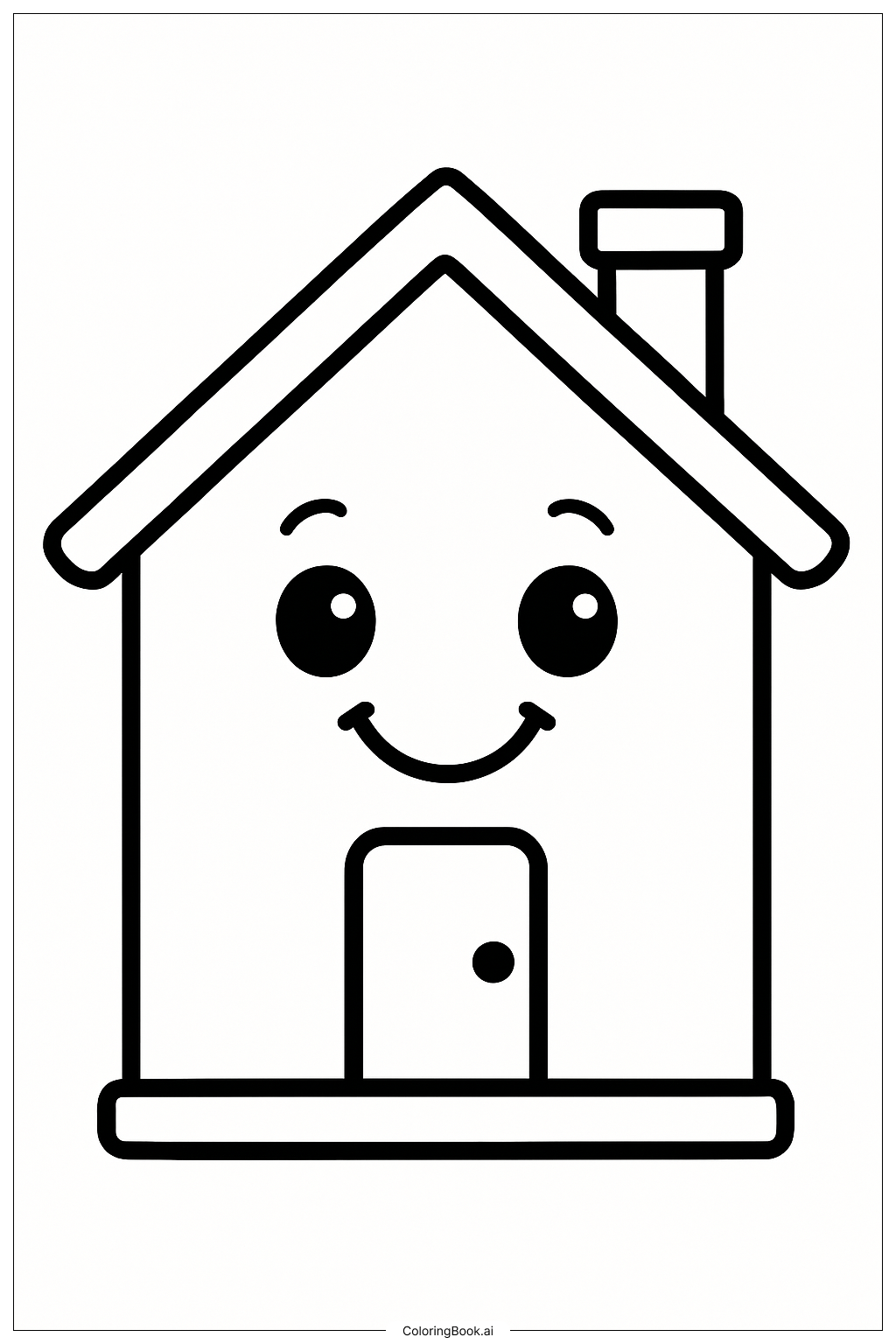
Coloring tips: How to color A Smiling House coloring page well?
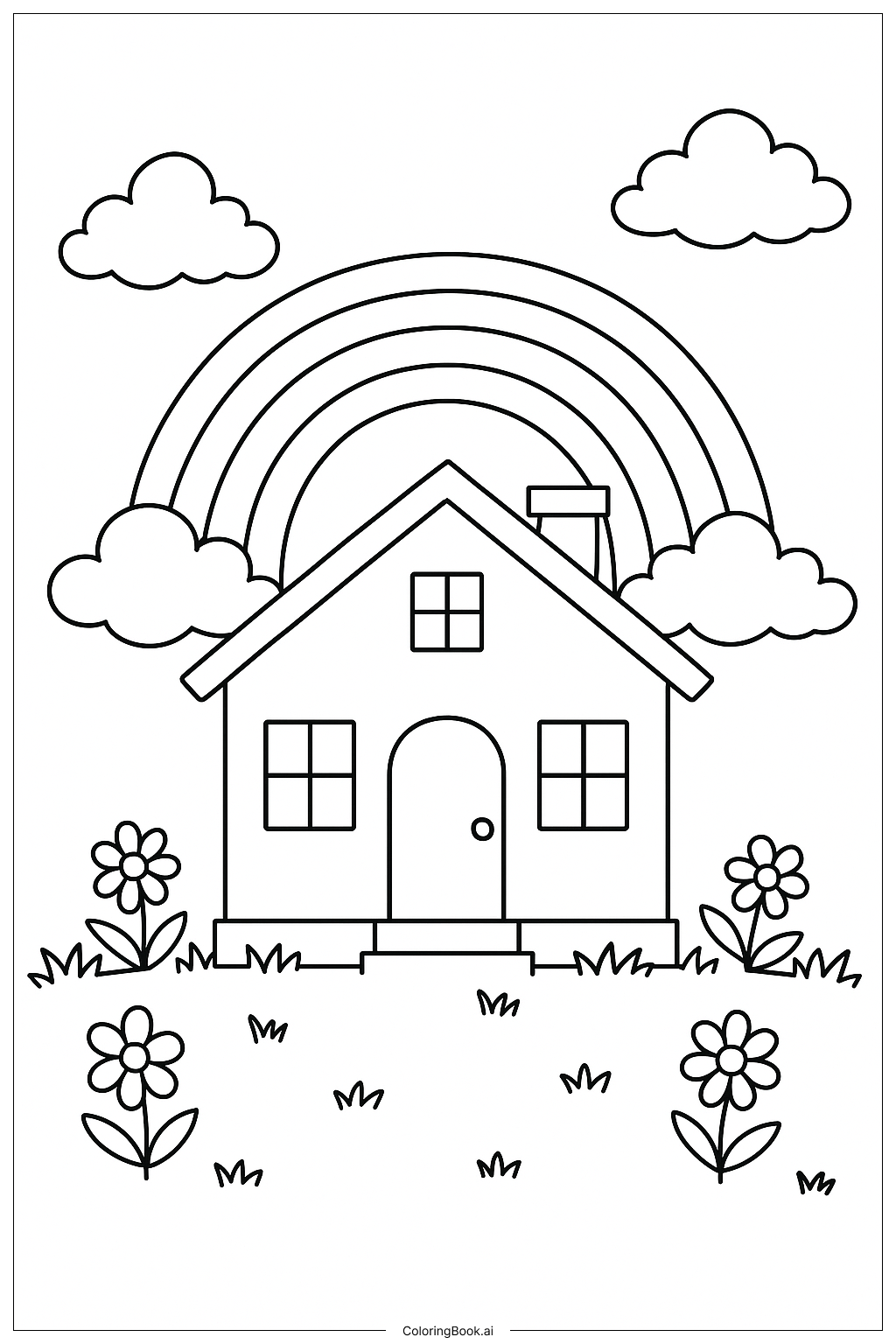
Try using bright and warm colors for the house to make it look happy and inviting. You can color the walls yellow or light orange to show warmth. The roof can be a bold red or deep brown. For the door and windows, use colors like blue or green to add contrast. You might color the flower pots with vibrant colors like pink, purple, or red, and use greens for the flowers and leaves. The sky can be light blue with soft white clouds. Feel free to add extra colors to the path or background to show grass or stones. This coloring page is perfect to practice blending soft and bright shades together.
Coloring challenges: Which parts are difficult to color and need attention for A Smiling House coloring page?
• Smiling Face Details: The house's smiling face, including the eyes and mouth, requires precise coloring within small shapes to keep the friendly expression clear. Staying inside the lines here is important. • Roof Texture: The roof triangle and chimney may have smaller sections or edges that need care to avoid overlapping colors. • Flower Pots and Plants: These areas have many tiny details like leaves and flowers, which can be challenging for younger children to color neatly. • Background Elements: Coloring clouds and birds with smooth strokes to look natural rather than patchy takes some skill. • Contrast Balance: Choosing colors that contrast well without clashing requires some planning and experimentation to keep the whole image harmonious.
Benefits of coloring books: Advantages of drawing A Smiling House coloring page
Coloring this image helps children improve their fine motor skills by working on small, detailed areas like the smiling face and flower pots. It encourages creativity as kids decide which colors to use for the house and surroundings. The cheerful theme can boost mood and inspire positive feelings. Following the lines and balancing colors enhances attention and focus. This coloring page also promotes an understanding of warm and cool colors and how they affect the feeling of an image. Overall, it is a fun and educational activity suited for kids aged 4 to 16.