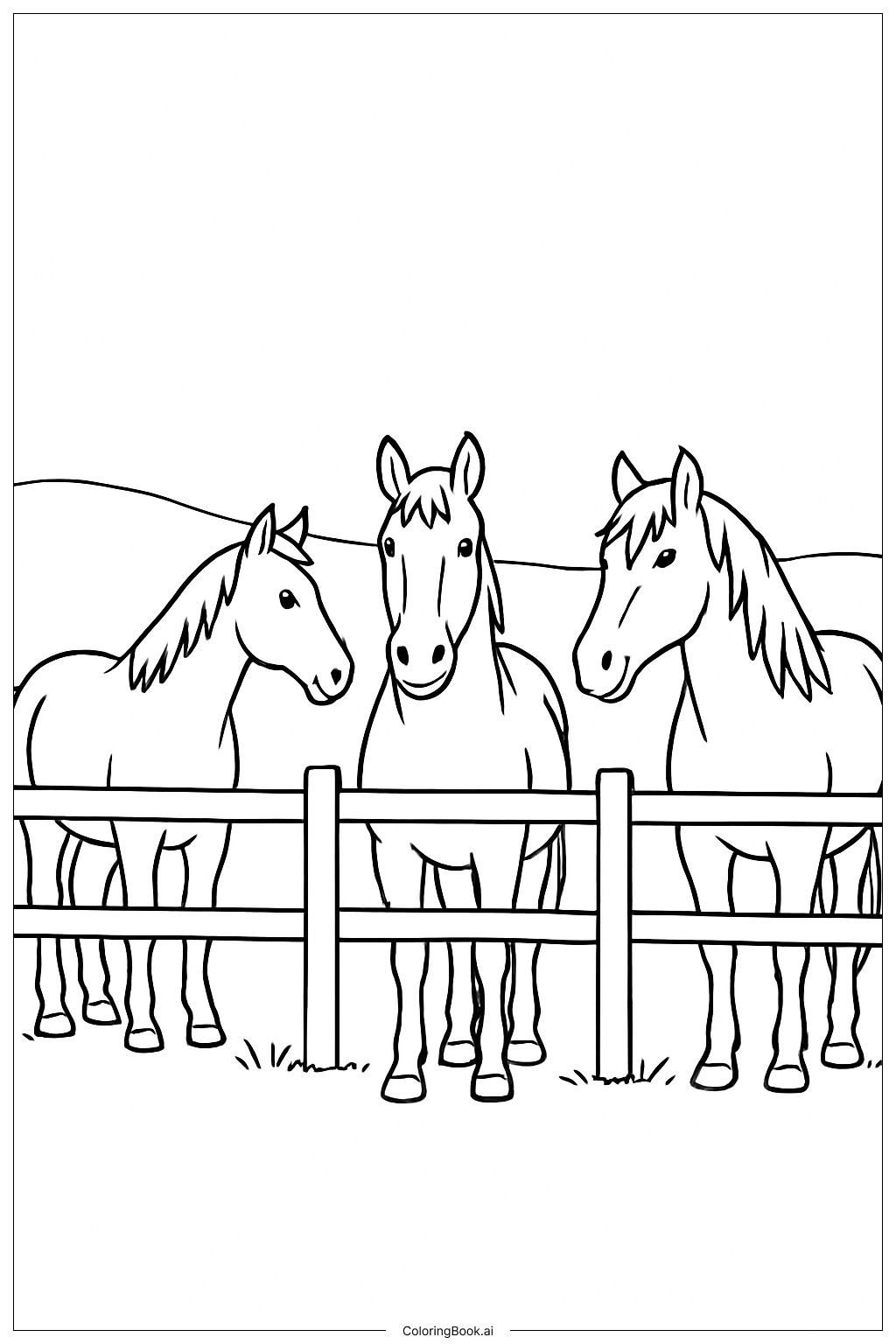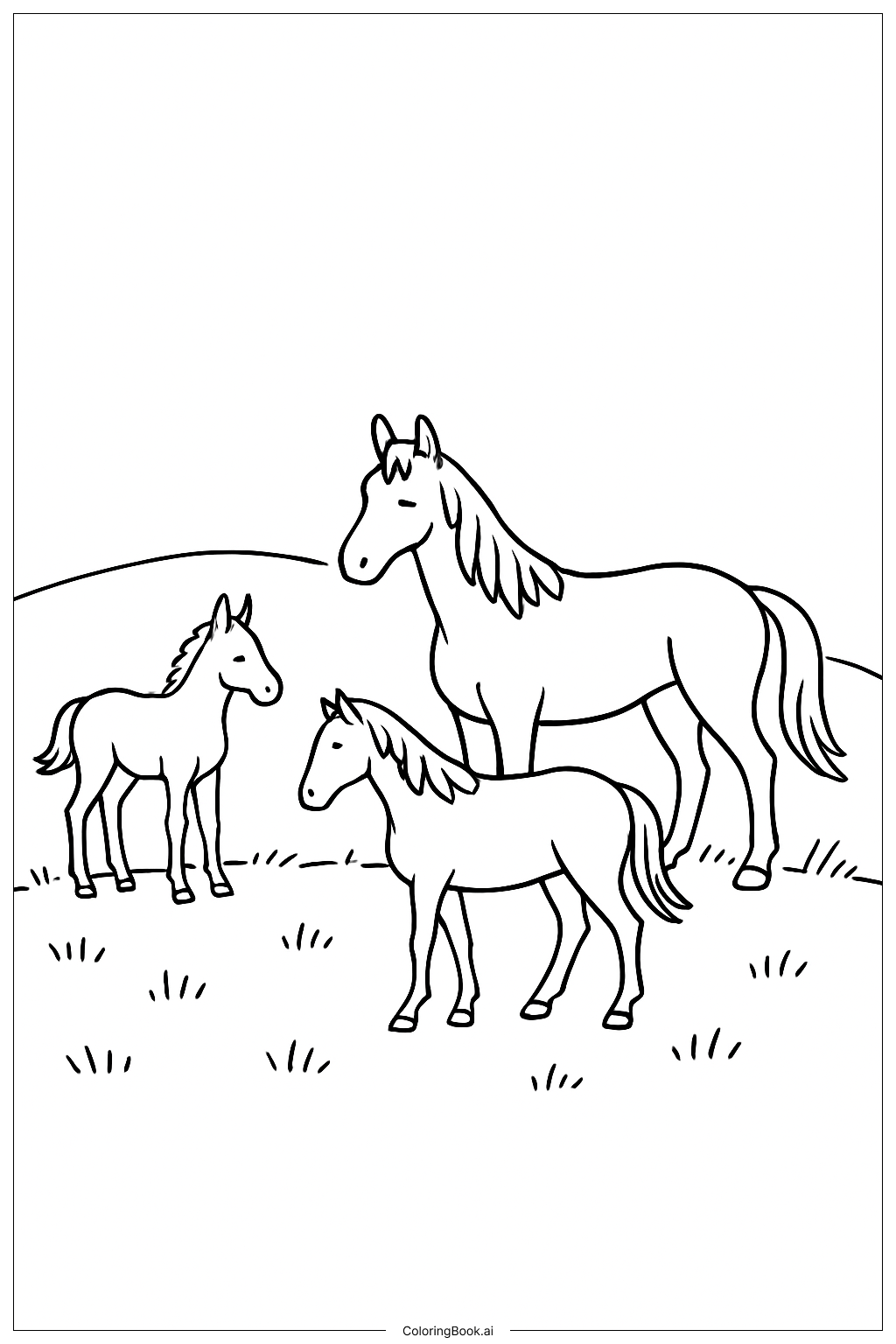
Coloring tips: How to color Horses Under Tree coloring page well?
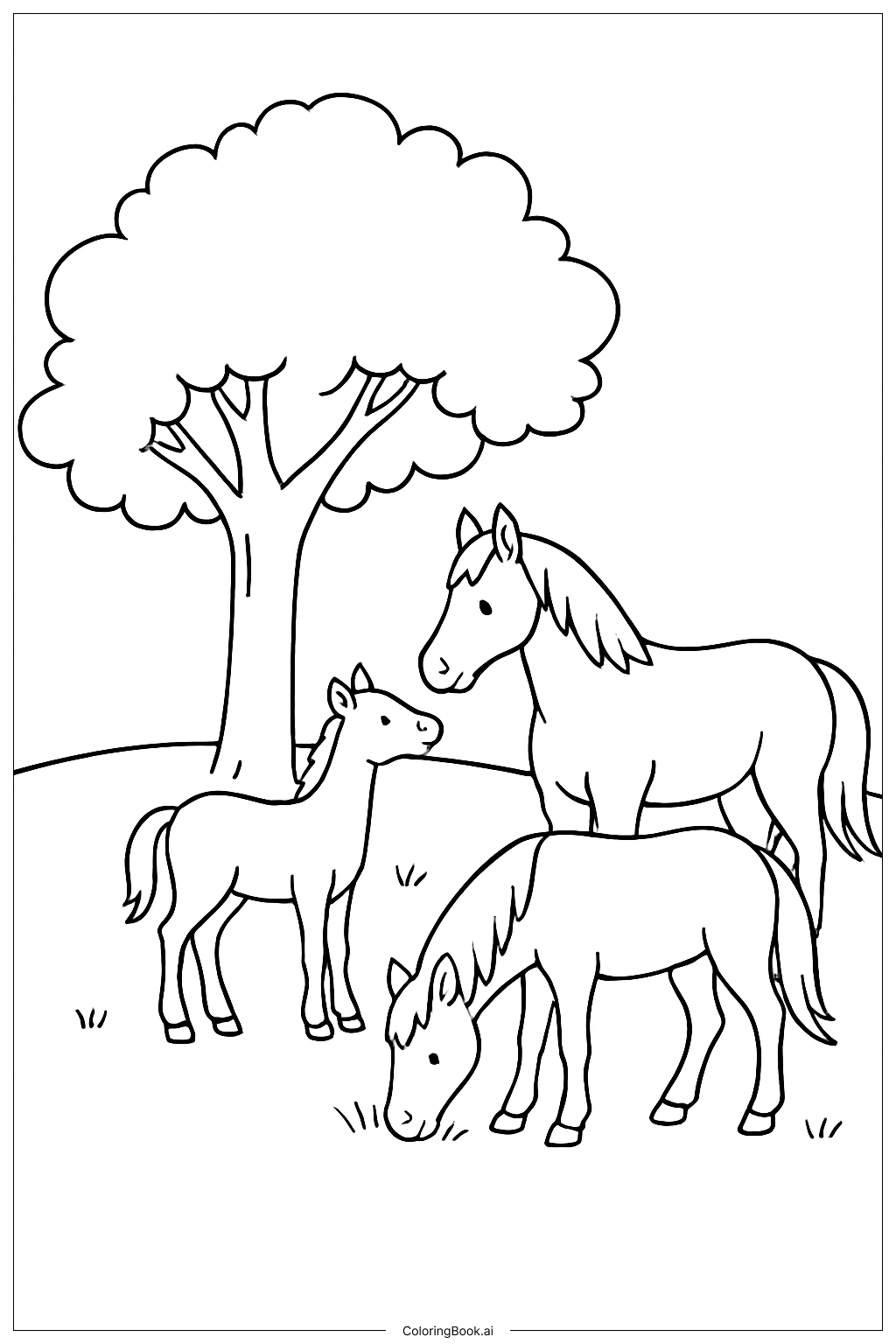
For coloring this image, start with warm colors for the horses such as browns, chestnuts, or soft greys. The tree leaves can be bright green to show freshness or you might choose autumn hues like orange and yellow for a seasonal look. Use softer green tones for the grass to add a natural feel. The tree trunk can be a mix of browns and greys to show bark texture. To make the horses stand out, try shading their manes with slightly darker tones or gentle highlights. Feel free to add light blue or soft yellow in the background to suggest a sunny sky or dappled light filtering through the leaves. This palette will make the scene vibrant and calming.
Coloring challenges: Which parts are difficult to color and need attention for Horses Under Tree coloring page?
• Shading the Horses: Capturing the smooth curves and muscles of the horses requires careful shading. Blending colors gently is important to show natural transitions on their coats.
• Leaf and Branch Detail: The tree’s many leaves and branches need attention to avoid overcrowding with too many colors. Choosing consistent shades can help maintain a balanced look.
• Texture Contrast: Differentiating the rough bark of the tree from the soft fur of the horses can be tricky. Using varied strokes and pressure with coloring tools helps give each texture its own feel.
• Light and Shadow: Showing sunlight filtering through the tree canopy means managing light and shadows on the horses and grass, which can be challenging but adds depth.
• Small Details: Small leaves on the ground and the fine lines in horse manes require patience to color neatly, especially for younger children.
Benefits of coloring books: Advantages of drawing Horses Under Tree coloring page
Coloring this Horses Under Tree page helps improve focus and fine motor skills as children carefully fill in detailed areas like the horses’ manes and tree leaves. It encourages creativity through choosing natural and imaginative color schemes. The calming scene promotes relaxation and mindfulness, which can reduce stress. Working on shading and texture fosters patience and attention to detail, important skills for young artists. Additionally, engaging with an animal and nature picture can spark an interest in horses and the outdoors, inspiring further learning and exploration.