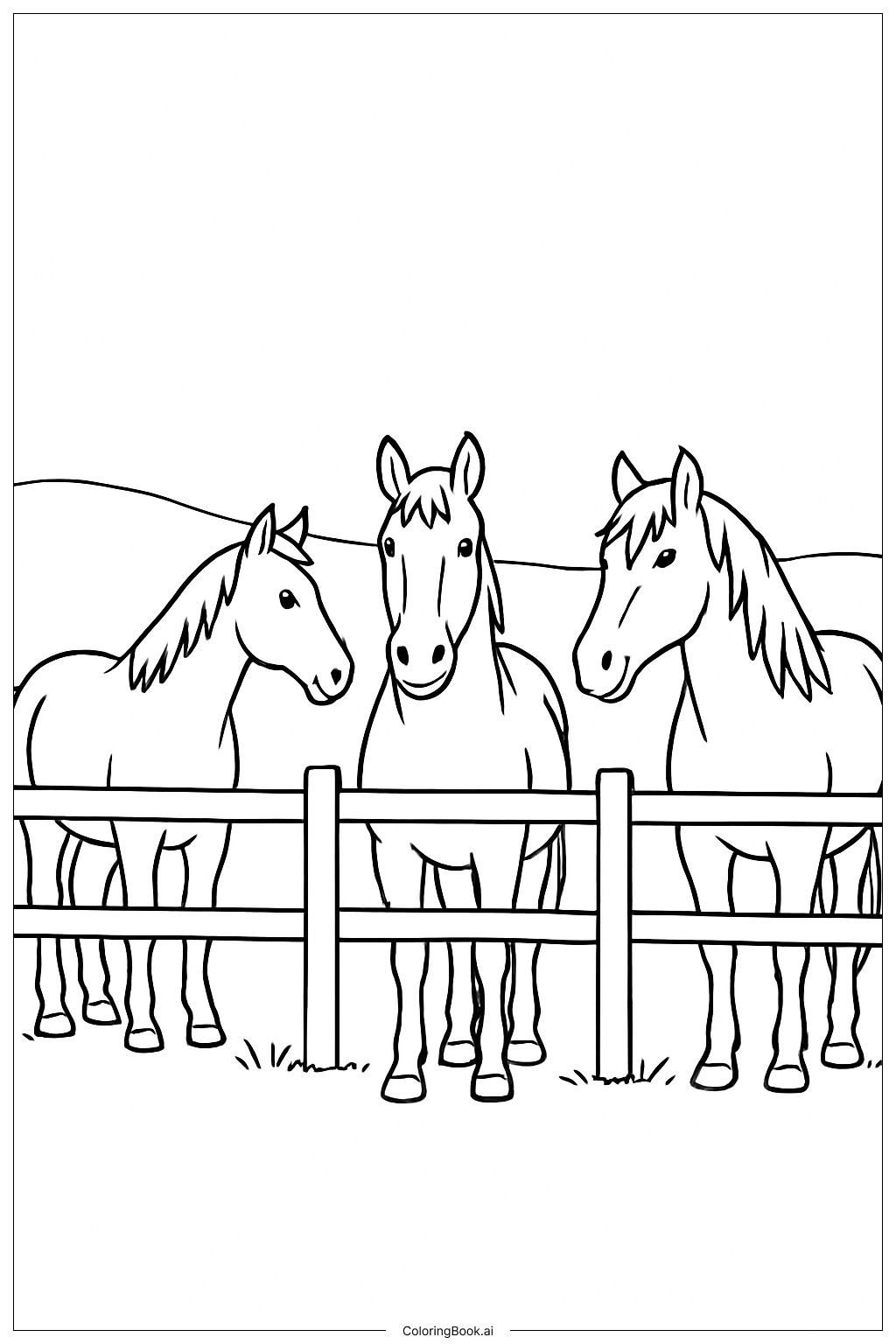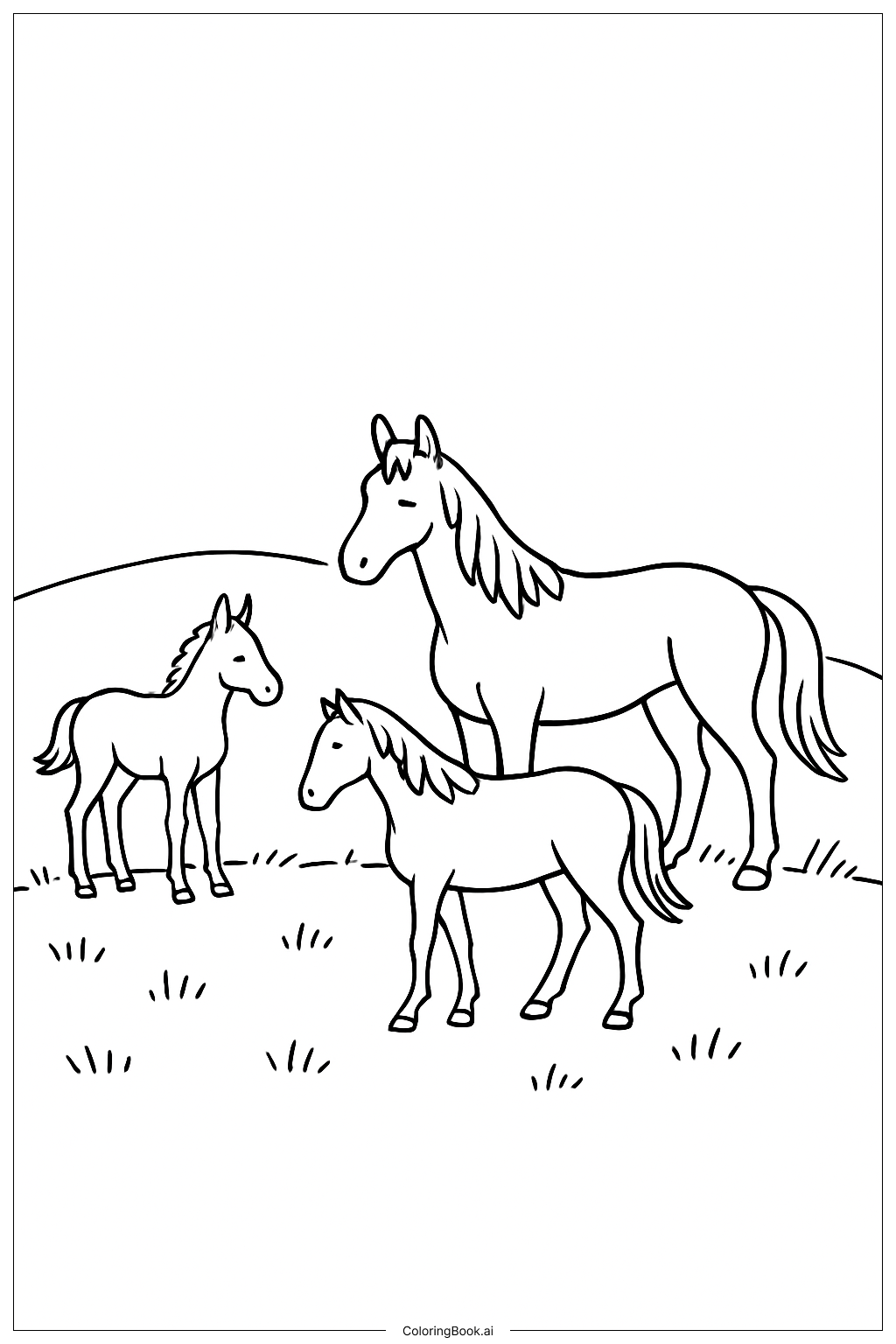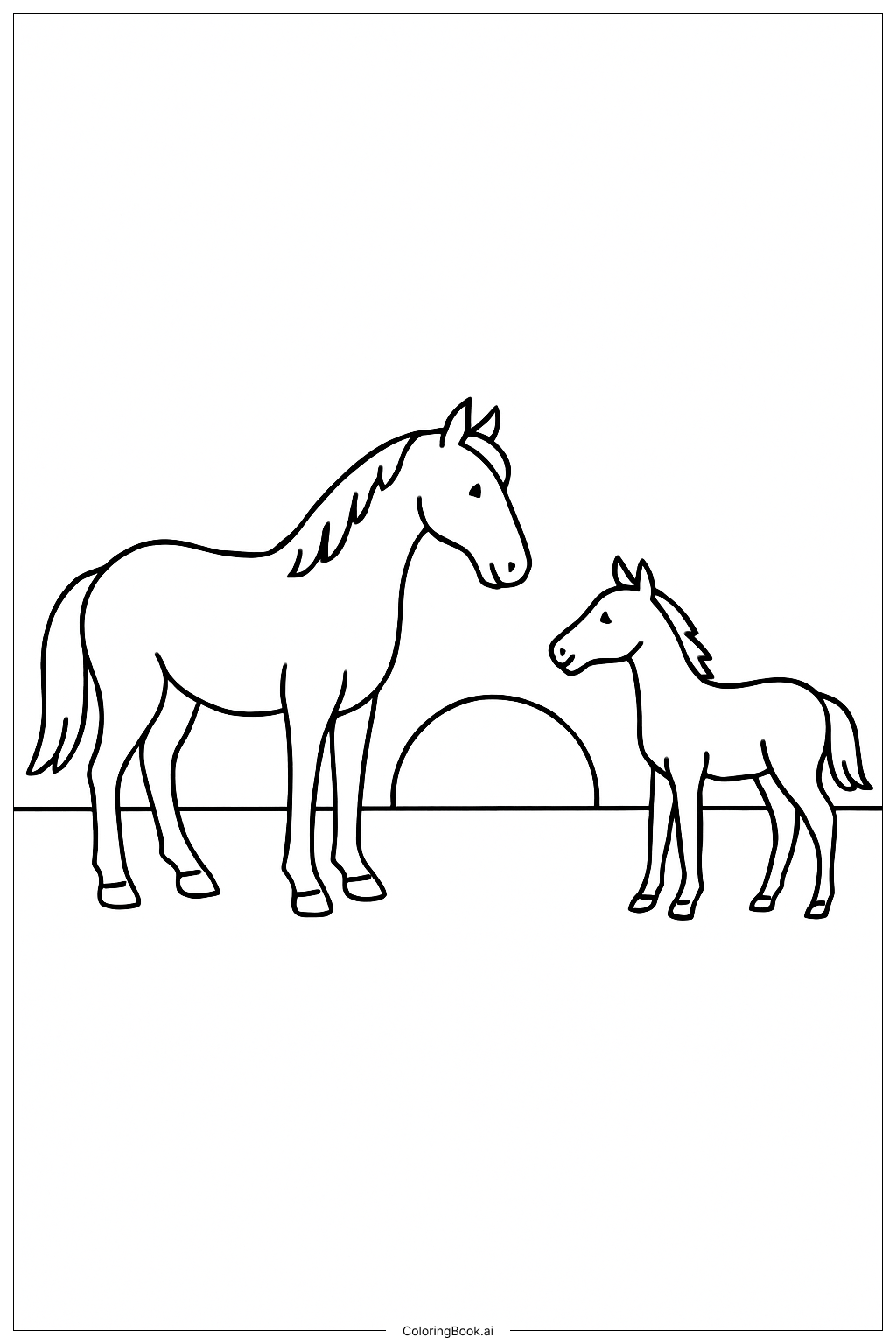
Coloring tips: How to color Horses By River coloring page well?
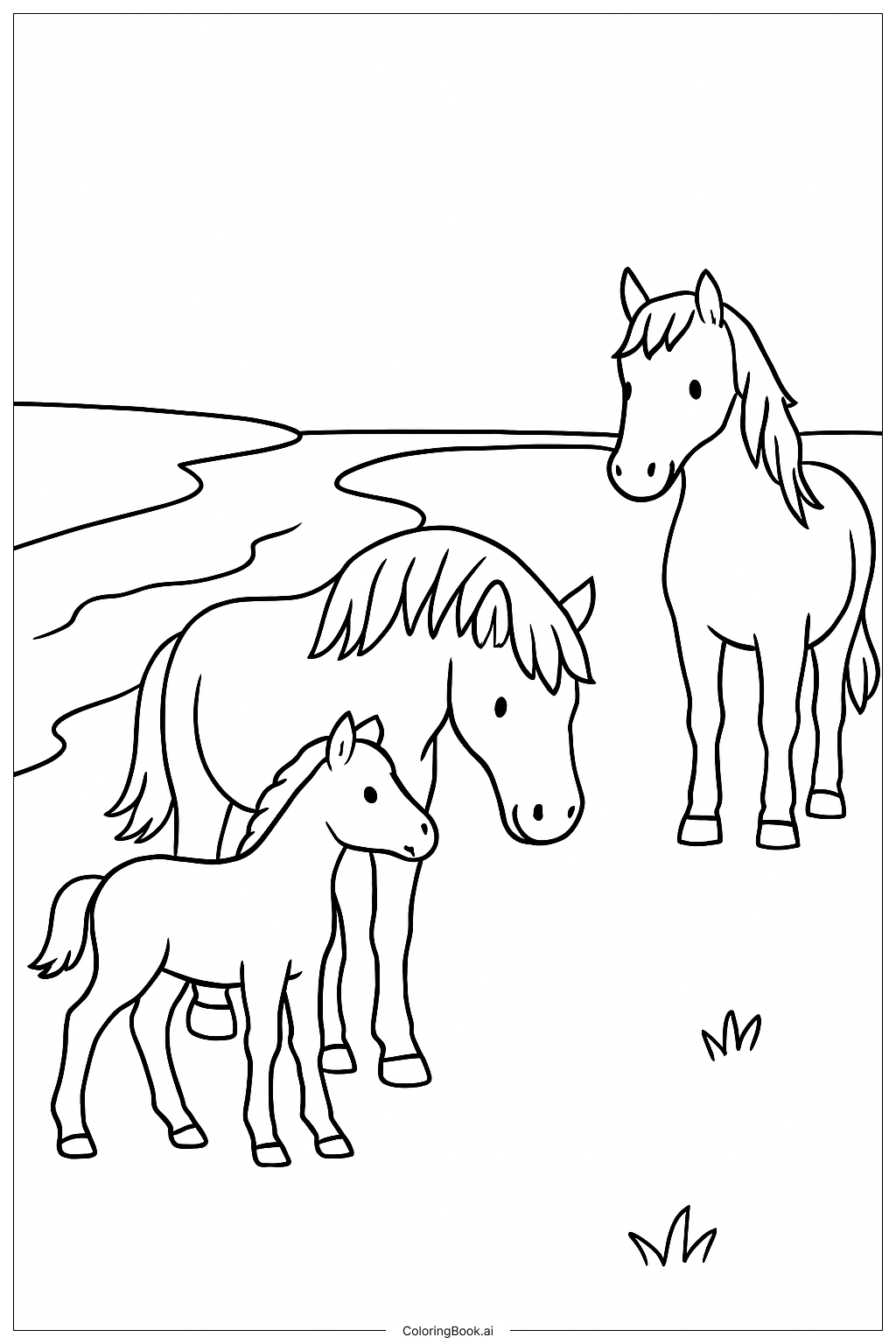
Start with the horses. Use warm browns, chestnuts, or golden tans for their bodies. A white or gray horse adds nice contrast. Add darker shades along the belly, legs, and under the mane to show depth. Color the manes and tails in flowing strokes of black, dark brown, or even a golden blonde. For the river, use light blues and soft teals. Add white highlights to show moving water. The riverbank grasses look great in bright or olive greens. Use yellow, purple, or pink for any wildflowers. Paint the sky in pale blue with hints of soft orange or yellow near the horizon for a warm, sunny feel. The trees and hills in the background can be colored in deeper greens to make the horses stand out. Try blending colors for a more realistic and beautiful result.
Coloring challenges: Which parts are difficult to color and need attention for Horses By River coloring page?
• Horse Body Shading: Horses have curved, muscular bodies that require careful shading to look realistic. You need to layer light and dark tones to show where light hits and where shadows fall. Missing these transitions can make the horse look flat. Take your time blending colors along the neck, shoulders, and hindquarters.
• Mane and Tail Details: The flowing mane and tail have many fine lines grouped closely together. Coloring each strand individually while keeping the overall flow natural is tricky. Using thin strokes in multiple shades — light highlights and dark shadows — helps bring these features to life without muddying the colors.
• Water Reflections: The river surface has ripples and reflections that are challenging to color. You need to balance the base water color with lighter reflection lines and subtle movement patterns. Pressing too hard in one area can eliminate the delicate ripple details already drawn in the outline.
• Foreground Grass and Flowers: The riverbank is filled with overlapping grasses and small flowers. These tight clusters of detail require a fine-tipped tool for accuracy. Mixing greens of different shades prevents the bank from looking like one flat block of color, and tiny pops of flower color add life to the scene.
• Background Depth: Creating a sense of distance in the hills and trees behind the horses takes planning. The background should be colored in softer, slightly muted tones so it recedes visually and the horses remain the clear focus of the scene.
Benefits of coloring books: Advantages of drawing Horses By River coloring page
Coloring this Horses By River page offers a wide range of benefits for kids and adults alike. Focusing on the fine details of the horses and the flowing river helps build concentration and patience. Children practice staying within lines, which strengthens fine motor skills and hand-eye coordination over time.
Choosing colors for the horses, the water, and the natural landscape encourages creative thinking. Kids get to make their own artistic choices — deciding whether a horse is brown, white, or even a fantasy color — which builds confidence and self-expression.
The peaceful nature scene also has a calming effect. Sitting quietly and coloring a tranquil riverside setting can reduce stress and anxiety, making it a great activity after a busy school day. It also introduces children to the beauty of nature and animals, sparking curiosity about wildlife and the outdoors.
For older colorists, the complexity of shading horse muscles and rendering water reflections offers a satisfying creative challenge. Completing a detailed piece like this brings a real sense of accomplishment. Overall, this coloring page is both fun and enriching for all ages.