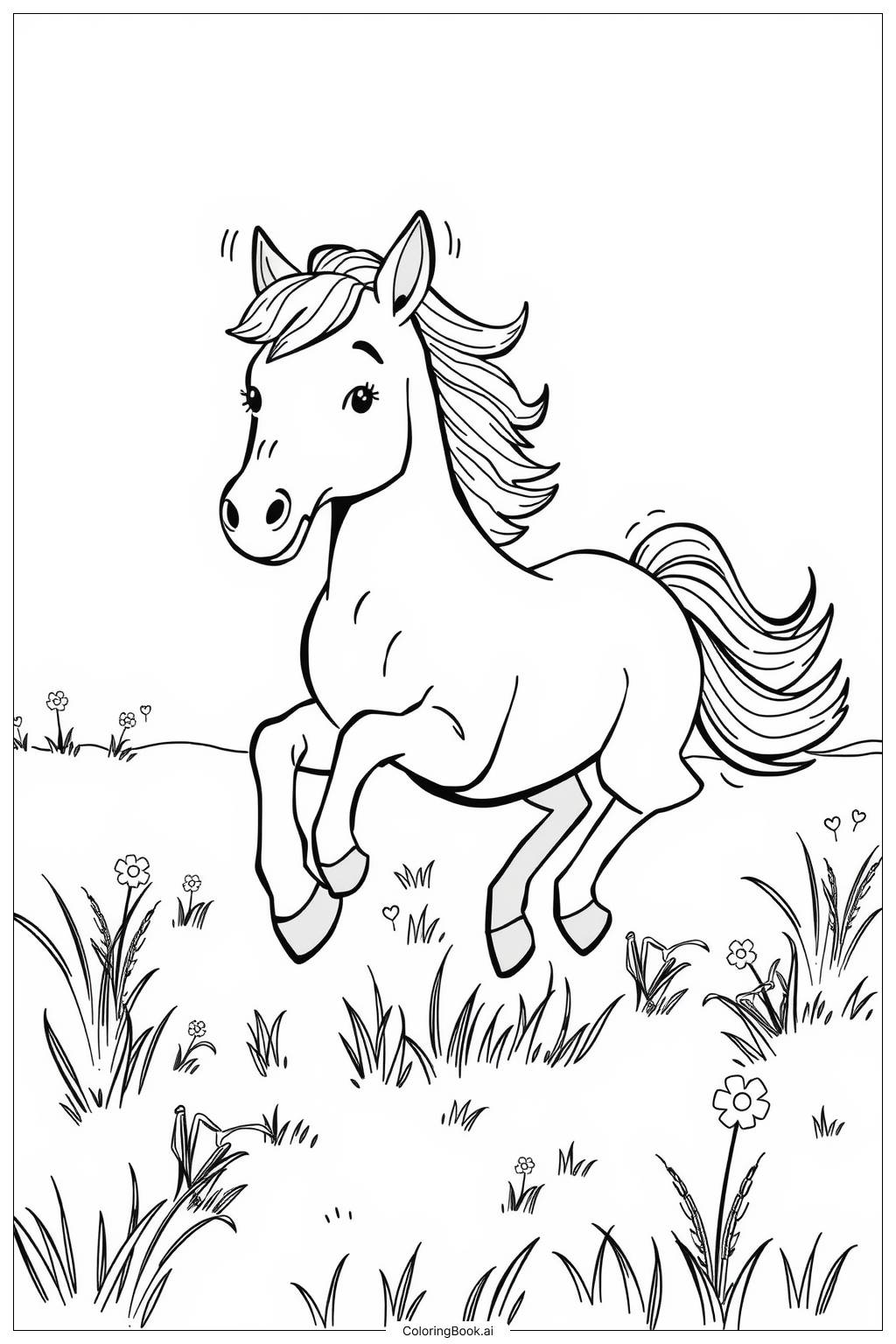
Coloring tips: How to color Realistic Wild Horse Running Free coloring page well?
Start with the horse's body and coat. Wild horses can be many colors — try a rich chestnut brown, a deep bay, a dapple gray, or a classic black. Use lighter shades on the belly, inner legs, and muzzle to show the natural shading of a real horse. The mane and tail are flowing and full, so use long, loose strokes in a slightly darker or lighter shade than the body. Add golden or amber highlights to show sunlight catching the coat. For the background, warm sandy yellows and soft greens work great for open plains. A light blue sky adds a feeling of wide open space and freedom. Keep your darkest tones in the shadows under the belly and behind the legs. This helps the horse look three-dimensional and alive. Children can use just a few bold colors to make a striking image, while older colorists can blend and layer for a more realistic result.
Coloring challenges: Which parts are difficult to color and need attention for Realistic Wild Horse Running Free coloring page?
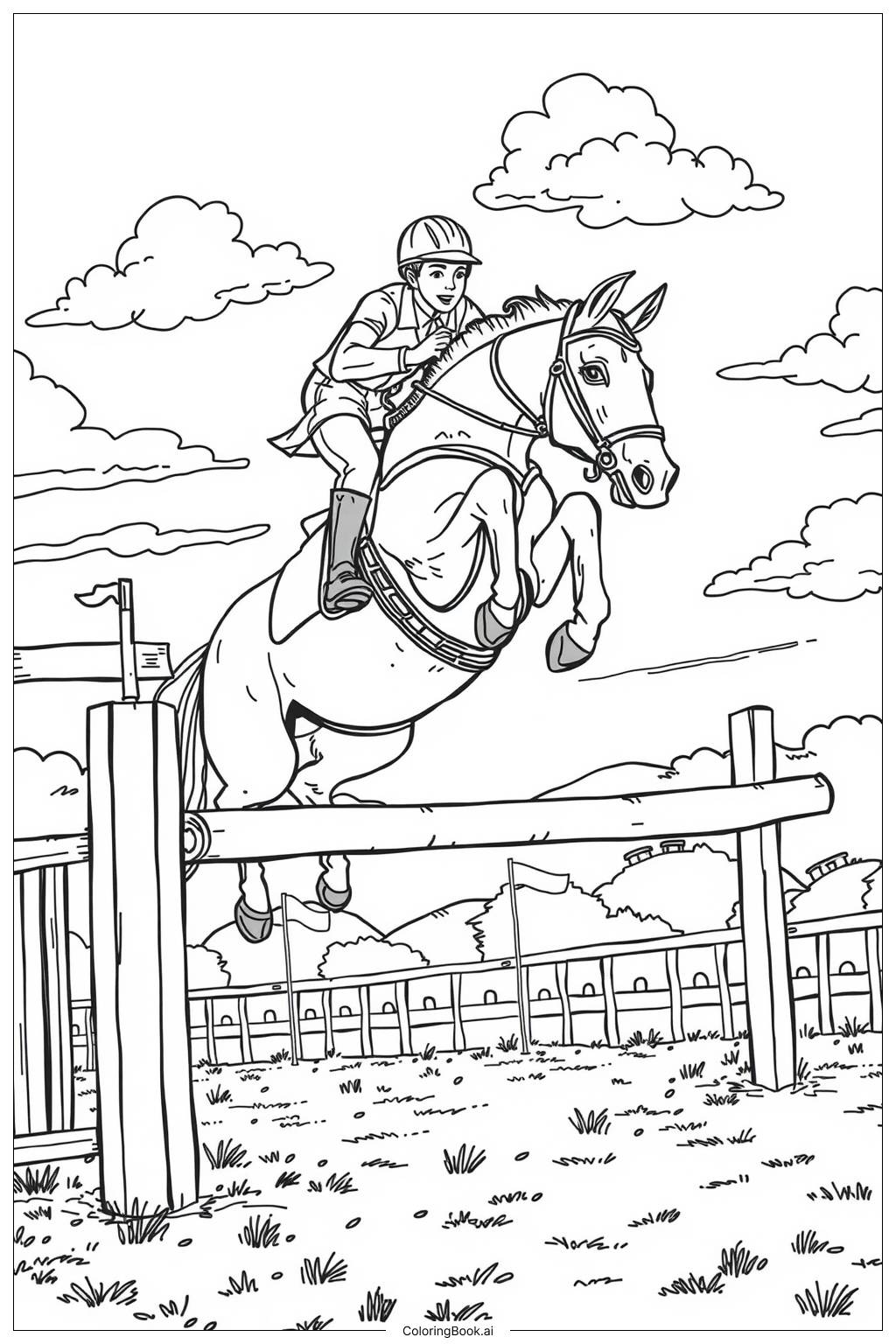
• Muscle Definition and Body Shading: The horse's body is full of curved muscle groups that require careful shading to look realistic. Each muscle — along the neck, shoulder, barrel, and hindquarters — needs a highlight and a shadow side. Without this layering, the horse can look flat. Take your time building up color in thin layers, leaving lighter areas where the light hits most directly.\n\n• Flowing Mane and Tail: The mane and tail are drawn in long, dynamic, overlapping strands. Coloring these takes patience. Each strand may catch light differently, so mixing lighter and darker values of the same color creates a natural look. Avoid filling them with a single flat color, as this loses the sense of movement and flow.\n\n• Leg and Hoof Detail: The legs are slender and have detailed anatomy — tendons, joints, and strong hooves. These small areas require a fine-tipped tool for precision. The hooves are typically darker than the legs, often dark brown or black, and benefit from a small highlight to show their hard, shiny surface.\n\n• Facial Expression and Eyes: The horse's face carries a lot of emotion. The wide eye needs a dark pupil with a subtle reflected light spot to look lifelike. The flared nostril and open mouth, if present, should be shaded carefully in pinks and deep reds to suggest realism without looking cartoonish.\n\n• Background and Depth: Keeping the background simple enough so it does not compete with the horse is a real challenge. Using softer, less saturated colors in the distance — pale blues, muted greens — helps push the background back and keep the horse as the clear focal point.
Benefits of coloring books: Advantages of drawing Realistic Wild Horse Running Free coloring page
Coloring this wild horse image offers a wonderful range of benefits for kids and adults alike. For younger children, it builds fine motor skills as they practice staying within the lines of the horse's detailed outline. Choosing colors and mixing shades encourages creative thinking and self-expression. Learning about horse anatomy through art is also a fun, natural way to spark curiosity about animals and nature. For older kids and teens, the challenge of realistic shading teaches patience and attention to detail — skills that carry over into many areas of life. The flowing mane, dynamic pose, and muscular body offer great practice in understanding light, shadow, and form. For adults, this image is a calming and meditative activity. Focusing on the steady rhythm of coloring helps reduce stress and quiet a busy mind. The image also carries an inspiring message — a wild horse running free is a symbol of freedom, strength, and natural beauty. Connecting with that image, even through coloring, can be uplifting and joyful. Overall, this page is a rewarding experience for any age, combining artistic challenge with the simple pleasure of bringing a magnificent animal to life with color.