Coloring tips: How to color Family Riding Horses on a Trail coloring page well?
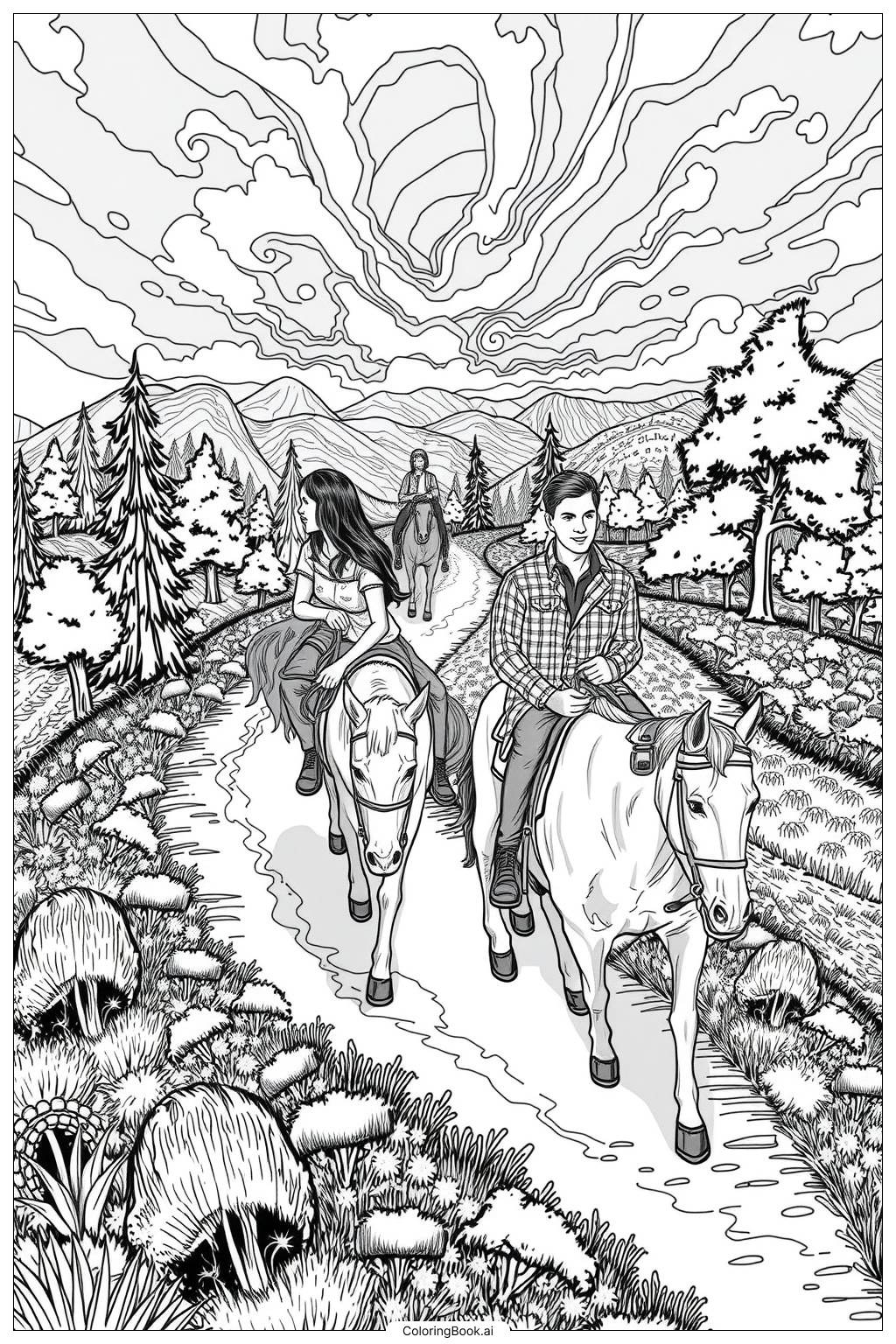
Start with the horses and give each one a different coat color to make the scene lively. Common horse colors include chestnut brown, golden palomino, dapple gray, and black. Use darker shades for the mane and tail to add depth. For the riders, choose bright, cheerful colors for their clothing — reds, blues, and greens work great. Helmets can be solid colors or have fun patterns. Color the trail a warm sandy brown or tan, and add patches of green grass on the sides. The trees and leaves can use many shades of green, or go for autumn tones like orange, yellow, and red for a seasonal feel. A light blue sky peeking through the branches adds a fresh, outdoor feeling. Do not be afraid to use bold colors — they make the picture come alive and feel full of energy and fun.
Coloring challenges: Which parts are difficult to color and need attention for Family Riding Horses on a Trail coloring page?
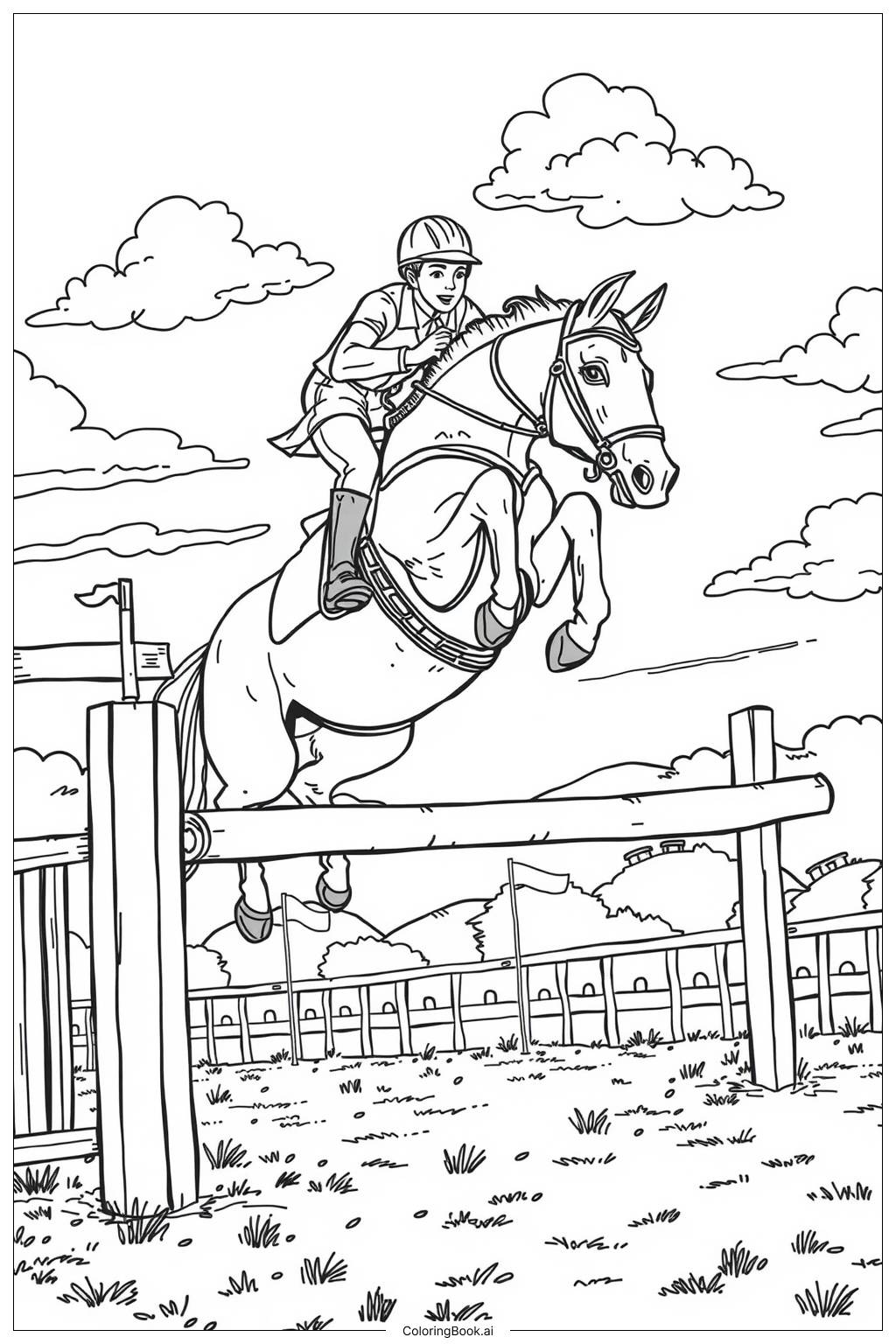
• Horse Anatomy and Muscle Detail: Horses have rounded, muscular bodies with subtle curves along the neck, chest, and legs. Coloring these areas evenly while showing depth and dimension can be tricky. Young colorists may find it hard to follow the contours without going outside the lines. Using slightly darker shades along the edges and lighter tones in the center helps create a realistic, three-dimensional look.
• Mane and Tail Texture: The flowing mane and tail of each horse are made up of many fine strands moving in different directions. Capturing this texture requires patience and careful pencil or marker strokes. Try following the direction of each strand with your coloring tool to make the hair look natural and silky rather than flat.
• Multiple Figures and Riders: This scene includes several horses and riders, which means there are many separate areas to color without mixing up neighboring sections. Keeping each figure visually distinct takes planning. Choosing clearly different colors for each horse and each rider helps prevent the image from looking too busy or confusing.
• Trail and Ground Surface: The trail beneath the horses involves a mix of dirt, pebbles, and grassy edges. Blending earthy tones like tan, brown, and beige smoothly without making the ground look muddy can be a challenge. Light, layered strokes work best here.
• Tree Canopy and Background Depth: The trees and foliage in the background require shading to show distance. Leaves closer to the viewer should be brighter and more detailed, while background trees can be softer and cooler in tone to suggest depth in the landscape.
Benefits of coloring books: Advantages of drawing Family Riding Horses on a Trail coloring page
Coloring this family horseback riding scene offers a wonderful range of benefits for children and young learners. First, it helps develop fine motor skills as kids carefully color within the detailed outlines of horses, riders, and trail surroundings. The varied shapes and textures encourage hand control and pencil precision. Second, the scene sparks creativity by inviting colorists to choose their own color combinations for the horses, clothing, and landscape — there are no wrong answers, which builds confidence. Third, it teaches children about nature and animals in a fun, engaging way. Learning what colors horses can be or what a forest trail looks like makes the activity educational as well as enjoyable. Fourth, focusing on a detailed, multi-figure image builds concentration and patience — skills that carry over into school and daily life. Fifth, for families who color together, this image is a great shared activity that encourages conversation, storytelling, and bonding. A child might invent names for each horse or create a story about where the family is riding. Overall, this coloring page blends artistic expression, learning, and fun into one joyful experience.