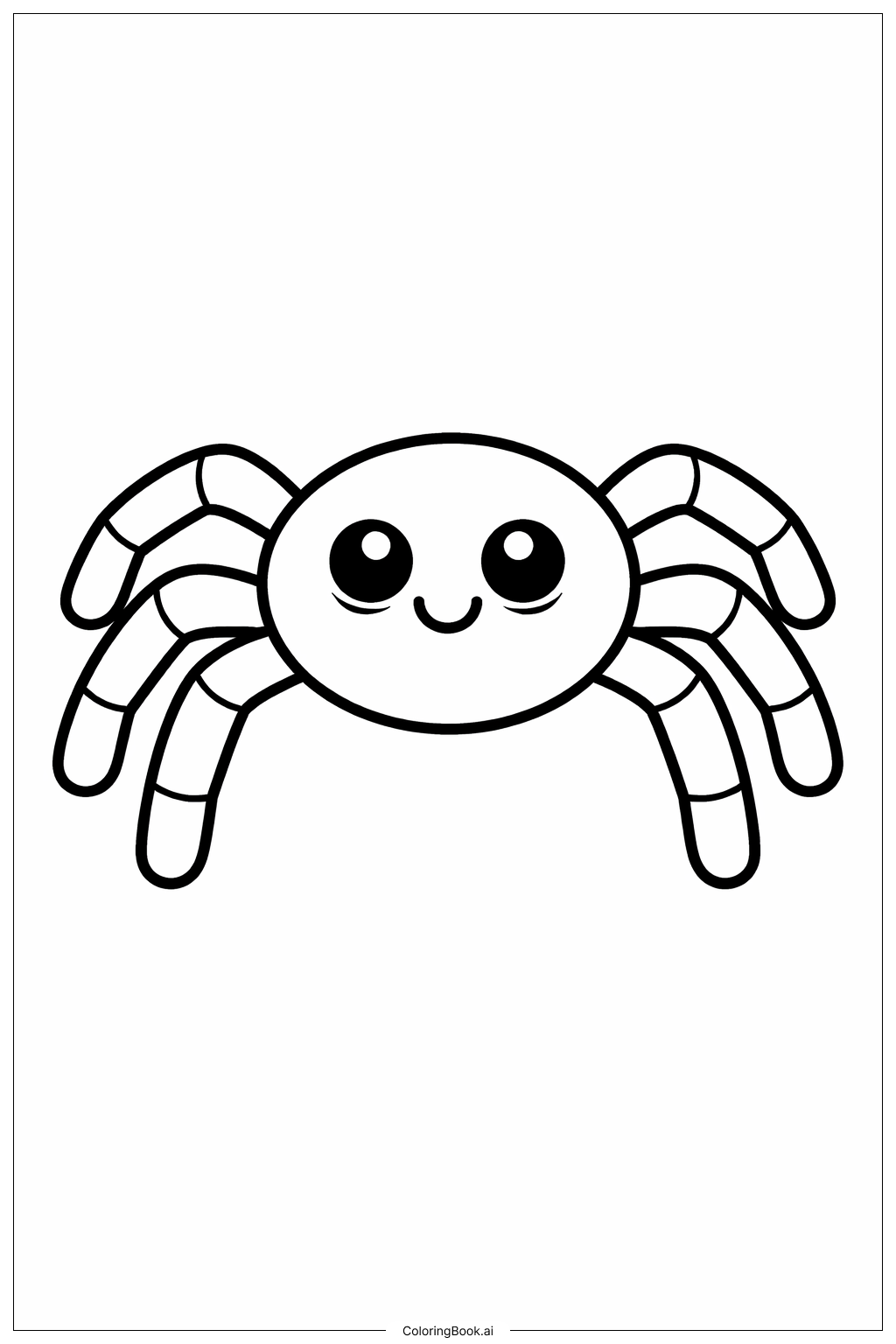
Coloring tips: How to color Horror Spider Buddy coloring page well?
Start with the spider's large round body. Try a deep black or dark purple to give it a classic spooky look. You can also use bold colors like orange or blood red to make it pop. Use gray or silver for the web patterns in the background. This will help them stand out without overpowering the main character. For the eyes, try bright yellow or glowing green to make them look creepy and alive. Add a lighter shade of the same color to the center to create a shiny effect. Color the sharp teeth with off-white or pale yellow for a realistic touch. The legs can be striped in two alternating dark colors, like black and dark brown, for a cool effect. For kids who love bold choices, try neon colors on the body patterns to make the spider feel more fun than frightening. Take your time with the web details. Use a steady hand and a fine-tipped marker or colored pencil for the thin lines.
Coloring challenges: Which parts are difficult to color and need attention for Horror Spider Buddy coloring page?
• Web Pattern Precision: The spider web in the background is made up of many thin, closely spaced lines that cross at sharp angles. Keeping these lines neat and staying within such small sections is tricky. It is easy to smear color into neighboring areas, especially when using markers or paint. Colored pencils with a fine tip work best here.
• Small Body Details: The spider's body is covered with tiny patterns like spots, swirls, and stripes. These small sections require careful, controlled coloring. Rushing through them can make the design look messy. Take it slow and use tools with a narrow tip for better accuracy.
• Sharp Teeth and Facial Features: The grin with its many small teeth has very little space between each tooth. Coloring each tooth individually without bleeding into the dark mouth area takes a steady hand. Using a white gel pen or a very sharp white pencil can help define the edges cleanly.
• Leg Striping: The spider has multiple long, thin legs that many colorists want to stripe with two or more colors. Keeping the stripes even and consistent across all eight legs is a real challenge. Slight hand tremors or misaligned strokes can break the pattern. Practicing on a scrap sheet first helps build confidence.
• Background Depth: Creating depth in the background so it does not compete with the spider takes some planning. Choosing colors that are lighter or more muted than the main character helps the spider stand out and gives the whole image a polished, finished look.
Benefits of coloring books: Advantages of drawing Horror Spider Buddy coloring page
Coloring this Horror Spider Buddy page brings a wide range of benefits for kids and beginners alike. The detailed web patterns and small body sections help build fine motor skills and improve hand-eye coordination. Carefully staying within tight lines trains focus and patience, skills that carry over into school and daily life.
Because the image has a fun, spooky theme, it naturally sparks imagination. Kids can invent their own story about where this spider lives and what kind of adventures it goes on. Choosing color combinations for the body, legs, and background encourages creative decision-making in a low-pressure setting.
The mix of large open areas and tiny detailed sections makes this page great for practicing different coloring techniques. Kids can try blending colors on the round body and then switch to precise line work on the web. This variety keeps the activity engaging and helps develop a broader skill set.
Working through a complex image like this also builds a sense of pride and accomplishment. Finishing each section and seeing the character come to life is deeply satisfying. For anyone who enjoys Horror themes, this page is a playful and safe way to explore that interest through art. Overall, it is a fun, focused, and creatively rewarding experience.