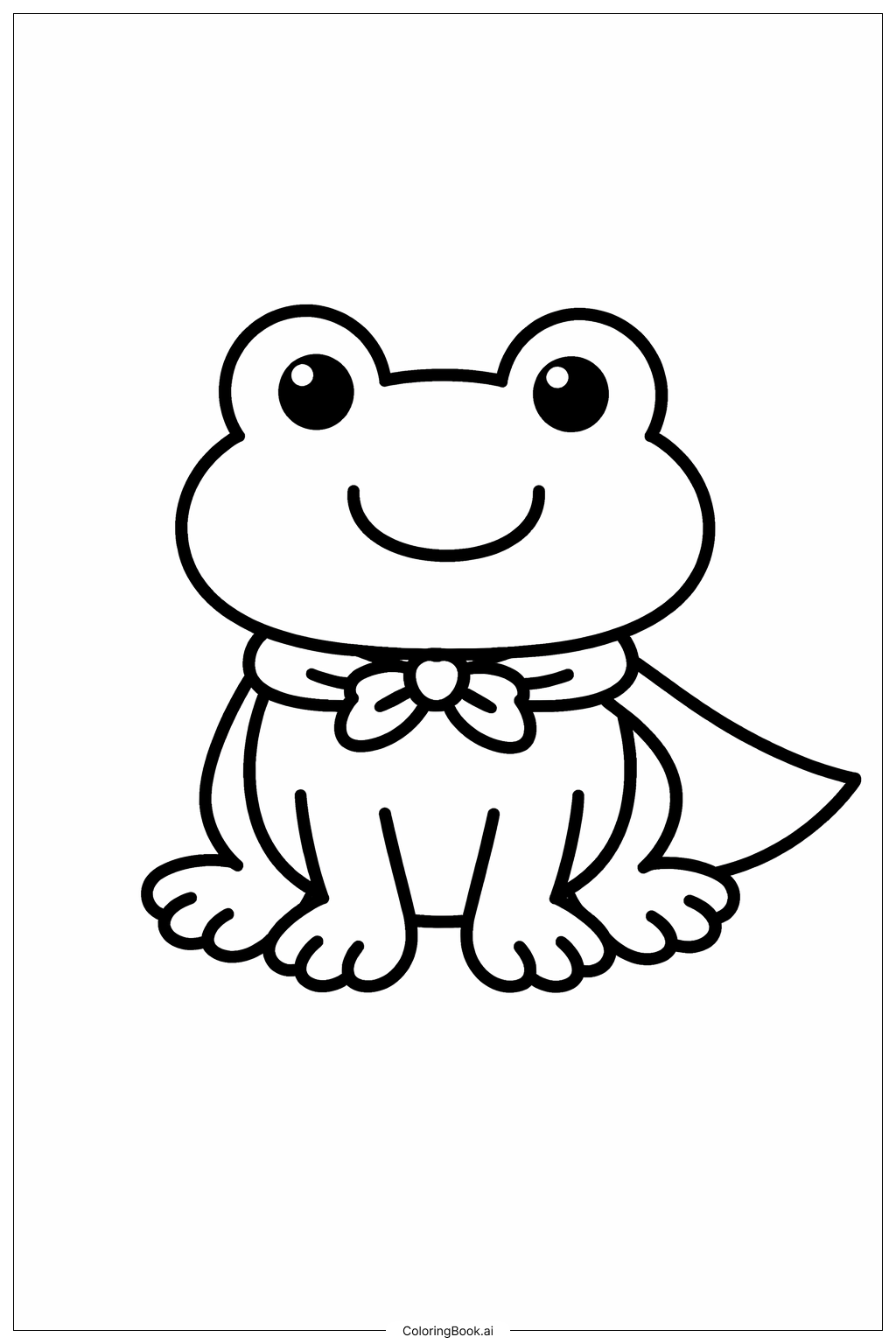
Coloring tips: How to color Horror Frog coloring page well?
Start with the frog's body using a base color of dark green or olive. Add patches of brown, gray, or muddy yellow to give the skin a bumpy, uneven texture. Use deep red or dark orange for the large, bulging eyes to make them look fierce and glowing. Color the sharp claws with bone white or pale gray, then add shadows with darker tones to make them look threatening. For the background, use murky greens, deep browns, and dark purples to create a swampy, spooky atmosphere. Add hints of black in the shadows and corners to build tension. Kids can experiment with unusual colors like teal, violet, or neon green to make the frog look extra creepy and fun. Blending colors gently on the skin can make the texture feel more real.
Coloring challenges: Which parts are difficult to color and need attention for Horror Frog coloring page?
• Warty Skin Texture: The frog's bumpy, uneven skin is one of the trickiest parts to color. Each bump and wart needs slight variations in shading to look three-dimensional. Coloring every raised area with a slightly lighter tone on top and a darker tone at the base will help create depth. This requires patience and careful control of color pressure.
• Sharp Claw Details: The bony claws extending from the frog's feet have fine, pointed edges and small shadow lines. Staying inside these narrow shapes without smearing color onto the surrounding areas can be challenging, especially for younger colorists. Using a thin or sharpened pencil tip works best here.
• Large Expressive Eyes: The oversized, glowing eyes are a focal point of the image and need careful attention. Getting a smooth gradient from a bright center to a darker outer ring gives the eyes a glowing or eerie effect. Blending two or three colors without muddying the result takes practice.
• Background Atmosphere: The swampy plants, twisted roots, and shadowy areas in the background contain many overlapping shapes. Deciding which elements to color dark and which to leave slightly lighter is important for making the frog stand out. Keeping the background cooler and darker than the frog ensures good contrast.
• Overall Contrast and Mood: Balancing the entire image so it feels spooky but not overwhelming is a creative challenge. Too many bright colors can remove the horror feel, while too much black can make the image look flat. Finding the right mix of dark and midtone colors across the whole page is key.
Benefits of coloring books: Advantages of drawing Horror Frog coloring page
Coloring the Horror Frog page offers a range of fun and meaningful benefits for kids and young artists. First, it builds fine motor skills. Carefully coloring around the frog's sharp claws and bumpy skin helps children strengthen hand control and pencil grip. Second, it encourages creativity. There is no single right way to color this image. Kids are free to choose wild, imaginative color combinations that make the frog uniquely their own. Third, it sparks curiosity about nature. The horror frog is a real animal, and coloring its distinctive features can inspire children to learn more about unusual creatures in the wild. Fourth, it supports focus and concentration. The detailed textures and complex background give older children a satisfying challenge that requires sustained attention. Fifth, it helps with emotional expression. Horror-themed art gives kids a safe and creative outlet to explore exciting, spooky feelings in a playful way. Overall, this coloring page combines artistic skill-building with imaginative storytelling and a touch of science learning.