Coloring tips: How to color Hedgehog Museum Explorer coloring page well?
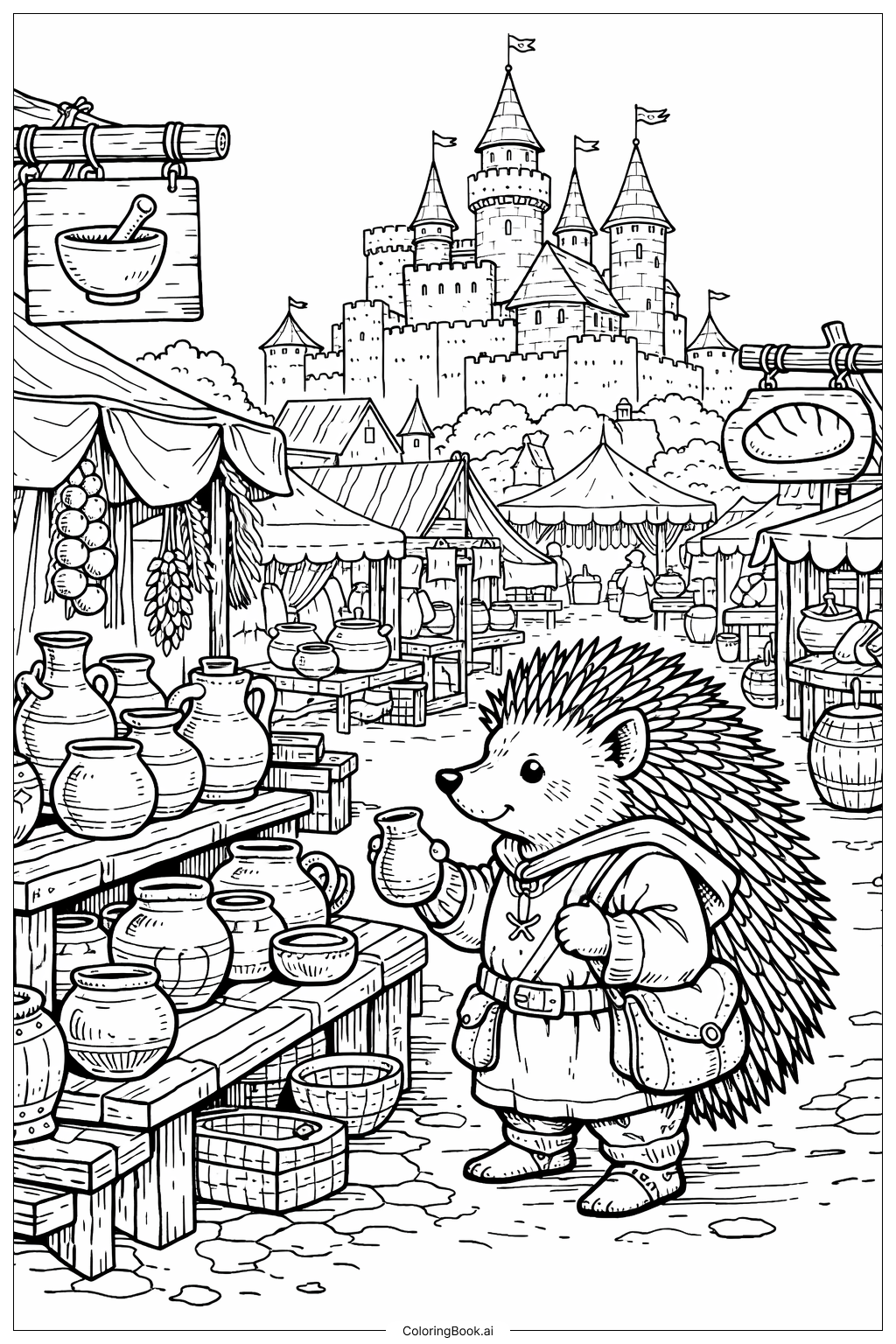
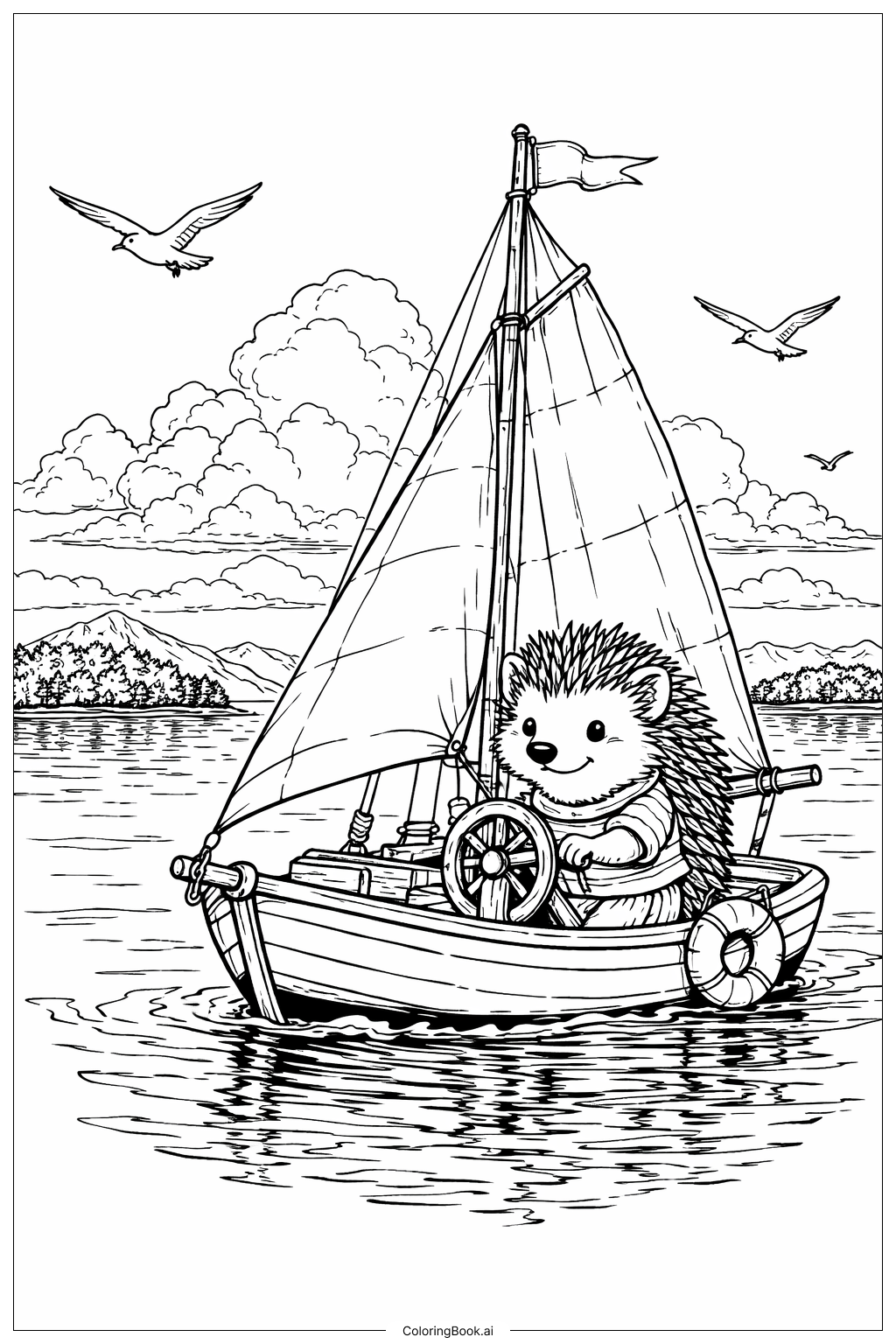
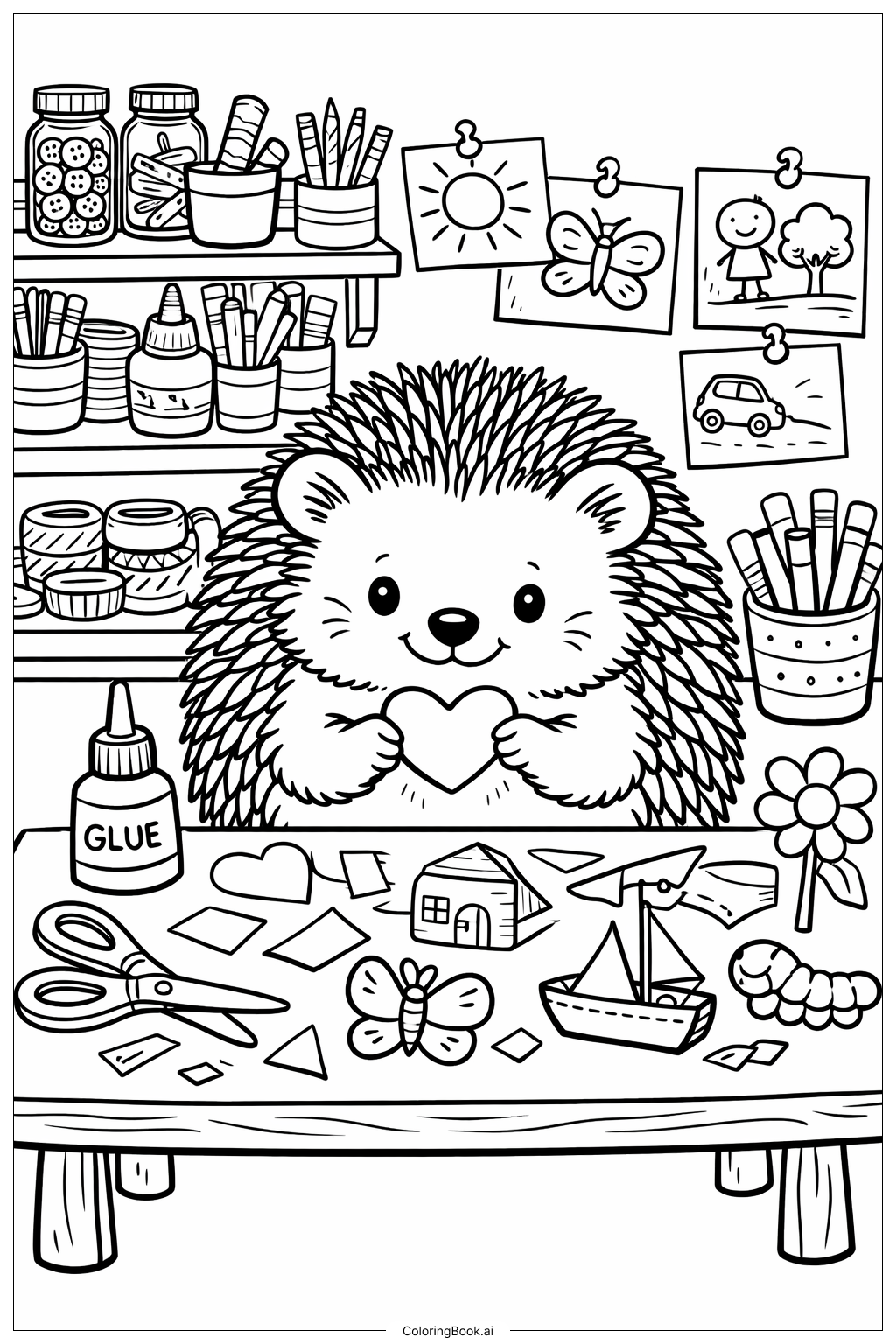
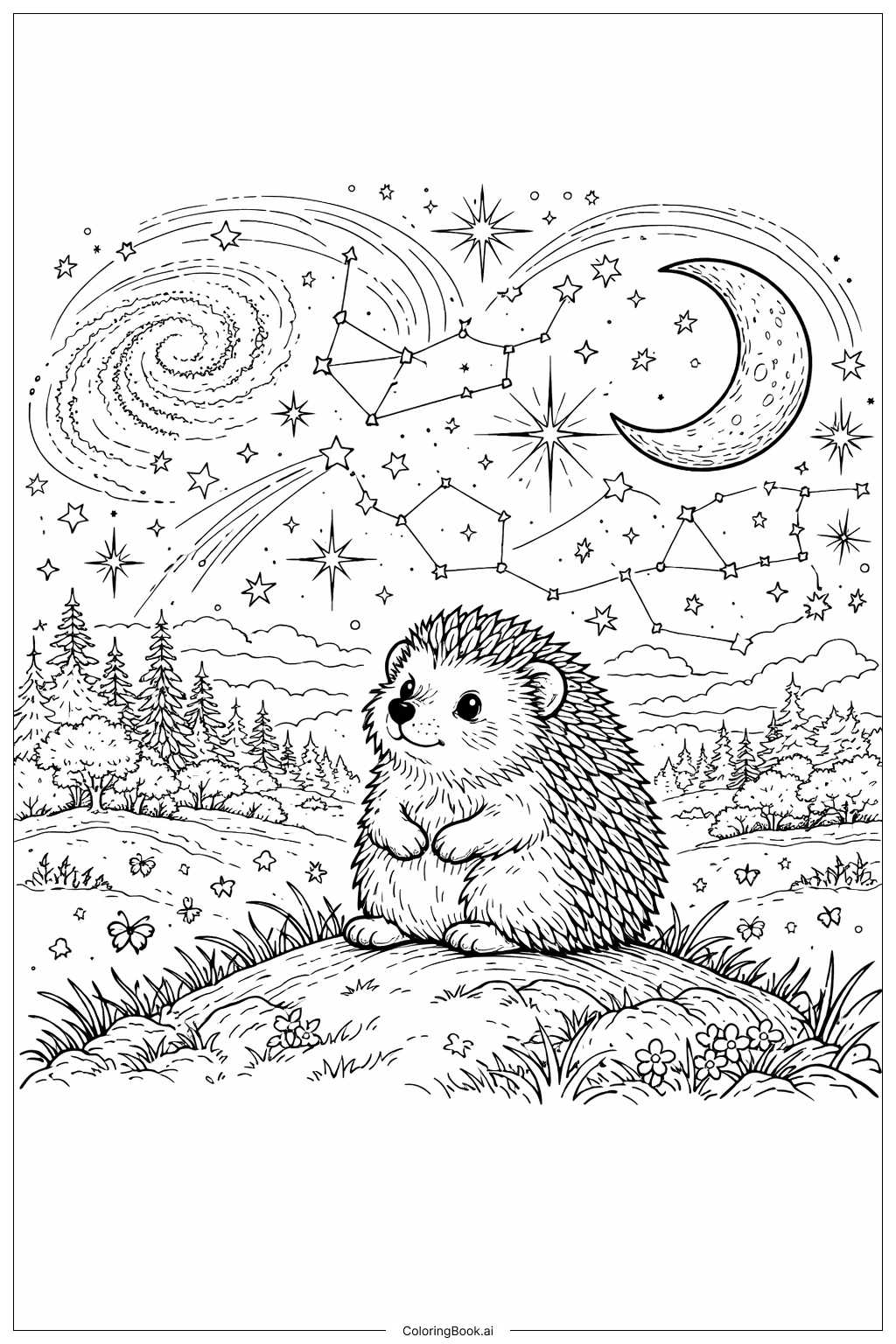
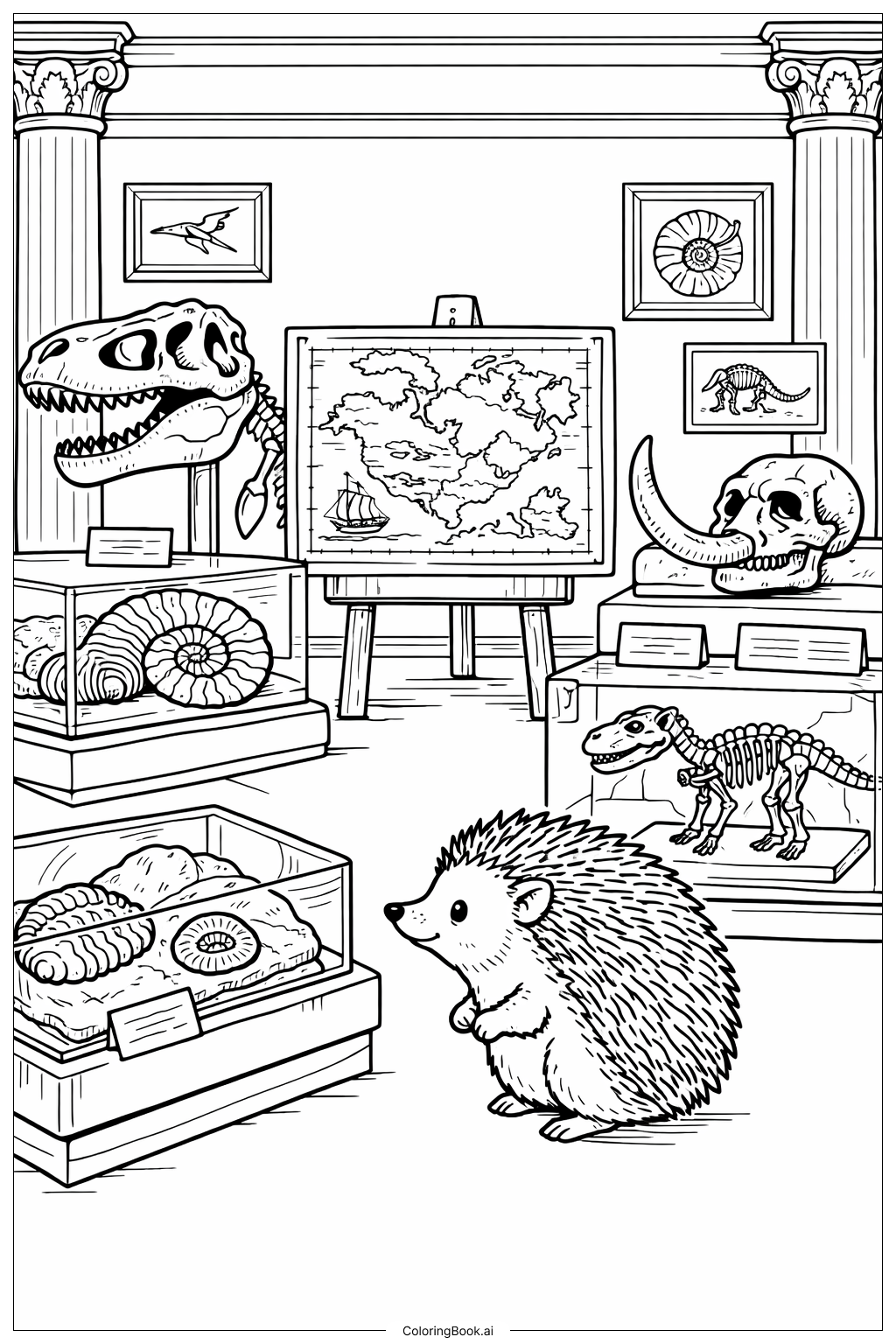
For this coloring page, use warm browns and soft grays for the hedgehog's body to create a natural look. You can color the explorer's hat in earthy tones, such as green or tan, and add bright colors like red or blue for the backpack to make it stand out. The museum shelves can be colored in dark wood shades like deep brown, while the artifacts can vary — fossils can be gray or beige, paintings can have splashes of bright colors, and vases can shine with blue or green hues. Use lighter colors for the background walls and soft yellows or whites for the spotlights to give a warm, welcoming museum atmosphere.
Coloring challenges: Which parts are difficult to color and need attention for Hedgehog Museum Explorer coloring page?
• Small Details: The hedgehog’s spines and facial features require careful coloring to keep them neat and clear without merging colors. Using fine-tipped crayons or colored pencils can help manage these tiny areas. • Textured Surfaces: The museum artifacts and fossils have different textures which can be tricky to show with just colors. It takes attention to blend and layer colors smoothly to suggest rough or smooth surfaces effectively. • Layered Objects: Overlapping elements like the shelves behind the hedgehog and the magnifying glass in front mean color boundaries must be precise to avoid mixing different parts. • Lighting Effects: The spotlights and shadows in the background need careful color shading to illustrate which parts are brighter and which are darker, enhancing depth in the image. • Color Balance: With many objects and details, choosing harmonious colors that don’t clash or overwhelm the scene requires a good sense of balance and planning before coloring.
Benefits of coloring books: Advantages of drawing Hedgehog Museum Explorer coloring page
Coloring this Hedgehog Museum Explorer image encourages children to focus on details and practice careful hand control, which helps develop fine motor skills. It also inspires creativity by letting them choose colors for a variety of objects, artifacts, and the hedgehog itself. The museum setting introduces them to themes of history and discovery, sparking curiosity about learning. Working within the lines and layering colors to create textures supports concentration and patience. Overall, coloring this page provides a relaxing activity that combines fun with educational value, making it a wonderful way for kids to explore art and knowledge at the same time.