Coloring tips: How to color Hedgehog In Garden coloring page well?
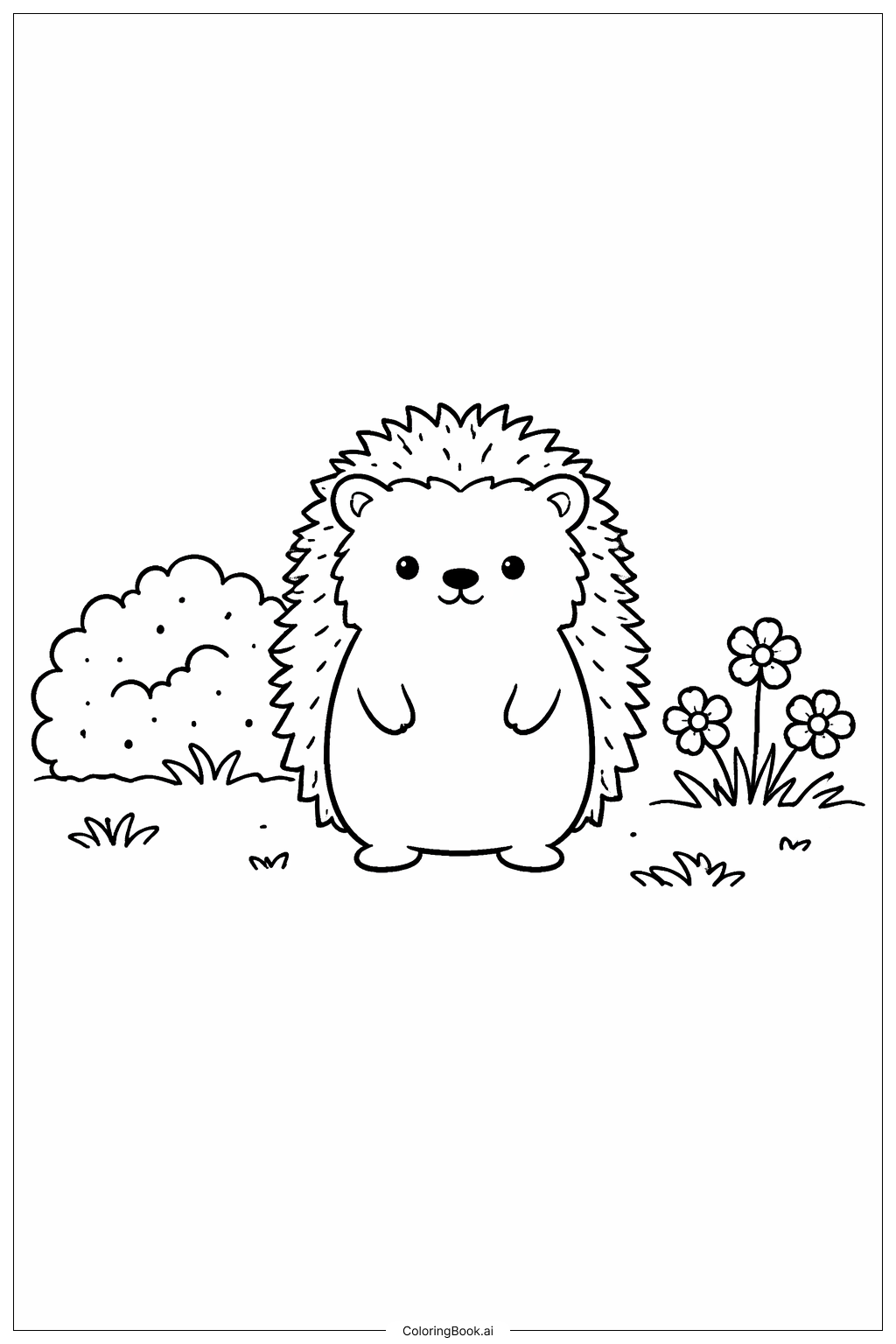
Start with the hedgehog's spines. Use a mix of dark brown and tan to give them a natural, layered look. The belly and face can be a soft cream or light beige color to show the softer fur. Use a warm pink for the nose and inner ears. For the garden background, go with bright greens for the leaves and grass. Choose cheerful colors for the flowers — yellows, pinks, purples, and reds all work great. A light brown or grey can be used for any stones or soil. Try blending two shades of the same color to add depth. For example, use light green and dark green together on leaves. Keep the hedgehog's eyes dark brown or black with a tiny white dot to make them look shiny and alive. Take your time with the spines — working from the outer edge inward makes it easier. Have fun mixing colors to make the garden feel full of life!
Coloring challenges: Which parts are difficult to color and need attention for Hedgehog In Garden coloring page?
• Hedgehog Spines Texture: The rows of spines on the hedgehog's back are one of the trickiest parts to color. Each spine is small and narrow, so staying inside the lines takes patience and a sharp pencil or fine-tipped marker. Trying to add shading or multiple tones to individual spines can be time-consuming but makes the result look much more realistic.
• Distinguishing Fur from Spines: The hedgehog has two different surface textures — the soft, smooth belly and face area, and the rough, layered spines on the back. Using different coloring techniques for each section, such as smooth strokes for the fur and short directional lines for the spines, helps show this contrast clearly but requires careful control.
• Garden Plant Details: The surrounding flowers, leaves, and grass blades often overlap and intertwine. Keeping each element a distinct color without them blending together visually can be challenging, especially in areas where multiple plants are close together. Planning your color choices ahead of time helps avoid confusion.
• Small Facial Features: The hedgehog's face has tiny details — small eyes, a little nose, and delicate ears. These areas are very small, making it difficult to add color neatly without going outside the lines. Using a very fine tool and working slowly is the best approach for this section.
• Background Depth and Balance: Making the background garden feel full and lively without overpowering the hedgehog in the foreground takes some thought. Choosing lighter or softer shades for background elements and richer tones for the hedgehog helps create a natural sense of depth in the finished piece.
Benefits of coloring books: Advantages of drawing Hedgehog In Garden coloring page
Coloring this hedgehog garden scene offers a wonderful range of benefits for children and young artists. First, working on the fine details of the hedgehog's spines and tiny facial features helps develop hand-eye coordination and fine motor skills. Carefully staying within small outline areas trains the muscles in the hand and fingers, which supports writing and drawing skills too. Second, choosing colors for the flowers, leaves, and the hedgehog itself encourages creative thinking and artistic expression. Kids get to make their own choices and see how different color combinations create different moods and effects. Third, the peaceful garden setting makes this a calming activity. Focusing on coloring helps children slow down, breathe, and relax, making it a great way to unwind after a busy day. Fourth, completing the full image gives a strong sense of accomplishment and boosts confidence. Seeing a finished, colorful piece of artwork is genuinely rewarding. Finally, learning about hedgehogs and garden environments through the image can spark curiosity about nature and wildlife, encouraging kids to explore and appreciate the natural world around them.