Coloring tips: How to color Happy Birthday Dr Seuss Balloon Dog coloring page well?
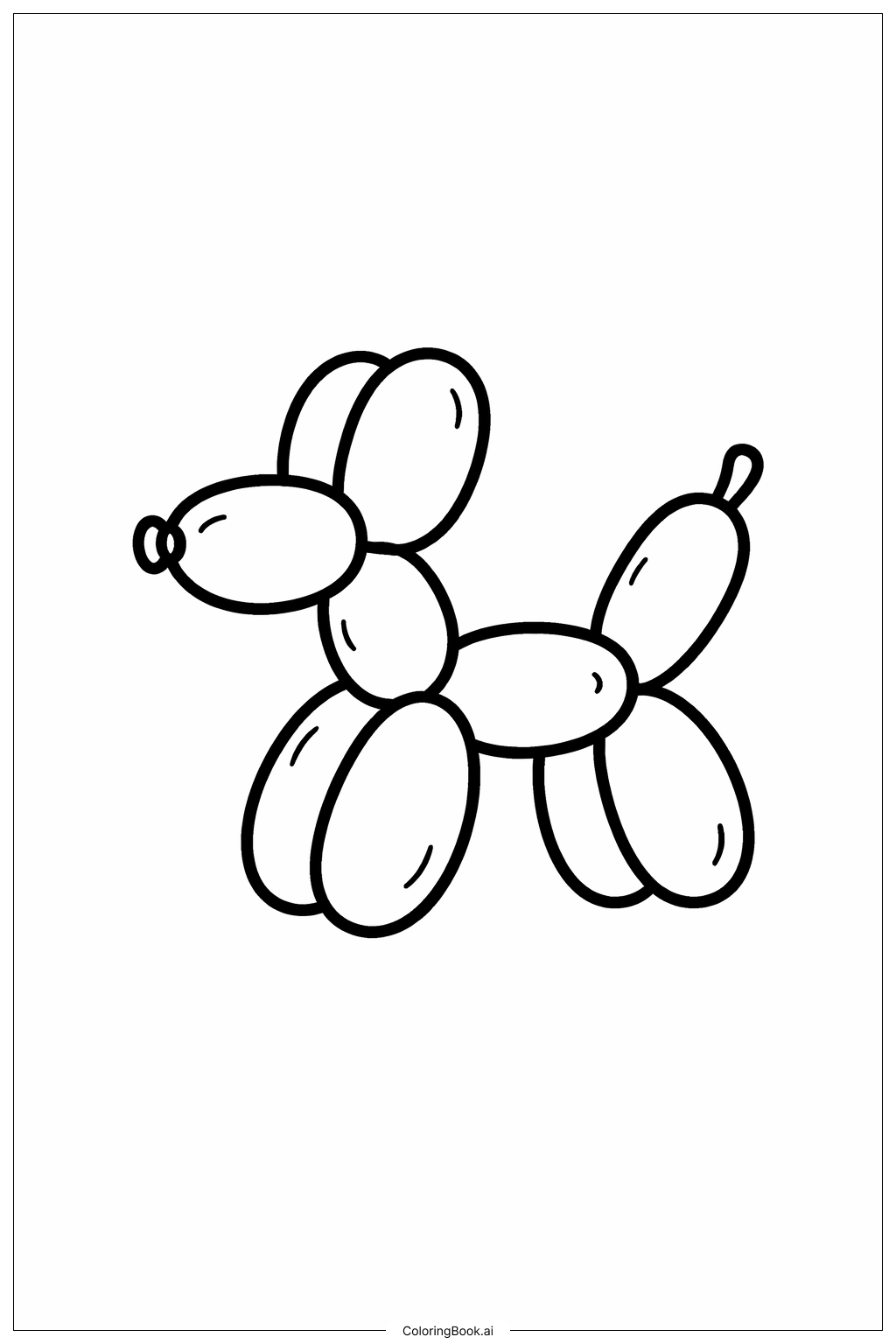
Use bright and vibrant colors to bring the balloon dog to life. You can choose shiny colors like red, blue, yellow, or green to make the dog look festive and cheerful. Try coloring each balloon section with a different color to add variety and make it more exciting. You can use colored pencils, markers, or crayons for smooth coloring. Add some light shading with a slightly darker color around the edges of each balloon segment to create a 3D effect. Leave small white spots on the balloons to show the shine and make them look more realistic. Have fun mixing colors and making your balloon dog unique!
Coloring challenges: Which parts are difficult to color and need attention for Happy Birthday Dr Seuss Balloon Dog coloring page?
1. Keeping inside the lines: The balloon dog has many curves and small sections, which can be tricky to color neatly without crossing the lines.
2. Creating a shiny effect: To make the balloons look real, children need to add highlights and shading, which can be challenging for beginners.
3. Choosing colors: Picking colors that look good together and bring out the joyful feeling of the balloon dog might be confusing at first.
4. Coloring small parts: The nose and ears are smaller sections that require careful attention to avoid coloring outside the edges.
5. Applying even color: Since the balloons are rounded, filling the areas with even color to avoid patchy or streaky spots can be a bit difficult.
Benefits of coloring books: Advantages of drawing Happy Birthday Dr Seuss Balloon Dog coloring page
Coloring this balloon dog helps develop fine motor skills because children need to control their hand movements carefully to stay within the edges. It encourages creativity by letting kids choose bright colors and create their own style. This activity also improves focus and patience, as completing the picture requires attention to detail. Coloring the balloon dog brings joy and a sense of accomplishment, boosting confidence. Lastly, it introduces children to the idea of making objects look three-dimensional by using shading and highlights, which enhances their artistic skills.