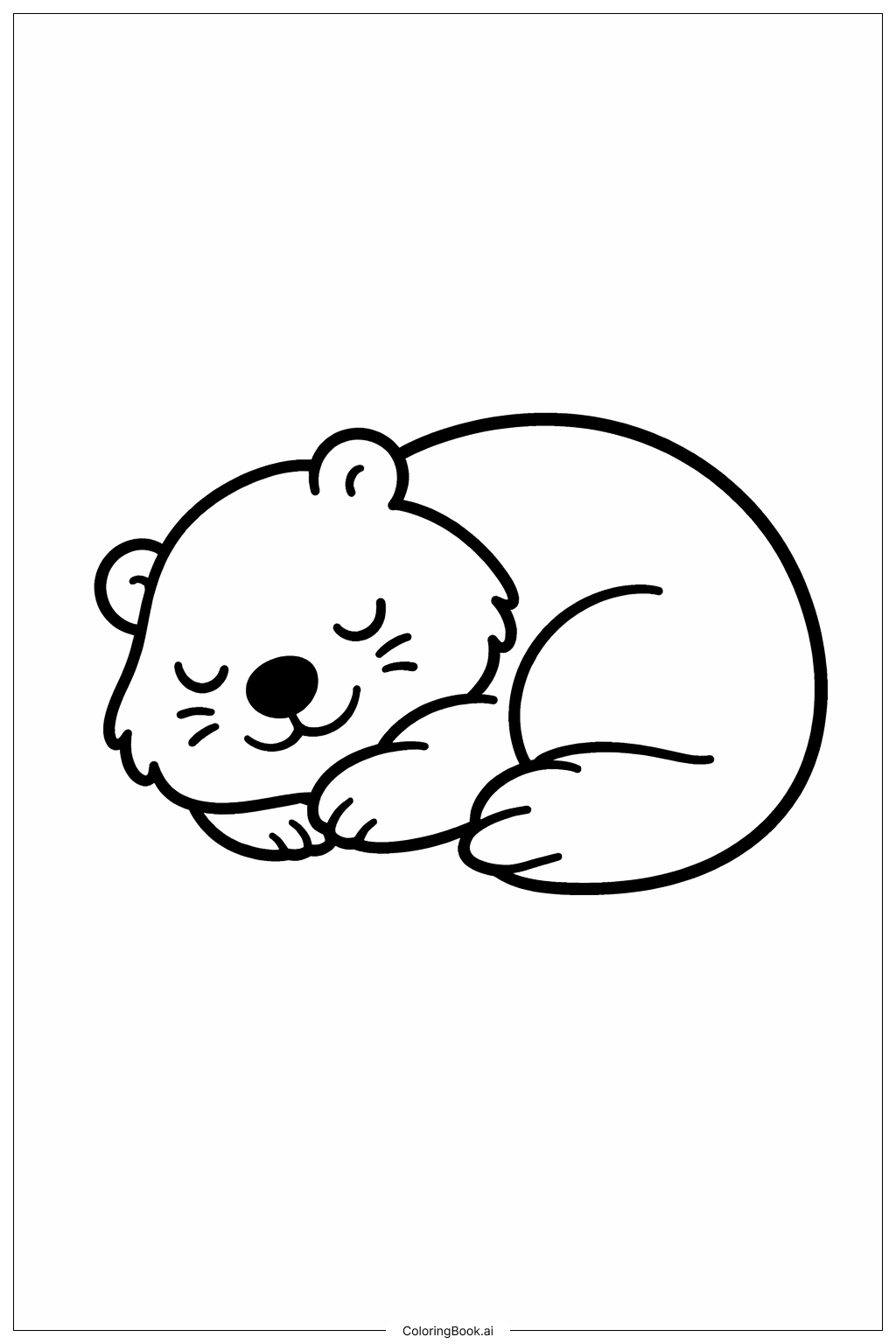
Coloring tips: How to color Sleeping Groundhog coloring page well?
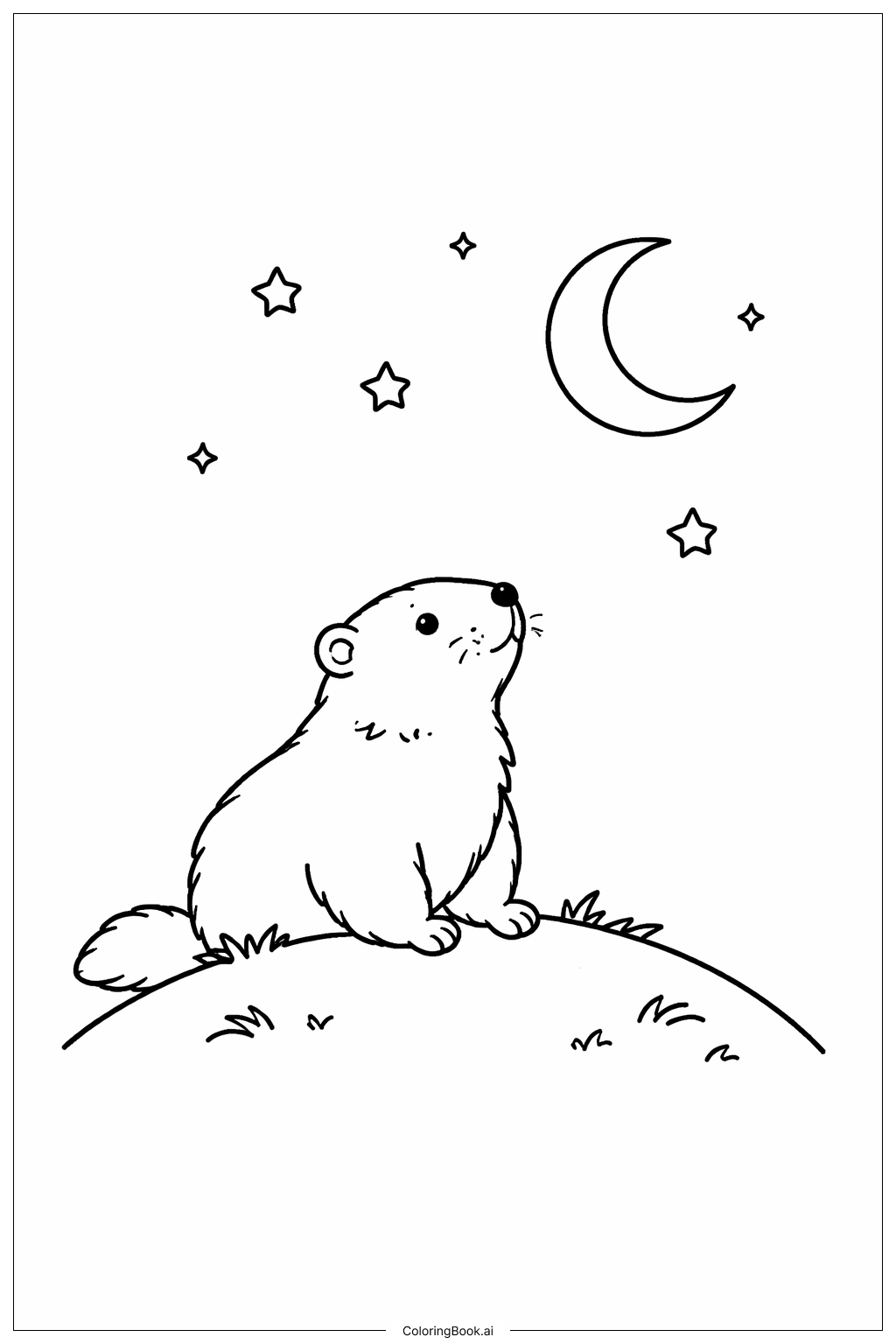
You can use soft browns, tans, and creams to color the groundhog's fur. Try blending light and dark shades to add depth and texture. Pink or light brown can be used for the nose and ears. You might want to color the background with calm colors like light blues or greens to make the groundhog look even more peaceful. Remember to stay inside the lines and use gentle strokes to keep the picture neat and pretty.
Coloring challenges: Which parts are difficult to color and need attention for Sleeping Groundhog coloring page?
1. Staying inside the small parts like the nose and ears can be tricky for young children because these areas are small and need careful coloring.
2. Blending different shades to create the soft fur effect may be hard for beginners, as it requires some practice with color mixing.
3. Keeping the coloring neat around the curved lines of the groundhog’s body can be challenging, especially where the paws and tail curl.
4. Choosing the right colors to make the groundhog look realistic yet appealing might take some experimentation.
5. Coloring the white space around the groundhog without spilling over can be difficult for children who are still learning control over coloring tools.
Benefits of coloring books: Advantages of drawing Sleeping Groundhog coloring page
Coloring this sleeping groundhog helps kids practice fine motor skills. It encourages them to focus on staying within lines, which improves hand-eye coordination. Choosing and blending colors builds creativity and an understanding of shades. The simple design is calming, making coloring a relaxing activity. It also teaches children patience as they work carefully on small details, fostering concentration and attention to detail.