Coloring tips: How to color Groundhog With Spring Flowers coloring page well?
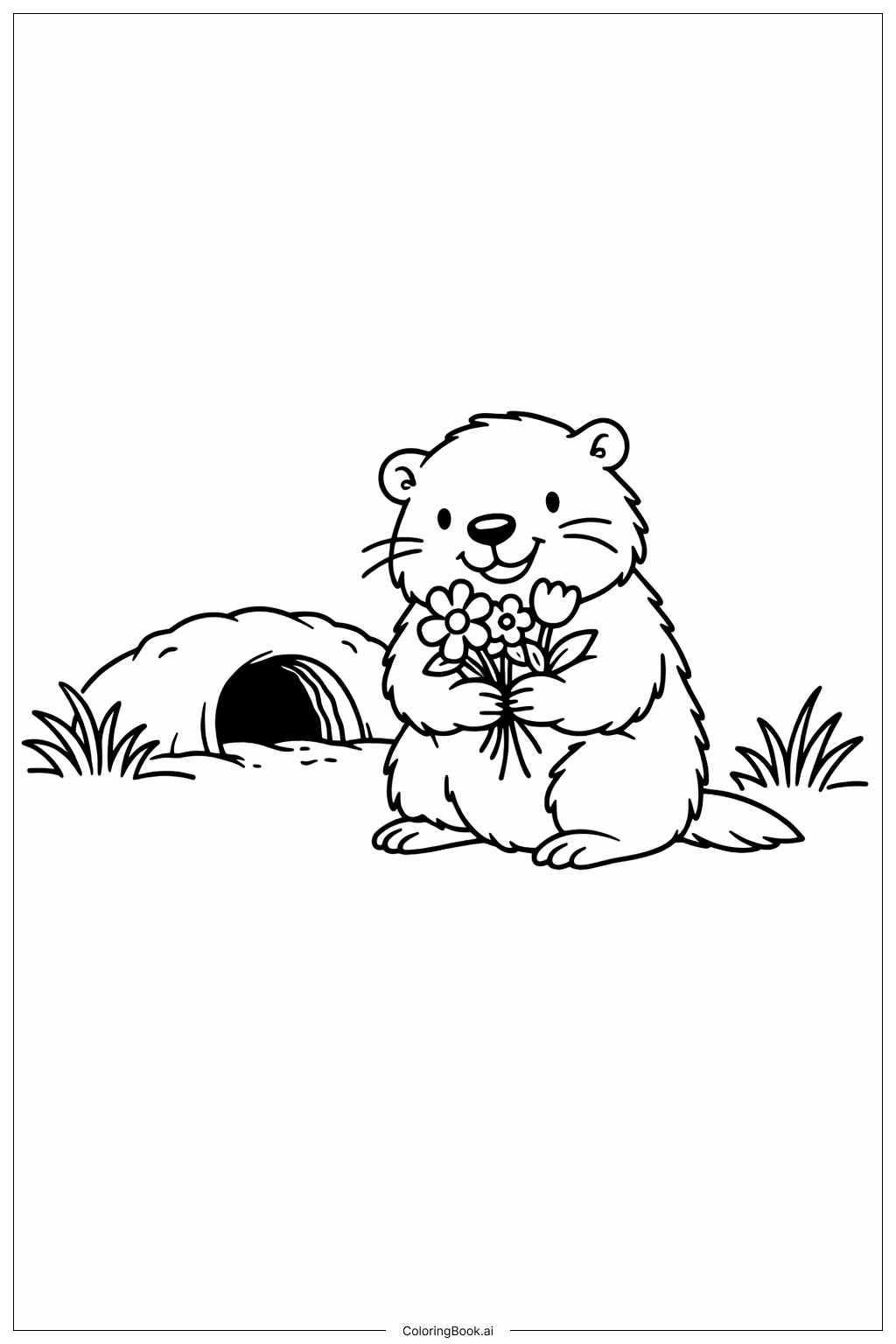
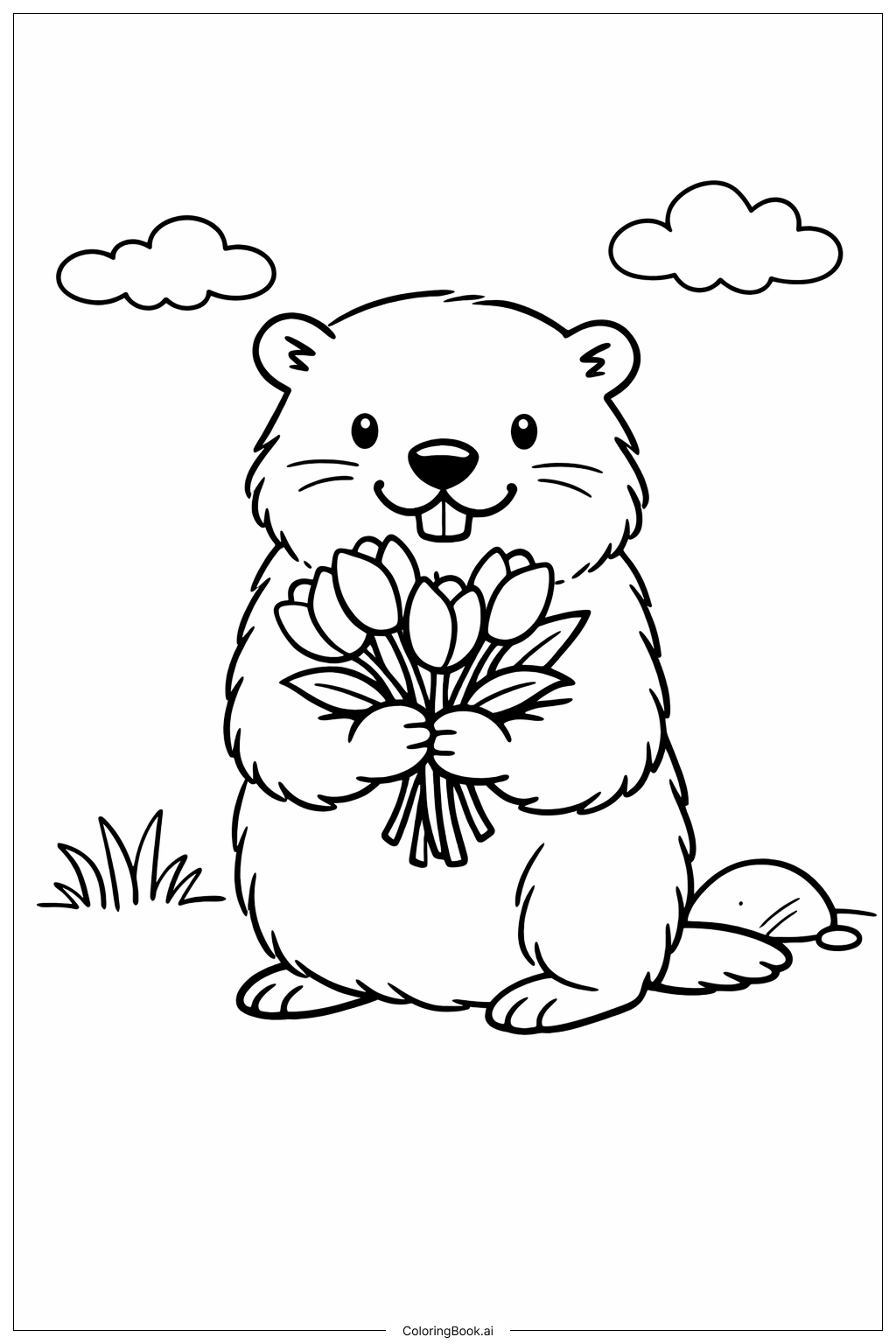
For this image, use warm browns and soft tans to color the Groundhog’s fur, giving it a natural look. Bright greens for the flower stems and leaves will add freshness. For the spring flowers, choose a variety of light and cheerful colors like yellows, pinks, purples, and blues to make the scene lively and vibrant. You can also add a soft blue or pale green background to represent the sky or grass. Use gentle shading to bring out the roundness of the Groundhog and the layered petals of the flowers. This will give the picture depth and make it more interesting to look at.
Coloring challenges: Which parts are difficult to color and need attention for Groundhog With Spring Flowers coloring page?
• Fur Texture: Coloring the Groundhog’s fur can be tricky because it involves small details that require careful strokes to show softness and volume. Staying within the lines while shading different areas evenly might be challenging for younger children. • Flower Details: The many petals and leaves require patience and precision. Choosing distinct colors for each flower so they stand out without blending together can be difficult when working on small spaces. • Layered Elements: The Groundhog is surrounded by flowers overlapping its feet and body. Coloring these layers properly without mixing colors or going outside outlines takes focus and control. • Color Balance: Deciding which colors to use to keep the image bright but harmonious demands some planning that might require adult guidance. • Small Features: The eyes, nose, and facial details need careful coloring to keep the Groundhog’s friendly expression clear.
Benefits of coloring books: Advantages of drawing Groundhog With Spring Flowers coloring page
Coloring this image helps children develop fine motor skills, such as hand-eye coordination and precise finger movements, especially through the detailed flowers and fur. It also encourages creativity as they select colors for the flowers and Groundhog, learning how different shades work together. The image inspires an appreciation for nature and seasons, teaching kids about spring’s beauty. Additionally, focusing on this picture can improve concentration and patience, as they take their time to stay inside lines and finish with care. This activity promotes a sense of accomplishment, boosting confidence when they see the colorful, cheerful results.