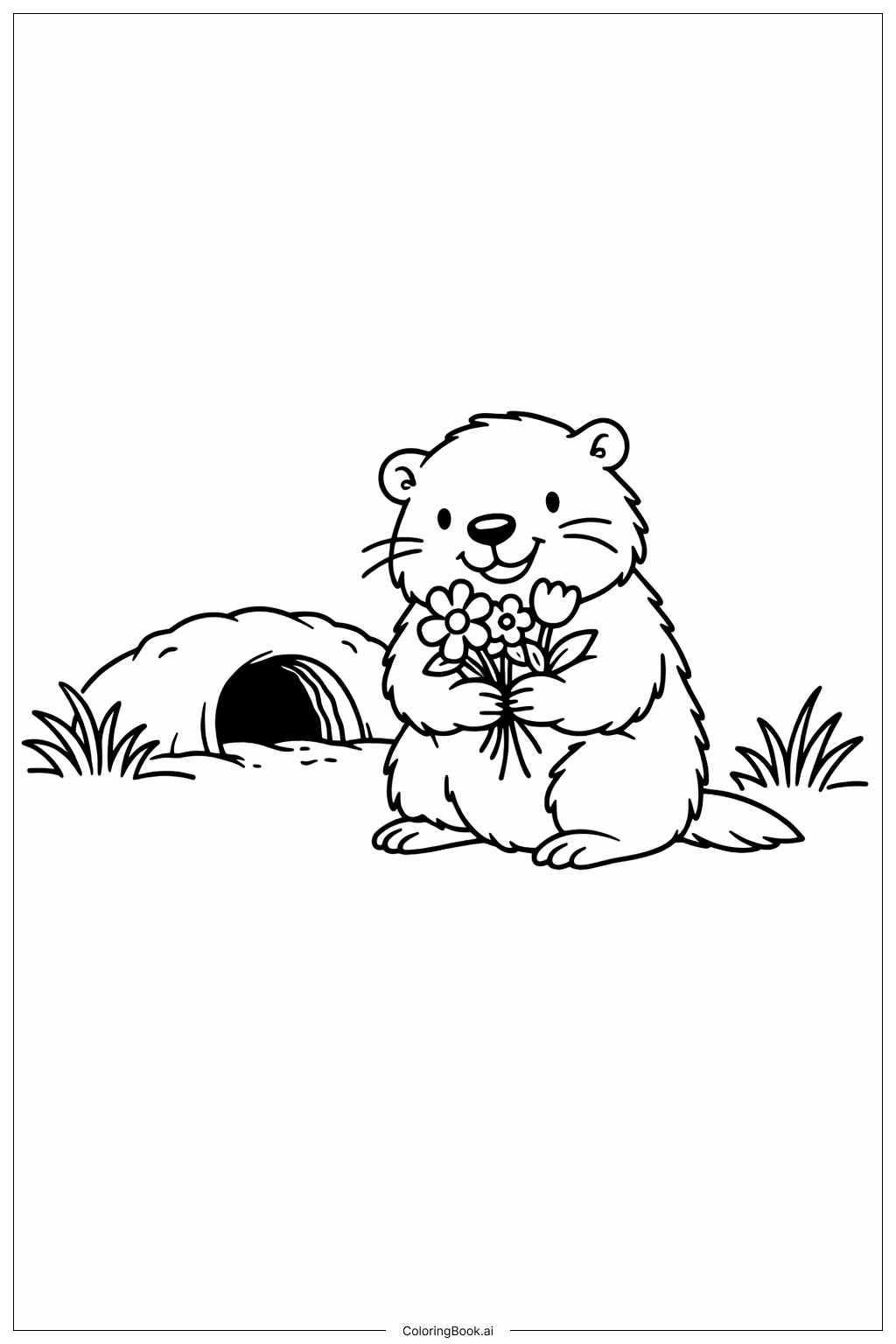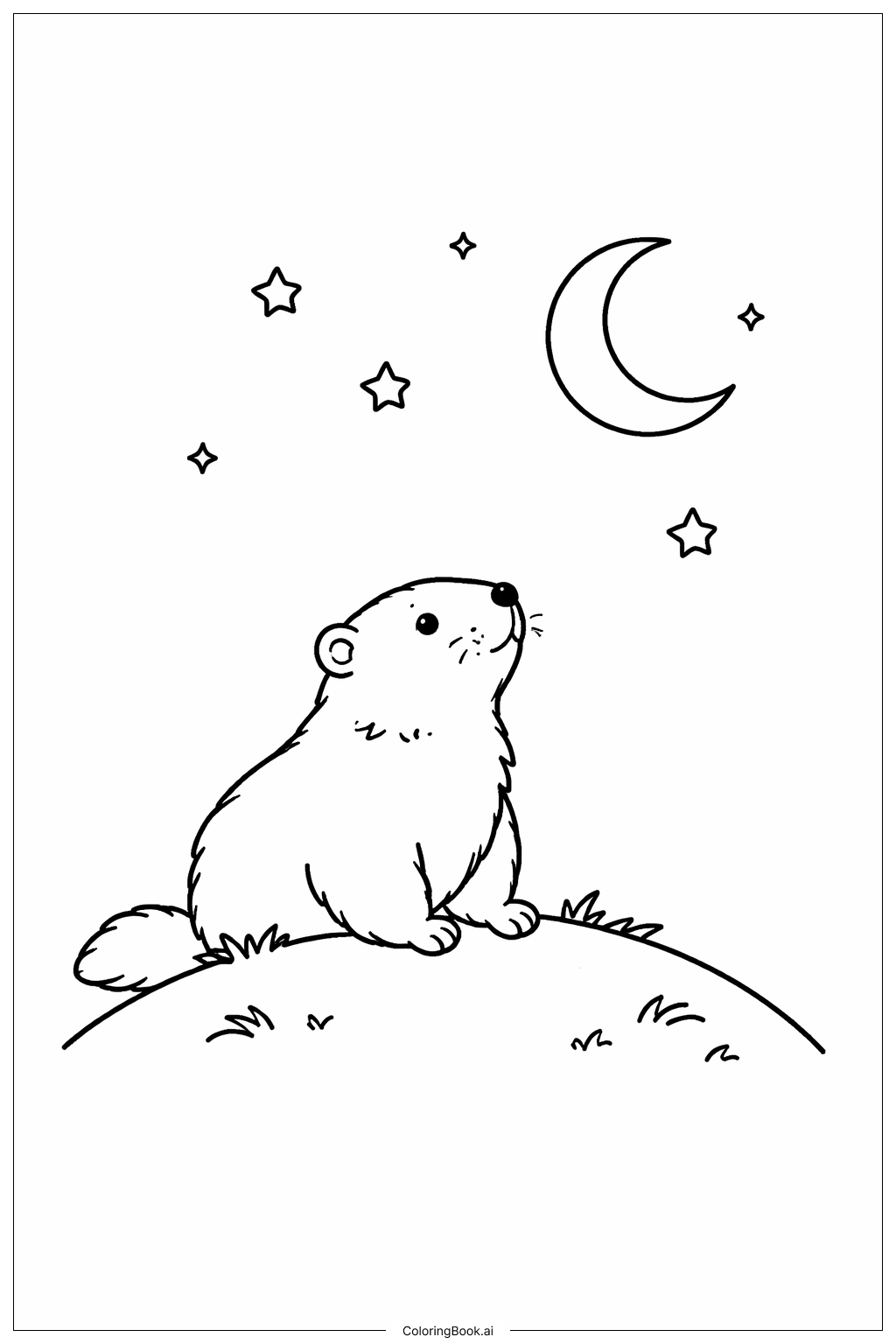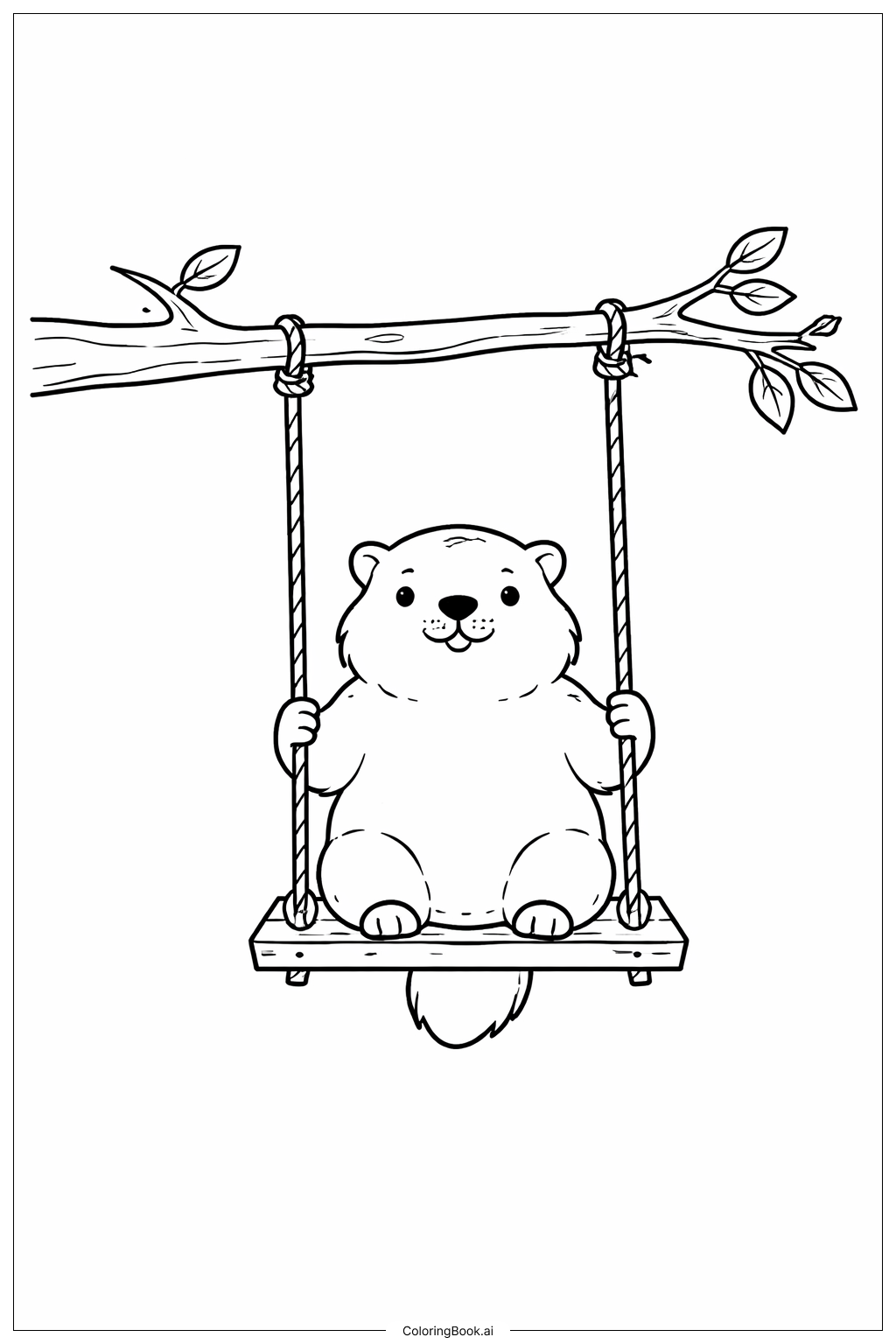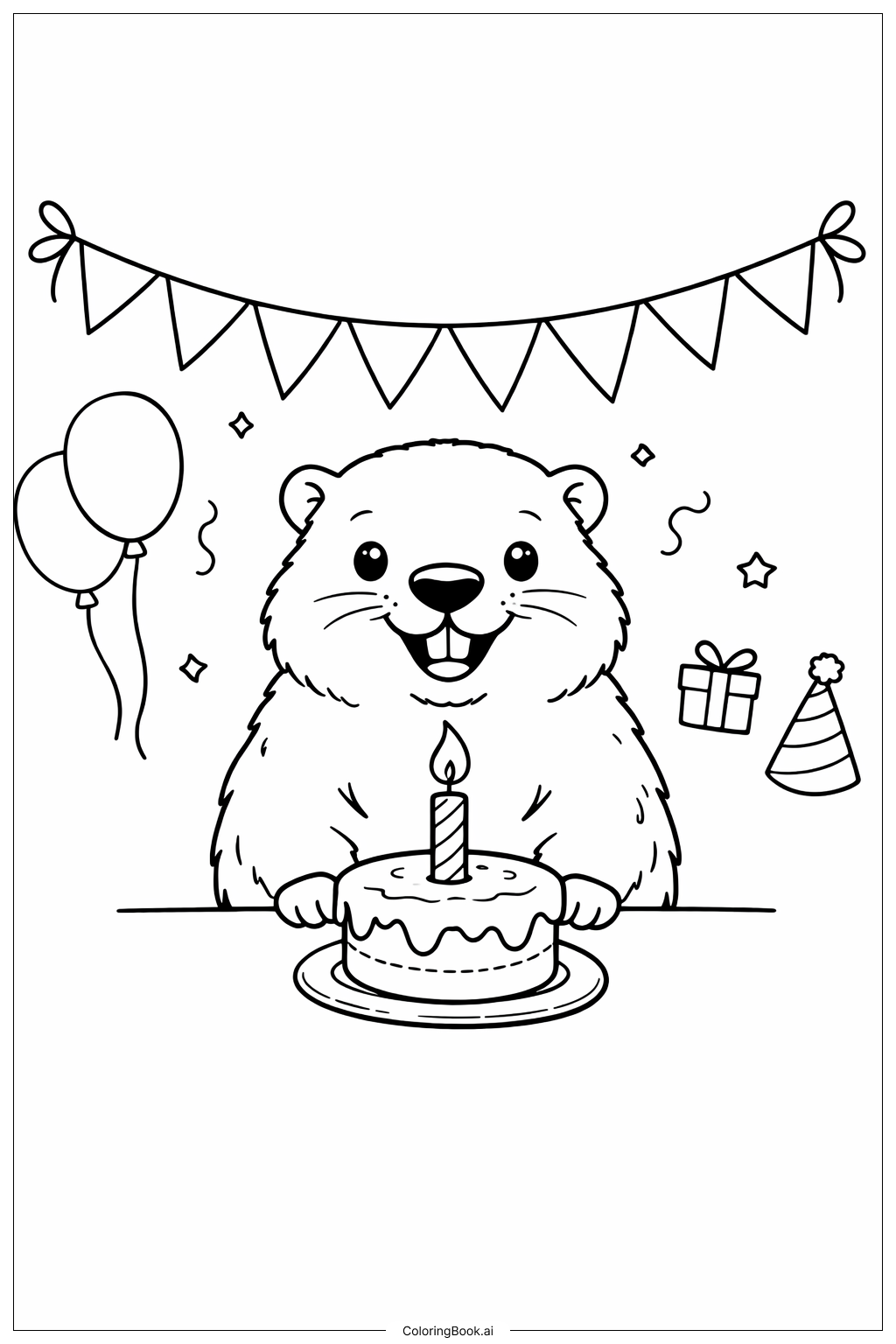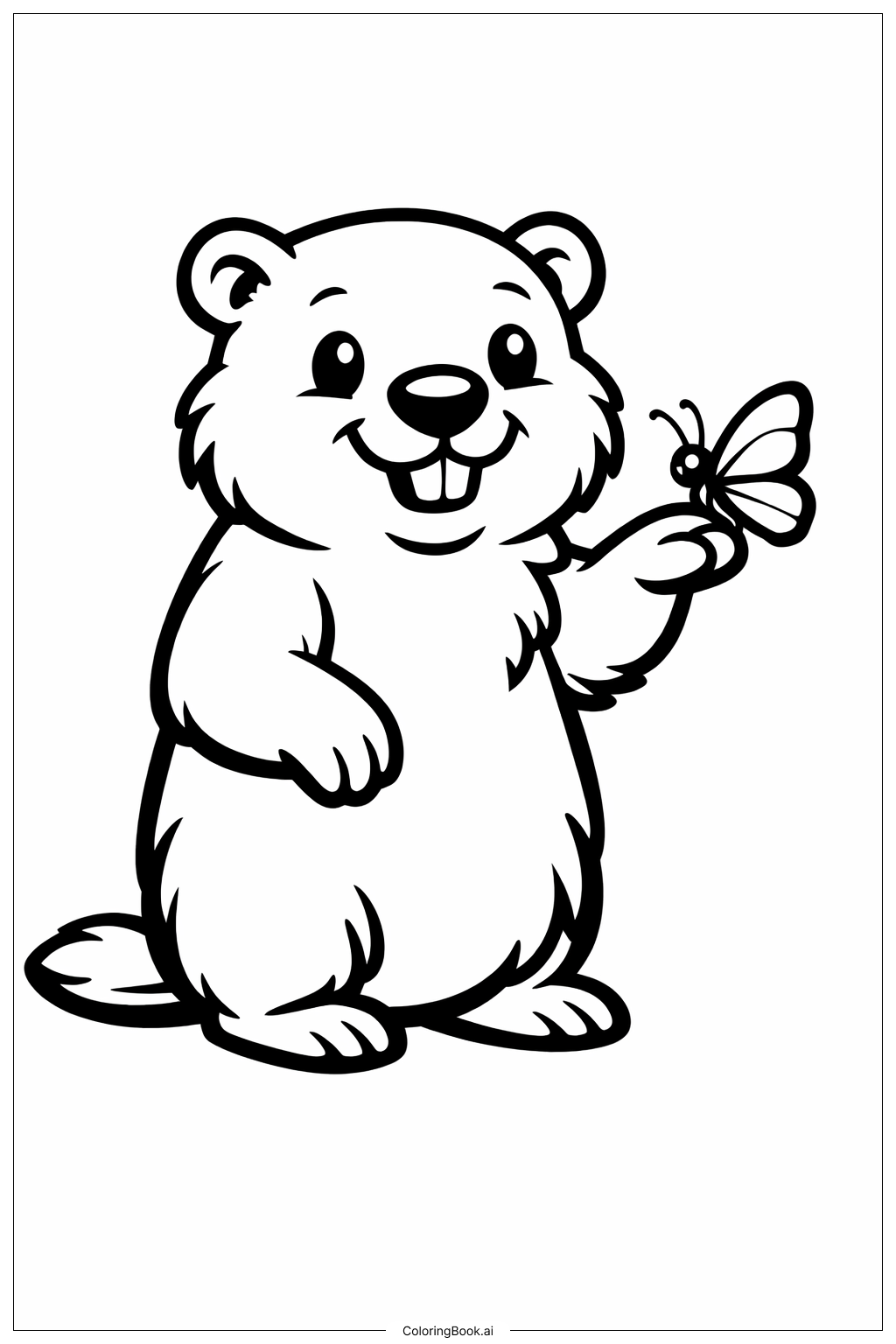
Coloring tips: How to color Groundhog With Butterfly coloring page well?
Use light brown or gray shades for the groundhog’s fur to give a natural look. You can add darker tones around the edges to show shadows and make the image more 3D. Color the butterfly with bright colors like yellow, orange, or blue. Adding different colors to the butterfly’s wings can make it look beautiful and lively. For the eyes, use black or dark brown with a small white spot to show reflection. You may want to color the groundhog’s nose a soft black or dark gray. The background can be left white or colored with soft pastel colors to keep attention on the groundhog and butterfly.
Coloring challenges: Which parts are difficult to color and need attention for Groundhog With Butterfly coloring page?
1. Small details on the butterfly wings can be hard to color because of their tiny sections and thin outlines.
2. Shading fur to look fluffy might be difficult for younger children as it needs blending multiple shades.
3. Keeping colors inside small areas like eyes and nose requires careful coloring and control.
4. The groundhog’s paws and fingers are small and close together, making it tricky to color each part neatly.
5. Balancing bright colors of the butterfly with natural tones of the groundhog might be challenging to make the whole picture look harmonious.
Benefits of coloring books: Advantages of drawing Groundhog With Butterfly coloring page
Coloring this picture helps children develop fine motor skills by practicing control in small areas like the butterfly and the groundhog’s face. It encourages creativity through choosing different colors for the butterfly and fur. Coloring fur with shading teaches children about light and shadow, enhancing their observation skills. This activity also promotes patience and focus, as some areas require careful coloring. Finally, it provides a fun way to connect with nature by engaging with an animal and an insect, encouraging appreciation for wildlife.