Coloring tips: How to color Groundhog Smiling coloring page well?
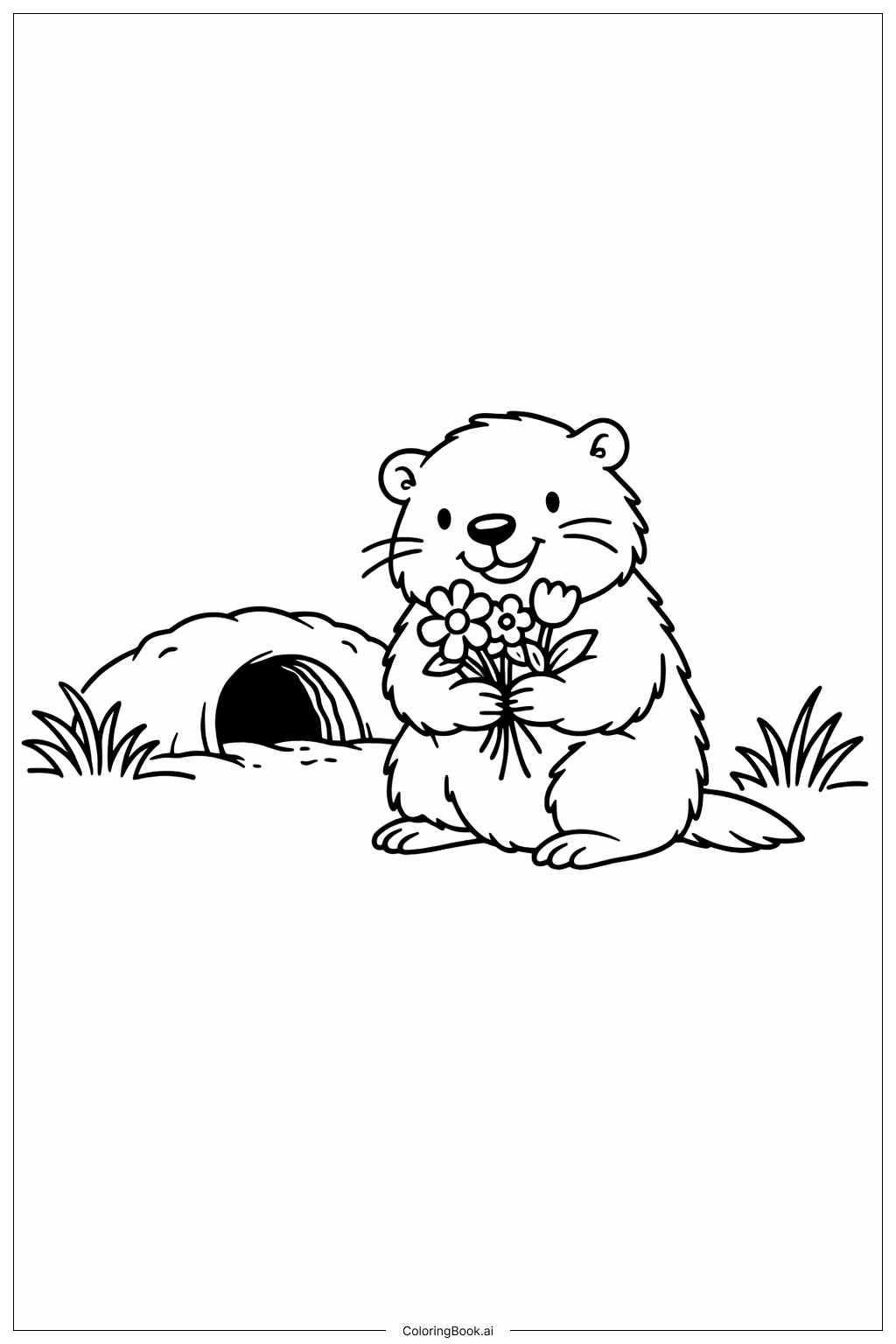
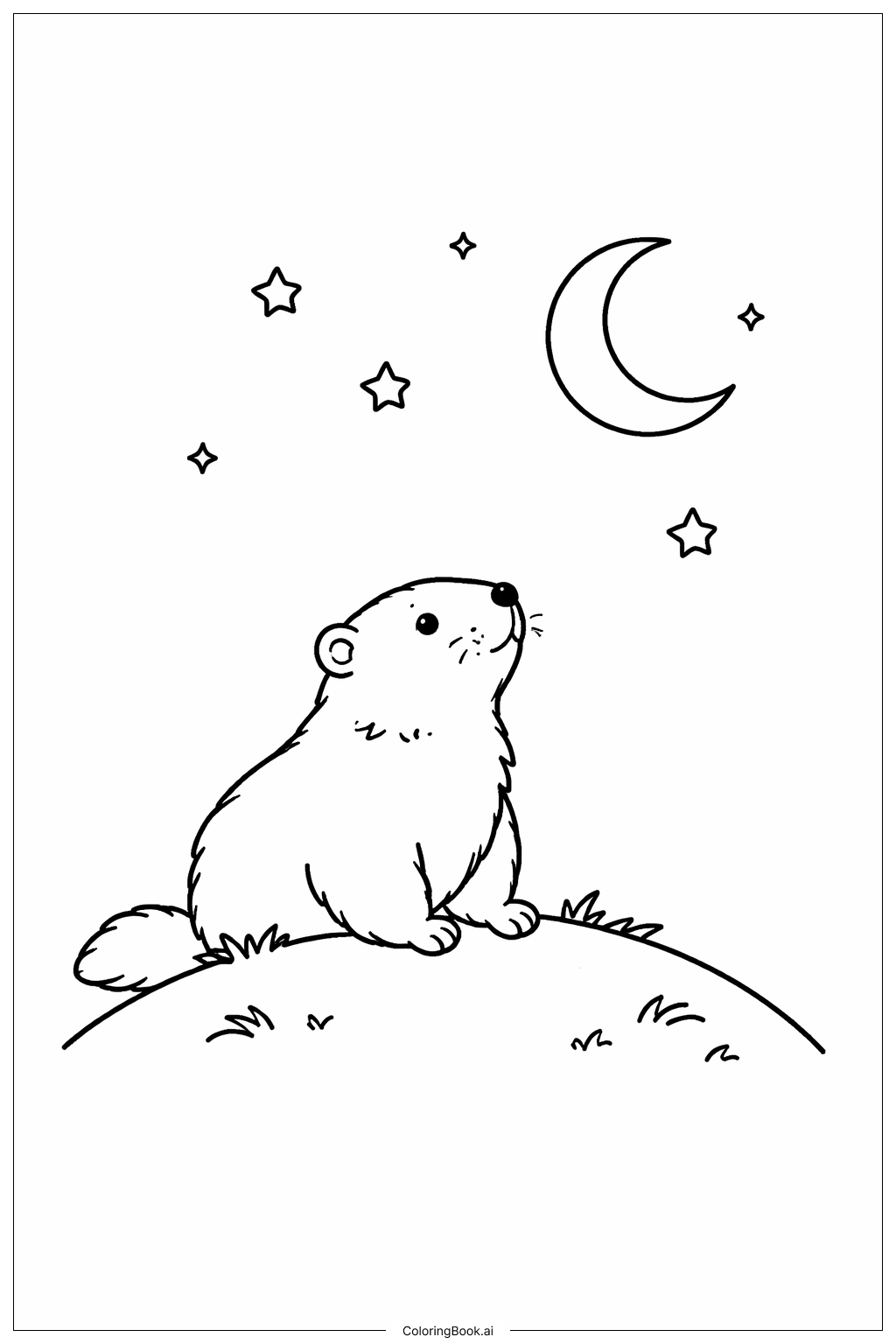
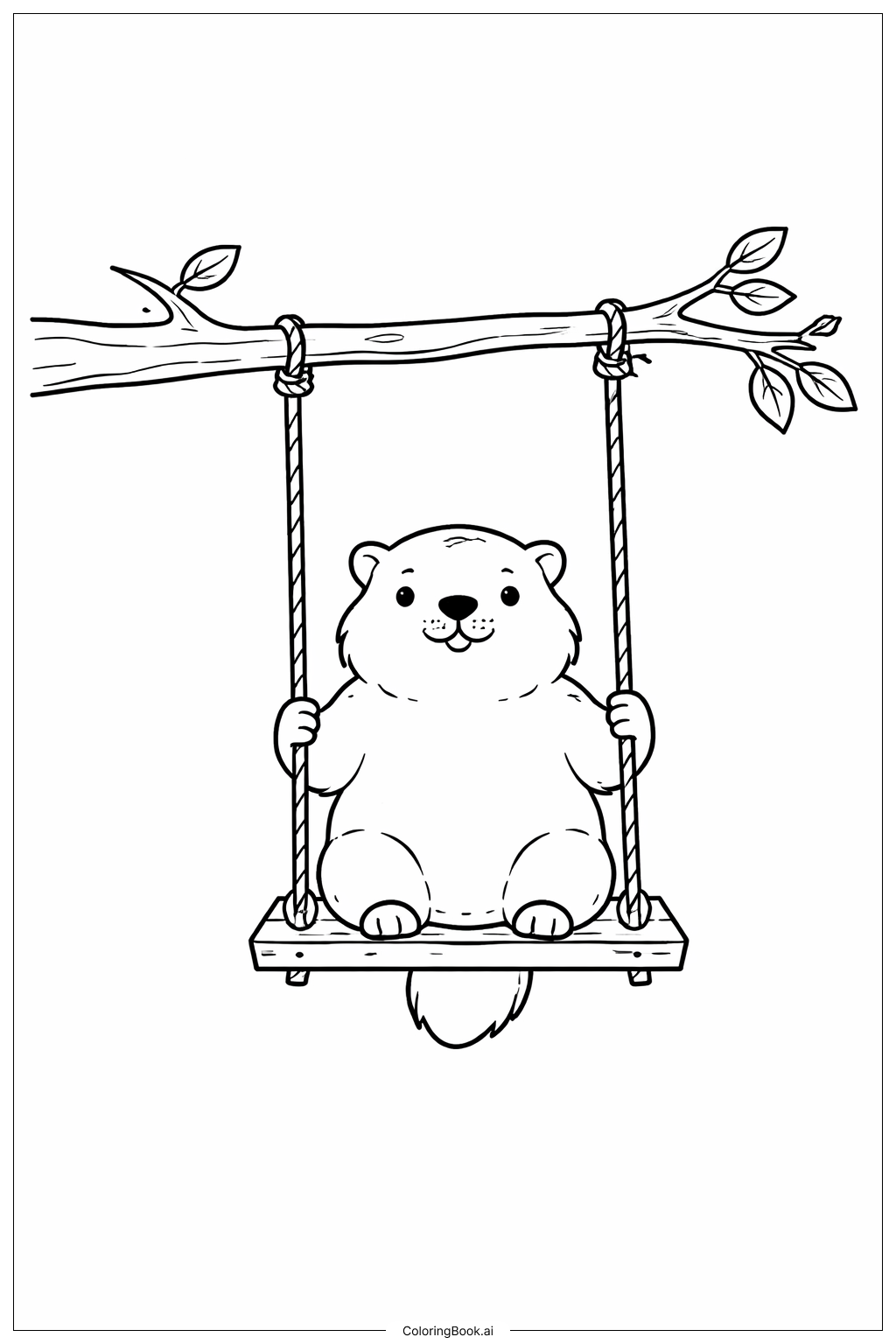
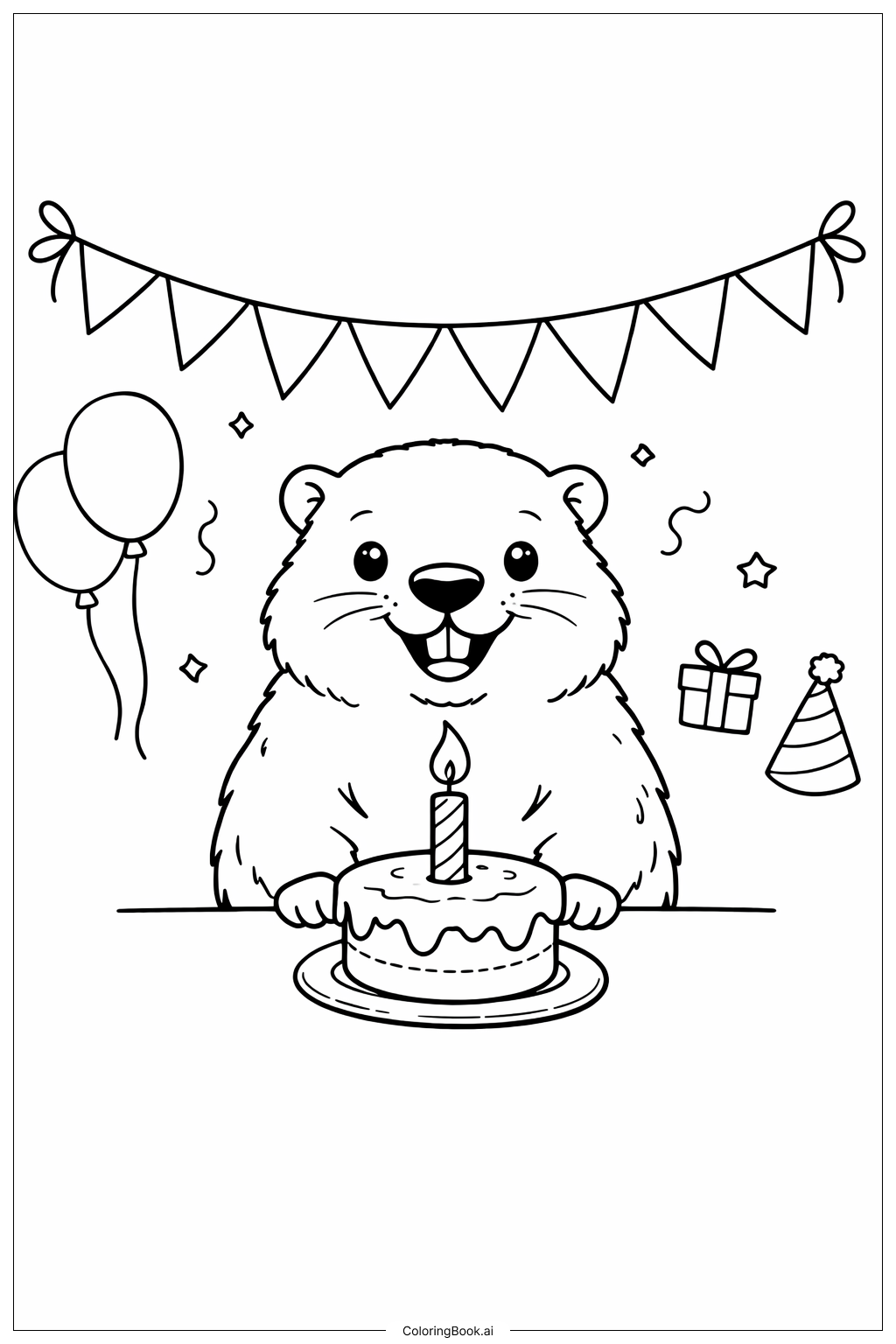
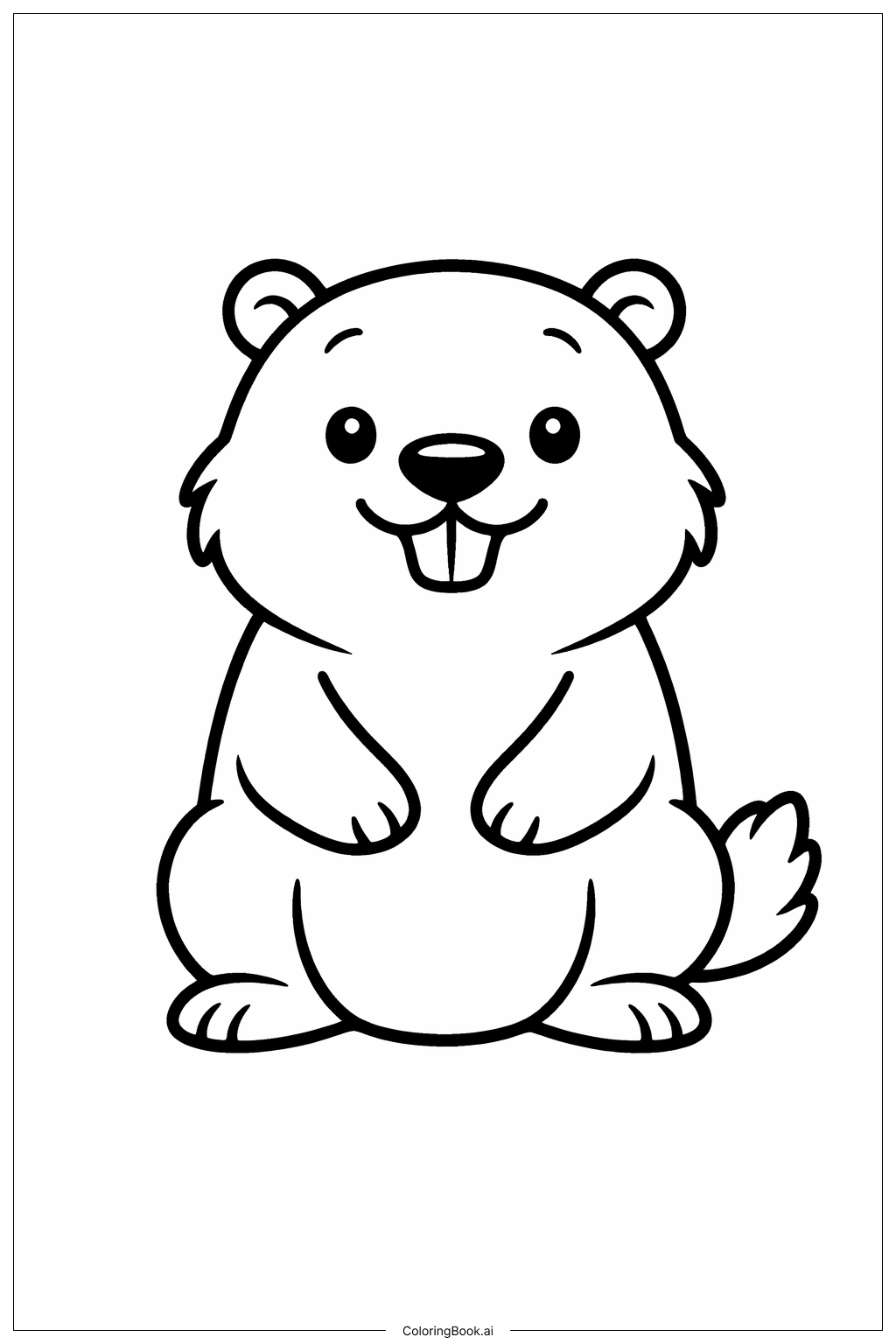
Use light brown or gray to color the groundhog’s body to make it look soft and furry. You can color the nose and the insides of the ears with a darker shade like black or dark brown. The groundhog’s eyes can be colored black with a tiny white dot for shine. The teeth can be left white or light cream. Try using soft colors for the tail and paws to show different textures. You can also add some green or yellow around the groundhog to create grass or flowers in the background. Use crayons, colored pencils, or markers to add your favorite colors and make the picture lively and cheerful.
Coloring challenges: Which parts are difficult to color and need attention for Groundhog Smiling coloring page?
1. Small Details: The groundhog’s eyes, nose, and teeth are small and need careful coloring to stay inside the lines. 2. Smooth Curves: The picture contains many round shapes that require steady hand movements for neat coloring. 3. Color Choices: Picking suitable colors that look natural and blend well can be tricky for beginners. 4. Maintaining Clean Edges: Coloring close to the edges without going outside takes patience and control. 5. Shading and Texture: Adding shading to show the groundhog’s fur texture might be challenging but helps the picture look more real and interesting.
Benefits of coloring books: Advantages of drawing Groundhog Smiling coloring page
Coloring this smiling groundhog helps children improve hand-eye coordination as they carefully fill in the lines. It encourages creativity and imagination by choosing colors and designing their own version of the animal. This activity improves focus and patience while working within the small spaces. Coloring the happy groundhog also brings joy and relaxation, making the learning process fun. It can inspire a love for nature and animals while strengthening fine motor skills.