Coloring tips: How to color Groundhog Nose Closeup coloring page well?
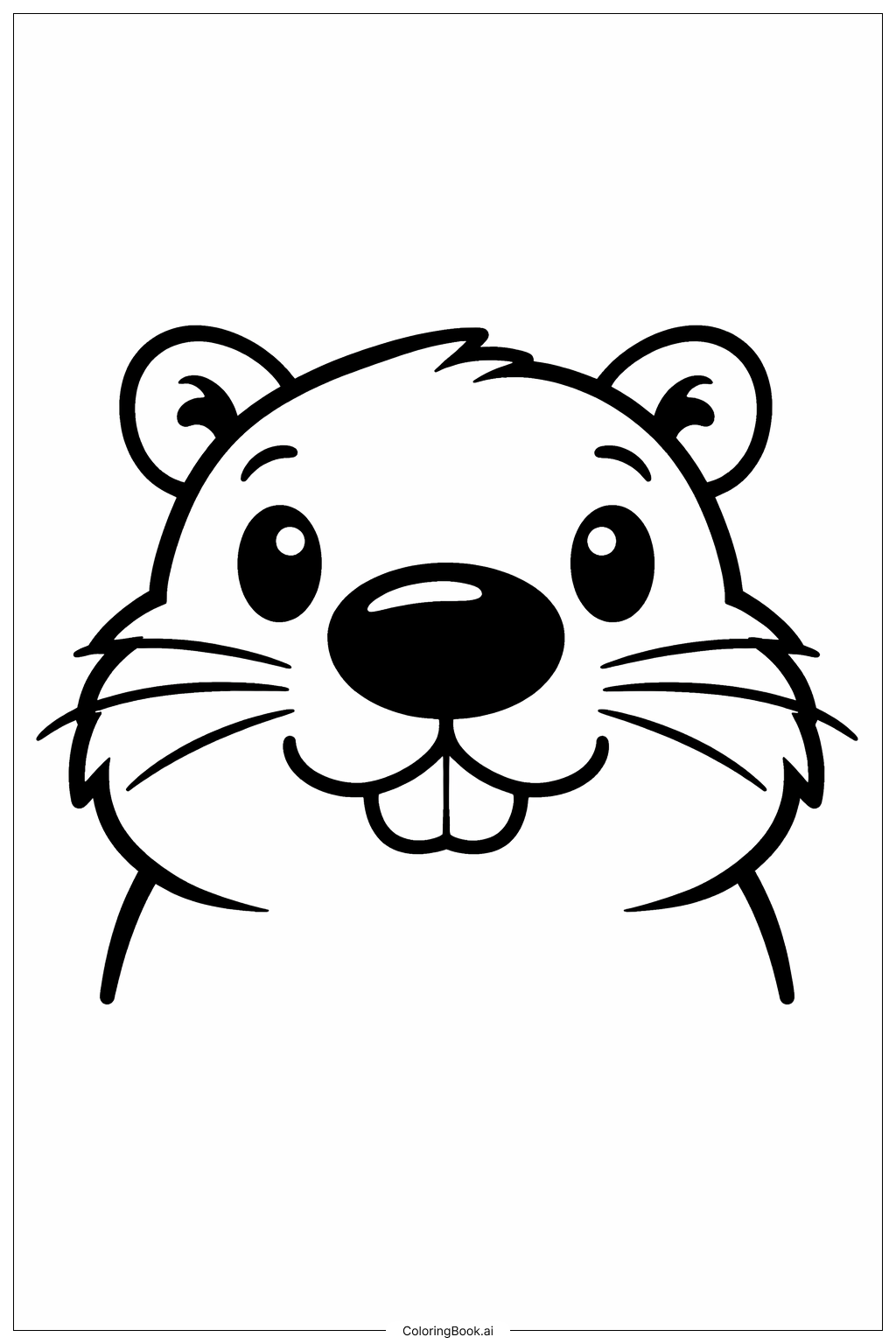
You can use soft brown or gray shades for the groundhog’s fur. Try light brown first, then add darker brown for parts like the whiskers and the fur around the cheeks. The nose should be colored black or dark gray to stand out. For the eyes, use black for the pupils and leave the small circles white to make them look shiny and alive. You can color the inside of the ears a lighter shade of brown or pink. Feel free to add a little bit of light shadow under the chin to give the face some depth. Use smooth and gentle strokes to color evenly.
Coloring challenges: Which parts are difficult to color and need attention for Groundhog Nose Closeup coloring page?
1. Coloring the big nose evenly can be hard because it is a large solid area that needs smooth color without white spots.
2. Staying inside the small lines around the whiskers takes patience and good control.
3. Adding shading to create depth may be tricky for younger kids, especially under the chin and around the ears.
4. Coloring the eyes properly to keep the bright white spots for the shine requires careful attention.
5. It can be difficult to choose colors that look natural but also vibrant to bring the groundhog to life.
Benefits of coloring books: Advantages of drawing Groundhog Nose Closeup coloring page
Coloring this groundhog helps improve hand control and fine motor skills due to the small details like whiskers. It encourages creativity in choosing colors and shading. This activity also promotes focus and patience as kids work to color inside the lines. Additionally, it teaches observation skills by noticing parts of the animal’s face closely. Coloring in this friendly character can be fun and relaxing, making learning about animals enjoyable.