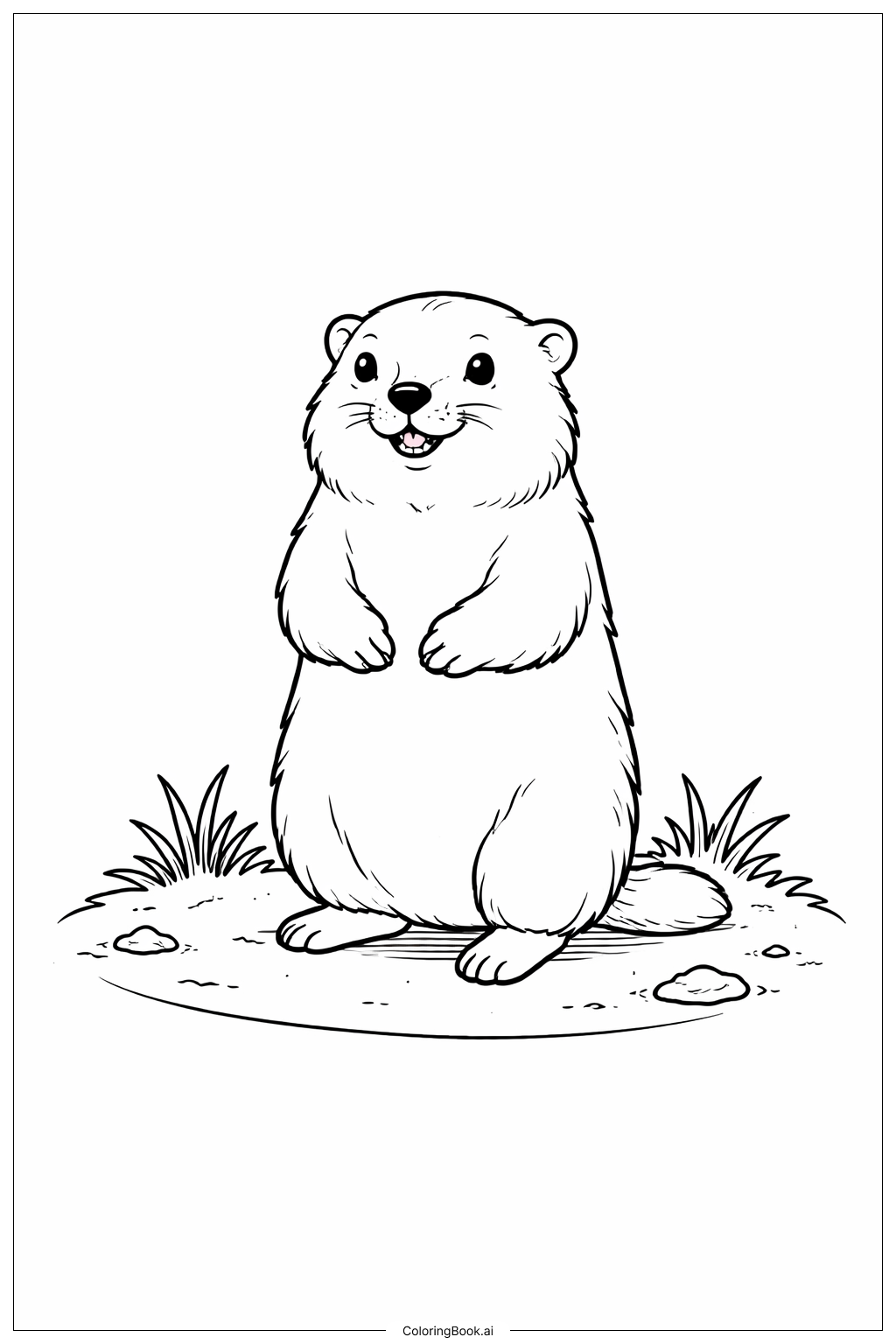
Coloring tips: How to color Groundhog Finding Shadow coloring page well?
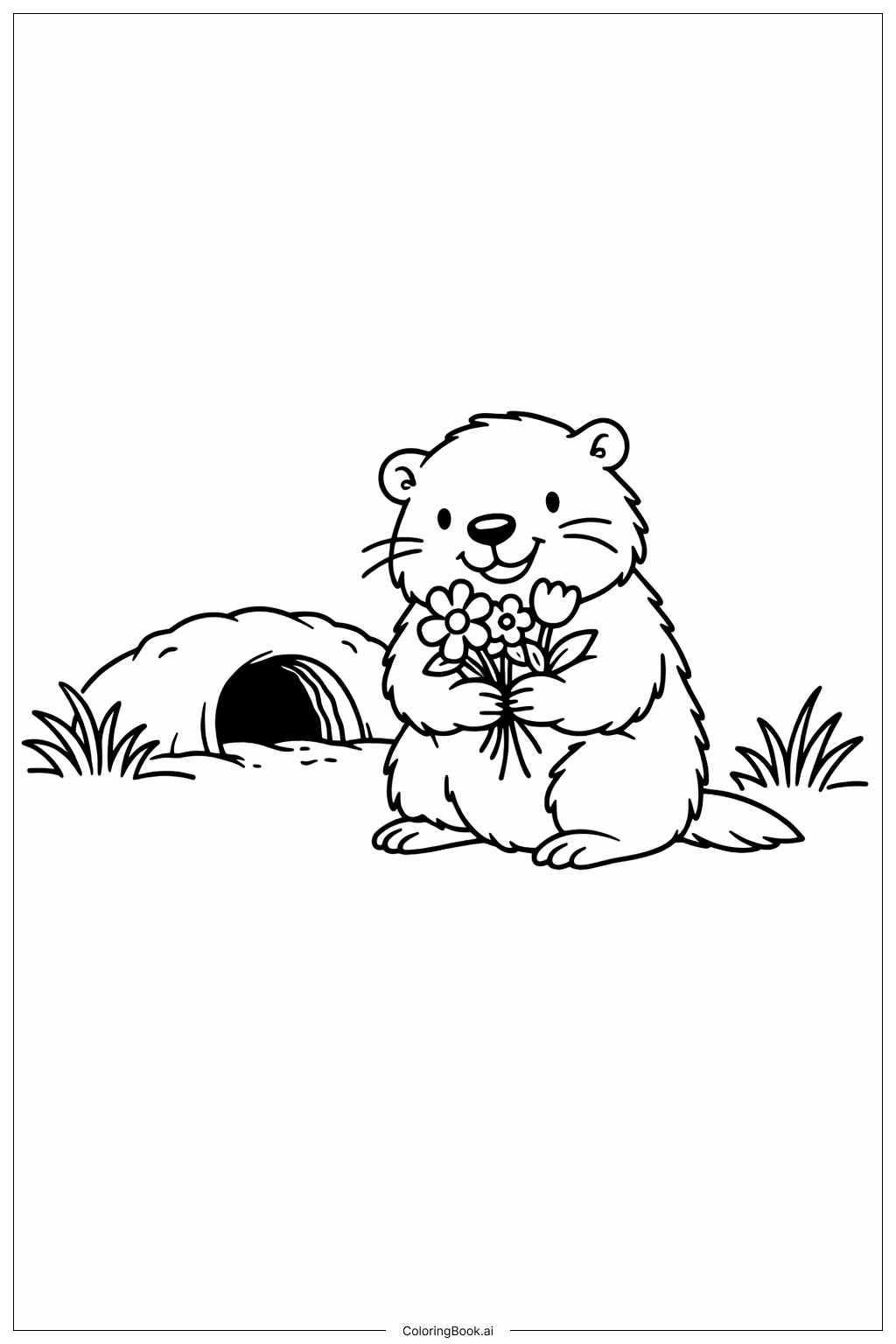
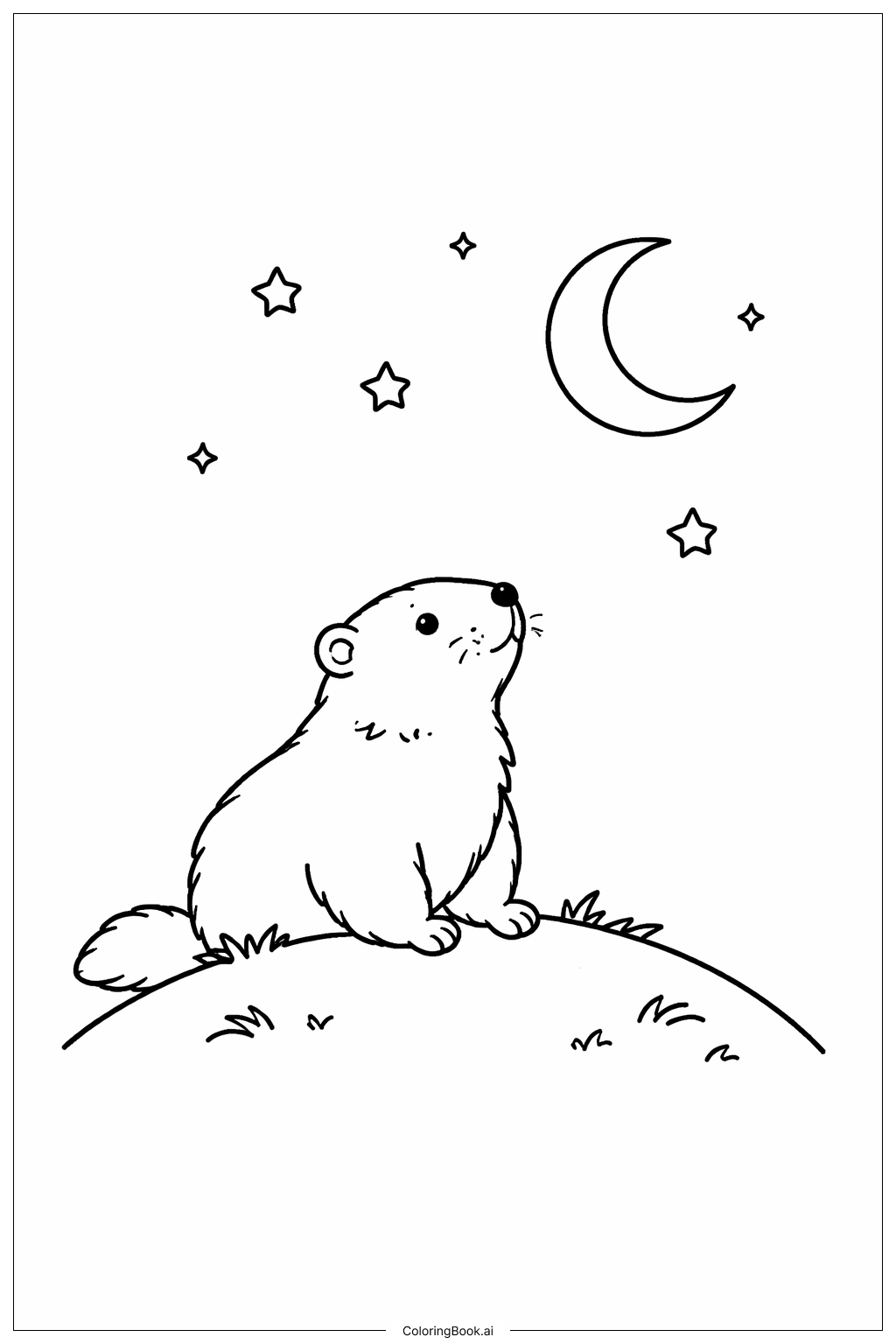
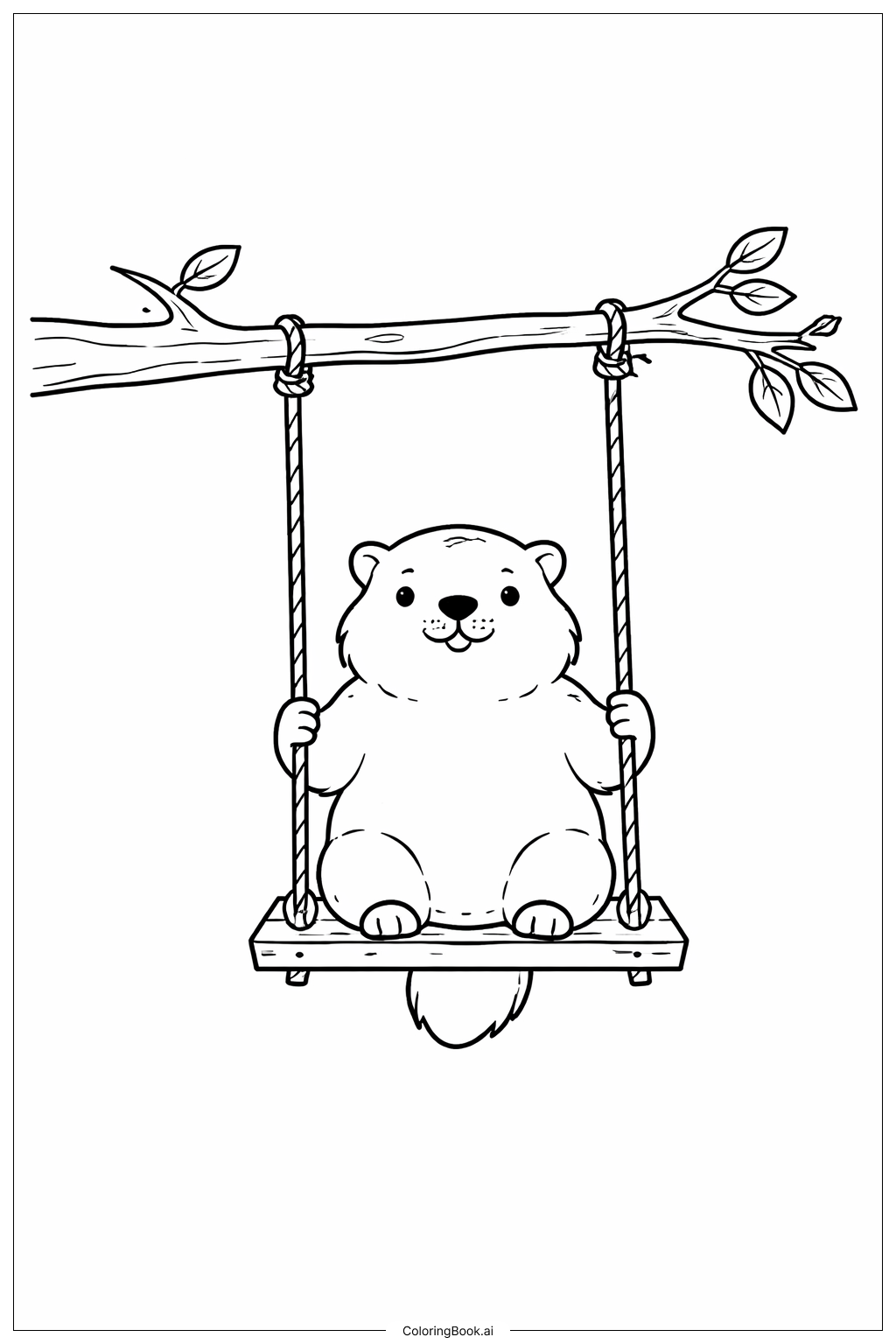
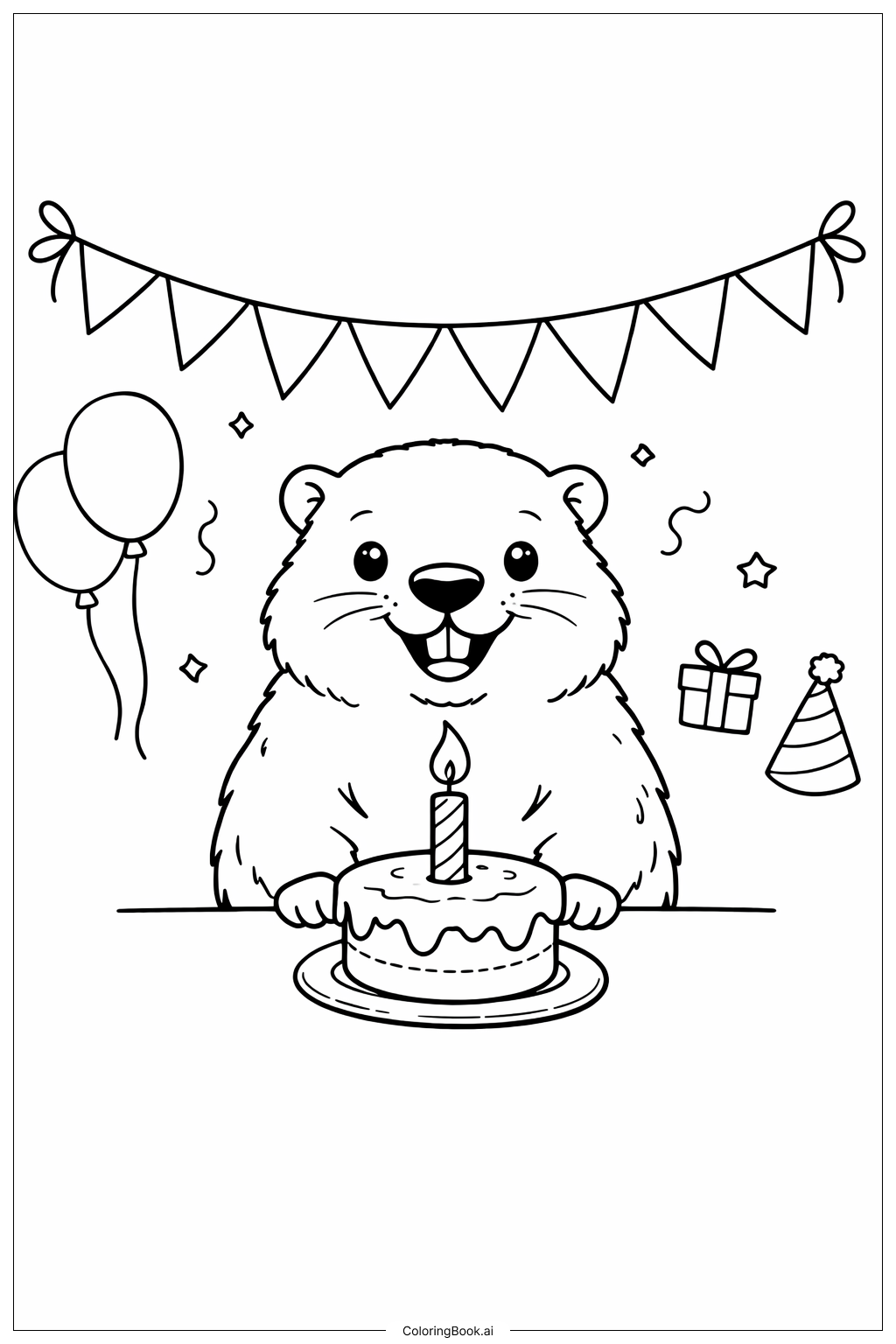
To color this groundhog, start by choosing soft browns or grays for its fur. You can use lighter shades on its belly and face to show softness. The eyes can be colored black with small white spots to make them shine. Use green shades for the grass around the groundhog. The ground can be a mix of browns and light gray for stones. Adding some shading with darker tones around the shadow areas will bring depth. Bright colors for the background sky such as blue can make the image lively. Try blending colors gently to keep the groundhog looking fluffy and natural.
Coloring challenges: Which parts are difficult to color and need attention for Groundhog Finding Shadow coloring page?
1. Coloring the fur evenly can be tricky because it has many small lines showing fluff. It requires careful strokes to keep it natural.
2. The groundhog’s eyes need attention to detail, especially to create the shine effect making it look lively.
3. The subtle shadows under the groundhog and around its feet need careful shading to make the image look three-dimensional.
4. Coloring the grass can be difficult due to the thin, pointed shapes that require precision.
5. Blending colors smoothly on the body while keeping the fur texture visible can be challenging for beginners.
Benefits of coloring books: Advantages of drawing Groundhog Finding Shadow coloring page
Coloring this picture helps improve fine motor skills and hand-eye coordination. It encourages children to observe nature and animals closely. The simple shapes and clear lines make it good for practicing careful coloring within boundaries. Working on brightening the groundhog’s eyes and adding shadows teaches kids about light and depth. It also boosts creativity by choosing colors and blending techniques. Overall, coloring this groundhog supports focus, patience, and artistic expression in a fun way.