Coloring tips: How to color Groundhog At Burrow Entrance coloring page well?
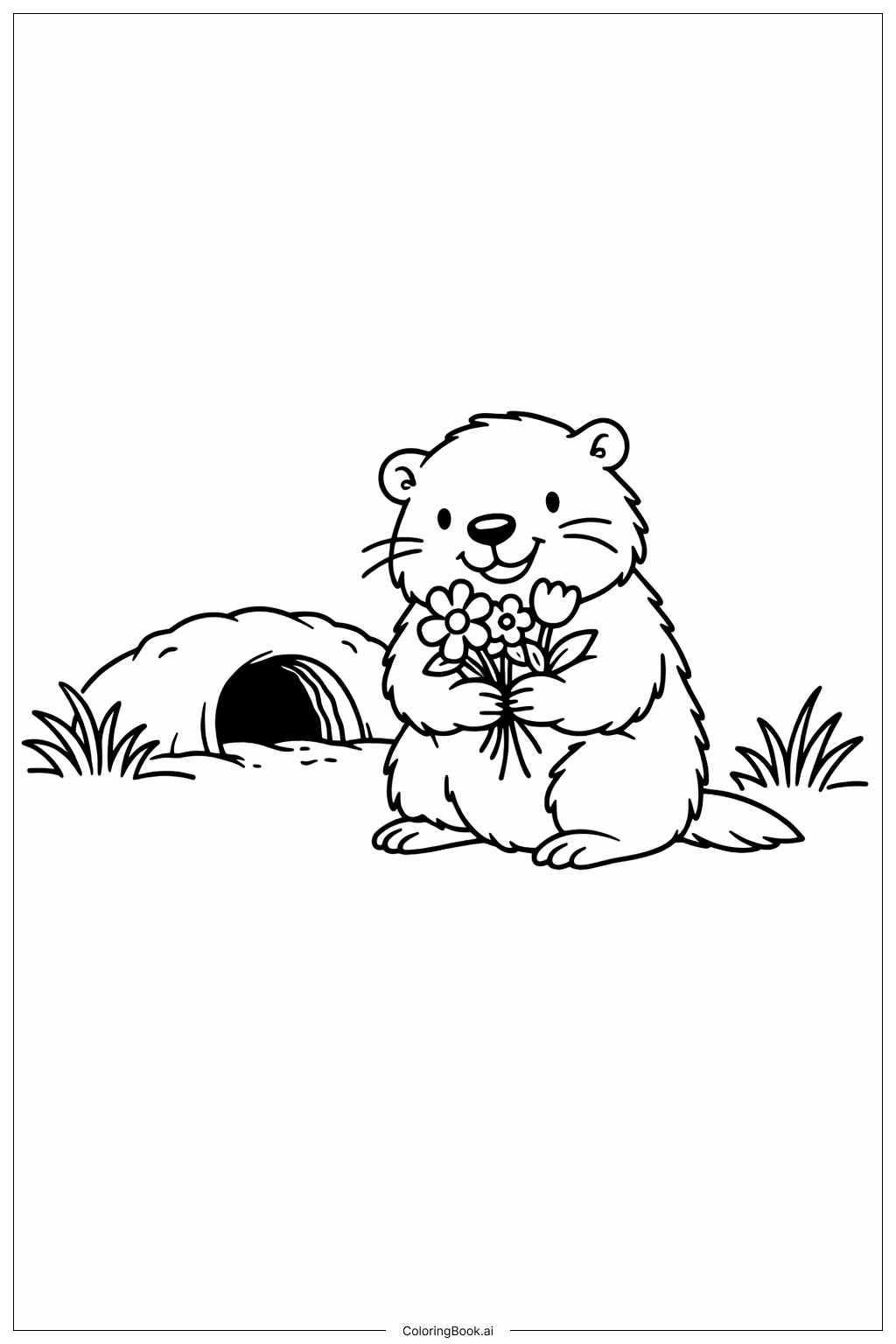
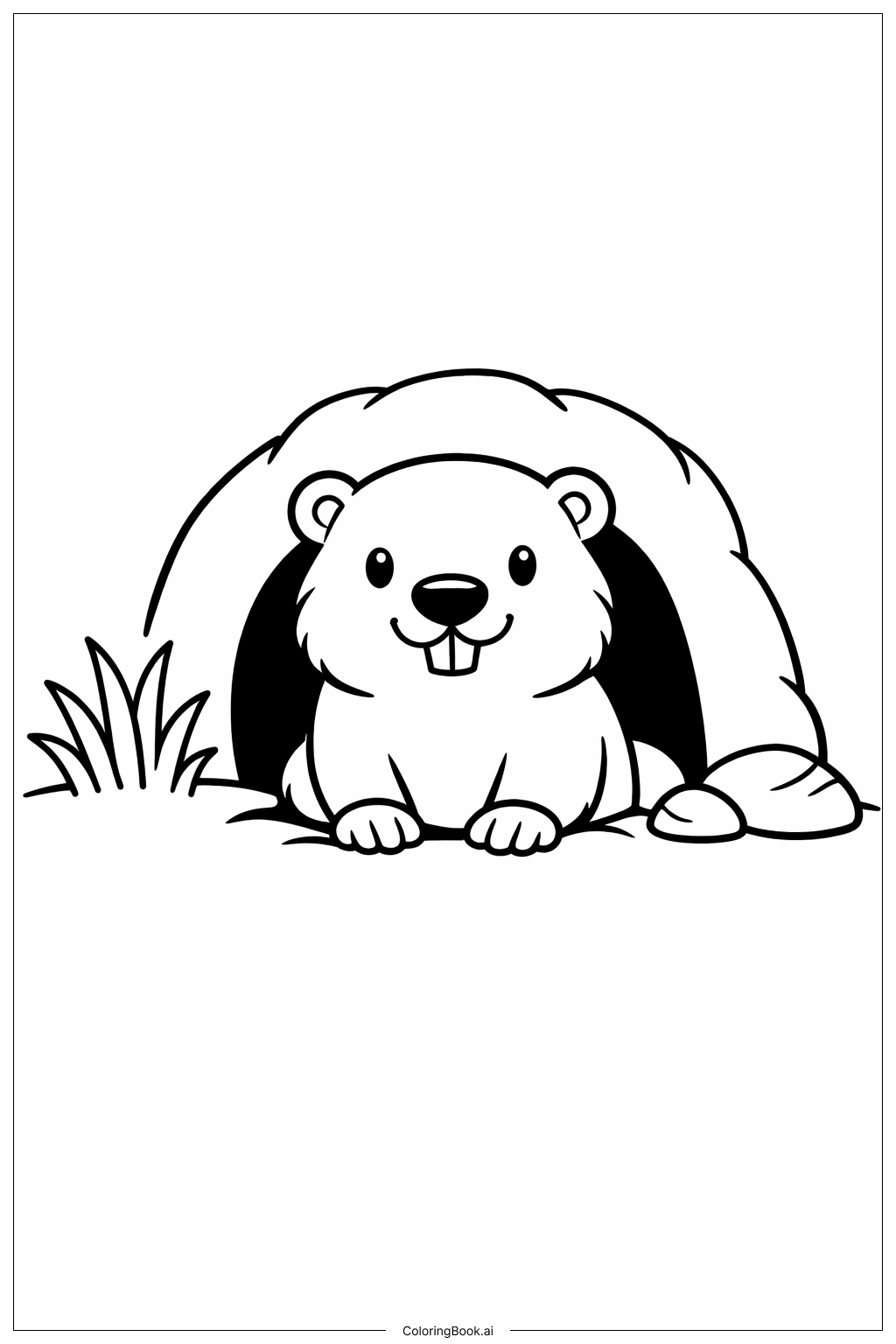
For coloring the groundhog, try using browns and tans for the fur to create a natural look. You can use darker browns for the shadows and lighter shades for highlights. The nose and eyes can be colored black or dark brown to make them stand out. For the rocks, try using grays with some lighter edges to give them texture. The grass can be colored in different shades of green to add variety. The burrow entrance can be shaded with dark brown or black to give it depth. Feel free to add some blue to the sky if you want to add more background colors. Using soft, even strokes can help keep the coloring smooth and neat.
Coloring challenges: Which parts are difficult to color and need attention for Groundhog At Burrow Entrance coloring page?
1. The small areas like the groundhog’s eyes, nose, and paws need careful coloring to avoid going outside the lines. 2. Creating the texture of fur can be challenging because you want to show a soft and fluffy feel using smooth color transitions. 3. Shading the burrow entrance and rocks to make them look natural and three-dimensional may be difficult for young children. 4. Coloring the grass with different green shades requires attention to detail and blending to make it look lively. 5. Keeping the overall picture neat while coloring different textures and small details can be tricky but rewarding.
Benefits of coloring books: Advantages of drawing Groundhog At Burrow Entrance coloring page
Coloring this groundhog and its burrow helps kids improve their fine motor skills as they carefully fill small spaces. It also encourages creativity by letting them choose colors and shading techniques. This activity can teach about animals and their homes in nature, promoting learning and curiosity. Coloring this friendly groundhog can boost focus and patience, as kids work to stay inside the lines and complete the picture. Overall, it’s a fun way to practice art while learning about wildlife.