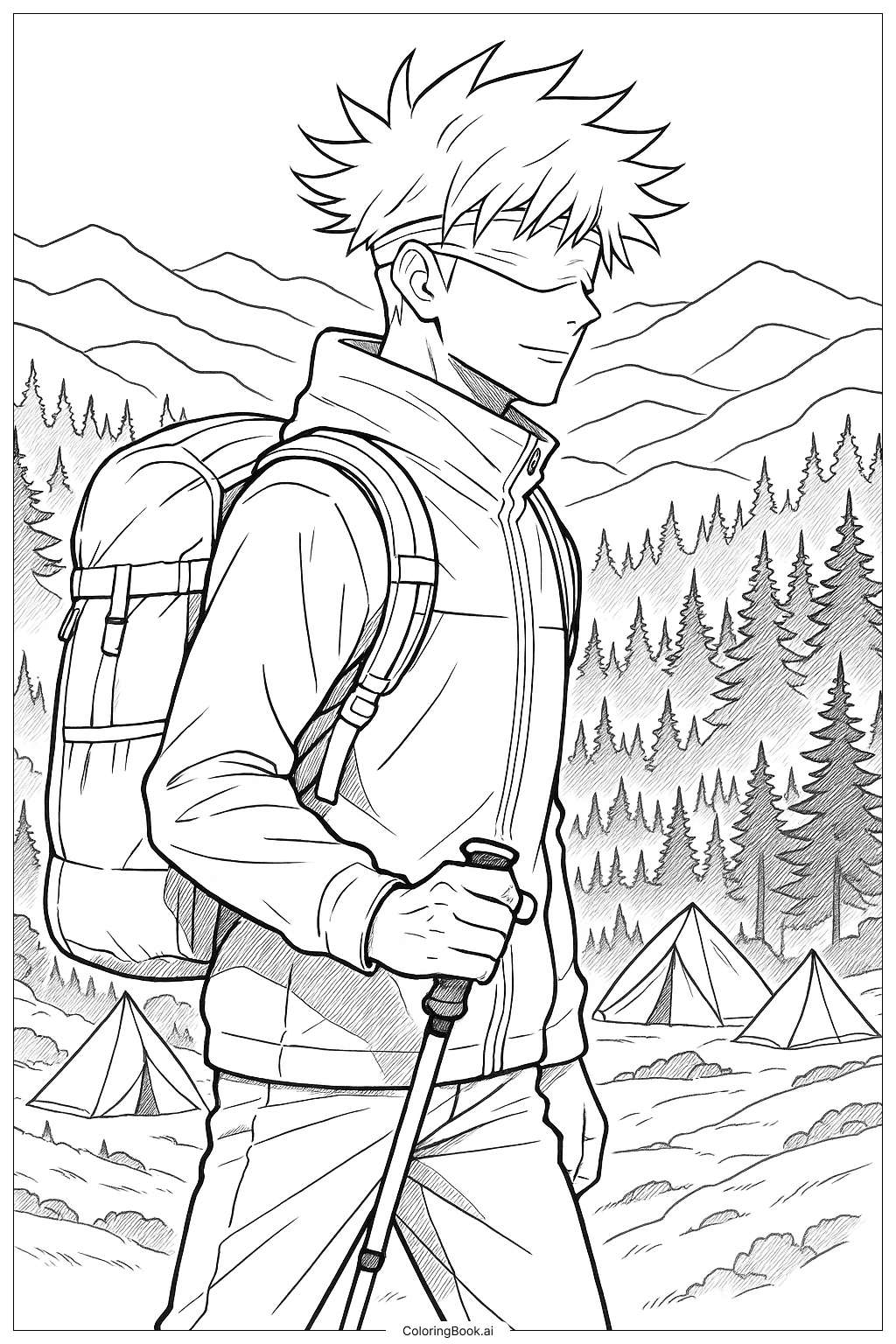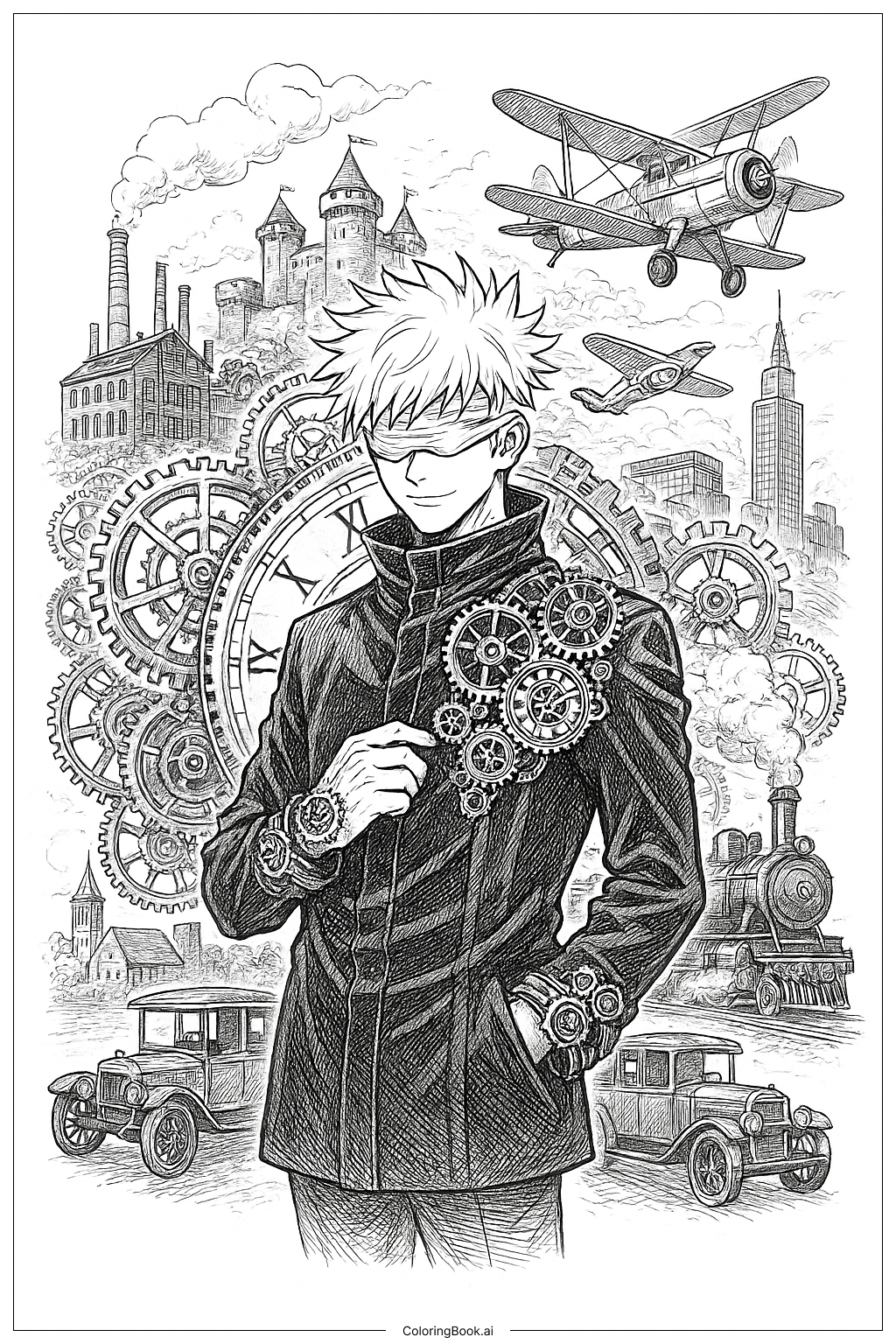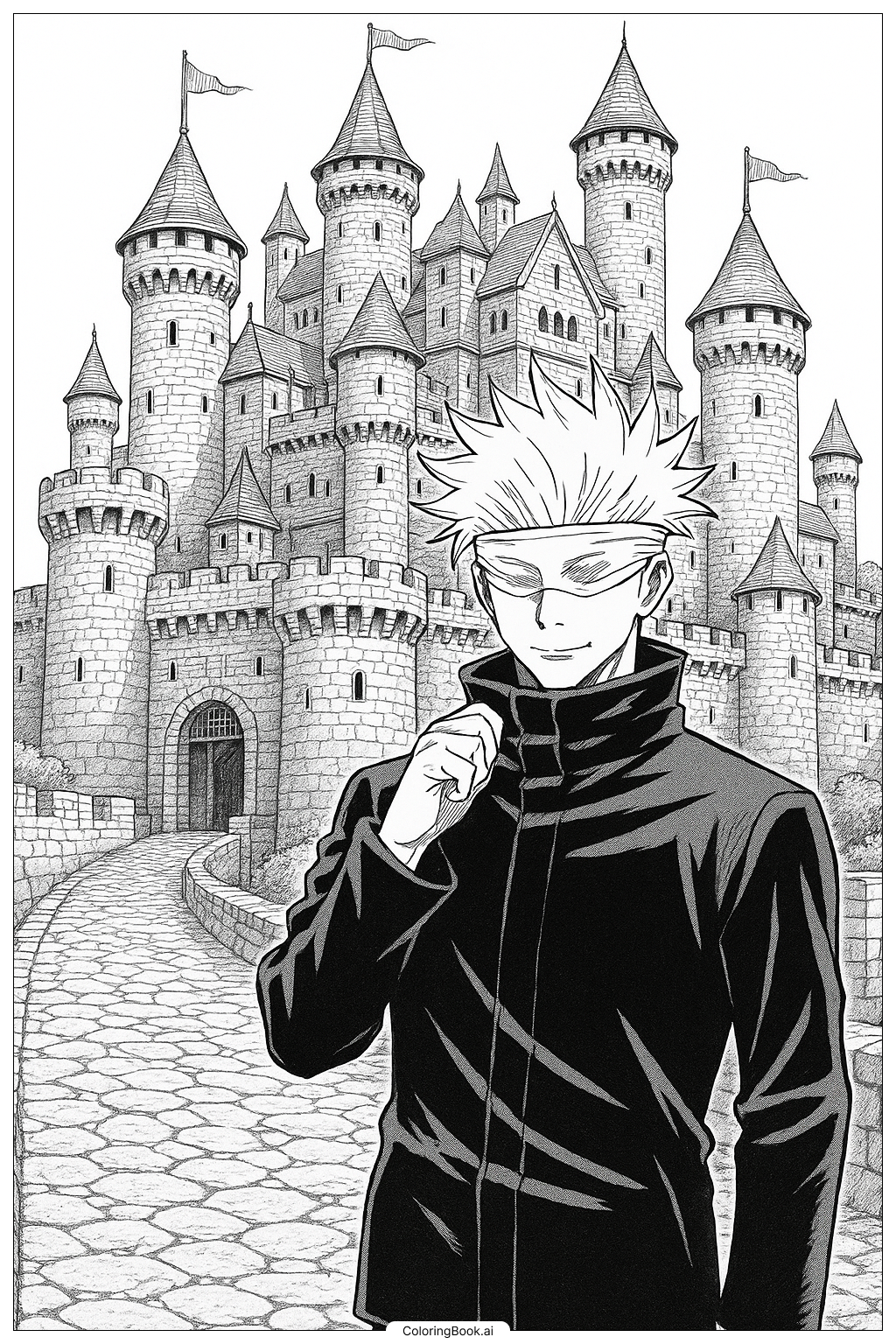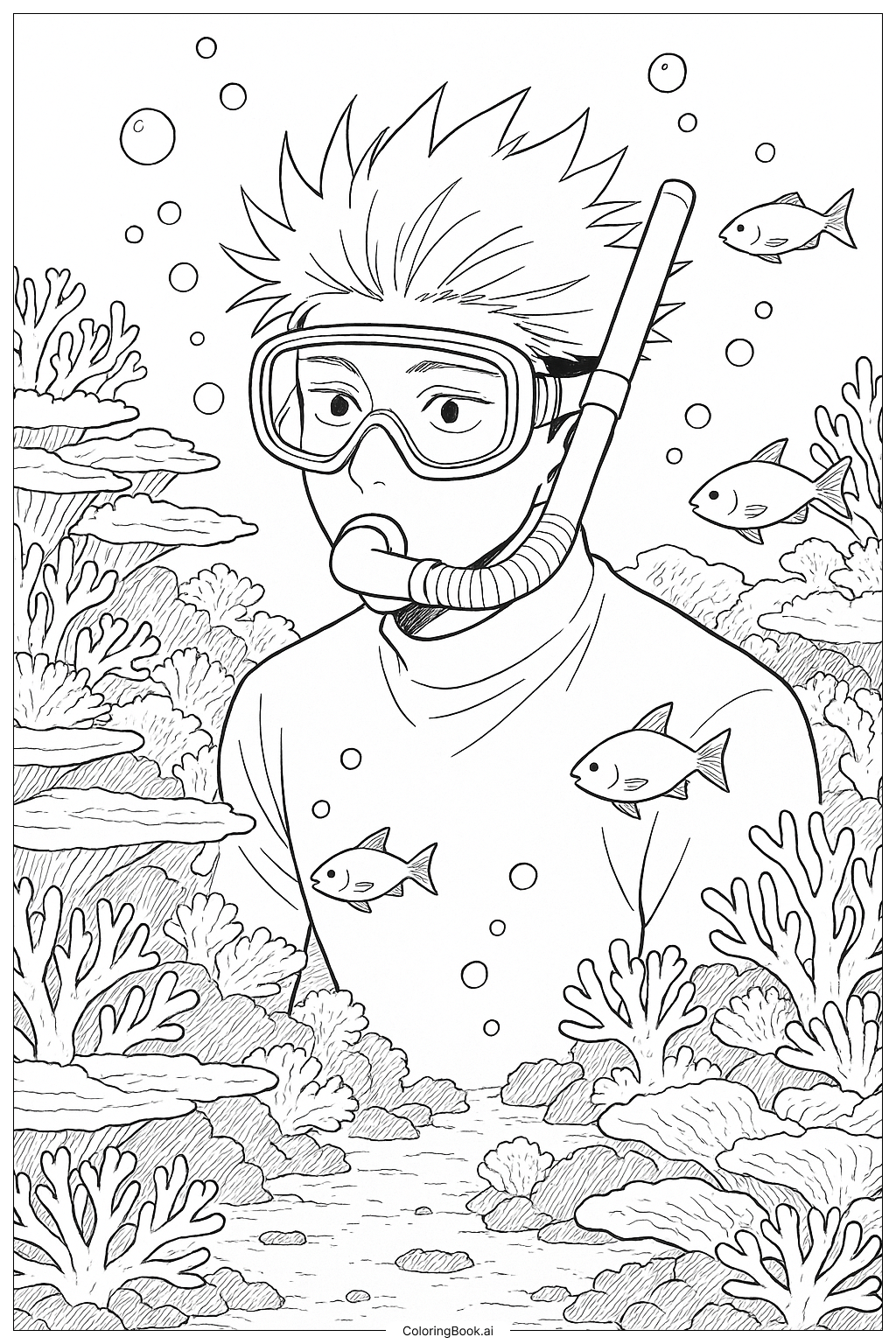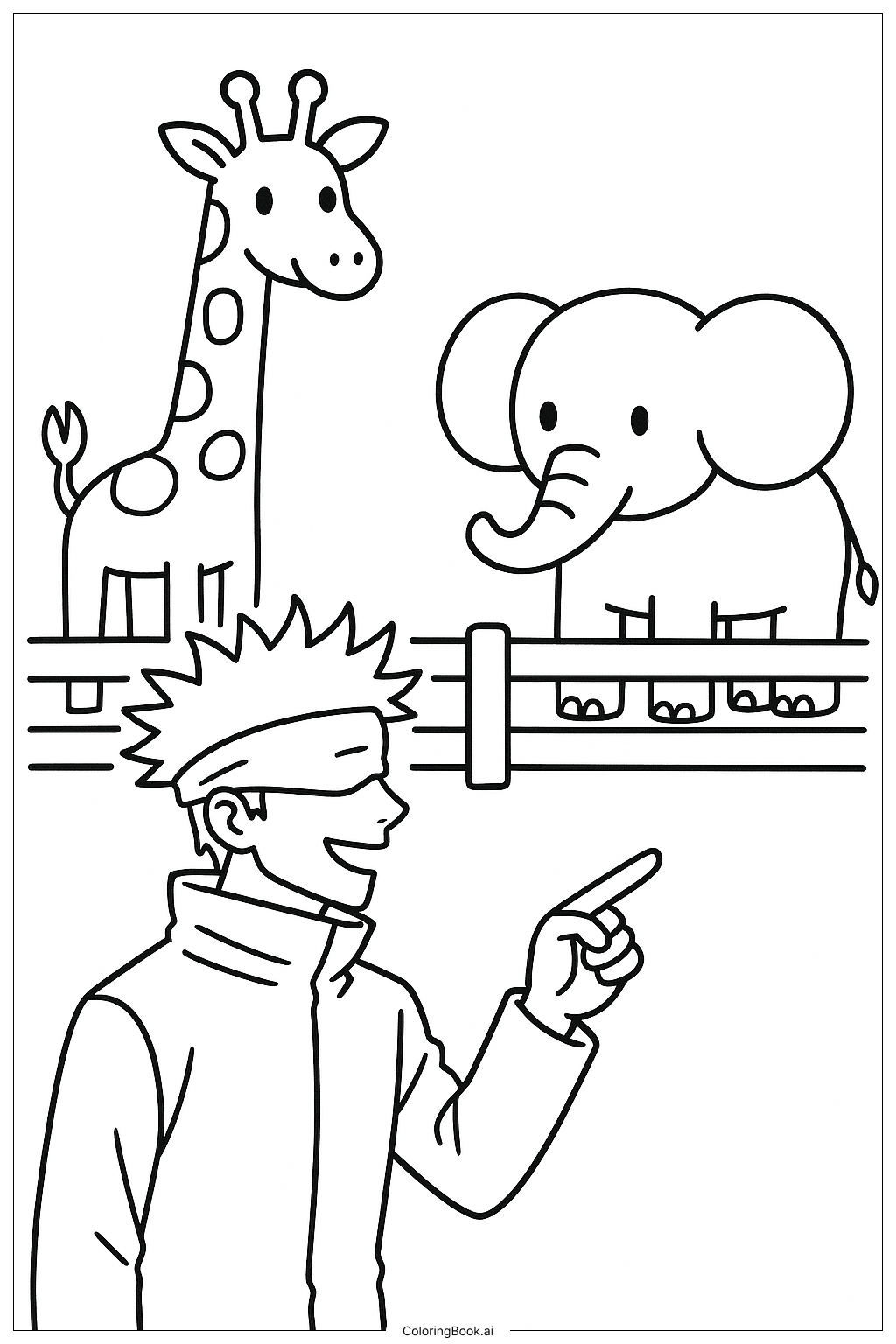
Coloring tips: How to color Gojo At The Zoo coloring page well?
Start with Gojo's most recognizable features. Color his hair bright white or soft silver. His blindfold can be a deep navy blue or black. Use his classic dark outfit as a base, adding subtle shading for depth.
For the animals, go bold and realistic. Give the giraffe its warm orange and brown patches. Color the elephant in shades of gray. Use golden yellow and brown for the lion, and bright greens for the trees and bushes around the zoo.
The background pathways can be light beige or soft gray. Zoo signs can be colored in cheerful yellows and reds to make them pop. Use lighter shades in open areas and darker tones in shaded spots to create a sense of depth.
Feel free to get creative — you can even give the animals fun, unexpected colors to make the scene your own. This is a great image for mixing realistic and imaginative coloring styles.
Coloring challenges: Which parts are difficult to color and need attention for Gojo At The Zoo coloring page?
• Gojo's Hair and Blindfold Contrast: Gojo's white hair sits right next to his dark blindfold, making it tricky to keep both areas clean and distinct. You need a steady hand to avoid smudging the white into the dark areas. Using a fine-tipped tool along the edges helps keep the lines sharp.
• Animal Texture Details: Each animal in the scene has its own unique texture. The giraffe's patches, the elephant's wrinkled skin, and the lion's fur all require different coloring techniques. Blending multiple shades and using small, directional strokes gives each animal a more realistic and polished look.
• Layered Background Elements: The zoo setting includes trees, fences, pathways, and buildings all stacked together in the background. Keeping these elements visually separate without making the scene look cluttered takes patience. Working from back to front — starting with the sky and distant elements — helps maintain clarity.
• Small Details in Enclosures and Signs: Zoo signs, cage bars, and small decorative elements are packed into tight spaces. These fine details are easy to accidentally color over or miss entirely. A thin marker or sharpened colored pencil is your best tool here to stay within the lines.
• Overall Color Harmony: With so many different subjects — a character, multiple animals, and a busy background — keeping the whole image feeling balanced and cohesive can be a challenge. Choosing a consistent color palette and repeating certain tones across the scene ties everything together nicely.
Benefits of coloring books: Advantages of drawing Gojo At The Zoo coloring page
Coloring this image of Gojo At The Zoo offers a wonderful range of benefits for kids and teens alike.
For fans of Jujutsu Kaisen, bringing Gojo to life on the page is an exciting and rewarding experience. It builds a deeper connection to a beloved character while encouraging creative expression.
The variety of animals in the scene makes this page especially educational. Children can practice identifying animals, learn their natural colors, and explore how different textures look when illustrated. This kind of observational thinking sharpens both artistic and critical thinking skills.
Working through the many details — from Gojo's outfit to the zoo environment — builds patience and concentration. Staying focused on small areas trains fine motor skills and hand-eye coordination, which are important for writing and other hands-on activities.
The blend of a fantasy character in a real-world setting sparks imagination. Kids are encouraged to think creatively about color choices and storytelling, asking questions like "What would Gojo do at the zoo?" This imaginative engagement supports emotional development and self-expression.
Finally, the act of coloring itself is calming and meditative. It gives children a healthy way to unwind, reduce stress, and feel a sense of accomplishment when the page is complete. It's a fun, screen-free activity the whole family can enjoy together.