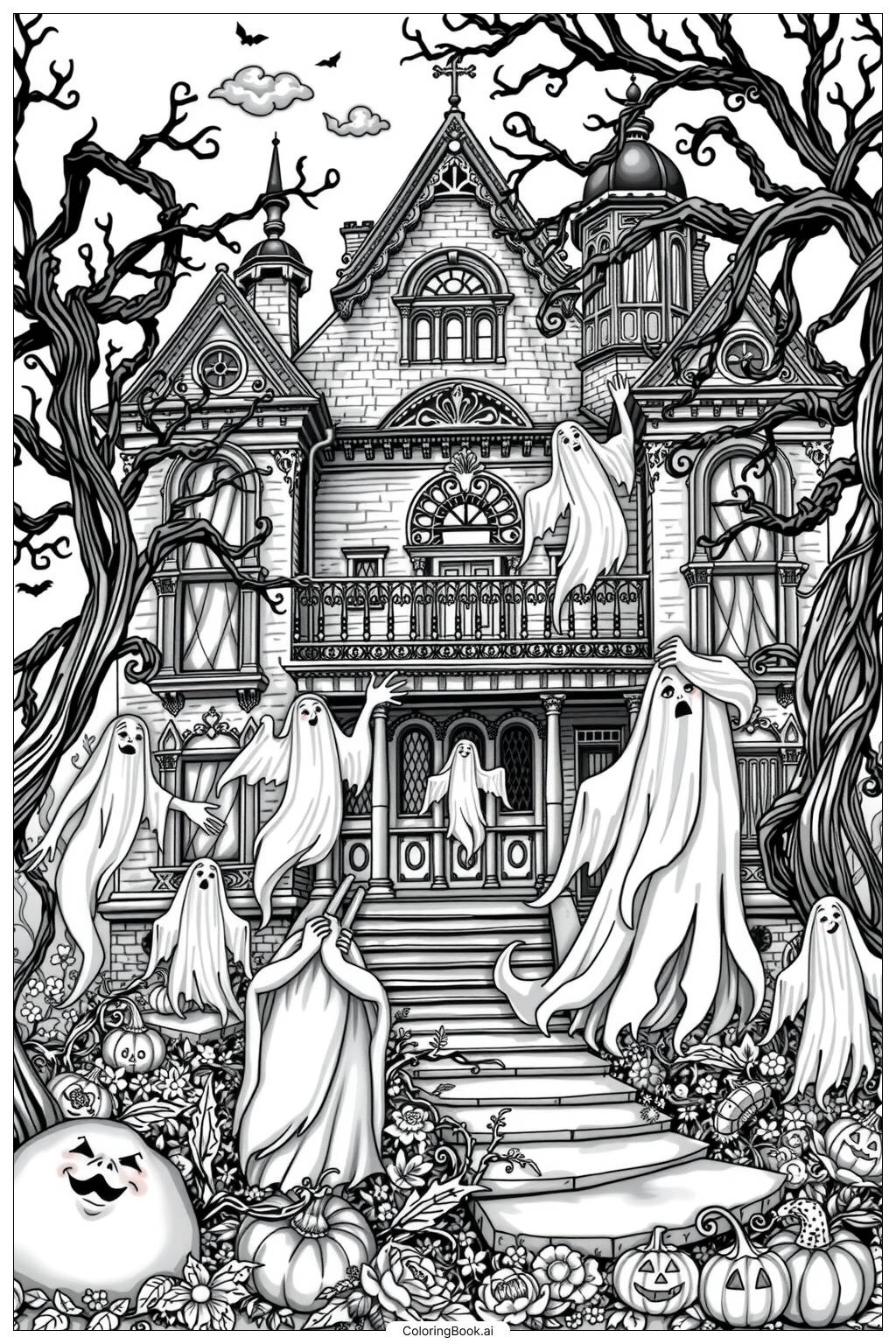
Coloring tips: How to color Halloween Night with Scary Ghosts coloring page well?
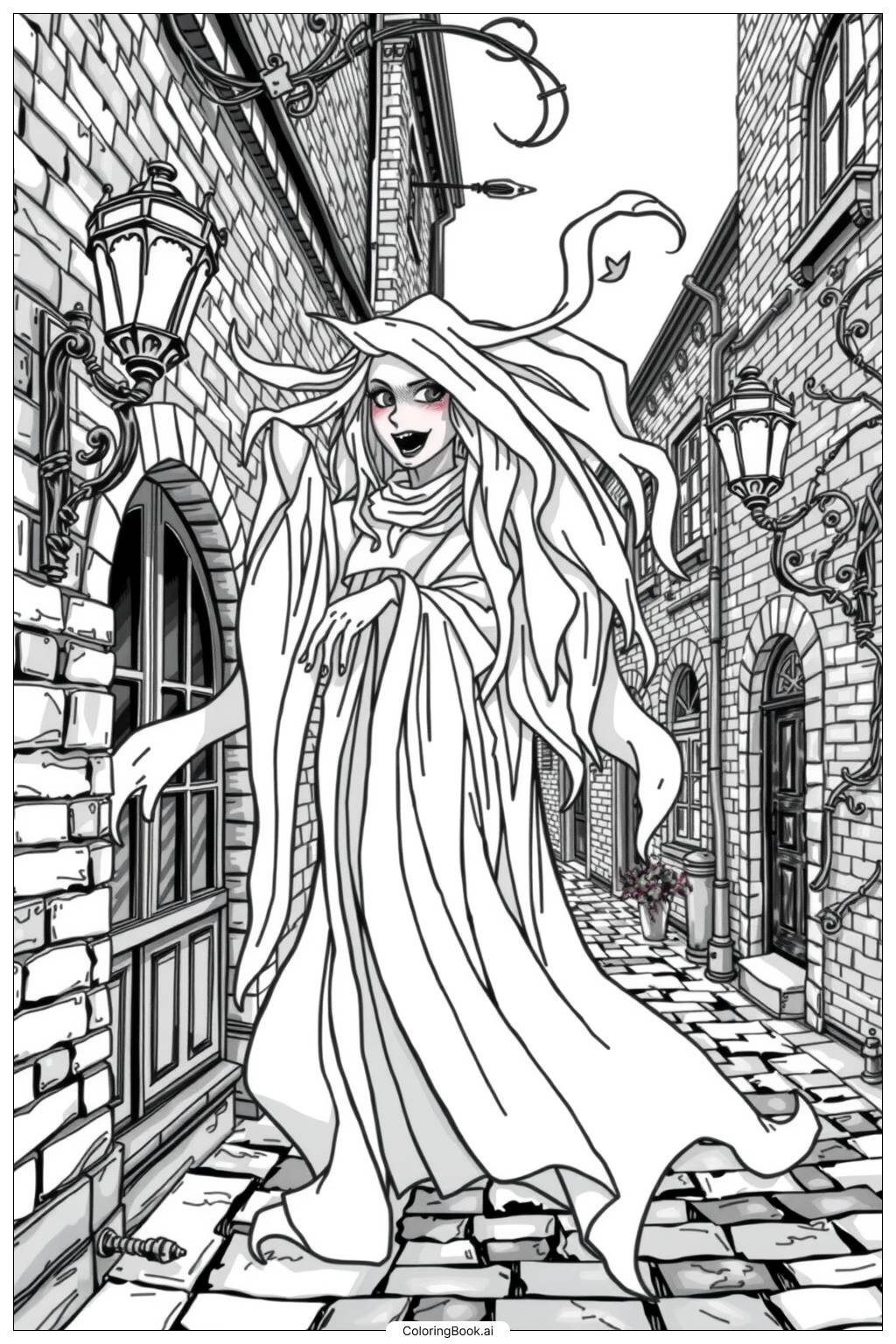
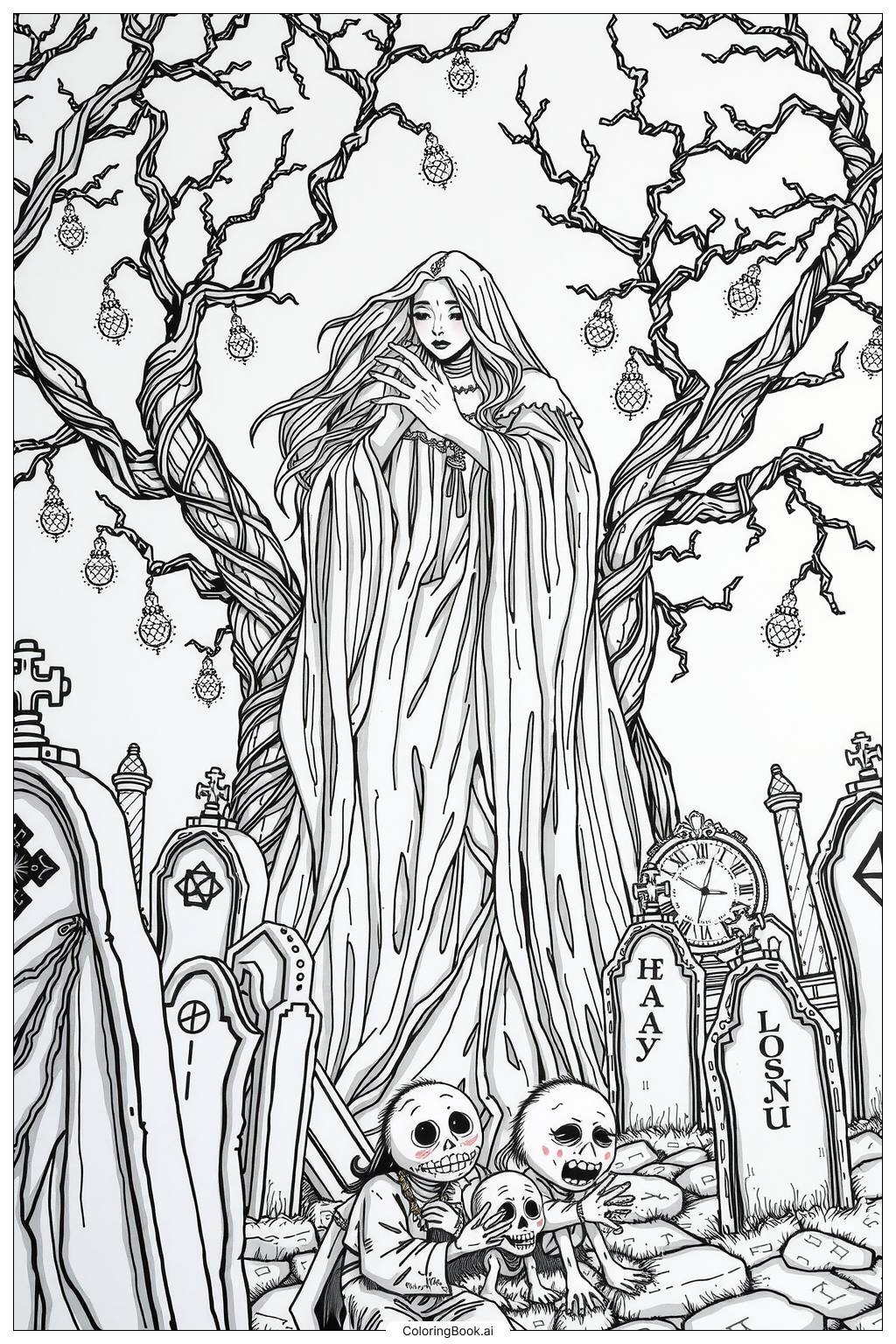
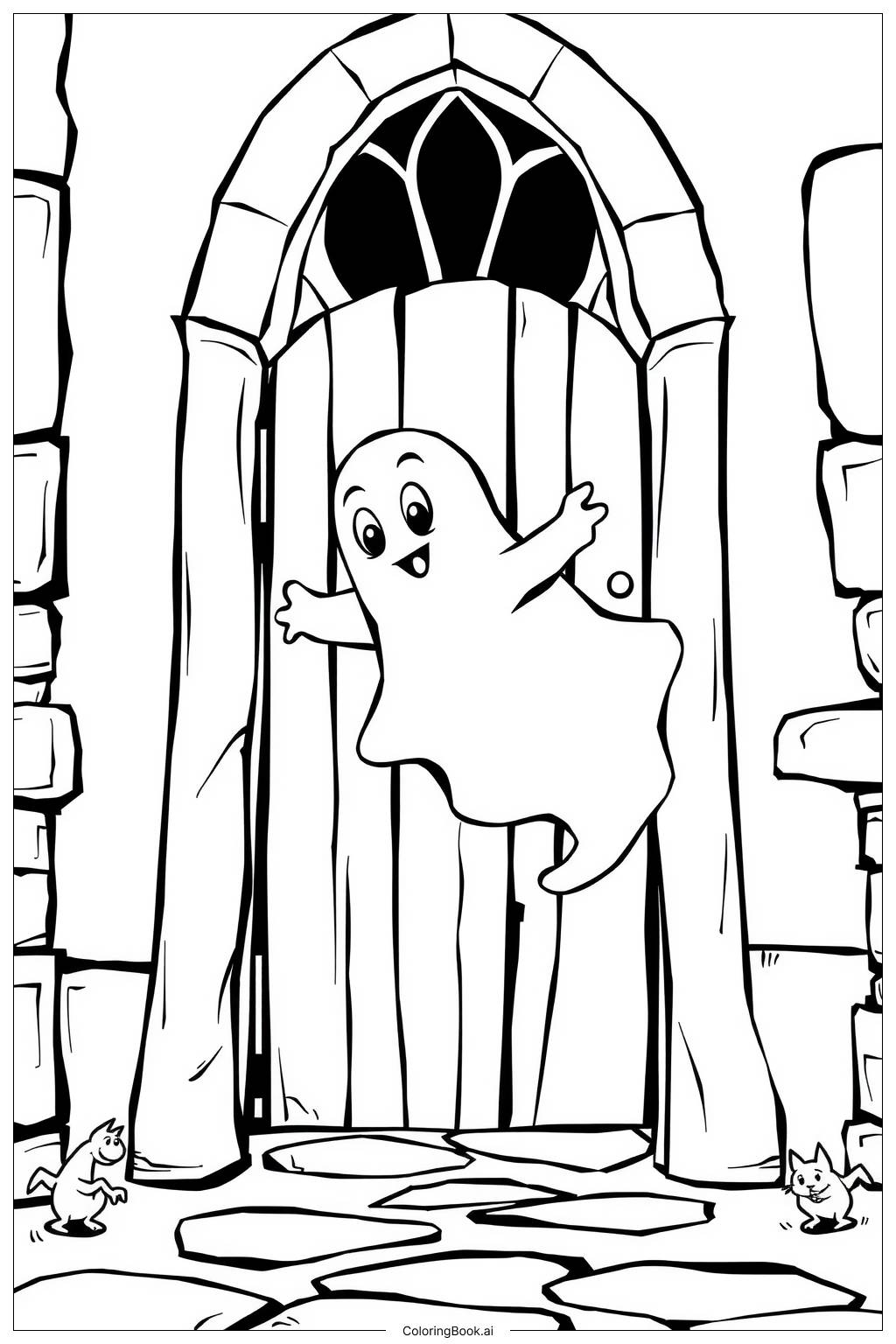
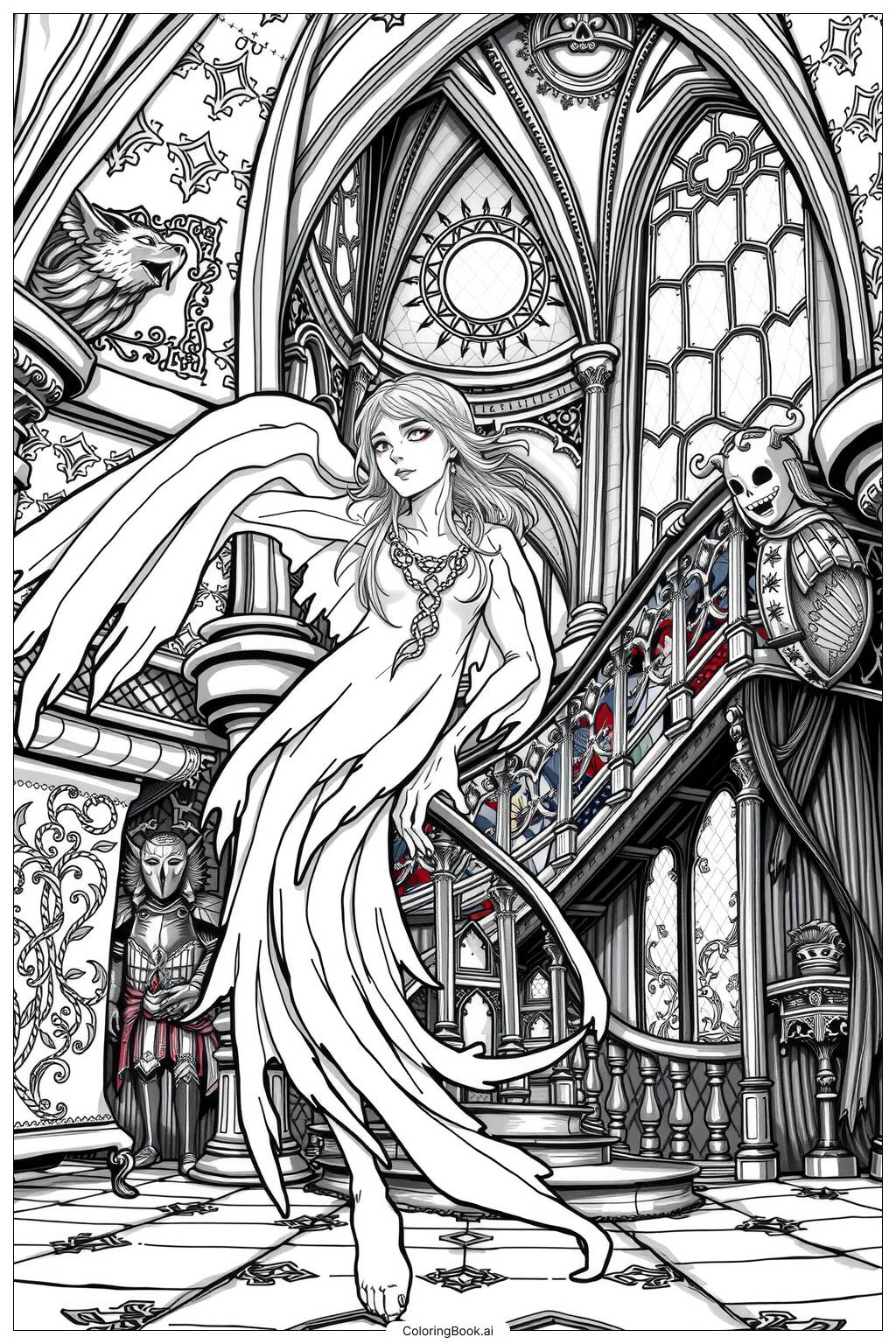
Start with the ghosts by using light shades like pale white, soft lavender, or icy blue to keep them looking ghostly and ethereal. Add subtle shadows with gray or light purple to give them a floating, three-dimensional feel. Color the full moon a warm golden yellow or pale cream to light up the night sky. Use deep navy blue or dark purple for the sky to create a dramatic Halloween atmosphere. The bare trees look great in dark brown or black. Give the jack-o'-lanterns bright orange with yellow or amber glow effects around the carved faces. Color the bats in dark gray or black. Use warm red, orange, and brown tones for the fallen leaves on the ground. Feel free to add glowing effects around the ghosts using light yellow or white highlights for extra spooky magic. There are no strict rules — let your imagination guide your color choices and make this Halloween scene your own!
Coloring challenges: Which parts are difficult to color and need attention for Halloween Night with Scary Ghosts coloring page?
• Ghost Shading and Depth: The ghosts appear soft and translucent by nature, which makes them tricky to color. Achieving a glowing, see-through effect requires careful blending of white, pale gray, and light blue or lavender. Too much dark color can make them look solid rather than ghostly. Young colorists may find it challenging to build subtle gradients without overworking the area.
• Moonlit Sky Background: Filling in the night sky evenly is one of the hardest parts of this image. The sky needs to look deep and dark while still allowing the moon to stand out. Blending dark blue or purple around the bright moon without muddying the colors takes patience and a steady hand, especially in tight spaces near the branches and bats.
• Intricate Tree Branches: The bare, twisted trees have many thin, crossing branches that create small and awkward spaces to fill. Staying inside the lines while coloring around each branch requires good control of your coloring tool. These areas are especially difficult for younger children using thicker crayons or markers.
• Jack-o'-Lantern Glow Effect: Capturing the warm, glowing look of lit jack-o'-lanterns involves layering orange, yellow, and amber tones. The carved facial features need careful negative space treatment to suggest inner light. Creating a convincing glow without smearing surrounding colors can be challenging.
• Balancing the Overall Color Composition: With so many different elements — ghosts, sky, moon, trees, pumpkins, bats, and leaves — keeping the entire scene visually balanced is a creative challenge. Making sure no single area looks too bright or too dark compared to the rest requires planning and a thoughtful color palette from the start.
Benefits of coloring books: Advantages of drawing Halloween Night with Scary Ghosts coloring page
Coloring this Halloween Night with Scary Ghosts page offers a wonderful range of benefits for children and young artists. Working through a scene with so many different elements — ghosts, a glowing moon, twisted trees, jack-o'-lanterns, and bats — encourages kids to think creatively about color choices and how different hues work together. This builds strong color theory instincts in a fun, pressure-free way. The fine details in the branches, pumpkin carvings, and ghost expressions help develop fine motor skills and hand-eye coordination as children practice staying within lines and making precise strokes. Focusing on a detailed image also promotes concentration and patience, helping young colorists practice mindfulness without even realizing it. The spooky Halloween theme sparks imagination and storytelling — children may find themselves inventing names and personalities for each ghost as they color. Completing the full scene gives a real sense of accomplishment and boosts confidence. For older children, experimenting with shading and blending techniques adds an extra creative challenge. Overall, this coloring page turns a beloved holiday theme into a rich, engaging activity that supports artistic development, emotional expression, and focused play.