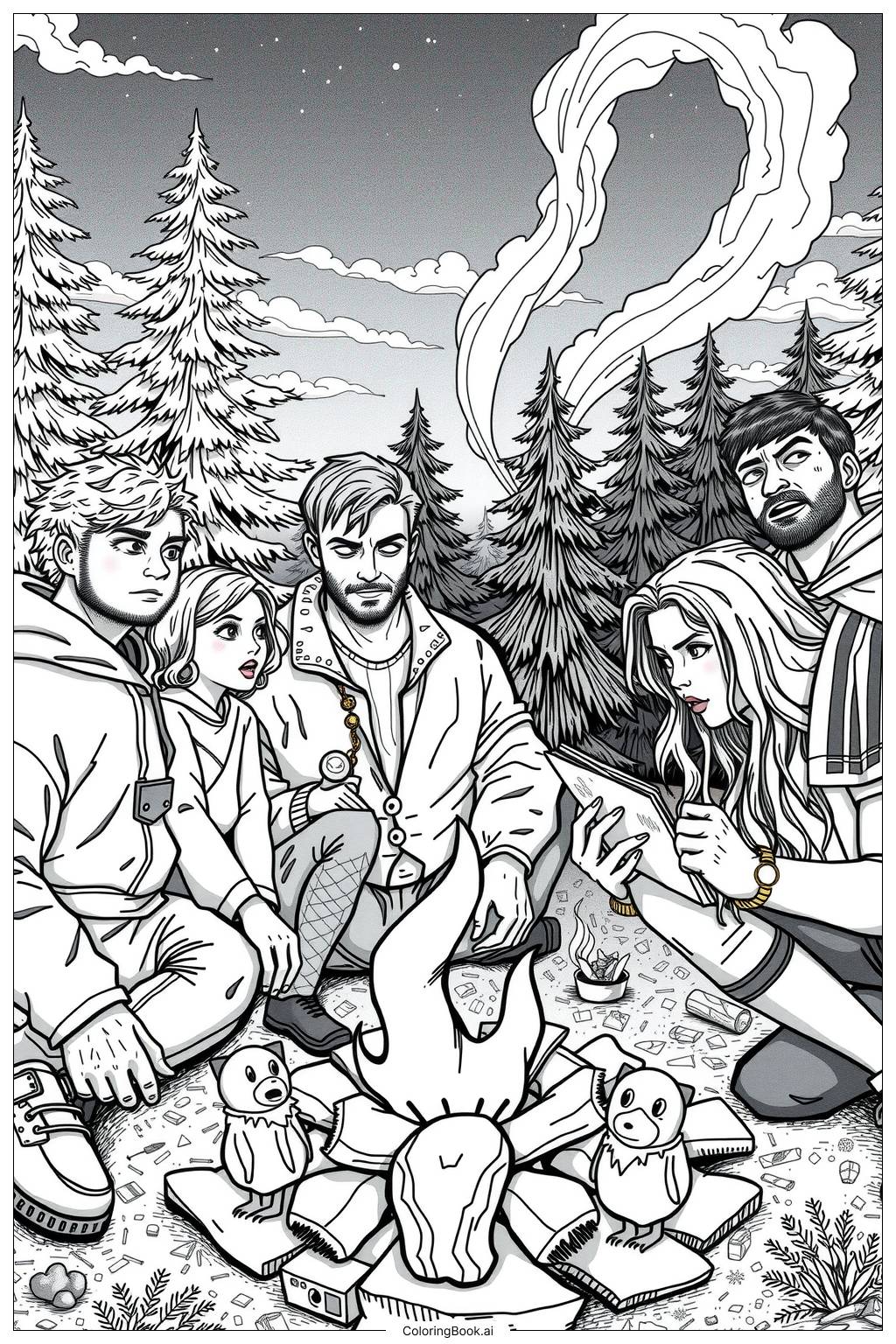
Coloring tips: How to color Ghost Story by the Campfire coloring page well?
Start with the campfire at the center — use bright yellows and oranges for the flames, with a soft red glow at the base. Add warm amber tones to the faces of the children sitting nearby, as if lit by the fire's light.
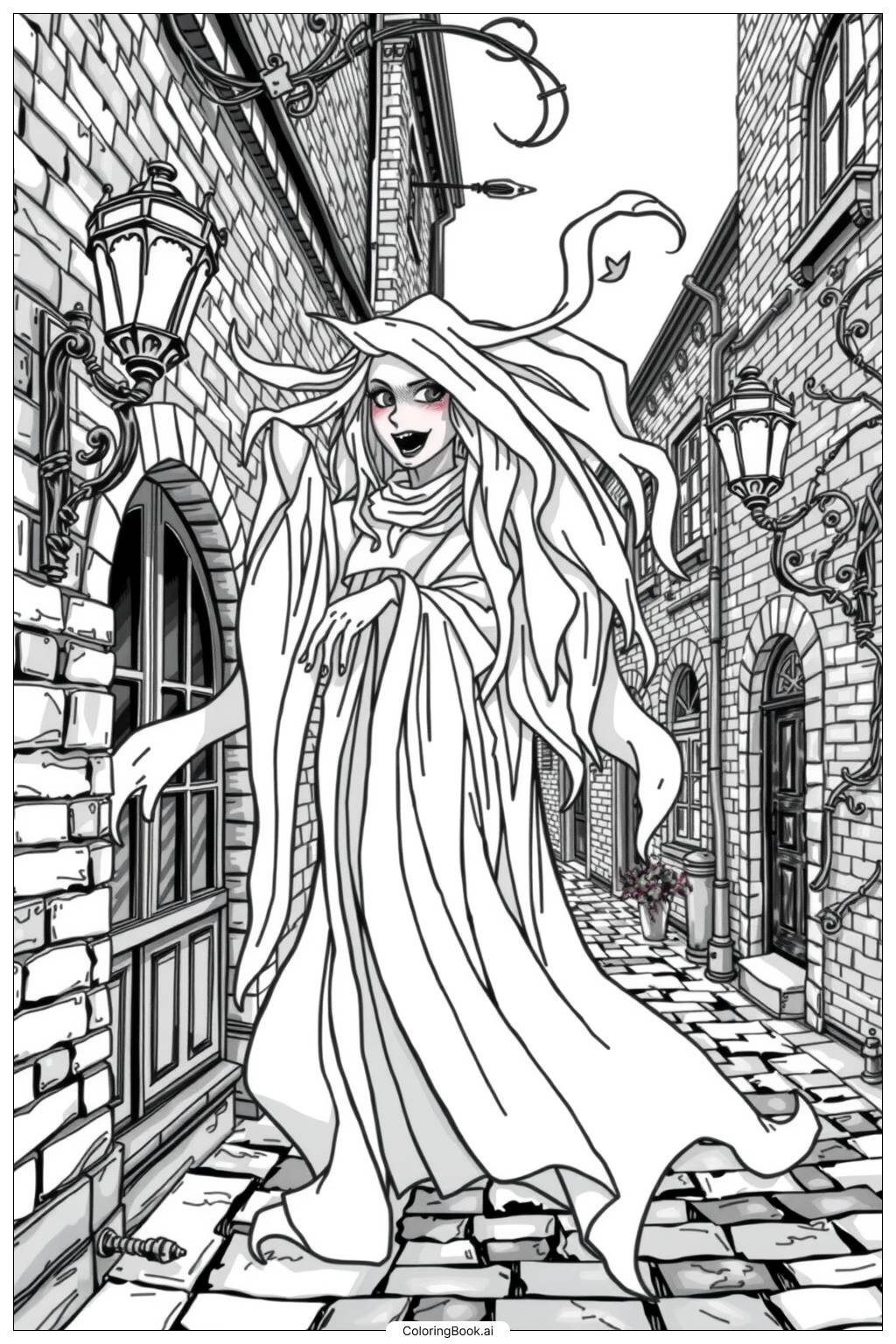
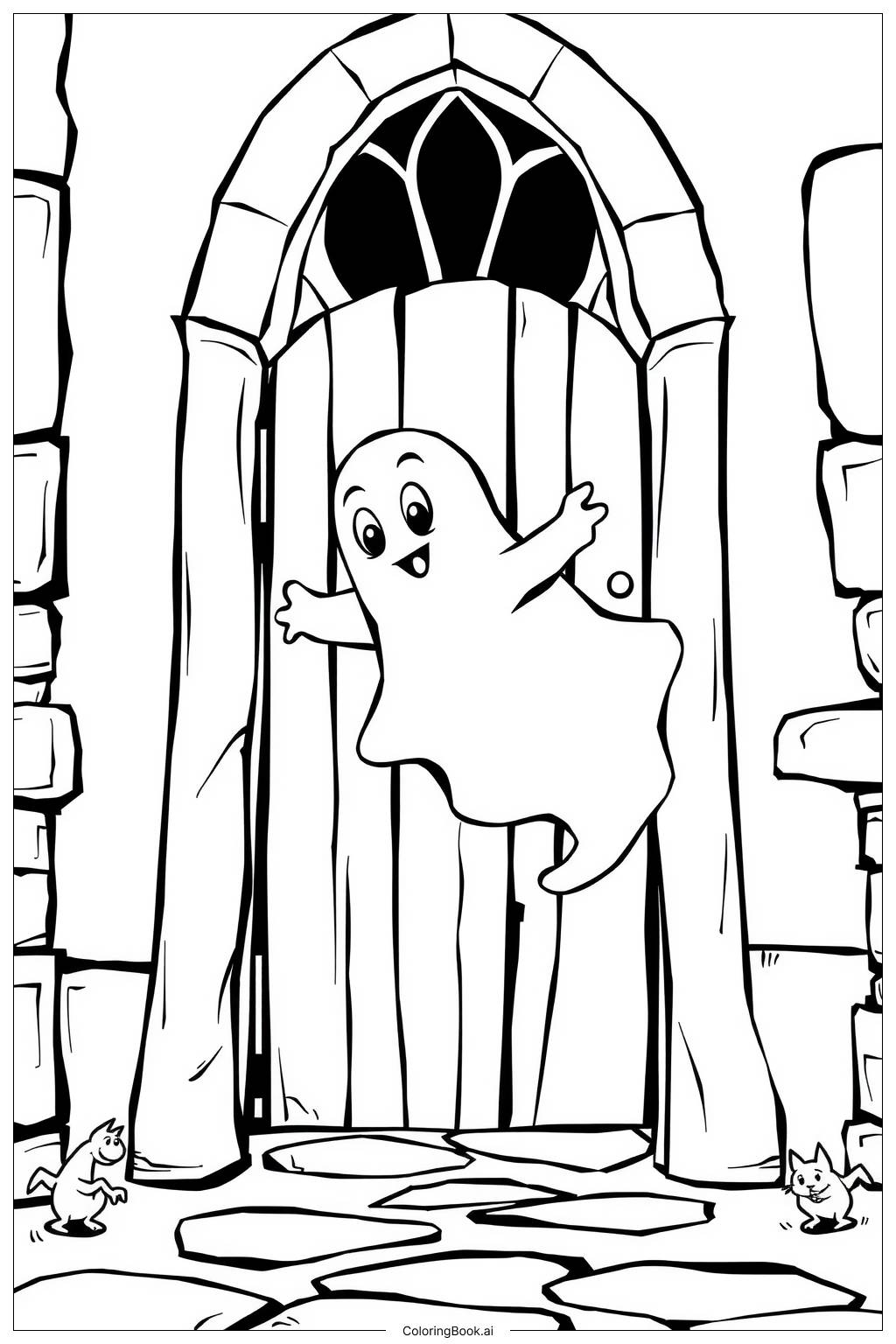
For the ghost, keep the body mostly white or a very pale blue-gray to give it an eerie, glowing feel. You can add light purple shadows to show the folds in its flowing form.
Use deep greens and dark teals for the pine trees in the background. Mix in some black for the shadowy areas between the branches to create a nighttime atmosphere.
Color the children's clothes in fun, bright colors like red, yellow, and blue to make them stand out against the dark forest scene.
For the ground and logs, use earthy browns and tans. The night sky behind everything can be a rich navy blue or dark purple, and you can add small white dots for stars to complete the magical, spooky mood.
Coloring challenges: Which parts are difficult to color and need attention for Ghost Story by the Campfire coloring page?
• Ghost Shading and Form: The ghost's flowing, translucent body is one of the trickiest parts to color. It needs to look light and ethereal while still showing folds and depth. Use very light grays or pale blues sparingly, blending carefully so the ghost does not look too solid or too flat. Leaving parts of it white can help capture that classic ghostly glow.
• Campfire Lighting Effects: The fire casts a warm, uneven glow across the whole scene. Showing this effect means gradually shifting colors on the children's faces, the logs, and the ground from warm orange near the fire to cooler, darker tones farther away. This kind of lighting gradient takes patience and a gentle hand.
• Background Forest Depth: The trees in the background need to feel dark and deep without becoming a single flat wall of color. Try using two or three shades of green and dark blue-green, layering them to suggest distance and shadow between the trunks and branches.
• Small Details and Camping Props: Items like marshmallow sticks, tent fabric, and camping gear have small shapes that require a fine-tipped tool and careful attention. Rushing these areas can cause colors to bleed into neighboring sections and muddy the overall look.
• Balancing Spooky and Fun: This scene blends creepy and playful elements. Choosing colors that feel exciting but not too dark is important, especially for younger colorists. Too much black can make the image feel heavy, while too much bright color can lose the nighttime mood. Finding the right balance is a fun creative challenge.
Benefits of coloring books: Advantages of drawing Ghost Story by the Campfire coloring page
Coloring this campfire ghost scene brings a wonderful mix of creativity, focus, and fun. Here are some great reasons to pick up your colored pencils or markers and dive in.
It builds concentration. Filling in the many details — from the dancing flames to the ghost's flowing shape — encourages children to slow down, pay attention, and stay focused on one area at a time.
It sparks imagination. The spooky campfire setting invites colorists to think about storytelling. What is the ghost saying? Who are the children? Adding your own color choices makes the story feel personal and unique.
It develops color sense. Deciding how firelight glows, how shadows fall in a dark forest, and how a ghost can look both white and colorful is a great way to explore how colors work together in a scene.
It is great for fine motor skills. Carefully coloring small details like tent seams, marshmallow sticks, and facial expressions helps strengthen hand control and precision, which supports writing and other daily tasks.
It is simply enjoyable. Halloween-themed art is exciting for kids who love a little spookiness. This image offers just the right amount of creepy fun, making it a perfect activity for autumn evenings, classroom projects, or quiet weekend afternoons.