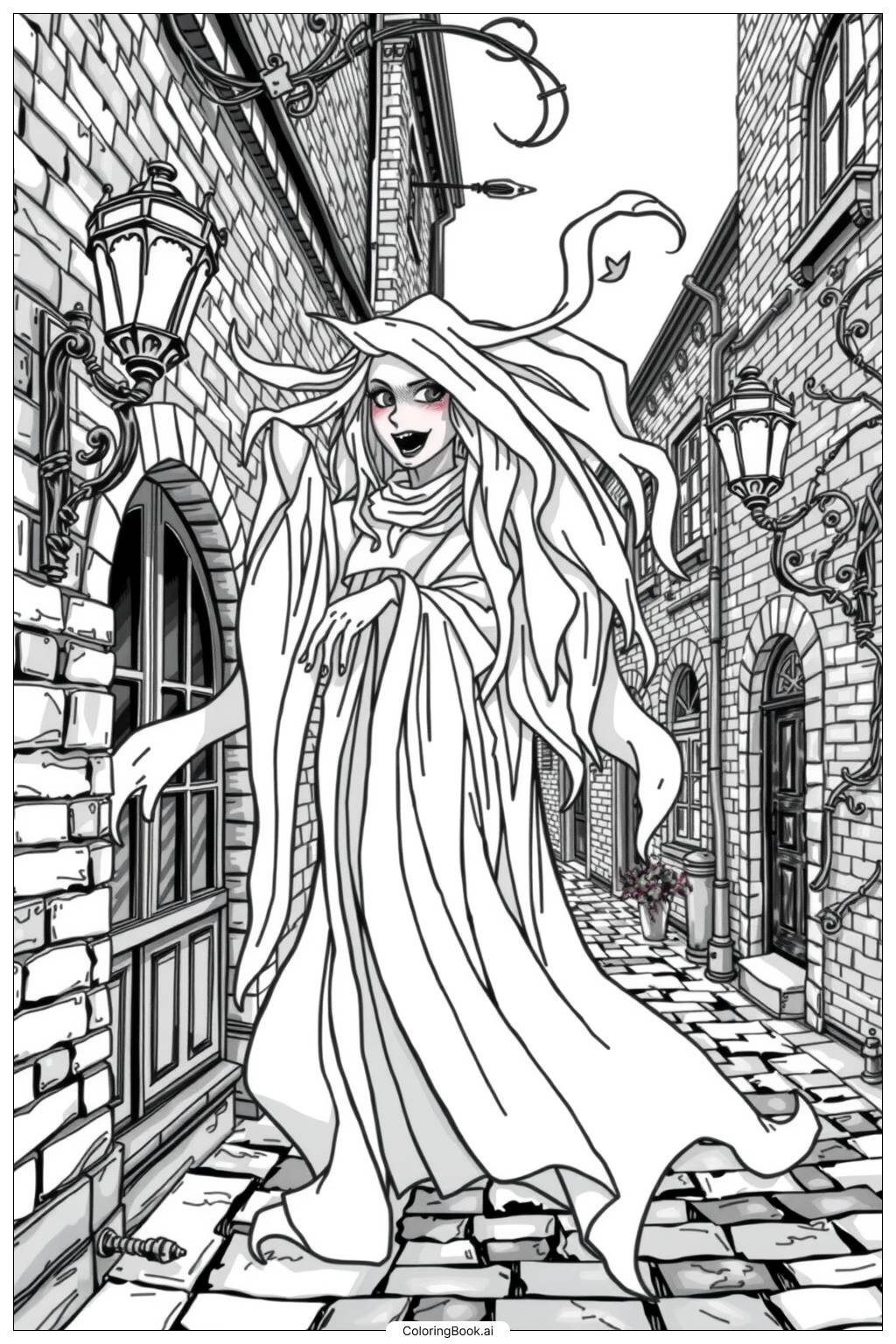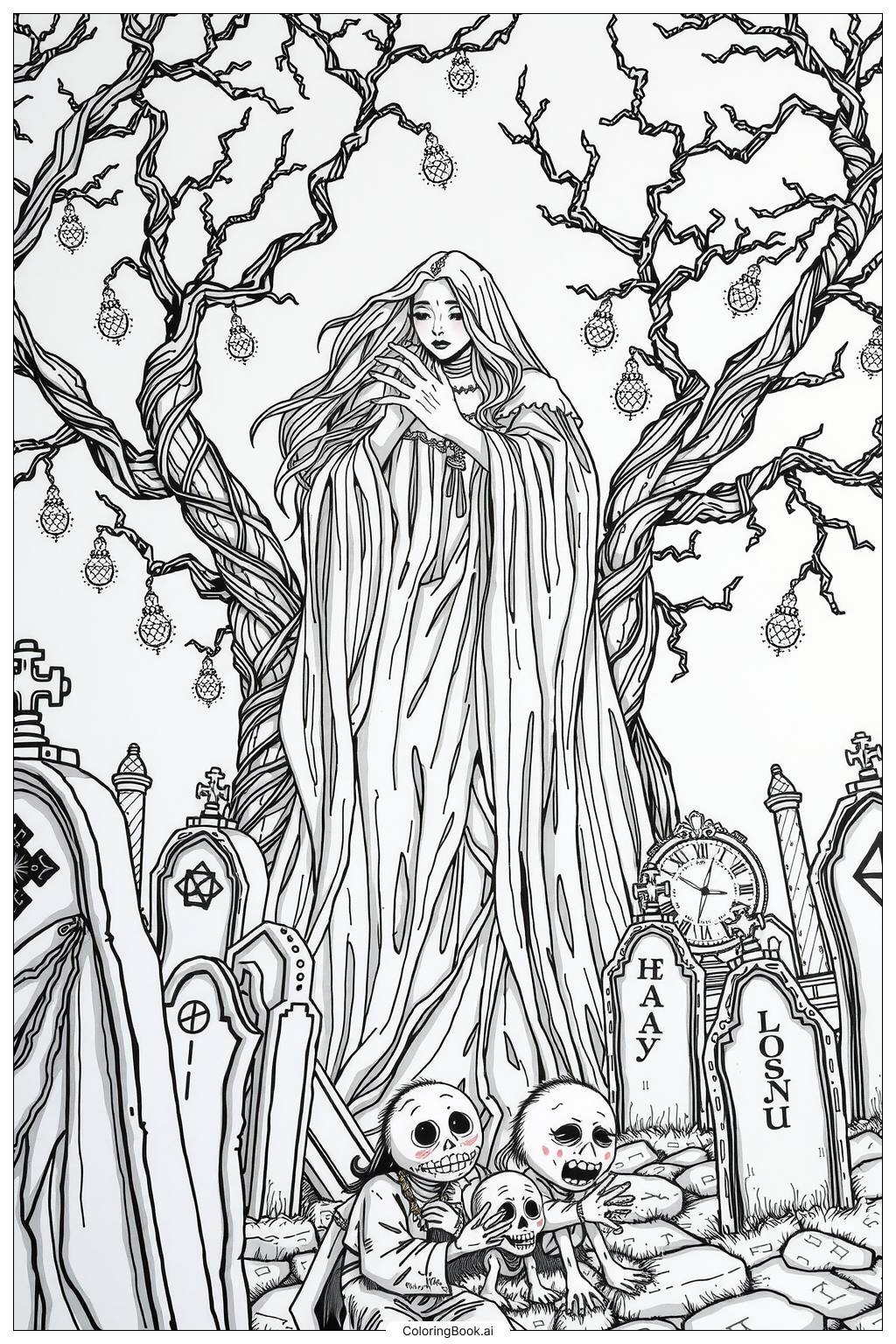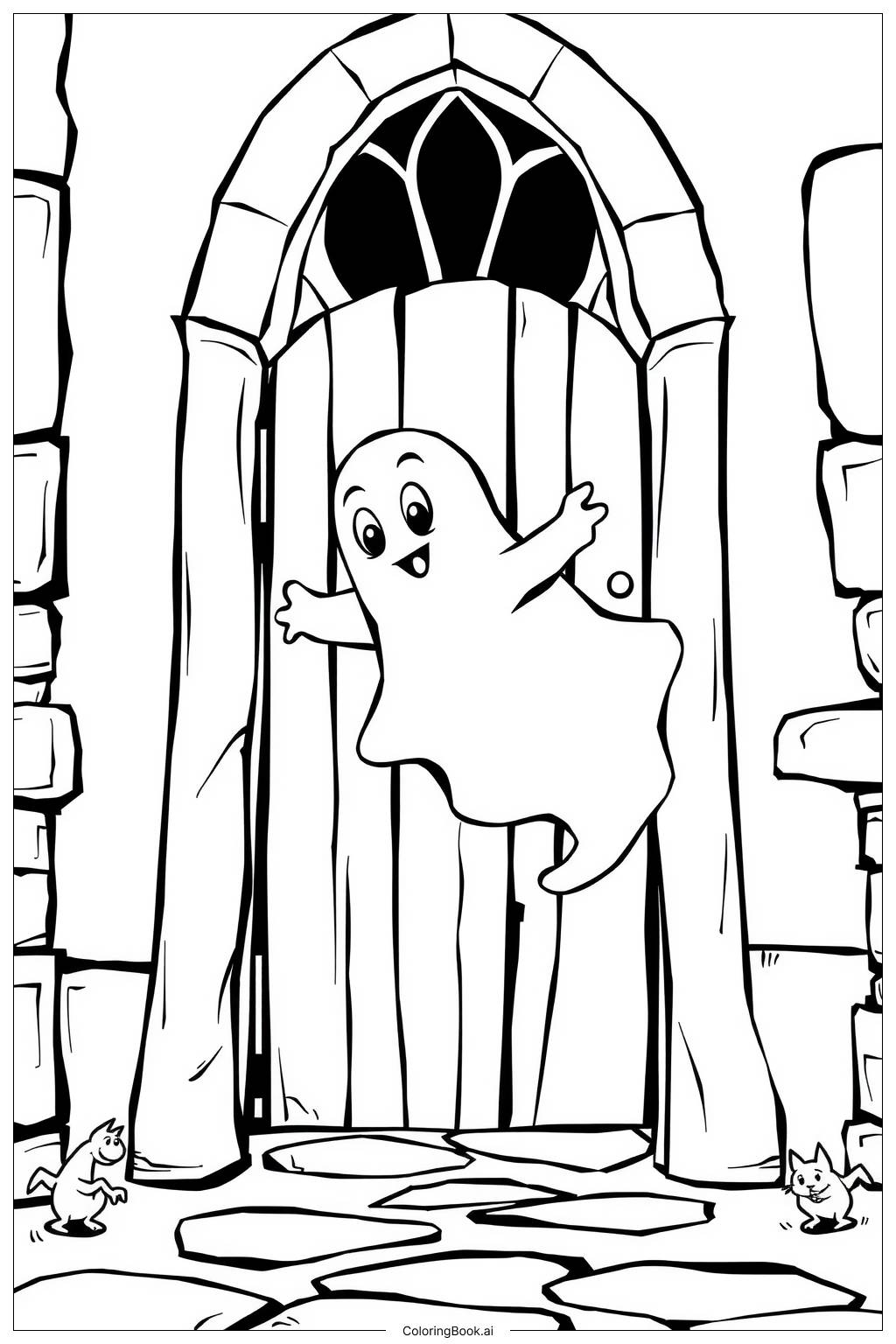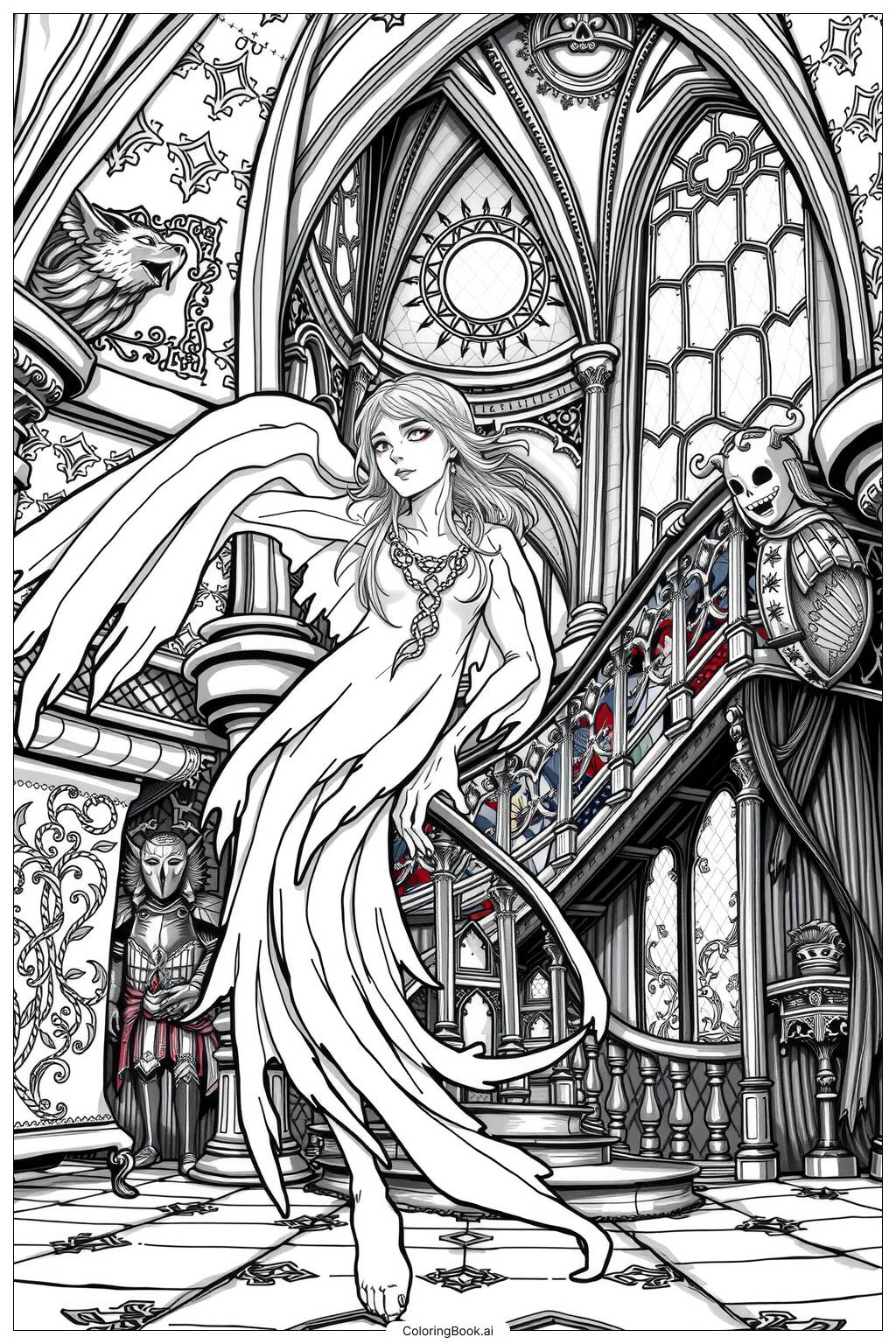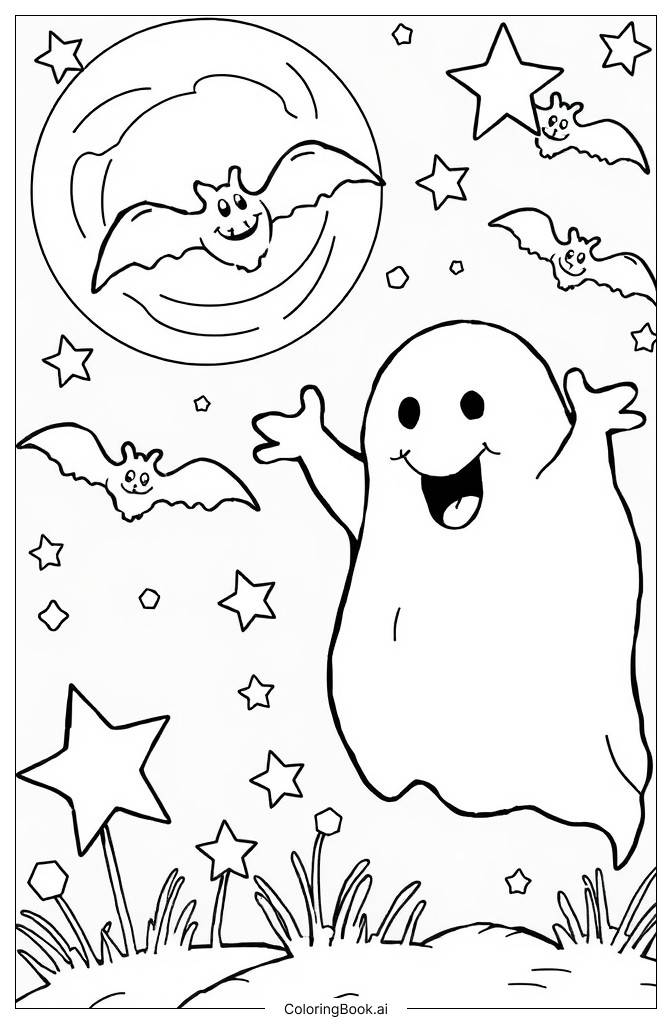
Coloring tips: How to color Ghost in the Dark coloring page well?
Start with the ghost itself. Use white or very light gray for the body to give it a glowing, ethereal look. Add pale blue or lavender shading along the edges to show depth and make the ghost look three-dimensional. For the eyes and mouth, try deep black or dark purple to make them stand out. Color the background in deep navy blue, dark purple, or charcoal gray to capture the feeling of a dark night. Use lighter shades of blue near the ghost to create a soft glow effect around it. The tree branches can be dark brown or black. If there are bats or stars, use black for the bats and yellow or white for the stars. Keep your colors smooth and even on the ghost, and feel free to blend darker shades around the edges to create a spooky, misty feel. This image is a great way to experiment with light and shadow using just a few colors.
Coloring challenges: Which parts are difficult to color and need attention for Ghost in the Dark coloring page?
• Ghost Body Shading: The ghost's smooth, flowing shape looks simple but is tricky to shade well. To make it look like it is glowing in the dark, you need to gradually blend lighter colors in the center and darker shades at the edges. Using a single flat color will make the ghost look flat. Try layering light gray or pale blue gently to build up depth and a soft glowing effect.
• Dark Background Contrast: Filling in a large, dark background evenly can be challenging. It is easy to end up with streaks or uneven patches when using dark colors like navy or black. Work in slow, steady strokes and layer the color gradually. Using a darker tone near the edges and slightly lighter near the ghost helps create a natural glow effect in the scene.
• Facial Expression Details: The ghost's hollow eyes and open mouth are small but important details. Staying within the lines in these tight areas requires a fine-tipped tool. Using a very dark color here, like black or deep purple, helps them pop against the lighter ghost body and adds to the spooky mood.
• Flowing Edges and Curves: The wavy, flowing bottom of the ghost has soft curved lines that can be hard to follow cleanly. Take your time along these edges and use lighter pressure to keep the lines smooth. Rushing through these curved areas often leads to going outside the lines.
• Background Elements: Bare branches, bats, or stars in the background are small and close together. These detailed elements need careful attention to avoid colors bleeding into each other. Use a thin, precise coloring tool and work slowly around each small shape.
Benefits of coloring books: Advantages of drawing Ghost in the Dark coloring page
Coloring this ghost in the dark image is a fun and creative activity for kids and adults alike. It helps build focus and concentration as you carefully stay within the lines and work on small details like the ghost's eyes and the tree branches. The activity also encourages creativity, since choosing colors for a dark, spooky scene lets you experiment with contrast, glow effects, and shadow in a low-pressure way. For younger children, this image helps develop fine motor skills and hand control as they follow the flowing curves of the ghost and fill in the background. It also introduces basic concepts of light and shadow in a simple, visual way. For older kids and adults, blending colors to create a glowing ghost effect is a satisfying artistic challenge that builds patience and attention to detail. Coloring is also a relaxing, screen-free activity that helps reduce stress and quiet a busy mind. Finishing the image gives a real sense of accomplishment and makes a great piece of Halloween-themed artwork to display or share.